
Middle East Tourism
Middle East Tourism
Discovering the Wonders of Middle East Tourism: A Journey Through Culture, History, and Innovation
Introduction
The Middle East, a region steeped in ancient history and vibrant culture, has emerged as a captivating destination for global travelers. From the golden dunes of the Arabian Desert to the bustling souks of Marrakech and the futuristic skyline of Dubai, Middle East tourism offers a unique blend of tradition and modernity. This article explores the multifaceted allure of tourism in the Middle East, examining its historical significance, cultural richness, architectural marvels, and the growing appeal of sustainable and luxury travel in the region.
The Historical Tapestry of the Middle East
Cradle of Civilization
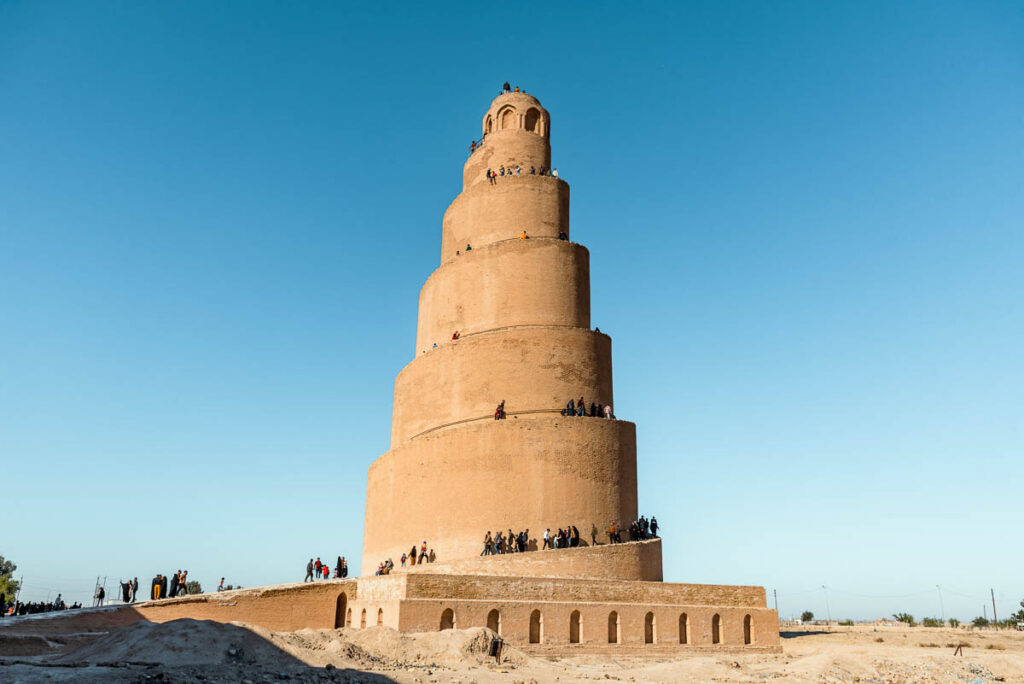
The Middle East is often referred to as the “Cradle of Civilization” due to its pivotal role in the development of human history. Ancient Mesopotamia, located in present-day Iraq, is where writing, agriculture, and urbanization first took root. Visitors can explore:
- The ruins of Babylon and Ur
- The ancient city of Petra in Jordan
- The Pyramids of Giza in Egypt
Each of these sites offers a glimpse into the past, showcasing the architectural and cultural achievements of early civilizations.
Religious Significance
The region is also the birthplace of the world’s major monotheistic religions: Judaism, Christianity, and Islam. Pilgrims and tourists alike flock to:
- Jerusalem, home to the Western Wall, Church of the Holy Sepulchre, and Al-Aqsa Mosque
- Mecca and Medina in Saudi Arabia, the holiest cities in Islam
- Mount Sinai in Egypt, believed to be where Moses received the Ten Commandments
These destinations are not only spiritually significant but also architecturally and historically rich.
Modern Marvels and Urban Wonders
Dubai: The Jewel of the Gulf
No discussion of Middle East tourism is complete without mentioning Dubai. This city has transformed from a desert outpost into a global metropolis, offering:
- The Burj Khalifa, the tallest building in the world
- The Palm Jumeirah, an artificial archipelago
- Luxury shopping at the Dubai Mall
- Desert safaris and dune bashing experiences
Dubai’s blend of innovation and luxury makes it a magnet for tourists seeking both adventure and opulence.
Doha and Abu Dhabi: Rising Stars
Other Gulf cities like Doha and Abu Dhabi are also gaining prominence. Highlights include:
- The Museum of Islamic Art in Doha
- The futuristic architecture of Lusail City
- The Sheikh Zayed Grand Mosque in Abu Dhabi
- Yas Island, home to Ferrari World and Yas Marina Circuit
These cities are investing heavily in tourism infrastructure, aiming to become cultural and leisure hubs.
Cultural Immersion and Authentic Experiences
Traditional Markets and Souks
Exploring local markets is one of the best ways to experience authentic Middle Eastern culture. Popular souks include:
- Khan El Khalili in Cairo
- Souk Al-Mubarakiya in Kuwait City
- Mutrah Souq in Muscat, Oman
- Grand Bazaar in Istanbul
These bustling marketplaces offer everything from spices and textiles to jewelry and traditional handicrafts.
Culinary Delights
Middle Eastern cuisine is a feast for the senses. Tourists can indulge in:
- Mezze platters featuring hummus, baba ghanoush, and tabbouleh
- Grilled meats like kebabs and shawarma
- Sweet treats such as baklava, kunafa, and dates
- Traditional beverages like mint tea and Arabic coffee
Food tours and cooking classes are increasingly popular among visitors seeking deeper cultural engagement.
Natural Wonders and Adventure Tourism
Deserts and Oases
The vast deserts of the Middle East are not just barren landscapes—they are thriving ecosystems and adventure playgrounds. Activities include:
- Camel trekking in the Wadi Rum desert, Jordan
- Sandboarding in the Empty Quarter (Rub’ al Khali)
- Stargazing in the Sinai Peninsula
- Visiting the Siwa Oasis in Egypt
These experiences offer tranquility and a connection to nature that is hard to find elsewhere.
Mountains and Seas
The region also boasts diverse topography:
- The Al Hajar Mountains in Oman for hiking and rock climbing
- The Red Sea for world-class diving and snorkeling
- The Dead Sea for its therapeutic properties
- The Mediterranean coastlines of Lebanon and Israel
Nature lovers and thrill-seekers will find no shortage of options.
Sustainable and Responsible Tourism
Eco-Friendly Initiatives
As tourism grows, so does the emphasis on sustainability. Countries across the Middle East are implementing eco-friendly practices:
- The Red Sea Project in Saudi Arabia aims to create a luxury, sustainable tourism destination
- Oman’s eco-lodges promote conservation and community engagement
- Jordan’s Feynan Ecolodge is powered by solar energy and supports local Bedouin communities
These initiatives not only protect the environment but also enrich the travel experience.
Cultural Preservation
Efforts are also being made to preserve intangible cultural heritage:
- Reviving traditional crafts and music
- Supporting local artisans through tourism
- Promoting indigenous languages and storytelling
Responsible tourism ensures that cultural authenticity is maintained for future generations.
Luxury and Wellness Tourism
High-End Resorts and Spas
The Middle East is synonymous with luxury. Visitors can indulge in:
- Overwater villas in the Maldives-style resorts of the UAE
- World-class spas offering hammams and holistic treatments
- Private desert camps with five-star amenities
- Yacht charters along the Persian Gulf
These offerings cater to affluent travelers seeking exclusivity and comfort.
Wellness Retreats
Wellness tourism is on the rise, with options such as:
- Yoga retreats in the mountains of Lebanon
- Detox programs in the Dead Sea region
- Mindfulness and meditation in desert settings
These retreats offer rejuvenation of mind, body, and soul.
Events and Festivals
Cultural Celebrations
The Middle East hosts a variety of vibrant festivals:
- Dubai Shopping Festival
- Jerash Festival of Culture and Arts in Jordan
- Muscat Festival in Oman
- Eid celebrations across the region
These events showcase local traditions, music, dance, and cuisine.
International Events
The region is also becoming a hub for global events:
- Expo 2020 in Dubai (now Expo City Dubai)
- FIFA World Cup 2022 in Qatar
- Abu Dhabi Film Festival
- Art Dubai and Design Days Dubai
These events attract international attention and boost tourism.
Travel Tips and Practical Information
Best Time to Visit
- Spring (March to May) and Autumn (September to November) offer pleasant weather
- Summer can be extremely hot, especially in the Gulf
- Winter is ideal for desert adventures and city tours
Visa and Entry Requirements
- Many countries offer e-visas or visa on arrival
- Check individual country regulations before traveling
Safety and Etiquette
- The region is generally safe for tourists
- Respect local customs and dress codes
- Avoid political discussions and be mindful of religious sensitivities
Future of Middle East Tourism
The future of tourism in the Middle East looks promising, with governments investing heavily in infrastructure, marketing, and sustainability. Visionary projects like Saudi Arabia’s NEOM, Qatar’s National Tourism Strategy, and the UAE’s cultural initiatives are set to redefine the region’s tourism landscape.
Frequently Asked Questions (FAQ)
1. What are the safest countries to visit in the Middle East?
Countries like the United Arab Emirates, Jordan, Oman, and Qatar are considered very safe for tourists, with low crime rates and robust infrastructure.
2. Is it expensive to travel in the Middle East?
Costs vary by country. While destinations like Dubai and Doha can be pricey, places like Egypt and Jordan offer more budget-friendly options.
3. What languages are spoken in the Middle East?
Arabic is the most widely spoken language. However, English is commonly used in tourist areas, especially in the UAE, Qatar, and Jordan.
4. What should I wear when visiting Middle Eastern countries?
Modest clothing is recommended, especially in conservative countries. In cities like Dubai and Beirut, Western attire is more acceptable, but always dress respectfully.
5. Are there any travel restrictions for tourists?
Travel restrictions may vary due to political or health concerns. Always check with official tourism boards or embassies for the latest updates before planning your trip.
Conclusion
Middle East tourism offers a rich tapestry of experiences—from ancient ruins and sacred sites to luxury resorts and cutting-edge architecture. As the region continues to evolve, it remains deeply rooted in its cultural heritage while embracing the future with open arms. Whether you’re a history buff, a luxury traveler, or an adventure seeker, the Middle East promises an unforgettable journey.