
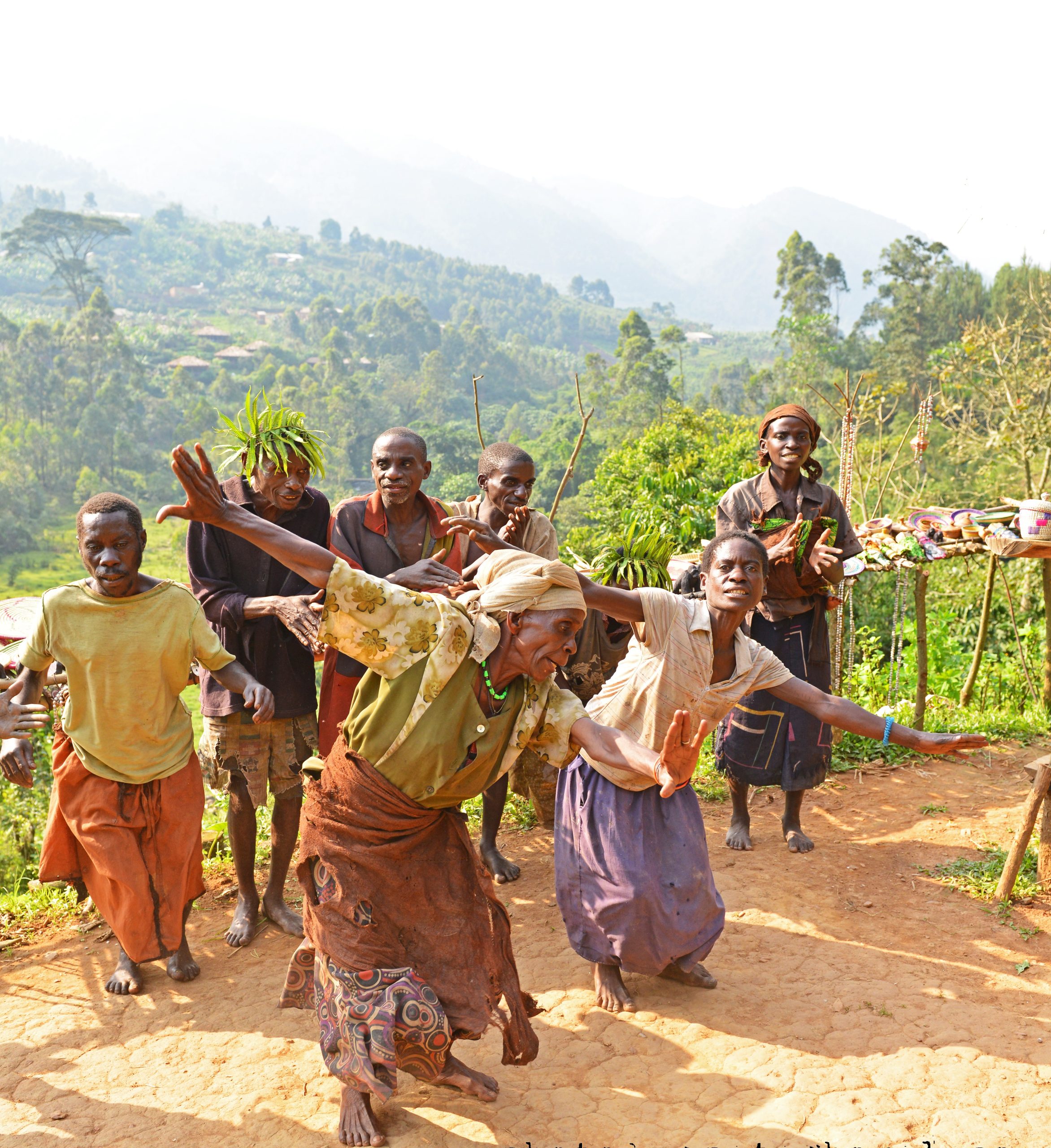
Batwa Culture
Batwa Culture
The Enduring Legacy of the Batwa Culture: A Deep Dive into the Forest People’s Heritage
Introduction
Hidden within the dense forests of Central Africa lies a rich and ancient culture that has withstood the test of time—the culture of the Batwa people. Often referred to as the “forest keepers” or “pygmies,” the Batwa are among the oldest indigenous groups in Africa, with a history that dates back thousands of years. Despite centuries of marginalization and displacement, their traditions, spiritual beliefs, and ecological knowledge continue to captivate anthropologists, historians, and cultural enthusiasts alike.
This comprehensive guide explores the multifaceted world of the Batwa—delving into their origins, social structures, spiritual practices, art, music, and the ongoing struggle to preserve their identity in the face of modern pressures.
Who Are the Batwa?
The Batwa, also known as Twa, are an indigenous ethnic group primarily found in the Great Lakes region of Central Africa, including countries like Uganda, Rwanda, Burundi, and the Democratic Republic of Congo. Traditionally, the Batwa lived as hunter-gatherers in the equatorial forests, relying on their deep knowledge of the ecosystem for survival.
Origins and Ancestry
- Believed to be among the earliest inhabitants of the Central African forests.
- Genetic studies suggest they have lived in the region for over 60,000 years.
- Their lifestyle was primarily nomadic, centered around hunting small game, gathering wild fruits, and fishing.
Population and Distribution
- Estimated population: Between 80,000 and 100,000 across Central Africa.
- Major communities can be found in:
- Bwindi Impenetrable Forest, Uganda
- Virunga Mountains, Rwanda
- Itombwe Massif, DRC
Social Structure and Community Life
The Batwa social organization is deeply rooted in egalitarian principles. Unlike hierarchical societies, the Batwa emphasize communal living and shared responsibilities.
Family and Kinship
- Extended families form the core of Batwa communities.
- Kinship ties are vital for social cohesion and resource sharing.
- Marriages are often arranged within clans, with dowries exchanged in the form of forest produce or handmade crafts.
Leadership and Decision-Making
- Leadership is informal and often based on age, wisdom, or spiritual knowledge.
- Elders play a crucial role in conflict resolution and cultural preservation.
- Decisions are made collectively through consensus.
Spiritual Beliefs and Practices
The Batwa have a rich spiritual life that is intricately tied to the forest. Their belief system is animistic, meaning they perceive all elements of nature—trees, animals, rivers—as imbued with spiritual essence.
Key Spiritual Concepts
- Kihanga: The supreme creator spirit in Batwa cosmology.
- Forest Spirits: Believed to inhabit sacred groves and caves.
- Ancestral Worship: Ancestors are honored through rituals and offerings.
Rituals and Ceremonies
- Rainmaking Ceremonies: Invoking spirits to bring rain during dry spells.
- Initiation Rites: Marking the transition from childhood to adulthood.
- Healing Rituals: Conducted by shamans using herbs, chants, and spiritual invocations.
Language and Oral Traditions
The Batwa speak various dialects depending on the region, often influenced by neighboring Bantu languages. However, their oral traditions are the true vessels of cultural transmission.
Storytelling Traditions
- Stories are passed down through generations around communal fires.
- Fables often feature forest animals and moral lessons.
- Oral poetry and riddles are used to teach children about survival and ethics.
Language Preservation
- Efforts are underway to document and preserve Batwa dialects.
- NGOs and linguistic researchers are collaborating with elders to record oral histories.
Art, Music, and Dance
The Batwa are renowned for their expressive art forms, which serve both aesthetic and functional purposes.
Traditional Music
- Instruments include:
- Ikembe (thumb piano)
- Ngoma (drums)
- Flutes made from bamboo
- Songs are used for:
- Celebrations
- Mourning
- Storytelling
- Spiritual rituals
Dance as Expression
- Dances are highly symbolic and mimic animal movements.
- Performed during rites of passage, harvest festivals, and healing ceremonies.
Visual Art and Craftsmanship
- Basket weaving using forest vines
- Pottery for cooking and storage
- Wood carvings depicting spiritual symbols
The Forest: Heart of Batwa Identity
For the Batwa, the forest is not just a home—it is a sacred entity that defines their identity, sustains their livelihood, and connects them to their ancestors.
Ecological Knowledge
- Deep understanding of medicinal plants
- Sustainable hunting techniques
- Seasonal migration patterns of animals
Conservation and Displacement
- Many Batwa communities were evicted from forests due to conservation efforts.
- National parks like Bwindi and Mgahinga were created without consulting indigenous inhabitants.
- Displacement has led to:
- Loss of traditional knowledge
- Poverty and marginalization
- Cultural erosion
Modern Challenges and Cultural Survival
Despite their rich heritage, the Batwa face numerous challenges in the modern world.
Socio-Economic Marginalization
- Limited access to education and healthcare
- High rates of poverty and landlessness
- Discrimination from dominant ethnic groups
Cultural Erosion
- Younger generations are losing touch with traditional practices.
- Urbanization and globalization threaten indigenous languages and customs.
Advocacy and Empowerment
- Organizations like Minority Rights Group International and Forest Peoples Programme are working to:
- Secure land rights
- Promote cultural education
- Support sustainable livelihoods
Revitalizing Batwa Culture: A Path Forward
Efforts to preserve and revitalize Batwa culture are gaining momentum, driven by both internal initiatives and external support.
Cultural Tourism
- Community-led tourism projects offer:
- Guided forest walks
- Traditional music and dance performances
- Craft workshops
- Benefits:
- Economic empowerment
- Cultural pride
- Awareness raising
Education and Language Revival
- Bilingual education programs are being introduced.
- Elders are teaching traditional knowledge in schools.
Legal Recognition
- Some governments are beginning to acknowledge Batwa rights.
- Land restitution and cultural preservation policies are under discussion.
Why Batwa Culture Matters Today
In a rapidly changing world, the Batwa offer invaluable lessons in sustainability, community, and spiritual connection to nature. Their resilience in the face of adversity is a testament to the enduring power of cultural identity.
Key Takeaways
- The Batwa are one of Africa’s oldest indigenous groups.
- Their culture is deeply tied to the forest and nature.
- Despite marginalization, they continue to preserve their traditions.
- Supporting Batwa rights is essential for cultural and ecological preservation.
Frequently Asked Questions (FAQ)
1. Who are the Batwa people?
The Batwa are an indigenous ethnic group native to Central Africa, known for their hunter-gatherer lifestyle and deep spiritual connection to the forest.
2. What is unique about Batwa culture?
Batwa culture is characterized by:
- Animistic spiritual beliefs
- Rich oral traditions
- Unique music and dance
- Sustainable forest practices
3. Why were the Batwa displaced from their ancestral lands?
Many Batwa communities were evicted due to the creation of national parks and conservation areas, often without proper consultation or compensation.
4. How can I support Batwa communities?
You can support by:
- Donating to organizations like Forest Peoples Programme
- Participating in ethical cultural tourism
- Advocating for indigenous rights
5. Are there efforts to preserve Batwa culture?
Yes, various NGOs and community-led initiatives are working to:
- Document oral histories
- Promote bilingual education
- Secure land and cultural rights
Conclusion
The Batwa culture is a living testament to humanity’s ancient roots, ecological wisdom, and spiritual depth. As the world grapples with climate change, biodiversity loss, and cultural homogenization, the Batwa offer a blueprint for harmonious living with nature. Preserving their heritage is not just an act of justice—it is a step toward a more inclusive and sustainable future.
Let us honor the forest keepers by listening to their stories, supporting their rights, and ensuring their voices echo through the forests they have called home for millennia.