
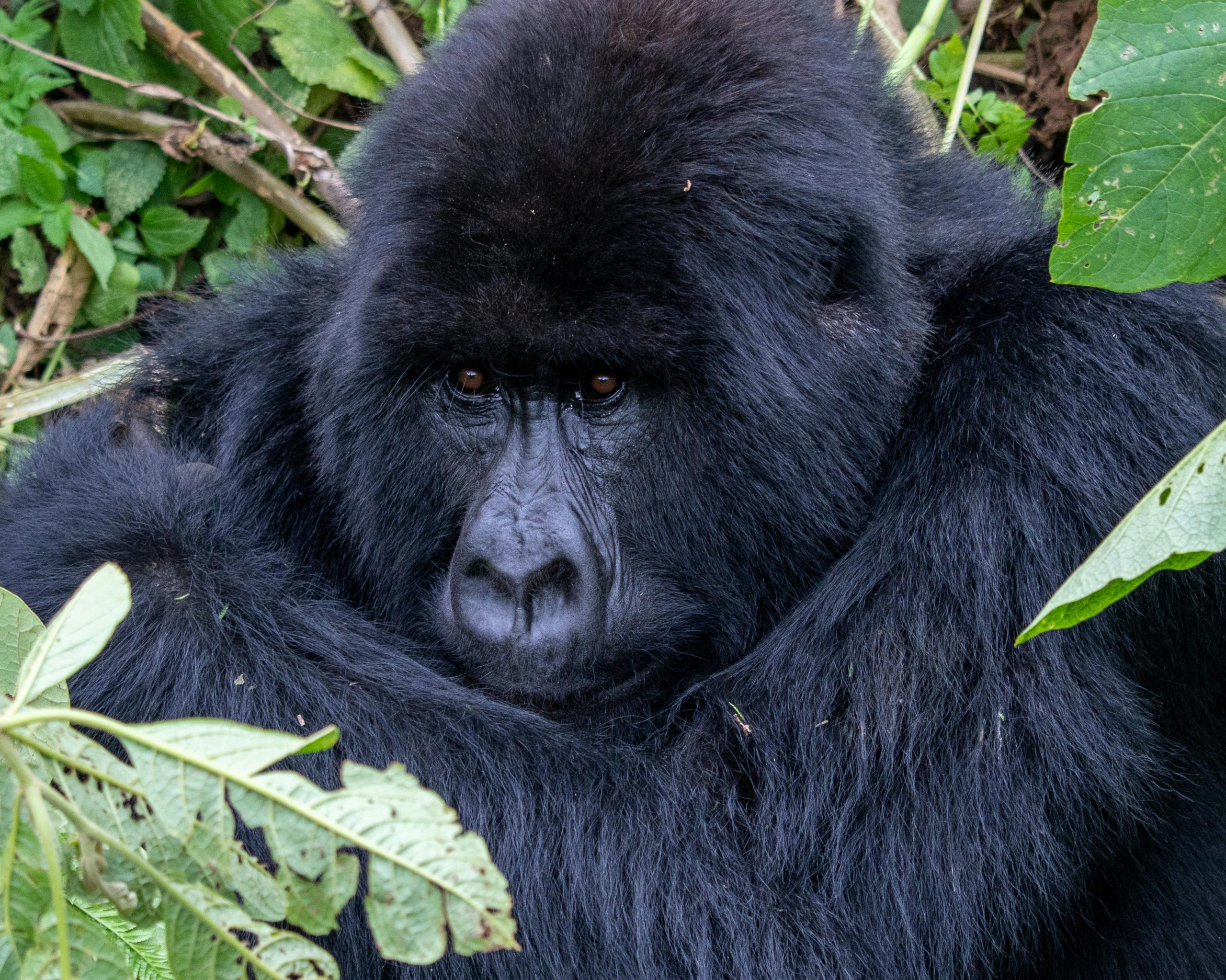
Mountain Gorilla Trekking
Mountain Gorilla Trekking
The Ultimate Guide to Mountain Gorilla Trekking: A Life-Changing Wildlife Experience
Introduction
Mountain gorilla trekking is one of the most profound and transformative wildlife experiences on Earth. Nestled deep within the misty rainforests of East and Central Africa, this rare adventure offers an intimate glimpse into the lives of the world’s last remaining mountain gorillas. With only around 1,000 individuals left in the wild, encountering these majestic primates in their natural habitat is both a privilege and a conservation triumph.
In this comprehensive guide, we’ll explore everything you need to know about mountain gorilla trekking—from the best destinations and seasons to essential tips and ethical considerations. Whether you’re planning your first trek or looking to deepen your understanding of this extraordinary journey, this article will serve as your definitive resource.
For personalized gorilla trekking safaris, check out Turkana Wildlife Safaris, a trusted operator offering tailor-made adventures across East Africa.
What Is Mountain Gorilla Trekking?
Mountain gorilla trekking is a guided expedition into the dense forests of Africa to observe mountain gorillas in their natural environment. Unlike zoo visits or sanctuary tours, this experience involves hiking through rugged terrain, often at high altitudes, to reach habituated gorilla families.
These treks are strictly regulated to protect the gorillas and their habitats, ensuring that tourism contributes positively to conservation efforts.
Where Can You Go Gorilla Trekking?
There are only three countries in the world where you can see mountain gorillas in the wild:
- Uganda – Home to Bwindi Impenetrable National Park and Mgahinga Gorilla National Park.
- Rwanda – Known for Volcanoes National Park, the most accessible and luxurious trekking destination.
- Democratic Republic of Congo (DRC) – Offers treks in Virunga National Park, a more adventurous and off-the-beaten-path option.
Each destination offers a unique experience, from the lush, tangled forests of Bwindi to the volcanic slopes of the Virunga Mountains.
Why Trekking with Mountain Gorillas Is So Special
Mountain gorillas share 98% of their DNA with humans, making encounters with them incredibly emotional and awe-inspiring. Observing their social structures, parenting behaviors, and interactions is like peering into a mirror of our own evolutionary past.
Key Highlights of a Gorilla Trek
- Close Encounters – Spend up to one hour with a gorilla family, observing them from just a few meters away.
- Scenic Hikes – Trek through breathtaking landscapes, from bamboo forests to mist-shrouded mountains.
- Conservation Impact – Your trekking permit directly funds gorilla conservation and supports local communities.
Learn more about how your trek supports conservation at Turkana Wildlife Safaris Conservation Page.
When Is the Best Time to Go Gorilla Trekking?
Gorilla trekking is possible year-round, but the best times are during the dry seasons:
- June to September
- December to February
During these months, trails are less muddy, and visibility is better. However, gorilla sightings are excellent throughout the year due to the gorillas’ relatively small home ranges.
How to Prepare for a Gorilla Trek
Physical Preparation
Trekking can be strenuous, especially in high-altitude areas. To prepare:
- Engage in regular cardio exercises (hiking, jogging, cycling)
- Strengthen your legs and core
- Practice walking with a daypack
Packing Essentials
Here’s what to bring:
- Waterproof hiking boots
- Long-sleeved shirts and trousers
- Rain jacket or poncho
- Gloves (for grabbing vegetation)
- Insect repellent
- Reusable water bottle
- Energy snacks
- Camera (no flash)
For a full packing list, visit Turkana Wildlife Safaris’ Gorilla Trekking Checklist.
Gorilla Trekking Permits: What You Need to Know
Permits are mandatory and limited to ensure minimal impact on the gorillas. Prices vary by country:
- Uganda: $800 USD
- Rwanda: $1,500 USD
- DRC: $400 USD
Permits should be booked months in advance, especially during peak seasons.
Book your permit through Turkana Wildlife Safaris for a hassle-free experience.
Ethical Considerations and Rules
To protect the gorillas and ensure a sustainable experience, trekkers must follow strict guidelines:
- Keep a distance of at least 7 meters
- Do not trek if you’re sick
- Avoid direct eye contact
- No flash photography
- Speak in low tones
- Do not eat or drink near gorillas
These rules are enforced by park rangers and are essential for the gorillas’ well-being.
Gorilla Families: Who Will You Meet?
Each gorilla group has a unique name and personality. Some famous families include:
- Mubare Group (Bwindi) – The first habituated group in Uganda
- Susa Group (Rwanda) – Known for its large size and twin births
- Kabirizi Group (DRC) – A dynamic group in Virunga
Discover more about gorilla families at Turkana Wildlife Safaris’ Gorilla Groups Guide.
Combining Gorilla Trekking with Other Safaris
Mountain gorilla trekking pairs beautifully with other African adventures:
Popular Combinations
- Uganda: Add chimpanzee tracking in Kibale or a boat safari in Queen Elizabeth National Park
- Rwanda: Combine with a cultural tour in Kigali or a visit to Lake Kivu
- DRC: Explore Nyiragongo Volcano or the Congo River
Explore multi-destination itineraries with Turkana Wildlife Safaris.
Responsible Travel Tips
- Support local communities by buying handmade crafts
- Choose eco-lodges that practice sustainability
- Avoid single-use plastics
- Respect local customs and traditions
Read more on responsible tourism at Turkana Wildlife Safaris’ Travel Ethics.
Accommodations: Where to Stay
From luxury lodges to budget-friendly camps, there are options for every traveler:
Top Lodges for Gorilla Trekking
- Clouds Mountain Gorilla Lodge (Uganda)
- Bisate Lodge (Rwanda)
- Mikeno Lodge (DRC)
Browse accommodation options at Turkana Wildlife Safaris Lodging Page.
Safety and Health Precautions
- Get vaccinated for yellow fever and COVID-19
- Carry anti-malarial medication
- Hire a porter to assist with your gear
- Follow your guide’s instructions at all times
For health tips, visit Travel Health Advice.
Frequently Asked Questions (FAQ)
1. How long does a gorilla trek take?
Treks can last anywhere from 1 to 8 hours, depending on the location of the gorilla group. The actual time spent with the gorillas is strictly limited to one hour.
Learn more about trek durations at Turkana Wildlife Safaris FAQs.
2. Is gorilla trekking safe?
Yes, it is safe when conducted with licensed guides and rangers. The gorillas are habituated to human presence and generally peaceful.
Read about safety protocols at Turkana Wildlife Safaris Safety Page.
3. Can children go gorilla trekking?
Most countries require trekkers to be at least 15 years old to participate in gorilla trekking.
Check age requirements on Turkana Wildlife Safaris’ Booking Info.
4. What’s the difference between mountain and lowland gorillas?
Mountain gorillas live in high-altitude forests and have longer hair and smaller groups. Lowland gorillas inhabit flatter, tropical forests and are not found in Uganda or Rwanda.
Compare species at Turkana Wildlife Safaris’ Gorilla Species Guide.
5. What should I wear for a gorilla trek?
Wear long-sleeved, moisture-wicking clothing, waterproof hiking boots, and bring a rain jacket. Neutral colors are best.
For a full gear guide, visit Turkana Wildlife Safaris Packing List.
Final Thoughts
Mountain gorilla trekking is more than a wildlife encounter—it’s a spiritual journey into the heart of one of the world’s most biodiverse regions. As you stand face-to-face with a silverback or watch a baby gorilla cling to its mother, you’ll feel a connection that transcends species.
By choosing ethical operators like Turkana Wildlife Safaris, you’re not only embarking on an unforgettable adventure but also contributing to the preservation of these magnificent creatures for generations to come.
Ready to start your journey? Book your gorilla trekking safari now.