
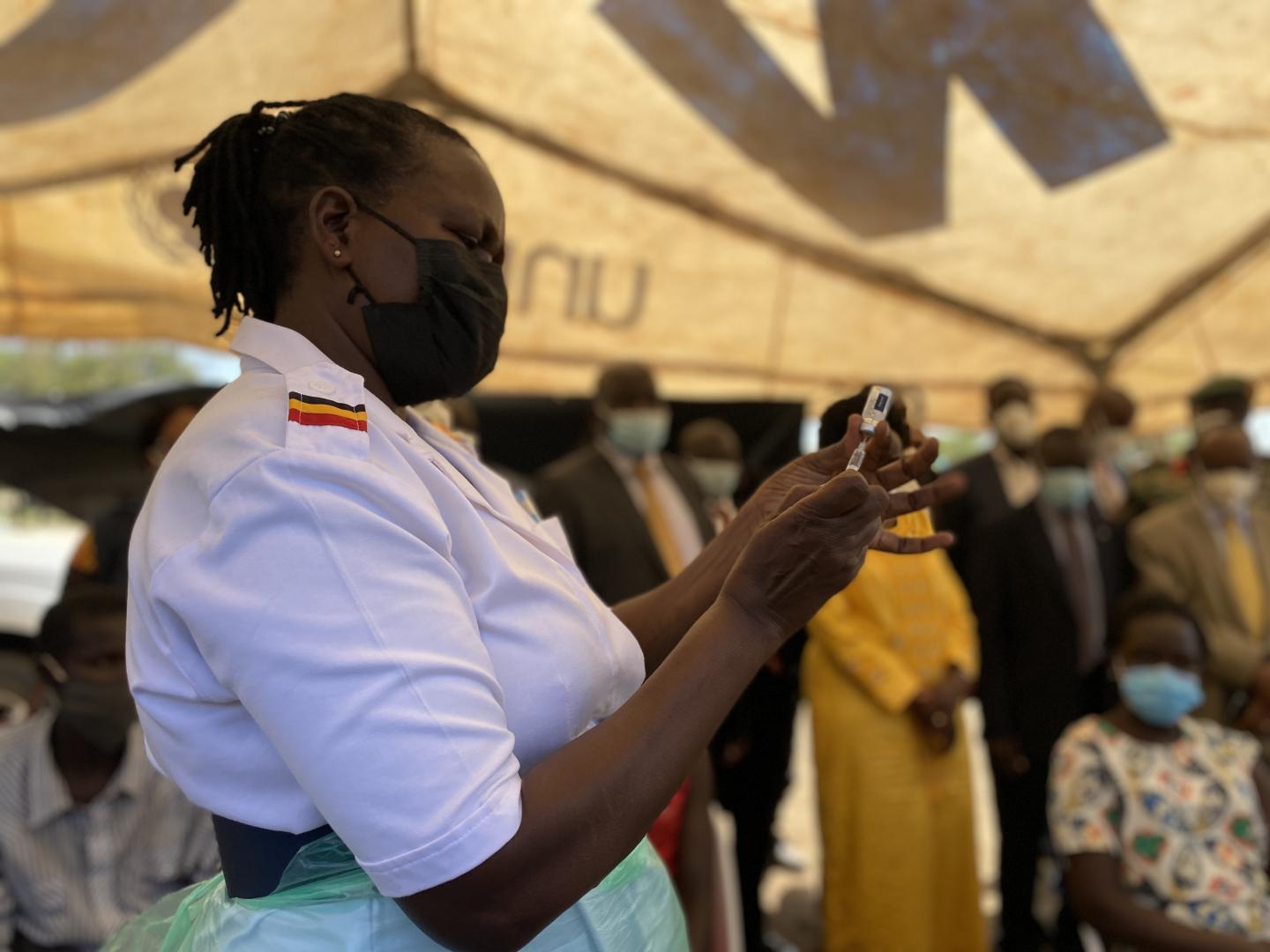
What Vaccinations needed in Uganda
What Vaccinations needed in Uganda
Essential Guide to Vaccinations in Uganda: What You Need to Know Before You Travel
Uganda, often referred to as the “Pearl of Africa,” is a breathtaking destination rich in biodiversity, culture, and adventure. Whether you’re planning a safari in Queen Elizabeth National Park, trekking to see the mountain gorillas in Bwindi Impenetrable Forest, or exploring the vibrant city of Kampala, ensuring your health is protected with the right vaccinations is paramount.
This comprehensive guide provides a detailed overview of the required and recommended vaccinations for travel to Uganda.
Why Are Vaccinations Important for Travel to Uganda?
Uganda is located in East Africa, a region where certain infectious diseases are more prevalent due to climate, sanitation, and local health infrastructure. Vaccinations not only protect the traveler but also help prevent the spread of diseases across borders.
Key Reasons to Get Vaccinated:
- Protect yourself from serious illnesses
- Prevent disease outbreaks
- Comply with Ugandan immigration requirements
- Contribute to global health security
Required Vaccinations for Uganda
1. Yellow Fever (Mandatory)
Uganda requires proof of yellow fever vaccination for all travelers over 1 year of age. This is not optional and is strictly enforced at ports of entry.
- Vaccine Type: Live attenuated
- Validity: Lifetime (as per WHO guidelines)
- Certificate: International Certificate of Vaccination (Yellow Card)
🔗 Learn more about Yellow Fever from WHO
Recommended Vaccinations for Uganda
While only yellow fever is mandatory, several other vaccines are strongly recommended due to the risk of exposure.
2. Hepatitis A
- Transmission: Contaminated food and water
- Recommended for: All travelers
- Dosage: 2 doses, 6 months apart
3. Hepatitis B
- Transmission: Blood, sexual contact
- Recommended for: Long-term travelers, healthcare workers
- Dosage: 3 doses over 6 months
4. Typhoid
- Transmission: Contaminated food and water
- Recommended for: All travelers, especially in rural areas
- Vaccine Options:
- Oral (live, attenuated): 4 capsules
- Injectable (inactivated): Single dose
5. Rabies
- Transmission: Animal bites (dogs, bats, monkeys)
- Recommended for: Adventure travelers, long stays, children
- Dosage: Pre-exposure – 3 doses
6. Meningococcal Meningitis
- Transmission: Respiratory droplets
- Recommended for: Travelers during dry season (Dec–June)
- Vaccine: Quadrivalent (ACWY)
7. Measles, Mumps, and Rubella (MMR)
- Transmission: Airborne
- Recommended for: All travelers not previously immunized
- Dosage: 2 doses
8. Tetanus, Diphtheria, and Pertussis (Tdap)
- Transmission: Cuts, wounds, respiratory droplets
- Recommended for: All travelers
- Booster: Every 10 years
COVID-19 Vaccination
Although no longer mandatory for entry, COVID-19 vaccination is highly recommended due to ongoing global transmission.
- Accepted Vaccines: Pfizer, Moderna, AstraZeneca, Johnson & Johnson, Sinopharm, Sinovac
- Proof: Digital or paper certificate may be requested
🔗 Uganda COVID-19 Travel Updates
Malaria Prevention in Uganda
While not a vaccine, malaria prophylaxis is essential for travel to Uganda.
Recommended Antimalarial Medications:
- Atovaquone-proguanil (Malarone)
- Doxycycline
- Mefloquine (Lariam)
When to Get Vaccinated Before Traveling to Uganda
To ensure full immunity, vaccinations should be completed at least 4–6 weeks before travel. Some vaccines require multiple doses over time.
Suggested Timeline:
- 6 Weeks Before: Rabies, Hepatitis B (first dose), Typhoid (oral)
- 4 Weeks Before: Yellow Fever, Hepatitis A, Meningitis
- 2 Weeks Before: MMR, Tdap booster
- 1 Week Before: Malaria medication (start as directed)
Where to Get Vaccinated
In Your Home Country:
- Travel clinics
- Public health departments
- Private hospitals
In Uganda:
- Kampala International Hospital
- The Surgery Kampala
- Nakasero Hospital
🔗 Travel Health Clinics Worldwide
Special Considerations
For Pregnant Women:
- Avoid live vaccines (e.g., Yellow Fever) unless risk outweighs potential harm
- Consult with a travel medicine specialist
For Children:
- Ensure routine immunizations are up to date
- Yellow fever vaccine is safe for children over 9 months
For Long-Term Travelers:
- Consider booster doses
- Maintain a personal vaccination record
Travel Health Tips for Uganda
- Drink only bottled or purified water
- Avoid raw or undercooked food
- Use insect repellent with DEET
- Sleep under a mosquito net
- Avoid contact with animals
Frequently Asked Questions (FAQ)
1. Is the yellow fever vaccine mandatory for Uganda?
Yes. All travelers over 1 year old must present an International Certificate of Vaccination against yellow fever upon arrival.
2. Can I get vaccinated upon arrival in Uganda?
While some clinics offer vaccinations, it’s highly recommended to get vaccinated before travel to ensure immunity and avoid entry issues.
3. Do I need a COVID-19 test or vaccine to enter Uganda?
As of the latest update, COVID-19 vaccination is recommended but not mandatory. Testing requirements may change, so check official sources before departure.
4. What if I lost my yellow fever certificate?
You may be denied entry. Contact your vaccination provider for a replacement or re-vaccination if necessary.
5. Are malaria pills enough protection?
No. Malaria prophylaxis should be combined with mosquito bite prevention methods like repellents and nets.
Summary Checklist: Vaccinations for Uganda
✅ Required:
- Yellow Fever
✅ Strongly Recommended:
- Hepatitis A & B
- Typhoid
- Rabies
- Meningitis
- MMR
- Tdap
- COVID-19
✅ Additional:
- Malaria prophylaxis
- Routine childhood vaccines
Final Thoughts
Traveling to Uganda is a life-changing experience, but it should never come at the cost of your health. By staying informed and vaccinated, you’re not only protecting yourself but also contributing to the health of the communities you visit.
For the most accurate and personalized advice, always consult a travel medicine specialist or your healthcare provider well in advance of your trip.