
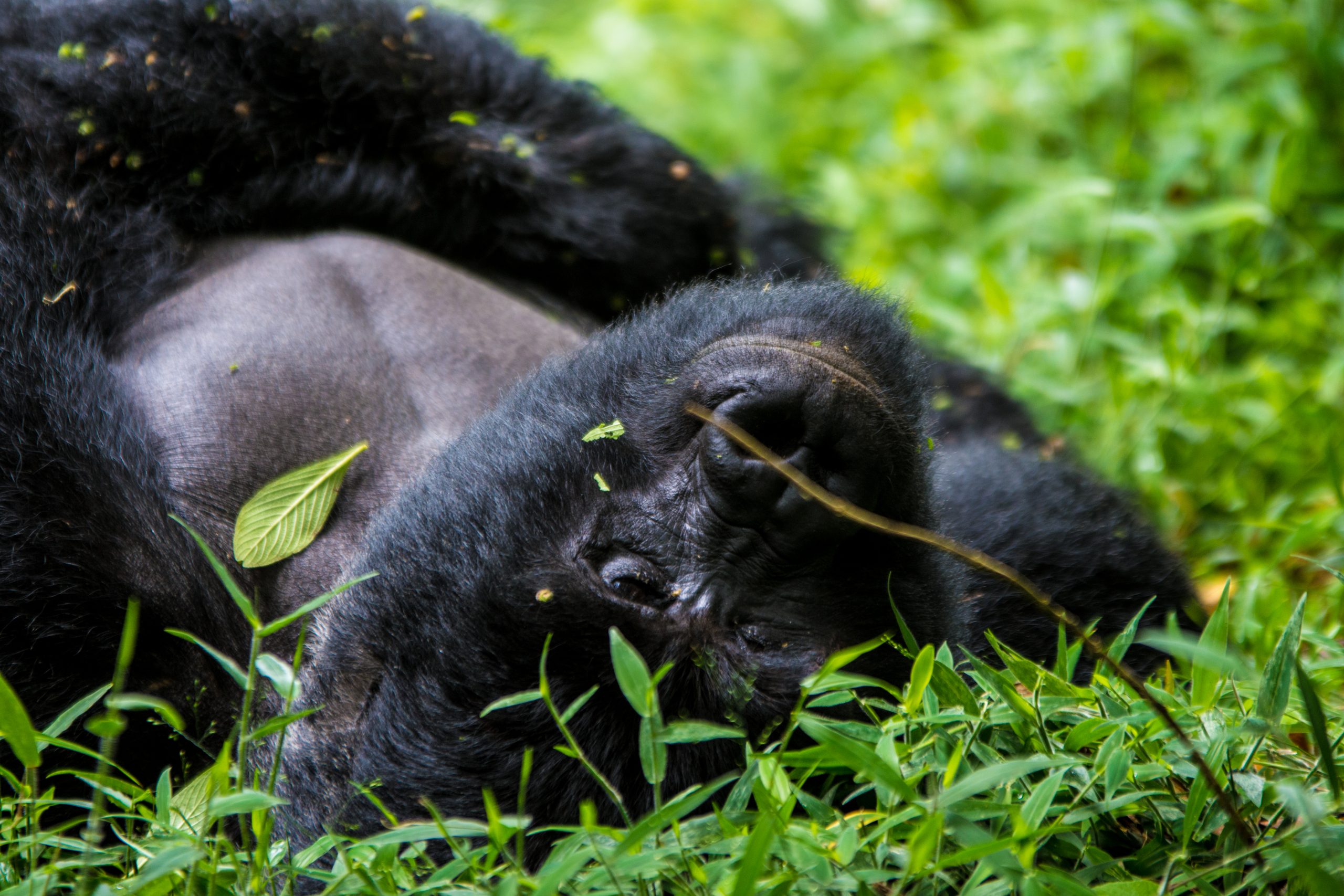
List of Gorilla Types
List of Gorilla Types
The Ultimate Guide to Gorilla Types: Species, Subspecies, and Their Unique Traits
Gorillas are among the most fascinating and majestic primates on Earth. As the largest of the great apes, they share over 98% of their DNA with humans, making them not only biologically close to us but also emotionally resonant. In this comprehensive guide, we will explore the various types of gorillas, their habitats, behaviors, and conservation statuses.
Introduction to Gorillas
Gorillas belong to the genus Gorilla and are native to the lush forests of central Sub-Saharan Africa. They are divided into two main species, each with two subspecies, making a total of four distinct types of gorillas. These gentle giants are known for their intelligence, complex social structures, and critical role in their ecosystems.
Classification of Gorillas
Gorillas are classified into the following:
- Species:
- Gorilla gorilla (Western Gorilla)
- Gorilla beringei (Eastern Gorilla)
- Subspecies:
- Gorilla gorilla gorilla (Western Lowland Gorilla)
- Gorilla gorilla diehli (Cross River Gorilla)
- Gorilla beringei beringei (Mountain Gorilla)
- Gorilla beringei graueri (Eastern Lowland Gorilla or Grauer’s Gorilla)
Let’s delve deeper into each of these gorilla types.
Western Gorilla (Gorilla gorilla)
The western gorilla is the most populous species of gorilla, though still considered critically endangered. It is divided into two subspecies:
1. Western Lowland Gorilla (Gorilla gorilla gorilla)
- Habitat: Dense rainforests and swamps across countries like Cameroon, Gabon, Republic of Congo, and Equatorial Guinea.
- Physical Traits:
- Smaller and lighter than other gorilla types.
- Brownish-gray coat with a reddish forehead.
- Behavior:
- Highly social, living in groups led by a dominant silverback.
- Known for their intelligence and use of tools.
- Conservation Status: Critically Endangered
2. Cross River Gorilla (Gorilla gorilla diehli)
- Habitat: Forested highlands along the Nigeria-Cameroon border.
- Population: Fewer than 300 individuals, making it the rarest gorilla subspecies.
- Distinct Features:
- Smaller skulls and teeth compared to other gorillas.
- Extremely shy and elusive.
- Conservation Efforts:
- Protected areas and community-based conservation programs are in place.
- WWF and other organizations are actively involved in their protection.
Eastern Gorilla (Gorilla beringei)
This species includes the largest and most iconic gorillas, often featured in documentaries and conservation campaigns.
3. Mountain Gorilla (Gorilla beringei beringei)
- Habitat: High-altitude forests in the Virunga Mountains (Rwanda, Uganda, DRC) and Bwindi Impenetrable Forest.
- Physical Characteristics:
- Thick fur to withstand cold mountain climates.
- Stockier build and longer hair.
- Population: Around 1,000 individuals.
- Famous For:
- Dian Fossey’s groundbreaking research and conservation efforts.
- Featured in the film Gorillas in the Mist.
- Tourism Impact:
- Gorilla trekking has become a major source of income for local economies and conservation funding.
- Learn more about gorilla trekking in Rwanda.
4. Eastern Lowland Gorilla (Gorilla beringei graueri)
- Also Known As: Grauer’s Gorilla
- Habitat: Lowland tropical forests of eastern Democratic Republic of Congo.
- Size: Largest of all gorilla subspecies.
- Behavior:
- Live in larger groups than mountain gorillas.
- Diet includes more fruit due to habitat differences.
- Threats:
- Armed conflict, mining, and poaching.
- Habitat destruction due to illegal logging.
- Conservation Status: Critically Endangered
Distribution Map of Gorilla Types
| Gorilla Type | Region | Countries |
|---|---|---|
| Western Lowland | Western Central Africa | Cameroon, Gabon, Congo |
| Cross River | Nigeria-Cameroon Border | Nigeria, Cameroon |
| Mountain Gorilla | Virunga Mountains, Bwindi | Rwanda, Uganda, DRC |
| Eastern Lowland | Eastern DRC | Democratic Republic of Congo |
Behavioral Traits of Gorillas
Gorillas are not just physically impressive; they are also emotionally and socially complex. Here are some fascinating behaviors observed across different gorilla types:
- Tool Use: Western lowland gorillas have been observed using sticks to gauge water depth.
- Communication:
- Over 25 distinct vocalizations.
- Use of gestures and facial expressions.
- Social Structure:
- Groups (called troops) are led by a dominant silverback.
- Females care for young; juveniles play to develop social skills.
🌿 Diet and Ecology
Gorillas are primarily herbivorous, but their diets vary by subspecies and habitat:
- Mountain Gorillas:
- Diet: Leaves, stems, bark, and roots.
- Rarely eat fruit due to high-altitude habitat.
- Lowland Gorillas:
- Diet: Fruits, seeds, and occasional insects.
- More diverse diet due to forest biodiversity.
🔥 Threats to Gorilla Populations
Despite their strength, gorillas are vulnerable to numerous threats:
- Habitat Loss:
- Logging and agriculture reduce forest cover.
- Poaching:
- Bushmeat trade and illegal pet trade.
- Disease:
- Ebola and respiratory infections have devastated populations.
- Climate Change:
- Alters food availability and habitat conditions.
🛡️ Conservation Efforts and Organizations
Several global and local organizations are working tirelessly to protect gorillas:
Key Conservation Initiatives:
- Protected Areas:
- Virunga National Park, Bwindi Impenetrable Forest, and others.
- Community Engagement:
- Eco-tourism and education programs.
- Research and Monitoring:
- Long-term studies by organizations like the Dian Fossey Gorilla Fund.
Major Organizations:
Gorilla Population Estimates (2024)
| Subspecies | Estimated Population |
|---|---|
| Western Lowland | ~100,000 |
| Cross River | < 300 |
| Mountain Gorilla | ~1,000 |
| Eastern Lowland | ~3,800 |
Interesting Facts About Gorillas
- Gorillas can live up to 40 years in the wild.
- They build new nests every night from leaves and branches.
- A silverback can weigh up to 200 kg and stand 1.8 meters tall.
- Gorillas mourn their dead and exhibit signs of empathy.
❓ FAQ: Frequently Asked Questions About Gorilla Types
1. What is the most endangered type of gorilla?
The Cross River Gorilla is the most endangered, with fewer than 300 individuals remaining in the wild.
2. How can I help protect gorillas?
You can support conservation organizations, adopt a gorilla symbolically, avoid products linked to deforestation, and promote responsible tourism like gorilla trekking.
3. Are gorillas aggressive?
Gorillas are generally peaceful and shy. Aggression is rare and usually limited to displays by silverbacks to protect their troop.
4. Can gorillas be kept as pets?
No. Keeping gorillas as pets is illegal and unethical. They are wild animals and require complex social and environmental conditions.
5. How intelligent are gorillas?
Gorillas are highly intelligent. They can learn sign language, use tools, and demonstrate problem-solving skills. Famous gorillas like Koko have shown the ability to communicate with humans.
Conclusion
Understanding the different types of gorillas is crucial not only for appreciating their diversity but also for ensuring their survival. From the elusive Cross River gorilla to the iconic mountain gorilla, each subspecies plays a vital role in its ecosystem. Conservation efforts, education, and responsible tourism are key to preserving these magnificent creatures for future generations.