
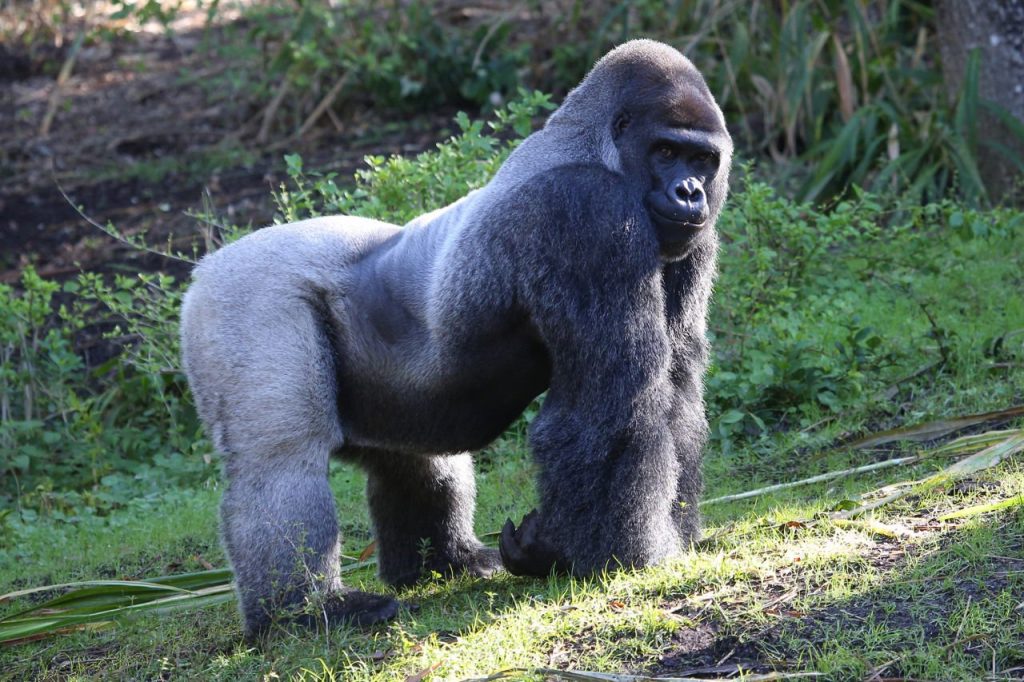
Eastern Gorilla
Eastern Gorilla
Eastern Gorilla: The Majestic Giant of Central Africa
Introduction
The Eastern gorilla (Gorilla beringei) is one of the most awe-inspiring primates on Earth. As the largest living primate, it embodies strength, intelligence, and a deep connection to the lush, mountainous regions of Central and East Africa. Despite its grandeur, this species faces critical threats that have placed it on the edge of extinction. In this comprehensive guide, we delve into the intricate world of the Eastern gorilla, exploring its habitat, behavior, conservation status, and the efforts being made to protect it.
Taxonomy and Classification
The Eastern gorilla belongs to the family Hominidae and the genus Gorilla. It is divided into two subspecies:
- Mountain gorilla (Gorilla beringei beringei)
- Grauer’s gorilla (Gorilla beringei graueri), also known as the eastern lowland gorilla
These subspecies are geographically and genetically distinct, yet both are critically endangered.
Physical Characteristics
Eastern gorillas are known for their robust build and striking physical features. Key traits include:
- Size: Adult males can weigh up to 200 kg (440 lbs), while females are significantly smaller.
- Coloration: Their fur is darker than that of their western relatives, often jet black.
- Silverbacks: Mature males develop a silver-gray saddle on their back, signaling dominance and maturity.
- Facial Features: They have a broad chest, large hands, and a pronounced brow ridge.
Their physical strength is unmatched among primates, yet their demeanor is predominantly gentle and reserved.
Habitat and Distribution
Eastern gorillas inhabit the dense forests and mountainous regions of:
- The Democratic Republic of the Congo (DRC)
- Rwanda
- Uganda
Key Habitats
- Virunga Mountains: Home to the mountain gorilla, this volcanic range spans Rwanda, Uganda, and the DRC.
- Kahuzi-Biéga National Park: A stronghold for the Grauer’s gorilla in eastern DRC.
These regions are characterized by:
- High altitudes (up to 4,000 meters)
- Dense vegetation
- Cool, moist climates
Due to habitat fragmentation, their range has significantly decreased over the past decades.
Diet and Feeding Habits
Eastern gorillas are primarily herbivorous, with a diet that varies by subspecies and habitat.
Common Food Sources
- Leaves
- Stems
- Bark
- Fruit (more common among Grauer’s gorillas)
- Wild celery and thistles
They spend a significant portion of the day foraging and feeding, consuming up to 30 kg (66 lbs) of vegetation daily.
Social Structure and Behavior
Eastern gorillas live in cohesive family groups led by a dominant silverback. These groups typically include:
- 1 dominant male
- Several adult females
- Offspring of various ages
- Occasionally subordinate males (blackbacks)
Behavioral Traits
- Communication: Through vocalizations, chest beating, facial expressions, and body postures.
- Grooming: Reinforces social bonds and hygiene.
- Nest Building: Constructed daily from vegetation for sleeping.
Their social dynamics are complex and deeply emotional, often compared to human family structures.
Reproduction and Life Cycle
Eastern gorillas have a slow reproductive rate, which contributes to their vulnerability.
Reproductive Facts
- Gestation: Approximately 8.5 months
- Birth Interval: Typically one infant every 4–6 years
- Infant Dependency: Young gorillas remain dependent on their mothers for up to 3 years
Life Stages
- Infant: Birth to 3 years
- Juvenile: 3 to 6 years
- Subadult: 6 to 10 years
- Adult: 10+ years
Males reach full maturity around 15 years and may leave their natal group to form their own.
Threats and Conservation
The Eastern gorilla is listed as Critically Endangered by the IUCN. Major threats include:
Human-Induced Threats
- Poaching: For bushmeat and illegal pet trade
- Habitat Destruction: Due to agriculture, mining, and logging
- Civil Unrest: Armed conflicts in the region disrupt conservation efforts
- Disease: Especially Ebola and human-transmitted illnesses
Conservation Efforts
- Protected Areas: National parks like Virunga and Bwindi
- Anti-Poaching Patrols: Rangers monitor and protect gorilla families
- Community Engagement: Involving local populations in conservation
- International Support: NGOs such as the Dian Fossey Gorilla Fund and WWF
Despite these efforts, the population continues to decline, particularly for Grauer’s gorilla.
Ecotourism and Human Interaction
Responsible ecotourism has become a vital tool in gorilla conservation.
Benefits of Gorilla Tourism
- Economic Incentives: Provides income for local communities
- Funding Conservation: Park fees support protection efforts
- Awareness: Educates tourists about the plight of gorillas
Guidelines for Visitors
- Maintain a safe distance
- Wear masks to prevent disease transmission
- Limit group sizes and visit duration
Properly managed tourism has helped stabilize mountain gorilla numbers in recent years.
The Role of Eastern Gorillas in Ecosystems
Eastern gorillas are keystone species, playing a crucial role in forest ecology.
Ecological Contributions
- Seed Dispersal: Through their feces, they help regenerate forests
- Vegetation Control: Their feeding habits shape plant communities
- Biodiversity Support: Their presence supports a wide range of other species
Their decline could trigger cascading effects throughout their ecosystems.
How to Help Save Eastern Gorillas
You can contribute to the survival of Eastern gorillas in various ways:
Support Conservation Organizations
Advocate and Educate
- Share information on social media
- Support policies that protect wildlife
- Educate others about sustainable tourism
Ethical Consumption
- Avoid products linked to deforestation
- Choose conflict-free electronics (reduce demand for coltan)
Volunteer or Donate
- Participate in conservation programs
- Fundraise for gorilla protection initiatives
Every action, no matter how small, contributes to the preservation of these magnificent creatures.
Frequently Asked Questions
1. What is the difference between Eastern and Western gorillas?
Eastern gorillas are generally larger, with darker fur and a more restricted range. They include the mountain and Grauer’s gorilla, while Western gorillas include the western lowland and Cross River gorilla.
2. How many Eastern gorillas are left in the wild?
As of recent estimates:
- Mountain gorillas: Around 1,000 individuals
- Grauer’s gorillas: Fewer than 3,800 individuals
3. Are Eastern gorillas dangerous to humans?
No, they are typically shy and non-aggressive. Conflicts usually arise only when they feel threatened. With proper behavior, gorilla encounters are safe and peaceful.
4. Why are Eastern gorillas endangered?
They face multiple threats including habitat loss, poaching, disease, and political instability in their native regions.
5. Can Eastern gorillas be kept in captivity?
Mountain gorillas have never survived long in captivity. Conservationists focus on protecting them in the wild, where they thrive in their natural environment.
Conclusion
The Eastern gorilla is a symbol of nature’s grandeur and fragility. As the largest primate, it commands respect and admiration, yet its survival hangs by a thread. Through concerted global efforts, community involvement, and responsible tourism, there is hope for the future of this extraordinary species.
Let us not allow the silence of the forest to be the last echo of the Eastern gorilla. Act now, spread awareness, and be part of the movement to preserve one of Earth’s most iconic animals.