
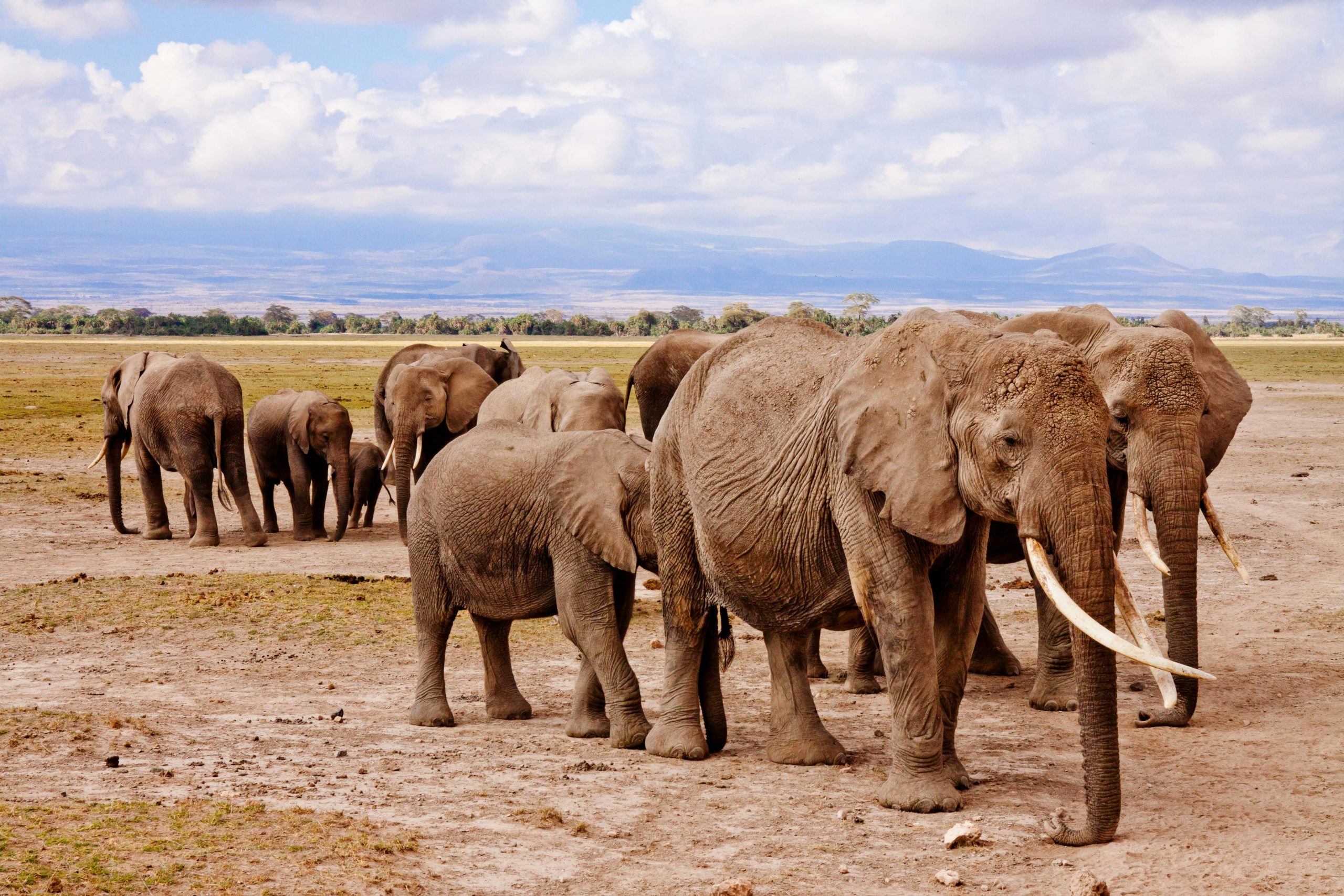
Elephant Tusks
Elephant Tusks
The Untold Story of Elephant Tusks: Evolution, Trade, and Conservation
Introduction
Elephant tusks have long captivated human imagination, symbolizing both nature’s grandeur and the darker side of human exploitation. These elongated incisor teeth, composed of ivory, have played a pivotal role in the cultural, economic, and ecological narratives of our planet. From ancient artifacts to modern conservation crises, the journey of the elephant tusk is as intricate as it is tragic.
In this comprehensive guide, we explore the biological significance of tusks, their historical and contemporary uses, the devastating impact of the ivory trade, and the global efforts to protect elephants from extinction. Whether you’re a wildlife enthusiast, a conservationist, or simply curious, this article will provide deep insights into one of the most iconic features of the animal kingdom.
What Are Elephant Tusks?
Elephant tusks are actually modified incisor teeth that continuously grow throughout an elephant’s life. Unlike horns, which are made of keratin (like human fingernails), tusks are composed of dense ivory—a material prized for its smooth texture and workability.
Biological Functions of Tusks
Tusks serve multiple purposes in the daily life of an elephant:
- Digging for water, salt, and roots
- Stripping bark from trees for food
- Defense against predators and rivals
- Lifting and moving objects
- Marking territory by scraping trees
Interestingly, not all elephants grow tusks. In African elephants, both males and females may have them, while in Asian elephants, typically only males do.
The Evolution of Elephant Tusks
Tusks evolved over millions of years as a survival adaptation. Paleontological evidence suggests that early proboscideans (the order to which elephants belong) had small tusks or none at all. Over time, natural selection favored individuals with longer, stronger tusks, which provided advantages in foraging and defense.
However, in recent decades, human pressures have reversed this trend. In regions heavily affected by poaching, a growing number of elephants are being born tuskless—a phenomenon known as “unnatural selection.”
Ivory: The Double-Edged Legacy
Ivory has been used by humans for over 30,000 years. From prehistoric carvings to piano keys and religious artifacts, its cultural and economic value is undeniable. But this demand has come at a steep cost.
Historical Uses of Ivory
- Ancient Egypt: Used for jewelry and ceremonial objects
- China: Intricate carvings and religious statues
- Europe: Piano keys, billiard balls, and luxury items
- Africa: Trade and symbolic artifacts
The ivory trade flourished during colonial times, leading to the mass slaughter of elephants across the continent.
The Modern Ivory Trade Crisis
Despite international bans, the illegal ivory trade continues to thrive. According to CITES, tens of thousands of elephants are killed each year for their tusks. This black market is fueled by demand in parts of Asia, where ivory is still seen as a status symbol.
Key Drivers of the Illegal Trade
- High market value of ivory
- Weak law enforcement in source countries
- Corruption and organized crime networks
- Cultural demand for ivory products
The consequences are dire—not just for elephants, but for entire ecosystems that depend on them.
Conservation Efforts and Global Bans
In response to the crisis, numerous organizations and governments have taken action to curb the ivory trade and protect elephant populations.
Major Conservation Initiatives
- CITES Ban: The 1989 international ban on ivory trade
- National Bans: Countries like China and the U.S. have enacted domestic bans
- Anti-Poaching Units: Armed rangers protecting wildlife reserves
- Community-Based Conservation: Empowering local communities to protect elephants
Organizations like the World Wildlife Fund and Save the Elephants are at the forefront of these efforts.
Tuskless Elephants: Evolution in Real Time
In regions like Mozambique’s Gorongosa National Park, researchers have observed a sharp increase in tuskless female elephants. This is a direct result of poaching, which disproportionately targets tusked individuals.
Implications of Tusklessness
- Genetic bottlenecking
- Altered social dynamics
- Impact on ecosystem roles (e.g., tree felling, seed dispersal)
While tusklessness may help elephants survive poaching, it raises concerns about long-term ecological balance.
Ethical Tourism and Elephant Sanctuaries
Tourism can be a double-edged sword. When done ethically, it provides funding for conservation and raises awareness. However, exploitative tourism—such as elephant rides and circuses—can harm the very animals it claims to celebrate.
How to Support Ethical Elephant Tourism
- Choose sanctuaries that prohibit elephant riding
- Look for accreditation from organizations like Global Federation of Animal Sanctuaries
- Support local conservation initiatives
- Educate others about responsible wildlife tourism
The Role of Technology in Elephant Conservation
Modern technology is playing a critical role in the fight to save elephants.
Innovative Tools Being Used
- GPS Tracking Collars: Monitor elephant movements
- Drones: Detect poachers in real-time
- AI and Big Data: Predict poaching hotspots
- DNA Analysis: Trace ivory back to its source
These tools are helping conservationists stay one step ahead of poachers.
Cultural Significance of Elephant Tusks
In many cultures, elephant tusks are more than just ivory—they are symbols of power, wisdom, and spirituality.
Cultural Representations
- Africa: Emblems of royalty and tribal leadership
- India: Associated with Lord Ganesha, the elephant-headed god
- China: Status symbols and spiritual artifacts
While these traditions are rich and meaningful, they must evolve to reflect modern conservation ethics.
How You Can Help
You don’t have to be a scientist or a ranger to make a difference.
Ways to Contribute
- Avoid buying ivory or products made from it
- Donate to reputable conservation organizations
- Advocate for stronger wildlife protection laws
- Educate others about the plight of elephants
- Support eco-tourism and ethical travel
Every action counts in the global effort to protect these majestic creatures.
Frequently Asked Questions (FAQ)
1. Why do elephants have tusks?
Elephants use tusks for various purposes including digging, foraging, defense, and social interactions. They are essentially elongated incisor teeth made of ivory.
2. Are all elephants born with tusks?
No. In African elephants, both males and females may have tusks, while in Asian elephants, typically only males do. In some populations, especially those affected by poaching, tusklessness is becoming more common.
3. Is it illegal to buy ivory?
Yes, in many countries. The CITES treaty bans international ivory trade, and nations like the U.S., China, and the U.K. have enacted domestic bans as well.
4. How can I tell if a product is made from real ivory?
Real ivory has a unique cross-hatch pattern known as Schreger lines. However, identifying ivory can be difficult, and it’s best to avoid any products that may contain it.
5. What is being done to stop elephant poaching?
Global efforts include international trade bans, anti-poaching patrols, community conservation programs, and technological innovations like GPS tracking and AI surveillance.
Conclusion
Elephant tusks are more than just ivory—they are a testament to the majesty and complexity of one of Earth’s most intelligent species. As we grapple with the consequences of centuries of exploitation, it’s crucial to shift from admiration to action. Through education, advocacy, and responsible choices, we can ensure that future generations will know elephants not as relics of the past, but as thriving symbols of resilience and beauty.