
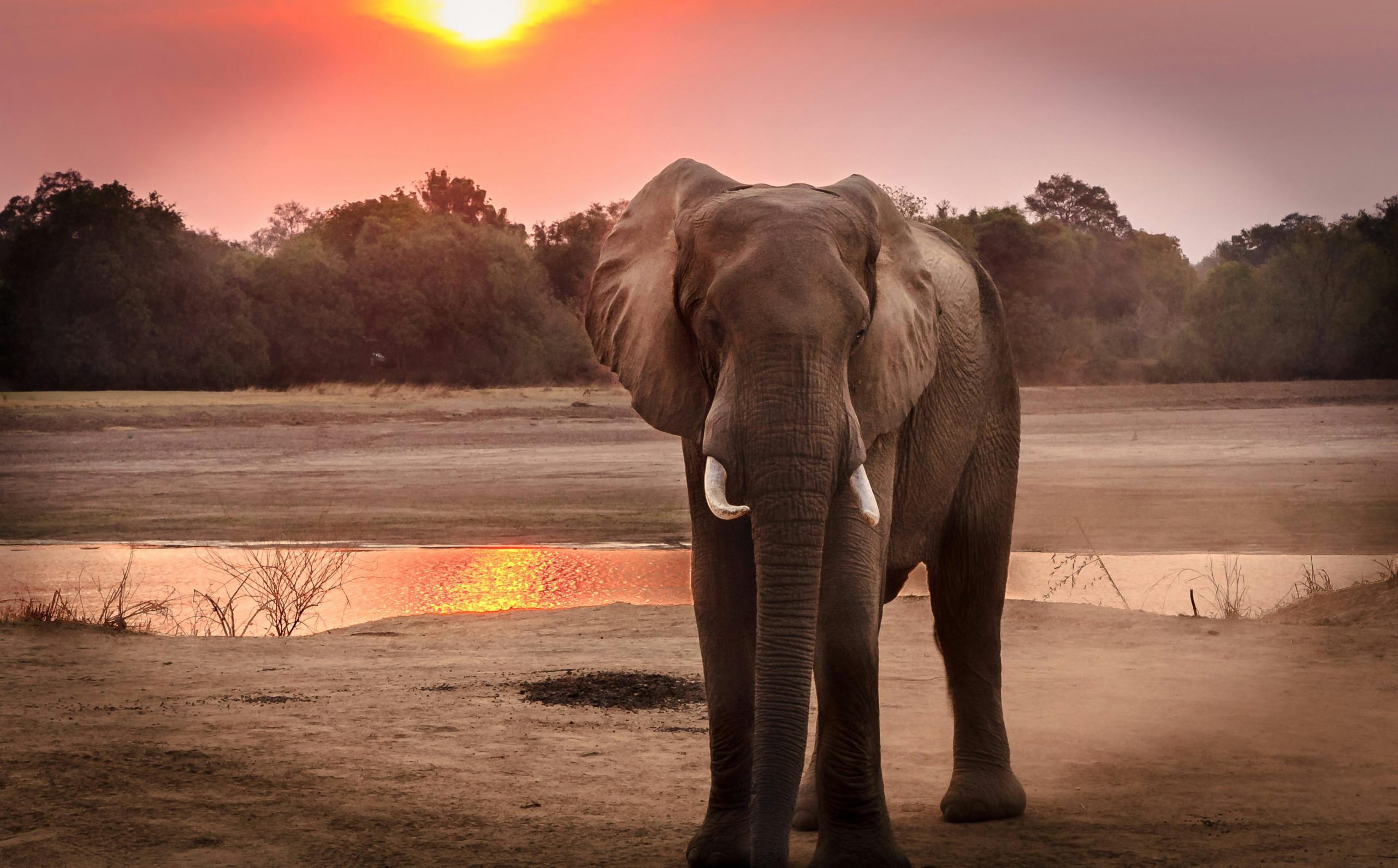
Elephant Population
Elephant Population
The Elephant Population Crisis: A Deep Dive into Conservation, Challenges, and Hope
Introduction
The majestic elephant, a symbol of wisdom, strength, and memory, is facing an unprecedented crisis. Once roaming freely across vast landscapes, the global elephant population has plummeted due to a combination of poaching, habitat loss, and human-wildlife conflict. This comprehensive article explores the current state of elephant populations, the multifaceted threats they face, and the global efforts to ensure their survival.
Understanding Elephant Species and Their Distribution
There are three main species of elephants:
- African Savannah Elephant (Loxodonta africana)
- African Forest Elephant (Loxodonta cyclotis)
- Asian Elephant (Elephas maximus)
African Elephants
The African elephant is the largest land mammal on Earth. These giants are split into two subspecies:
- Savannah Elephants: Found in the grasslands and open plains of sub-Saharan Africa.
- Forest Elephants: Smaller and more elusive, residing in the dense tropical forests of Central and West Africa.
Asian Elephants
Smaller than their African cousins, Asian elephants are found in fragmented populations across 13 countries in South and Southeast Asia. They are highly endangered due to habitat fragmentation and human encroachment.
The Decline of Elephant Populations: A Global Concern
Historical Context
In the early 20th century, millions of elephants roamed across Africa and Asia. Today, their numbers have dwindled dramatically:
- African elephants: From an estimated 10 million in 1930 to around 415,000 today.
- Asian elephants: Fewer than 50,000 remain in the wild.
Causes of Decline
1. Poaching for Ivory
The illegal ivory trade has decimated elephant populations. Despite international bans, the demand for ivory—especially in parts of Asia—fuels a black market that continues to thrive.
2. Habitat Loss
Deforestation, agricultural expansion, and urban development have led to the fragmentation of elephant habitats. This not only reduces their range but also isolates populations, making breeding and migration difficult.
3. Human-Elephant Conflict
As human settlements expand into elephant territories, conflicts arise. Elephants raid crops, leading to retaliatory killings by farmers. In some regions, this conflict is the leading cause of elephant mortality.
4. Climate Change
Changing weather patterns affect the availability of water and food sources. Droughts and desertification further stress elephant populations, particularly in arid regions.
Conservation Efforts: Turning the Tide
International Legislation
- CITES (Convention on International Trade in Endangered Species): Regulates the international trade of elephant ivory and body parts.
- IUCN Red List: Lists African forest elephants as critically endangered and savannah elephants as endangered.
Anti-Poaching Initiatives
- Deployment of armed rangers and surveillance drones.
- Use of AI and satellite technology to monitor elephant movements and detect poachers.
- Community-based conservation programs that engage local populations in protection efforts.
Habitat Restoration
- Creation of wildlife corridors to connect fragmented habitats.
- Reforestation projects in key elephant ranges.
- Protected areas and national parks expansion.
Education and Awareness
- Global campaigns to reduce ivory demand.
- School programs and documentaries to foster empathy and understanding.
- Celebrity endorsements and social media activism.
The Role of Technology in Elephant Conservation
GPS Tracking and Collaring
Modern conservationists use GPS collars to monitor elephant movements in real-time. This data helps prevent human-elephant conflict and poaching.
AI and Machine Learning
AI-powered tools analyze patterns in poaching activity, helping authorities predict and prevent future incidents.
Drones and Surveillance
Drones provide aerial surveillance of vast landscapes, offering a cost-effective way to monitor elephant herds and detect illegal activities.
Success Stories: Glimmers of Hope
Botswana
Home to the largest elephant population in Africa, Botswana has implemented strict anti-poaching laws and community-based conservation programs. As a result, its elephant numbers have remained relatively stable.
India
In regions like Kerala and Karnataka, elephant corridors have been established to facilitate safe migration. These efforts have significantly reduced human-elephant conflict.
Kenya
Organizations like the David Sheldrick Wildlife Trust have rescued and rehabilitated orphaned elephants, reintroducing them into the wild.
The Economic and Ecological Importance of Elephants
Ecotourism
Elephants are a major draw for tourists in Africa and Asia. Responsible tourism generates revenue that supports conservation efforts and local economies.
Keystone Species
Elephants play a crucial role in maintaining the ecological balance:
- They disperse seeds over large distances.
- Their movements shape landscapes and create water holes.
- They maintain open grasslands by trampling overgrowth.
Challenges Ahead
Despite progress, many challenges remain:
- Corruption and lack of enforcement in some regions.
- Continued demand for ivory and elephant products.
- Political instability in key elephant range states.
- Limited funding for conservation projects.
What Can You Do to Help?
Support Ethical Organizations
- Donate to reputable conservation groups like WWF, Save the Elephants, and Elephant Voices.
Say No to Ivory
- Avoid purchasing ivory products.
- Educate others about the impact of the ivory trade.
Advocate for Policy Change
- Support legislation that protects wildlife.
- Pressure governments to enforce anti-poaching laws.
Volunteer and Educate
- Participate in conservation programs.
- Share information on social media to raise awareness.
Future Outlook: Can Elephants Be Saved?
The future of elephants depends on global cooperation, local engagement, and sustained commitment. With the right policies, technologies, and public support, it is possible to halt the decline and ensure that future generations can witness these magnificent creatures in the wild.
Frequently Asked Questions (FAQ)
1. Why are elephants important to the environment?
Elephants are considered keystone species, meaning their presence and behavior have a significant impact on their ecosystems. They help maintain biodiversity by:
- Dispersing seeds
- Creating water sources
- Maintaining grasslands
2. How many elephants are left in the wild?
As of the latest estimates:
- African elephants: ~415,000
- Asian elephants: <50,000
These numbers continue to decline due to poaching and habitat loss.
3. What is being done to stop elephant poaching?
Efforts include:
- Anti-poaching patrols
- Use of drones and AI
- Stronger laws and penalties
- Community engagement programs
4. Can elephants be domesticated?
While Asian elephants have been used in logging and tourism, they are not truly domesticated. Captivity often leads to poor welfare and psychological stress.
5. How can I help protect elephants?
You can:
- Donate to conservation groups
- Avoid ivory products
- Support eco-tourism
- Educate others about elephant conservation