
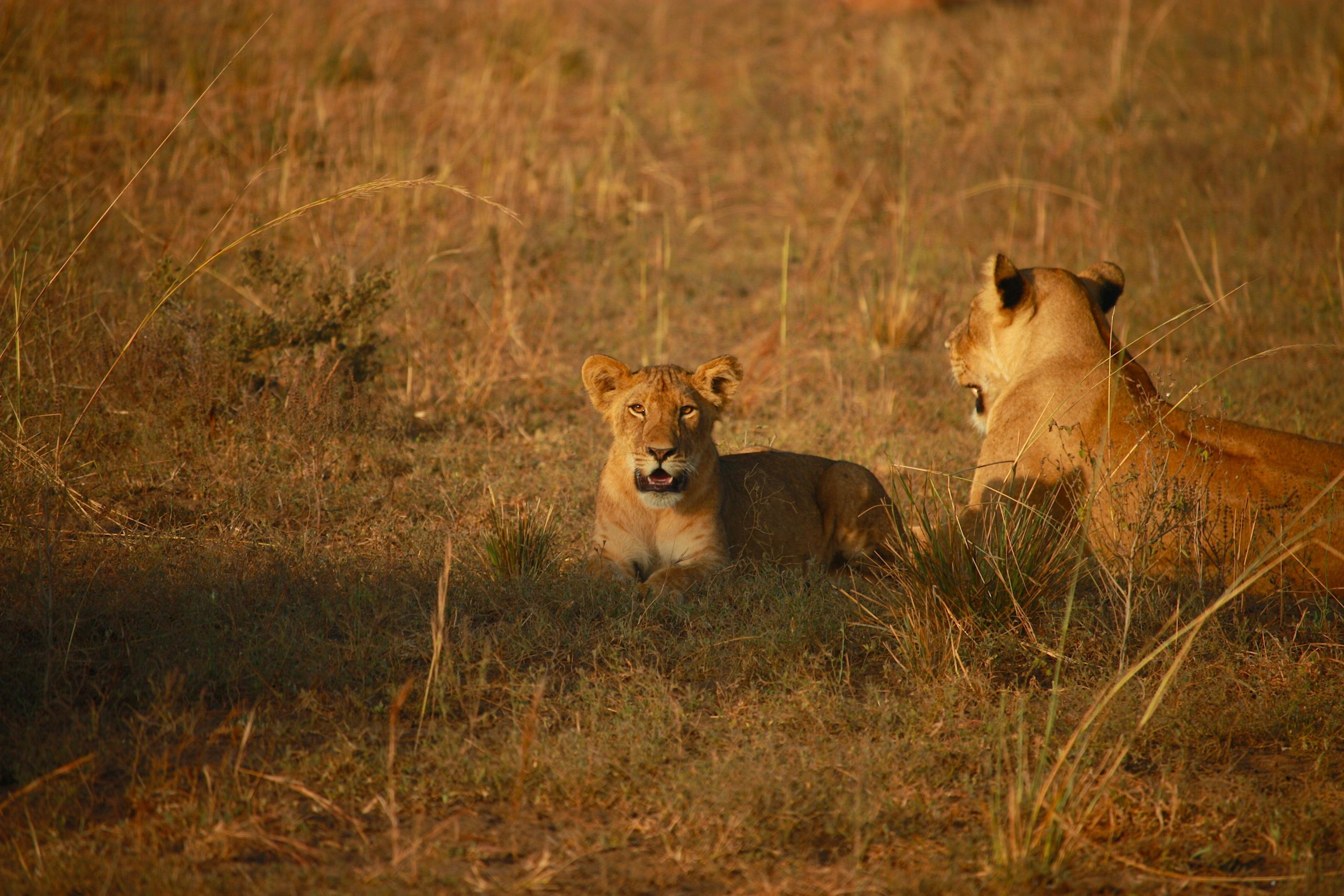
Lion Species
Lion Species
The Majestic World of Lion Species: A Deep Dive into the Kings of the Wild
Introduction
Lions, often hailed as the “kings of the jungle,” are among the most iconic and powerful animals on the planet. Their regal presence, social structure, and ecological importance make them a cornerstone of the African savanna and beyond. While many people are familiar with the African lion, few realize the diversity within lion populations and the unique environments they inhabit—including the lesser-known but significant lion populations in Uganda and Rwanda.
This article explores the various lion species and subspecies, their evolutionary history, habitats, and the critical conservation efforts underway to protect them. We’ll also delve into the role of Uganda and Rwanda in lion conservation, showcasing how these East African nations are becoming pivotal players in the survival of this majestic predator.
The Evolutionary Journey of Lions
Origins and Ancestry
Lions belong to the genus Panthera, which also includes tigers, leopards, and jaguars. Their evolutionary roots trace back nearly 2 million years, with fossil records indicating that lions once roamed across Africa, Europe, Asia, and North America.
- Panthera leo is the scientific name for the modern lion.
- The earliest lion fossils, such as Panthera leo fossilis, were found in Europe.
- Lions diverged from a common ancestor with tigers approximately 2 million years ago.
Extinct Lion Species
Several lion species have gone extinct, including:
- Panthera leo spelaea – The Eurasian cave lion, once found across Europe and parts of Asia.
- Panthera leo atrox – The American lion, one of the largest felines ever known.
These extinct species help scientists understand the adaptability and historical range of lions.
Modern Lion Species and Subspecies
Currently, lions are classified into two main subspecies:
1. African Lion (Panthera leo leo)
This is the most widespread and recognized subspecies, found across sub-Saharan Africa. Within this group, regional populations exhibit unique traits and behaviors.
Key African Lion Populations:
- West African Lion – Critically endangered and found in isolated populations.
- Central African Lion – Inhabits regions like Chad and the Central African Republic.
- East African Lion – Common in Kenya, Tanzania, Uganda, and Rwanda.
- Southern African Lion – Found in Botswana, Namibia, Zimbabwe, and South Africa.
2. Asiatic Lion (Panthera leo persica)
Surviving only in the Gir Forest of India, the Asiatic lion is smaller and less social than its African counterpart.
Lions in Uganda and Rwanda
Uganda: The Pearl of Africa’s Lion Strongholds
Uganda is home to a significant population of African lions, particularly in its national parks and wildlife reserves. The country plays a vital role in East African lion conservation.
Key Lion Habitats in Uganda:
- Queen Elizabeth National Park
Home to the famous tree-climbing lions of Ishasha, a rare behavior observed in only a few lion populations globally. - Murchison Falls National Park
Uganda’s largest national park, offering a rich ecosystem where lions coexist with elephants, giraffes, and buffalo. - Kidepo Valley National Park
A remote and pristine park in northeastern Uganda, often referred to as Africa’s hidden gem for wildlife viewing.
Conservation Challenges in Uganda:
- Human-wildlife conflict due to livestock predation
- Habitat encroachment from agriculture
- Poisoning and retaliatory killings
Conservation Initiatives:
- Uganda Wildlife Authority (UWA) – Implements anti-poaching patrols and community sensitization.
- Community Tourism Projects – Encourage locals to benefit economically from lion conservation.
Rwanda: A Lion Conservation Success Story
Rwanda, known for its mountain gorillas, is also making headlines for its lion conservation efforts, particularly in Akagera National Park.
Akagera National Park:
- Located in eastern Rwanda, Akagera is a savanna ecosystem that was once home to a thriving lion population.
- Lions were extirpated in the 1990s due to the Rwandan genocide and subsequent human settlement.
- In 2015, lions were reintroduced from South Africa in a landmark conservation effort.
Reintroduction Success:
- The initial group of seven lions has since grown, with the population now exceeding 50 individuals.
- Akagera is now one of the few places in Rwanda where visitors can see the “Big Five.”
Conservation Strategies:
- African Parks – Manages Akagera in partnership with the Rwandan government.
- Use of GPS collars to monitor lion movements
- Community engagement to reduce human-lion conflict
Lion Behavior and Social Structure
Pride Dynamics
Lions are the only truly social big cats, living in groups called prides. These groups typically consist of:
- 1–3 adult males
- 5–10 females
- Cubs of various ages
Roles in the Pride:
- Males: Protect the pride and territory
- Females: Hunt and rear cubs
Hunting and Diet
Lions primarily hunt large herbivores such as:
- Zebras
- Wildebeests
- Buffalo
- Antelope
They often hunt in groups, using strategic ambush techniques to bring down prey.
Physical Characteristics
General Features:
- Males: Weigh 150–250 kg, with a prominent mane
- Females: Weigh 120–180 kg, more agile and responsible for hunting
- Lifespan: 10–14 years in the wild
Mane and Sexual Selection
The lion’s mane serves as a visual indicator of health and virility. In warmer climates like Uganda and Rwanda, manes tend to be shorter and less dense.
Conservation Status and Threats
Global Threats:
- Habitat Loss – Due to agriculture and urbanization
- Poaching – For traditional medicine and bushmeat trade
- Trophy Hunting – Legal in some areas but controversial
- Human-Wildlife Conflict – Especially in areas with livestock farming
Regional Threats in Uganda and Rwanda:
- Encroachment into protected areas
- Limited genetic diversity in reintroduced populations
- Lack of funding for conservation programs
Conservation Organizations:
Cultural Significance of Lions
Lions hold deep cultural and spiritual significance in many African societies:
- Uganda: Lions are featured on the national coat of arms, symbolizing strength and sovereignty.
- Rwanda: Lions are seen as symbols of resilience and rebirth, especially after their successful reintroduction.
Across the continent, lions are revered in folklore, art, and oral traditions.
The Future of Lions in Uganda and Rwanda
Both Uganda and Rwanda are emerging as key players in lion conservation. Their efforts demonstrate that with political will, community involvement, and international support, lion populations can recover and thrive.
What You Can Do:
- Visit national parks and support eco-tourism
- Donate to conservation organizations
- Educate others about the importance of lions
- Advocate for stronger wildlife protection laws
Frequently Asked Questions (FAQ)
1. Are there lions in Uganda?
Yes, Uganda is home to several lion populations, particularly in Queen Elizabeth, Murchison Falls, and Kidepo Valley national parks.
2. Are lions native to Rwanda?
Yes, lions were historically native to Rwanda but were extirpated in the 1990s. They were successfully reintroduced in 2015 to Akagera National Park.
3. What is unique about Uganda’s lions?
Uganda is one of the few places in the world where you can see tree-climbing lions in the wild, particularly in the Ishasha sector of Queen Elizabeth National Park.
4. How are lions protected in Rwanda?
Lions in Rwanda are protected through GPS tracking, anti-poaching patrols, and community education programs managed by African Parks and the Rwanda Development Board.
5. Can tourists see lions in both countries?
Absolutely. Uganda and Rwanda offer excellent safari experiences where tourists can observe lions in their natural habitats. Always choose ethical and conservation-focused tour operators.
Conclusion
Lions are more than just apex predators—they are symbols of power, resilience, and ecological balance. Uganda and Rwanda, through innovative conservation strategies and community engagement, are proving that lion populations can be restored and protected.
As we continue to face global biodiversity loss, the success stories from these East African nations offer hope and a blueprint for lion conservation worldwide.