
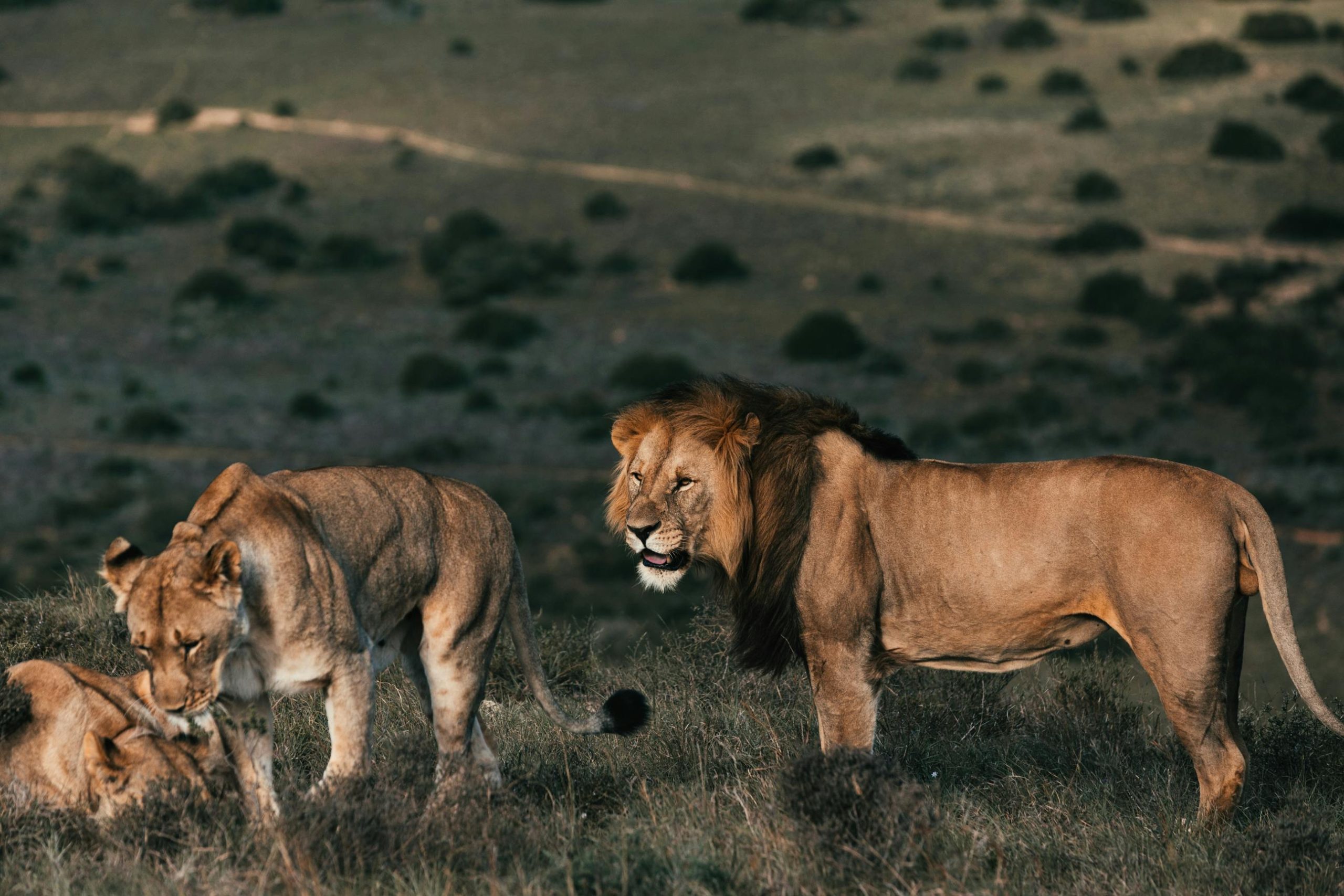
King of the Jungle
King of the Jungle
King of the Jungle: The Myth, Majesty, and Meaning Behind the Lion’s Reign
Introduction: The Roar That Echoes Through Time
The phrase “King of the Jungle” evokes a powerful image—majestic, fearless, and commanding. Though lions don’t actually inhabit jungles, this title has become synonymous with their legendary status in nature, mythology, and human culture. But what truly makes the lion the sovereign of the wild? Is it their regal appearance, their social structure, or the symbolic weight they carry across civilizations?
In this comprehensive exploration, we dive deep into the lion’s dominion, unraveling the biology, symbolism, cultural relevance, and conservation efforts surrounding this iconic predator.
The Biological Blueprint of a Ruler
Anatomy of Power
The lion (Panthera leo) is one of the largest members of the Felidae family, second only to the tiger in size. Male lions can weigh up to 250 kg (550 lbs) and grow up to 3 meters in length, including their tail. Their muscular build, powerful jaws, and sharp claws make them formidable hunters.
Key Physical Traits:
- Mane: Exclusive to males, the mane is a sign of maturity and strength. A darker, fuller mane is often more attractive to females and intimidating to rivals.
- Roar: The lion’s roar can be heard up to 8 kilometers away, serving both as a territorial warning and a call to pride members.
- Eyesight: Lions have excellent night vision, giving them a predatory edge during nocturnal hunts.
Social Structure: The Pride System
Unlike other big cats, lions are uniquely social. They live in groups called prides, typically consisting of:
- 1–3 adult males
- Up to a dozen females
- Cubs of various ages
This cooperative lifestyle allows for shared responsibilities in hunting, cub-rearing, and territorial defense—traits that reinforce their status as rulers of the savanna.
Lions in the Wild: Habitat and Behavior
Where Do Lions Really Live?
Despite the “jungle” moniker, lions primarily inhabit:
- Savannas
- Grasslands
- Open woodlands
Their range once spanned across Europe, Asia, and Africa, but today, they are mostly confined to sub-Saharan Africa, with a small population of the Asiatic lion surviving in India’s Gir Forest.
Hunting and Diet
Lions are apex predators, but they are also opportunistic scavengers. Their diet includes:
- Wildebeest
- Zebras
- Buffalo
- Antelope
Female lions do the majority of the hunting, using coordinated strategies to ambush prey. Males, while less involved in the hunt, play a crucial role in protecting the pride and its territory.
The Lion in Mythology and Symbolism
Ancient Civilizations and the Lion
From Mesopotamia to Mesoamerica, lions have long been symbols of power, courage, and nobility.
In Egypt:
- Lions were associated with Sekhmet, the warrior goddess of healing and war.
- Pharaohs often depicted themselves with lion-like features to signify divine rulership.
In Greece and Rome:
- The Nemean Lion, slain by Hercules, symbolized an unbeatable foe.
- Lions adorned shields, thrones, and coins as emblems of strength.
In Asia:
- In Hinduism and Buddhism, lions are sacred guardians.
- The Singha (lion) is a national symbol of Sri Lanka and Singapore.
Heraldry and Royal Emblems
Throughout medieval Europe, lions were prominently featured in coats of arms and royal insignia. The Lion Rampant of Scotland and the Three Lions of England are iconic examples of this regal association.
Lions in Literature, Film, and Pop Culture
The Literary Lion
From Aesop’s fables to C.S. Lewis’s Chronicles of Narnia, lions have been portrayed as wise, noble, and sometimes fearsome characters.
Notable Examples:
- Aslan: A Christ-like figure in The Lion, the Witch and the Wardrobe.
- The Cowardly Lion: From The Wizard of Oz, representing the paradox of fear and bravery.
- Simba: The beloved protagonist of Disney’s The Lion King, a modern retelling of the hero’s journey.
The Lion King Effect
Disney’s The Lion King (1994) redefined the lion’s image for a new generation. With its themes of leadership, legacy, and the “circle of life,” it reinforced the lion’s role as a metaphor for rightful rule and natural order.
Conservation: Protecting the King’s Realm
Threats to the Lion Population
Lions are currently listed as Vulnerable by the IUCN. Their numbers have declined by over 40% in the last three decades due to:
- Habitat loss
- Human-wildlife conflict
- Poaching and illegal trade
- Trophy hunting
Conservation Efforts
Numerous organizations are working to protect lions and their habitats:
- Panthera: Focuses on big cat conservation globally.
- African Parks: Manages protected areas across Africa.
- Born Free Foundation: Advocates for wild animal welfare and education.
Key Strategies:
- Anti-poaching patrols
- Community-based conservation
- Protected area expansion
- Eco-tourism initiatives
The Lion as a Universal Symbol
Leadership and Authority
The lion’s image is often used to convey:
- Courage
- Justice
- Wisdom
- Dominance
It’s no coincidence that political leaders, sports teams, and corporations adopt the lion as a mascot or emblem. The qualities it represents are universally admired.
Spiritual and Psychological Meaning
In Jungian psychology, the lion can symbolize the shadow self, representing raw emotion and primal instinct. In dreams, a lion may appear as a guide, protector, or a challenge to overcome.
The Future of the King
As climate change and human expansion continue to reshape the natural world, the lion’s reign is under threat. However, with global awareness, scientific research, and grassroots activism, there is hope that this majestic creature will continue to rule—not just in our imaginations, but in the wild landscapes it calls home.
Frequently Asked Questions (FAQ)
1. Why is the lion called the “King of the Jungle” if it doesn’t live in jungles?
Despite the misleading phrase, the term “jungle” historically referred to any wild, untamed land. Lions, as apex predators with no natural enemies, earned the title due to their dominance in the wild. Learn more about lion habitats.
2. What is the difference between African and Asiatic lions?
African lions are larger and have fuller manes, while Asiatic lions have a distinctive skin fold along their bellies and are found only in India’s Gir Forest.
3. How do lions communicate within their pride?
Lions use a variety of vocalizations, body language, and scent markings to communicate. Their roar is a key tool for long-distance communication.
4. Are lions endangered?
Lions are classified as Vulnerable, with populations declining due to habitat loss and human conflict. Conservation efforts are crucial to their survival.
5. How can I help protect lions?
You can support lion conservation by:
- Donating to reputable organizations like Panthera
- Avoiding unethical wildlife tourism
- Spreading awareness through education and social media
Conclusion: Long Live the King
The lion’s legacy as the “King of the Jungle” is not just a matter of biology—it’s a reflection of how humans perceive strength, nobility, and leadership. From the savannas of Africa to the stories we tell our children, lions continue to reign supreme in our collective consciousness.
Their future, however, depends on us. By understanding their role in ecosystems, respecting their cultural significance, and supporting conservation efforts, we can ensure that the lion’s roar continues to echo through the wild for generations to come.