
Lion Research Centers
Lion Research Centers
The Ultimate Guide to Lion Research Centers: Conservation, Science & Global Impact
Lions, the majestic apex predators of the African savannas and parts of Asia, have long captured the imagination of humanity. Yet, their numbers are dwindling due to habitat loss, human-wildlife conflict, and poaching. In response, a global network of lion research centers has emerged, dedicated to studying, conserving, and protecting these iconic big cats. This comprehensive guide explores the vital role of lion research centers, their scientific contributions, and how they are shaping the future of lion conservation.
Introduction to Lion Research Centers
Lion research centers are specialized institutions that focus on the study, monitoring, and conservation of lions in their natural habitats. These centers are often located in or near protected areas where lion populations still exist, such as national parks and wildlife reserves.
Their primary goals include:
- Conducting long-term ecological studies
- Monitoring lion populations and movements
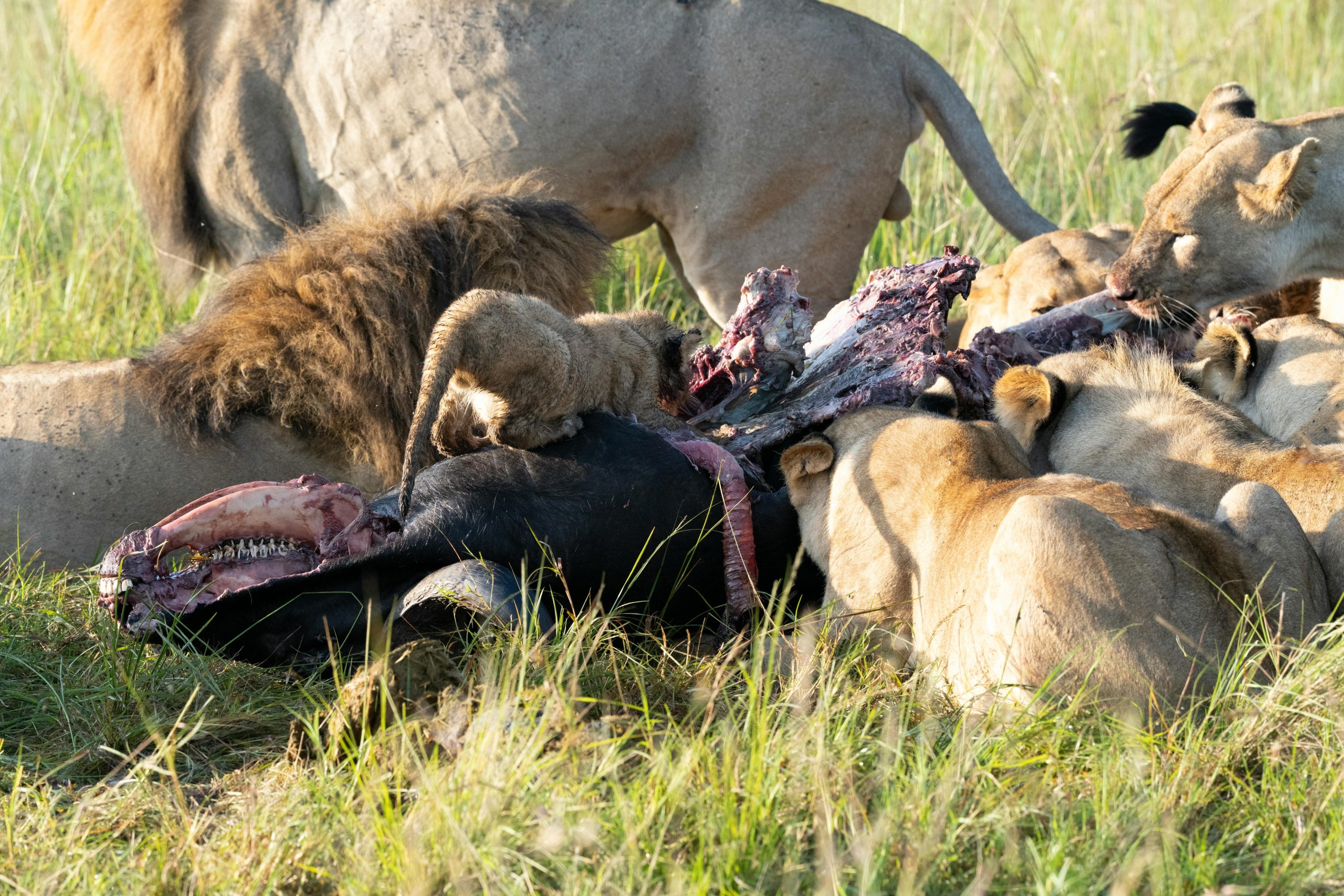
- Understanding lion behavior and social structures
- Mitigating human-lion conflict
- Advocating for policy changes and habitat protection
These centers serve as the backbone of lion conservation efforts, providing the data and insights necessary to inform global strategies for preserving this endangered species.
Why Lion Conservation Matters
The importance of conserving lions extends beyond their intrinsic value as a species. Lions play a crucial role in maintaining the balance of ecosystems. As apex predators, they regulate herbivore populations, which in turn helps preserve vegetation and biodiversity.
Ecological Importance
- Trophic regulation: Lions help control populations of large herbivores like zebras and wildebeests.
- Biodiversity maintenance: Their presence ensures a balanced food web.
- Habitat health: By influencing prey behavior, lions indirectly protect vegetation from overgrazing.
Cultural and Economic Significance
- Cultural icons: Lions are symbols of strength and courage in many cultures.
- Tourism revenue: Wildlife tourism, especially in Africa, heavily relies on lion sightings, contributing billions to local economies.
Despite their importance, lion populations have declined by over 40% in the last three decades. This alarming trend underscores the urgency of supporting lion research centers and their conservation missions.
Top Lion Research Centers Around the World
Several renowned institutions are leading the charge in lion conservation. Below are some of the most influential lion research centers globally:
1. Panthera’s Lion Program
Panthera is a global leader in big cat conservation. Their lion program focuses on securing core lion populations and connecting them through wildlife corridors across Africa.
Key Initiatives:
- The Furs for Life campaign
- Lion Guardians program
- Anti-poaching patrols
2. Lion Research Center – University of Minnesota
This academic center conducts long-term studies on lion ecology, behavior, and genetics. It is best known for its work in the Serengeti, one of the most studied lion populations in the world.
Research Areas:
- Lion social structures
- Disease transmission
- Human-lion conflict mitigation
3. Living with Lions – Kenya
A Kenyan non-profit that works with local communities to promote coexistence between people and lions.
Programs Include:
- Lion identification and tracking
- Community education
- Conflict resolution strategies
4. Okavango Lion Research – Botswana
Focused on the lions of the Okavango Delta, this center uses cutting-edge technology to monitor lion movements and understand their interactions with the environment.
5. Niassa Lion Project – Mozambique
Operating in one of Africa’s largest protected areas, this project combines research with community-based conservation to protect lions from illegal hunting.
Key Research Areas and Scientific Contributions
Lion research centers contribute to a wide array of scientific disciplines. Their work not only enhances our understanding of lions but also informs broader ecological and conservation principles.
Behavioral Ecology
- Pride dynamics: Studies on how lions form social groups and share responsibilities.
- Territoriality: Research on how lions defend and expand their territories.
- Hunting strategies: Insights into cooperative hunting and prey selection.
Genetics and Health
- Genetic diversity: Monitoring inbreeding and genetic bottlenecks.
- Disease ecology: Understanding the spread of diseases like canine distemper and bovine tuberculosis.
- Reproductive health: Studying fertility rates and cub survival.
Conservation Biology
- Population modeling: Predicting future trends based on current data.
- Habitat use: Identifying critical areas for protection and corridor development.
- Human-wildlife conflict: Developing tools to reduce livestock predation.
Technological Innovations in Lion Tracking
Modern lion research relies heavily on technology to gather data efficiently and safely.
GPS and Satellite Collars
- Real-time tracking: Allows researchers to monitor lion movements across vast landscapes.
- Behavioral insights: Data on movement patterns reveal hunting and resting behaviors.
- Conflict prevention: Alerts communities when lions approach livestock areas.
Camera Traps
- Non-invasive monitoring: Captures images of lions in their natural behavior.
- Population estimates: Helps identify individuals and estimate numbers.
- Behavioral studies: Observes interactions without human interference.
Drones and Aerial Surveys
- Habitat mapping: Identifies changes in land use and vegetation.
- Poaching detection: Monitors illegal activities in remote areas.
- Wildlife census: Complements ground-based population surveys.
Community Engagement and Education
Lion research centers recognize that conservation cannot succeed without the support of local communities.
Education Programs
- School outreach: Teaching children about the importance of lions and biodiversity.
- Workshops: Training locals in wildlife monitoring and conservation techniques.
- Cultural integration: Respecting and incorporating traditional knowledge.
Economic Incentives
- Eco-tourism: Creating jobs and revenue through sustainable tourism.
- Compensation schemes: Reimbursing farmers for livestock losses.
- Alternative livelihoods: Promoting crafts, beekeeping, and other income sources.
Challenges Facing Lion Research Centers
Despite their critical role, lion research centers face numerous obstacles:
Funding Limitations
- Reliance on grants and donations
- Competition for limited conservation funds
Political and Legal Barriers
- Inconsistent wildlife protection laws
- Bureaucratic delays in research permits
Human-Wildlife Conflict
- Retaliatory killings after livestock predation
- Encroachment of human settlements into lion habitats
Poaching and Illegal Trade
- Demand for lion bones in traditional medicine
- Trophy hunting controversies
How You Can Support Lion Conservation
You don’t need to be a scientist to make a difference. Here are several ways to support lion research and conservation:
Donate to Reputable Organizations
Adopt a Lion
Many research centers offer symbolic adoptions that fund fieldwork and community programs.
Spread Awareness
- Share information on social media
- Host educational events
- Write to policymakers
Volunteer
- Join field research teams
- Help with data analysis or fundraising
- Participate in citizen science projects
Frequently Asked Questions (FAQ)
1. What is the main goal of lion research centers?
The primary objective is to study and conserve lion populations through scientific research, habitat protection, and community engagement. These centers play a pivotal role in ensuring the long-term survival of lions in the wild.
2. How do lion research centers track lions?
They use a combination of GPS collars, camera traps, and drones to monitor lion movements, behaviors, and population dynamics.
3. Are lion populations increasing or decreasing?
Unfortunately, lion populations are generally decreasing due to habitat loss, poaching, and human conflict. However, in areas with active conservation efforts, such as those supported by lion research centers, populations are stabilizing or even increasing.
4. Can tourists visit lion research centers?
Some centers, like those affiliated with eco-tourism lodges, offer guided tours and educational programs for visitors. This helps raise funds and awareness for conservation efforts.
5. How can I contribute to lion conservation from home?
You can support lion conservation by donating to credible organizations, adopting a lion, spreading awareness online, and advocating for wildlife protection policies in your country.
Conclusion
Lion research centers are at the forefront of the battle to save one of the world’s most iconic species. Through cutting-edge science, community collaboration, and unwavering dedication, these institutions are not only preserving lions but also protecting the ecosystems they inhabit. By supporting their work, we ensure that future generations will continue to hear the roar of the lion across the wild landscapes of Africa and beyond.
Let us not allow the king of beasts to become a ghost of history. Join the movement. Support the science. Protect the pride.