
Big Cats
Big Cats
The Majestic Big Cats of East Africa: A Deep Dive into Their World, Habitat, and Conservation
Introduction
East Africa, a region renowned for its breathtaking landscapes and rich biodiversity, is home to some of the most iconic and powerful predators on Earth—big cats. These apex predators, including lions, leopards, cheetahs, and the elusive servals and caracals, play a crucial role in maintaining the ecological balance of the savannahs, forests, and highlands they inhabit.
This comprehensive guide explores the fascinating world of East Africa’s big cats, delving into their behaviors, habitats, threats, and the ongoing conservation efforts to protect them. Whether you’re a wildlife enthusiast, conservationist, or traveler planning a safari, this article offers an in-depth look at the majestic felines that roam the heart of Africa.
The Big Cats of East Africa: An Overview
East Africa encompasses countries like Kenya, Tanzania, Uganda, Rwanda, and parts of Ethiopia. The region’s diverse ecosystems—from the Serengeti plains to the Ngorongoro Crater and the Maasai Mara—provide ideal habitats for several species of big cats.
Key Big Cat Species in East Africa
- Lion (Panthera leo) – The most social of all big cats, often found in prides.
- Leopard (Panthera pardus) – Solitary and elusive, known for its adaptability.
- Cheetah (Acinonyx jubatus) – The fastest land animal, built for speed, not stealth.
- Caracal (Caracal caracal) – A medium-sized wild cat with distinctive tufted ears.
- Serval (Leptailurus serval) – A slender, long-legged feline with a spotted coat.
Each species plays a unique role in the ecosystem, from controlling herbivore populations to influencing the behavior of other predators.
Lions: Kings of the Savannah
Habitat and Distribution
Lions are predominantly found in the open grasslands and savannahs of Tanzania and Kenya, particularly in the Serengeti National Park and Maasai Mara. These areas offer abundant prey and open landscapes ideal for hunting.
Social Structure and Behavior
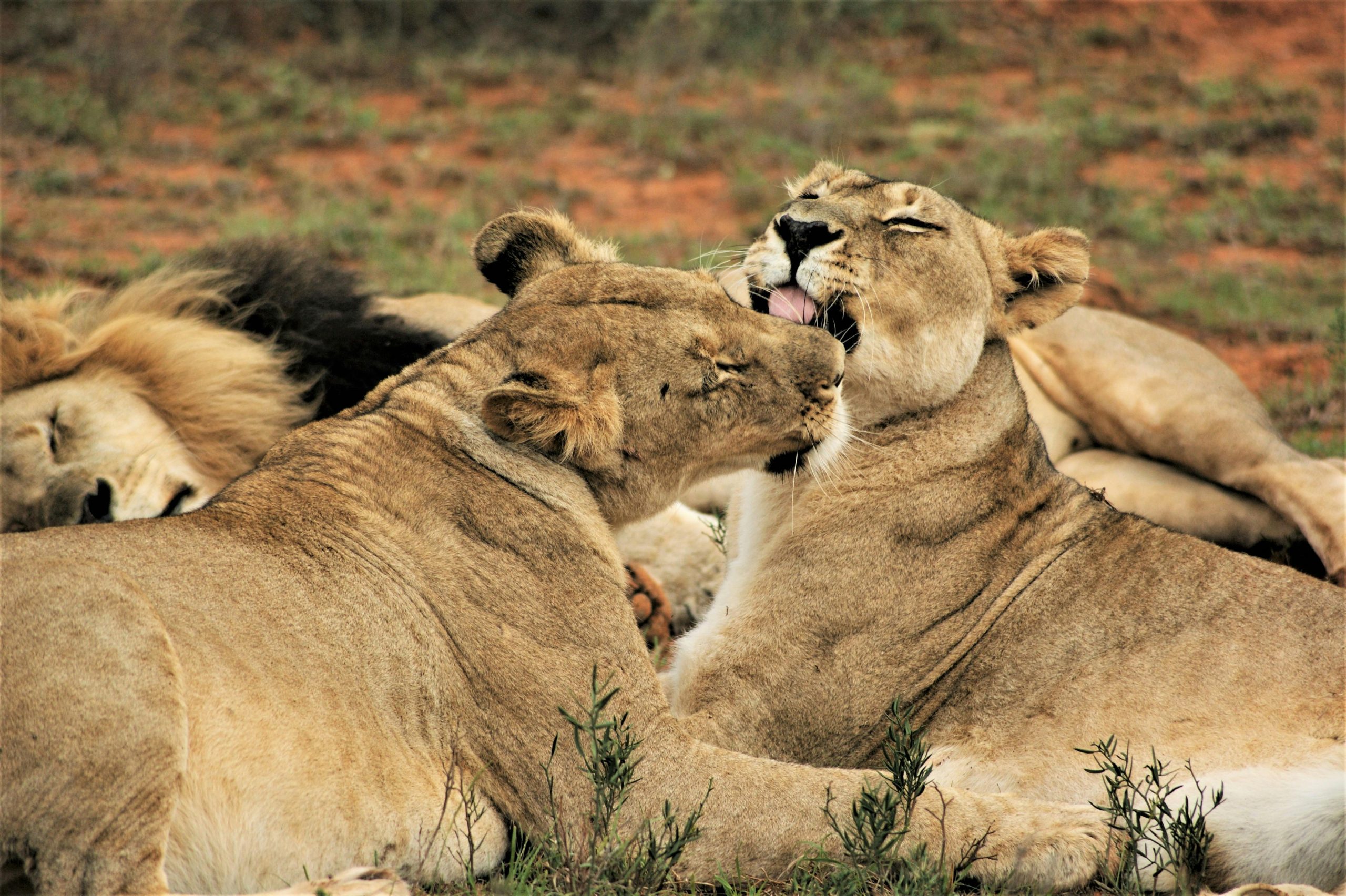
Lions are unique among big cats for their social nature. A pride typically consists of related females, their cubs, and a coalition of males. This social structure allows them to hunt cooperatively and defend their territory effectively.
Conservation Status
Listed as “Vulnerable” by the IUCN Red List, lion populations are declining due to habitat loss, human-wildlife conflict, and poaching. Conservation efforts such as community-based tourism and anti-poaching patrols are critical to their survival.
Leopards: Masters of Stealth
Habitat and Adaptability
Leopards are incredibly adaptable and can be found in a variety of habitats, from the dense forests of Uganda to the rocky outcrops of Ethiopia. Their elusive nature and nocturnal habits make them difficult to spot in the wild.
Hunting and Diet
Unlike lions, leopards are solitary hunters. They rely on stealth and strength to ambush prey, often dragging their kill up a tree to avoid scavengers. Their diet is highly varied, ranging from antelope to birds and even fish.
Threats and Conservation
Leopards face threats from habitat fragmentation and retaliatory killings by farmers. Organizations like Panthera are working to protect leopard corridors and reduce human-wildlife conflict.
Cheetahs: The Speed Demons of the Savannah
Physical Characteristics
Cheetahs are built for speed, with long, slender bodies, deep chests, and large nasal passages for increased oxygen intake. They can reach speeds of up to 70 mph (112 km/h) in short bursts.
Habitat and Range
Cheetahs prefer open plains where they can use their speed to chase down prey. The Serengeti and Masai Mara are prime cheetah habitats.
Conservation Challenges
With fewer than 7,000 individuals left in the wild, cheetahs are classified as “Vulnerable.” Their low genetic diversity and specialized hunting style make them particularly susceptible to environmental changes.
Lesser-Known Big Cats: Caracals and Servals
Caracals
Caracals are medium-sized cats known for their striking ear tufts and powerful hind legs, which allow them to leap high into the air to catch birds mid-flight. They inhabit dry savannahs and scrublands.
Servals
Servals have the longest legs relative to body size of any cat, aiding their ability to leap and pounce on prey. They are often found in wetlands and grasslands where rodents and birds are abundant.
The Role of Big Cats in the Ecosystem
Big cats are apex predators, meaning they sit at the top of the food chain. Their presence ensures the health of prey populations and prevents overgrazing, which can lead to habitat degradation.
Ecological Benefits
- Population control of herbivores like antelope and zebra.
- Scavenger support by leaving behind carcasses for hyenas and vultures.
- Biodiversity indicators, as their presence signals a healthy ecosystem.
Conservation Efforts in East Africa
Community-Based Conservation
Programs like Big Life Foundation and African Wildlife Foundation work with local communities to promote coexistence with big cats through education, compensation schemes, and eco-tourism.
Protected Areas and National Parks
East Africa boasts numerous protected areas that serve as sanctuaries for big cats:
- Serengeti National Park
- Ngorongoro Conservation Area
- Amboseli National Park
- Queen Elizabeth National Park
Anti-Poaching Initiatives
Technological advancements such as GPS collars, drones, and camera traps are being used to monitor big cat populations and deter poachers.
Human-Wildlife Conflict
As human populations expand, encounters between people and big cats increase. Livestock predation often leads to retaliatory killings, posing a serious threat to feline populations.
Mitigation Strategies
- Predator-proof bomas (livestock enclosures)
- Compensation programs for farmers
- Education campaigns to raise awareness
The Future of Big Cats in East Africa
Climate Change and Habitat Loss
Rising temperatures and changing rainfall patterns are altering habitats and prey availability, forcing big cats to adapt or migrate.
Genetic Research and Breeding Programs
Conservationists are using genetic studies to understand population dynamics and develop breeding programs that maintain genetic diversity.
Eco-Tourism as a Conservation Tool
Sustainable tourism provides vital funding for conservation while incentivizing local communities to protect wildlife.
Best Places to See Big Cats in East Africa
If you’re planning a safari, these destinations offer some of the best chances to witness big cats in their natural habitats:
- Maasai Mara, Kenya – Known for the Great Migration and large lion prides.
- Serengeti, Tanzania – Home to all three major big cats and vast open plains.
- Ruaha National Park, Tanzania – A hidden gem with a high density of lions and leopards.
- Queen Elizabeth National Park, Uganda – Famous for its tree-climbing lions.
- Laikipia Plateau, Kenya – A conservation success story with thriving predator populations.
Frequently Asked Questions (FAQ)
1. What is the most common big cat in East Africa?
The lion is the most commonly sighted big cat in East Africa, especially in protected areas like the Serengeti and Maasai Mara.
2. Are cheetahs endangered in East Africa?
Cheetahs are classified as “Vulnerable” by the IUCN, with declining numbers due to habitat loss and human conflict.
3. Where can I see leopards in East Africa?
Leopards are elusive but can be seen in places like Ruaha National Park and Queen Elizabeth National Park.
4. How do conservationists protect big cats?
Through a combination of community engagement, anti-poaching efforts, habitat preservation, and eco-tourism initiatives led by organizations like Panthera and AWF.
5. What is the best time to see big cats in East Africa?
The dry season (June to October) is ideal for wildlife viewing, as animals congregate around water sources and vegetation is sparse.
Conclusion
The big cats of East Africa are more than just majestic predators—they are vital components of their ecosystems and cultural icons of the region. Protecting them requires a multifaceted approach that includes scientific research, community involvement, and sustainable tourism.
By understanding their behaviors, habitats, and the challenges they face, we can better appreciate their role in the wild and contribute to their conservation. Whether you’re watching a lioness stalk her prey or spotting a leopard in the treetops, the experience of encountering these magnificent creatures in the wild is one you’ll never forget.