
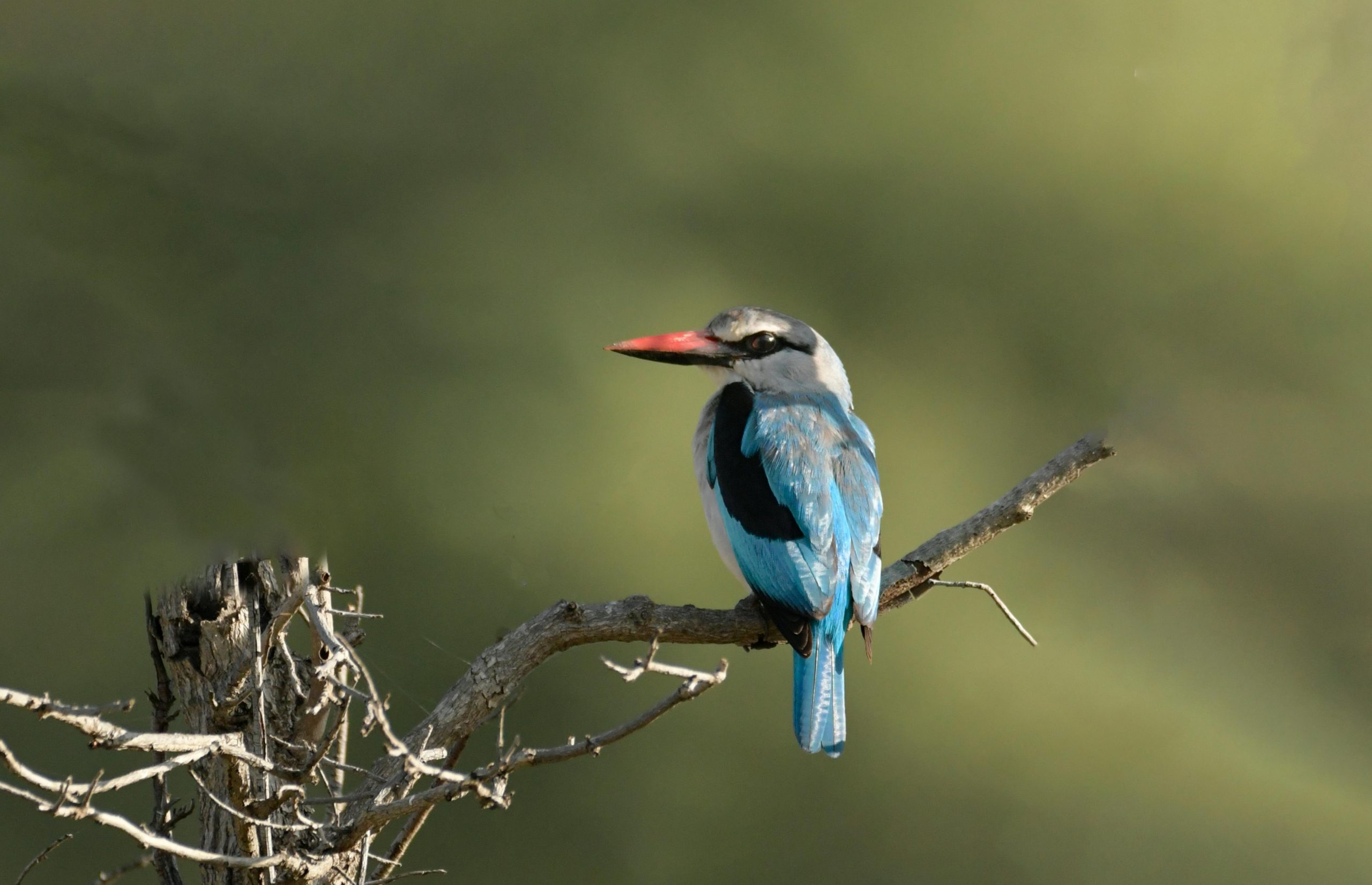
Blue-breasted Kingfisher
Blue-breasted Kingfisher
The Blue-breasted Kingfisher: A Jewel of the African Forests
Introduction
Among the vibrant avian wonders of the African continent, the Blue-breasted Kingfisher (Halcyon malimbica) stands out as a dazzling spectacle of color, behavior, and ecological significance. With its striking plumage, distinctive call, and unique habitat preferences, this bird captivates ornithologists, birdwatchers, and nature lovers alike. This comprehensive guide delves into the life, habitat, behavior, and conservation of this magnificent species.
Overview of the Blue-breasted Kingfisher
The Blue-breasted Kingfisher is a medium-sized bird native to the tropical forests of western and central Africa. It belongs to the family Alcedinidae, which includes over 90 species of kingfishers globally. Unlike its aquatic relatives, this species is more commonly found in forested regions, far from water bodies.
Key Characteristics
- Scientific Name: Halcyon malimbica
- Family: Alcedinidae
- Length: Approximately 25 cm (10 inches)
- Wingspan: Around 40 cm (16 inches)
- Weight: 60–90 grams
- Lifespan: Up to 10 years in the wild
Distinctive Features
- Plumage: Vivid turquoise-blue back and wings, with a deep blue breast and a contrasting white belly.
- Beak: Large, red, and dagger-like — ideal for catching prey.
- Eyes: Dark and expressive, adapted for sharp vision in dense foliage.
Habitat and Distribution
Geographic Range
The Blue-breasted Kingfisher is widely distributed across:
- West Africa: Senegal, Gambia, Ghana, Nigeria
- Central Africa: Cameroon, Gabon, Democratic Republic of Congo
- East Africa: Uganda and western Kenya
Preferred Habitats
Unlike many other kingfishers, this species thrives in:
- Tropical lowland forests
- Mangroves
- Swampy woodlands
- Plantations and secondary forests
They are often found perched quietly in the mid-canopy, scanning for prey.
Seasonal Movements
Though largely sedentary, some populations exhibit local migratory behavior, especially in response to seasonal rainfall and food availability.
Diet and Hunting Behavior
What Does the Blue-breasted Kingfisher Eat?
This bird is an opportunistic predator with a varied diet that includes:
- Insects: beetles, grasshoppers, crickets
- Reptiles: small lizards and geckos
- Amphibians: frogs and tadpoles
- Small mammals: shrews and rodents
- Other birds: occasionally preys on nestlings
Hunting Techniques
- Perch-and-pounce: The kingfisher waits motionless before swooping down on unsuspecting prey.
- Aerial hawking: Occasionally catches flying insects mid-air.
- Ground foraging: Drops to the forest floor to snatch prey.
Their powerful beak is used to stun or kill prey before swallowing it whole.
Breeding and Nesting
Mating Rituals
The breeding season varies by region but typically coincides with the rainy season. Courtship involves:
- Vocal displays: Loud, repetitive calls to attract mates.
- Aerial acrobatics: Males perform swooping flights.
- Food offerings: Males present prey to females as a bonding gesture.
Nesting Sites
- Location: Nests are usually excavated in termite mounds or tree cavities.
- Structure: A tunnel leads to a nesting chamber where eggs are laid.
- Clutch Size: 2 to 4 eggs
- Incubation: Both parents share duties, lasting about 21 days.
Chick Development
- Hatchlings: Altricial (born blind and featherless)
- Feeding: Fed by both parents with regurgitated food
- Fledging: Occurs around 3–4 weeks after hatching
Vocalizations and Communication
The Blue-breasted Kingfisher is known for its loud, piercing calls, which serve multiple purposes:
- Territorial defense
- Mate attraction
- Alarm signals
Common Calls
- “Kek-kek-kek”: Rapid, staccato notes
- “Wuu-wuu”: A softer, drawn-out call used during courtship
These vocalizations are often heard at dawn and dusk, when the forest is most active.
Role in the Ecosystem
Ecological Importance
As a predator, the Blue-breasted Kingfisher plays a crucial role in maintaining ecological balance by:
- Controlling insect populations
- Regulating small vertebrate numbers
- Dispersing seeds (indirectly, through prey digestion)
Symbiotic Relationships
- Termite mounds: Use abandoned mounds for nesting
- Mixed-species flocks: Occasionally joins other birds for foraging
Threats and Conservation Status
Current IUCN Status: Least Concern
Despite its wide range, the species faces several threats:
Major Threats
- Deforestation: Logging and agricultural expansion
- Habitat fragmentation: Roads and settlements breaking up forest tracts
- Pesticide use: Reduces prey availability and contaminates food sources
- Climate change: Alters rainfall patterns and breeding cycles
Conservation Efforts
- Protected areas: Found in many national parks and reserves
- Community education: Promoting awareness among local populations
- Research initiatives: Ongoing studies on behavior and ecology
Cultural Significance
In many African cultures, the Blue-breasted Kingfisher is seen as:
- A symbol of peace and tranquility
- A harbinger of rain
- A spiritual guide in folklore and storytelling
Its vibrant colors and elusive nature have inspired numerous myths and artistic representations.
Observing the Blue-breasted Kingfisher
Best Places to Spot
- Kakum National Park, Ghana
- Bwindi Impenetrable Forest, Uganda
- Lope National Park, Gabon
- Cross River National Park, Nigeria
Birdwatching Tips
- Time: Early morning or late afternoon
- Equipment: Binoculars, camera with zoom lens, field guide
- Behavior cues: Listen for calls, scan mid-canopy branches
Interesting Facts
- The Blue-breasted Kingfisher is one of the few forest-dwelling kingfishers that rarely fishes.
- Its bright plumage is not due to pigments but to structural coloration — microscopic structures that reflect light.
- It can remain motionless for long periods, making it difficult to spot despite its vivid colors.
- It is territorial year-round, often returning to the same nesting site annually.
Summary
The Blue-breasted Kingfisher is a stunning avian species native to the lush forests of Africa. Known for its brilliant blue plumage and distinctive red beak, it plays a vital role in the ecosystem as a predator and forest dweller. Despite facing threats from habitat loss and climate change, it remains relatively widespread and is a favorite among birdwatchers and conservationists. This article provides a deep dive into its biology, behavior, and conservation, ensuring a rich and informative experience for readers and search engines alike.
Frequently Asked Questions (FAQ)
1. Where can I find the Blue-breasted Kingfisher?
The Blue-breasted Kingfisher is found in tropical forests across West and Central Africa, including countries like Ghana, Nigeria, and Cameroon.
2. What does the Blue-breasted Kingfisher eat?
Its diet includes a variety of insects, small reptiles, amphibians, and occasionally small mammals and birds. It hunts using a perch-and-pounce technique.
3. Is the Blue-breasted Kingfisher endangered?
Currently, it is listed as Least Concern by the IUCN, but habitat destruction poses a growing threat.
4. How can I identify a Blue-breasted Kingfisher?
Look for a bird with a bright blue back, deep blue chest, white underparts, and a large red beak. Its loud, repetitive call is also a good indicator.
5. Do Blue-breasted Kingfishers live near water?
Unlike many other kingfishers, this species prefers forested habitats and is not strictly tied to water bodies.
Key Takeaways
- The Blue-breasted Kingfisher is a forest-dwelling bird with a wide range across Africa.
- It has a diverse diet, unique breeding behaviors, and plays a vital ecological role.
- Despite being of Least Concern, it faces threats from deforestation and climate change.
- It is a favorite among birdwatchers and holds cultural significance in many African traditions.
Final Thoughts
The Blue-breasted Kingfisher is more than just a visual marvel — it is a testament to the richness of Africa’s biodiversity. Understanding and protecting this species is not just a matter of ecological responsibility but also a celebration of nature’s artistry. Whether you’re a seasoned ornithologist or a casual birdwatcher, encountering this radiant bird in its natural habitat is an unforgettable experience.