
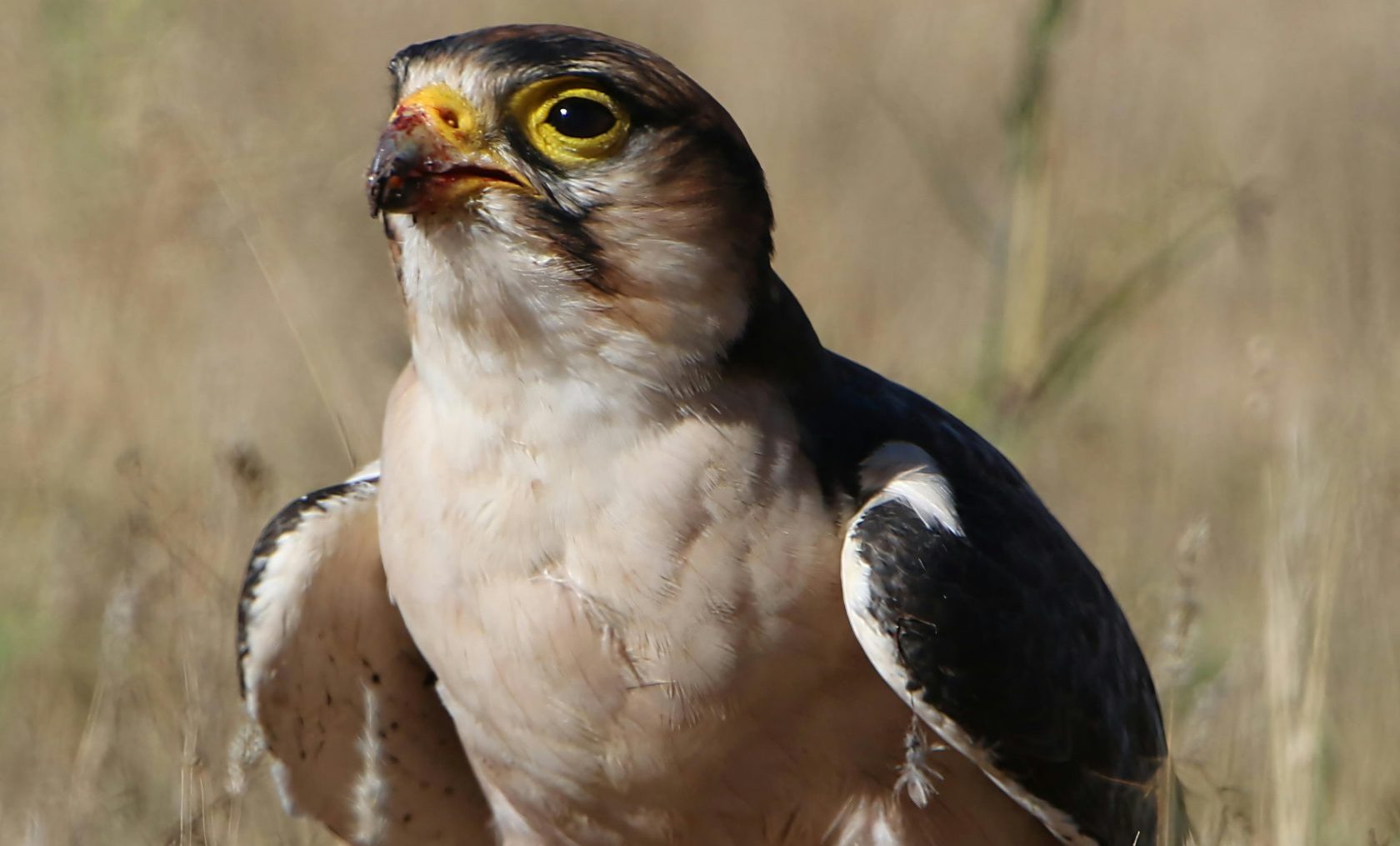
Lanner Falcon
Lanner Falcon
The Lanner Falcon: A Master of the Skies and Symbol of Speed. Birding Safari
Introduction
The Lanner Falcon (Falco biarmicus) is a majestic bird of prey that commands the skies with elegance, agility, and power. Native to parts of Africa, southeastern Europe, and western Asia, this raptor is renowned not only for its hunting prowess but also for its historical significance in falconry. With its keen eyesight, streamlined body, and swift flight, the Lanner Falcon has captivated bird enthusiasts, ornithologists, and falconers for centuries.
In this comprehensive guide, we will delve deep into the world of the Lanner Falcon, exploring its biology, behavior, habitat, conservation status, and its revered place in human culture.
Taxonomy and Classification
The Lanner Falcon belongs to the family Falconidae, which includes other swift and powerful birds of prey such as the Peregrine Falcon and the Gyrfalcon. Its scientific name, Falco biarmicus, reflects its dual-armed (bi-armicus) plumage pattern, often seen as a distinguishing feature.
Scientific Classification:
- Kingdom: Animalia
- Phylum: Chordata
- Class: Aves
- Order: Falconiformes
- Family: Falconidae
- Genus: Falco
- Species: Falco biarmicus
There are several recognized subspecies of the Lanner Falcon, each adapted to slightly different environments and exhibiting minor variations in plumage and size.
Physical Characteristics
The Lanner Falcon is a medium to large falcon, known for its sleek body and long wings. It is slightly smaller than the Peregrine Falcon but no less formidable.
Key Features:
- Length: 43–50 cm (17–20 inches)
- Wingspan: 95–105 cm (37–41 inches)
- Weight: 500–900 grams (1.1–2.0 lbs)
- Coloration: Pale underparts with streaks, bluish-grey back, and a distinctive facial pattern with a white throat and dark malar stripe
Sexual Dimorphism
Females are typically larger than males, a common trait among raptors. This size difference allows for a division of labor in hunting and nesting.
Habitat and Distribution
The Lanner Falcon thrives in open landscapes, favoring arid and semi-arid regions, savannas, and mountainous areas. It avoids dense forests and prefers cliffs or rocky outcrops for nesting.
Geographic Range:
- Africa: Widespread from North Africa to South Africa
- Europe: Southeastern regions, including Italy and the Balkans
- Asia: Parts of the Middle East and western Asia
Preferred Habitats:
- Open grasslands
- Rocky escarpments
- Desert fringes
- Agricultural fields (occasionally)
These falcons are highly adaptable and have even been observed nesting on man-made structures in some regions.
Diet and Hunting Techniques
The Lanner Falcon is a formidable hunter, relying on its speed, agility, and sharp talons to capture prey. Unlike the Peregrine Falcon, which dives at incredible speeds, the Lanner prefers horizontal pursuits.
Primary Diet:
- Small to medium birds (pigeons, doves, larks)
- Small mammals (rodents, bats)
- Reptiles and large insects (occasionally)
Hunting Strategies:
- Cooperative Hunting: Pairs may hunt together, with one flushing prey while the other attacks
- Low-level Pursuits: Uses terrain to surprise prey
- Aerial Chases: Agile in the air, capable of sharp turns and rapid acceleration
Their hunting behavior showcases their intelligence and adaptability, making them exceptional predators.
Breeding and Life Cycle
Lanner Falcons are monogamous and form long-term pair bonds. They are territorial during the breeding season and often return to the same nesting sites year after year.
Breeding Season:
- Varies by region, typically between February and June
Nesting:
- No true nest is built; eggs are laid in scrapes on cliff ledges or abandoned nests of other birds
Reproduction:
- Clutch Size: 2–4 eggs
- Incubation Period: 30–35 days
- Fledging: 45–50 days after hatching
Both parents participate in feeding and protecting the chicks. Juveniles remain dependent for several weeks post-fledging.
Lanner Falcon in Falconry
The Lanner Falcon has a storied history in the ancient art of falconry, particularly in the Middle East and Europe. Its trainability, combined with its hunting skills, makes it a favorite among falconers.
Why Falconers Choose the Lanner:
- Calm temperament
- High trainability
- Excellent in open-country hunting
- Less aggressive than other falcons
Common Prey in Falconry:
- Game birds (quail, pheasants)
- Rabbits and hares
- Corvids and pigeons
The Lanner is often used for educational demonstrations due to its striking appearance and cooperative nature.
Conservation Status
According to the IUCN Red List, the Lanner Falcon is currently listed as “Least Concern.” However, certain populations are declining due to habitat loss, illegal hunting, and pesticide use.
Threats to Survival:
- Habitat degradation (urbanization, agriculture)
- Electrocution from power lines
- Use of pesticides affecting prey availability
- Capture for falconry (illegal trade)
Conservation Efforts:
- Protection of nesting sites
- Education and awareness campaigns
- Regulation of falconry practices
- Monitoring of wild populations
Sustainable falconry and habitat preservation are key to ensuring the Lanner Falcon’s future.
Lanner Falcon vs. Other Falcons
Understanding how the Lanner Falcon compares to other raptors helps in identification and appreciation of its unique traits.
Comparison Table:
| Feature | Lanner Falcon | Peregrine Falcon | Saker Falcon |
|---|---|---|---|
| Size | Medium | Medium-Large | Large |
| Speed | High | Very High | Moderate |
| Temperament | Calm | Aggressive | Variable |
| Preferred Habitat | Open terrain | Cliffs, cities | Steppe |
| Falconry Suitability | Excellent | Moderate | High |
Cultural Significance
The Lanner Falcon has long been a symbol of nobility, speed, and precision. In ancient Egypt and medieval Europe, falcons were associated with royalty and divine power.
Historical Mentions:
- Ancient Egypt: Falcons were sacred to Horus, the sky god
- Medieval Europe: Used by nobility for hunting
- Middle Eastern Culture: Revered in Bedouin traditions
Its image continues to inspire art, literature, and even modern branding.
How to Spot a Lanner Falcon
Birdwatchers and nature enthusiasts can identify the Lanner Falcon by observing its flight pattern, plumage, and habitat.
Field Identification Tips:
- Look for a pale chest with fine streaks
- Note the white throat and dark malar stripe
- Observe hunting behavior—low, fast chases
- Listen for a sharp “kek-kek-kek” call
Best Places to See Them:
- African savannas and cliffs
- Southern European mountains
- Middle Eastern deserts
Bring binoculars and a field guide for the best experience.
Frequently Asked Questions (FAQ)
1. What is the lifespan of a Lanner Falcon?
In the wild, Lanner Falcons live up to 12–15 years. In captivity, with proper care, they can live over 20 years.
2. Can Lanner Falcons be kept as pets?
No, they are wild raptors and require special permits and training. They are best handled by licensed falconers.
3. How fast can a Lanner Falcon fly?
While not as fast as the Peregrine Falcon, Lanners can reach speeds of 80–100 km/h during level flight and faster during dives.
4. Are Lanner Falcons endangered?
Globally, they are not endangered, but local populations are declining due to human activities. Conservation efforts are crucial.
5. What is the difference between a Lanner and a Peregrine Falcon?
Lanners are slightly smaller, have a calmer demeanor, and prefer horizontal chases, while Peregrines are known for their vertical stoops and higher aggression.
Conclusion
The Lanner Falcon stands as a testament to nature’s engineering—graceful, efficient, and awe-inspiring. Its role in ecosystems, culture, and falconry underscores its importance beyond mere aesthetics. As we continue to explore and protect our natural world, the Lanner Falcon reminds us of the delicate balance between wild beauty and human interaction.
Whether you’re a birdwatcher, a falconer, or simply a lover of wildlife, the Lanner Falcon offers a window into the skies and a story worth preserving.