
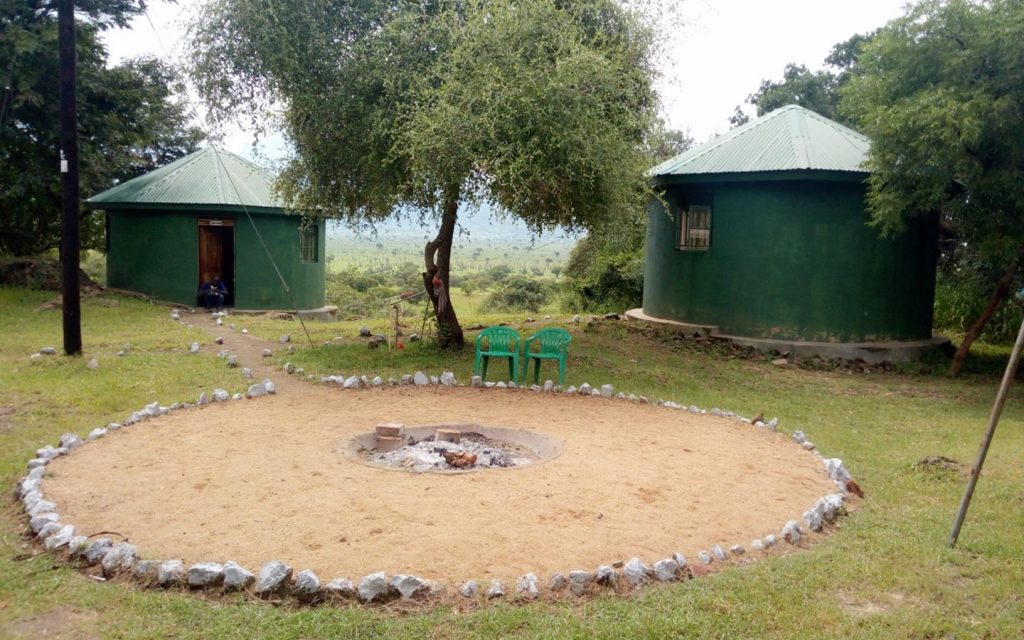
Pian Upe Bandas
Pian Upe Bandas
Discovering the Untamed Beauty of Pian Upe Wildlife Reserve in Uganda
Introduction
Nestled in the remote northeastern region of Uganda, the Pian Upe Wildlife Reserve is one of East Africa’s last remaining wilderness frontiers. Spanning over 2,788 square kilometers, this vast savannah landscape is the second-largest protected area in Uganda after Murchison Falls National Park. Despite its size and ecological richness, Pian Upe remains one of the least explored destinations in the country, offering an authentic and off-the-beaten-path safari experience.
In this comprehensive guide, we delve into the wonders of Pian Upe, its unique flora and fauna, cultural significance, and how to plan an unforgettable visit. Whether you’re a wildlife enthusiast, a nature photographer, or an adventurous traveler, this article will equip you with everything you need to know about this hidden gem.
The Location and Geography of Pian Upe
Situated in the Karamoja sub-region, Pian Upe lies northeast of Mount Elgon National Park and stretches across the districts of Nakapiripirit, Amudat, and Moroto. The reserve is bordered by other protected areas such as Matheniko and Bokora Wildlife Reserves, forming part of the larger Karamoja Wildlife Conservation Area.
Key Geographical Features:
- Expansive savannah plains
- Rocky outcrops and inselbergs
- Seasonal rivers and wetlands
- Semi-arid climate with two rainy seasons
This rugged terrain creates a dramatic and picturesque landscape, ideal for nature lovers and photographers.
A Glimpse into the History of Pian Upe
The name “Pian Upe” is derived from two pastoralist tribes: the Pian from Nakapiripirit and the Upe from Amudat. Historically, the area was a hunting ground for local communities until it was gazetted as a wildlife reserve in the 1960s.
Over the decades, conservation efforts have been challenged by poaching, insecurity, and human-wildlife conflict. However, recent initiatives by the Uganda Wildlife Authority and eco-tourism operators like Turkana Wildlife Safaris have revitalized interest in preserving this unique ecosystem.
Wildlife in Pian Upe: A Hidden Treasure Trove
Pian Upe is a biodiversity hotspot, home to a variety of rare and endangered species. While it may not yet boast the densities of larger parks, its wildlife is diverse and fascinating.
Mammals to Spot:
- Cheetahs – One of the few places in Uganda where cheetahs roam freely.
- Roan Antelope – Rare and majestic, often seen grazing in the open plains.
- Elands – Africa’s largest antelope species.
- Zebras, Hartebeests, and Oribis
- Leopards and Hyenas – Elusive predators that roam the reserve.
- Primates – Olive baboons and vervet monkeys.
Birdwatching Paradise
With over 242 recorded bird species, Pian Upe is a birder’s dream. Some notable species include:
- Karamoja Apalis (endemic)
- Secretary bird
- Abyssinian ground hornbill
- Jackson’s hornbill
- Ostriches – rare in Uganda but found here
Explore more about birdwatching safaris in Uganda with Turkana Wildlife Safaris.
Unique Flora and Ecosystems
The vegetation in Pian Upe is predominantly savannah grassland interspersed with acacia woodlands and rocky outcrops. This unique combination supports a variety of herbivores and provides excellent camouflage for predators.
Notable Plant Species:
- Acacia senegal
- Combretum
- Euphorbia candelabrum
- Wild figs and shrubs
The semi-arid climate creates a resilient ecosystem that thrives despite harsh conditions.
Cultural Significance and Local Communities
The reserve is surrounded by indigenous communities, primarily the Karamojong and Pokot people. These pastoralist tribes have coexisted with wildlife for generations, and their rich cultural heritage adds depth to any visit.
Cultural Experiences Include:
- Traditional dances and music
- Village visits and homestays
- Cattle herding experiences
- Storytelling and folklore
Learn more about cultural safaris in Uganda and how they support local communities.
Activities to Enjoy in Pian Upe
Despite its remote location, Pian Upe offers a wide range of activities for adventurous travelers.
Safari Activities:
- Game Drives – Best done in the early morning or late afternoon.
- Guided Nature Walks – Explore the reserve on foot with an experienced ranger.
- Birdwatching Tours – Ideal for ornithologists and nature lovers.
- Camping Safaris – Experience the wild under the stars.
For tailored itineraries, check out Uganda safari packages from Turkana Wildlife Safaris.
Best Time to Visit Pian Upe
The ideal time to visit Pian Upe is during the dry seasons:
- December to March
- June to September
These months offer better wildlife viewing as animals congregate around water sources, and the roads are more accessible.
How to Get There
Pian Upe is accessible by road from Kampala, approximately 8-10 hours’ drive. The route passes through Mbale and Soroti, offering scenic views of Mount Elgon and the eastern highlands.
Travel Options:
- Self-drive – Recommended for experienced travelers.
- Guided Tours – Offered by Turkana Wildlife Safaris.
- Chartered Flights – Available to nearby airstrips for luxury travelers.
Accommodation Options
While accommodation in Pian Upe is still developing, there are several options for different budgets.
Where to Stay:
- Pian Upe UWA Bandas – Basic but comfortable, managed by Uganda Wildlife Authority.
- Karamoja Safari Camp – Located in Moroto, offers cultural experiences.
- Camping Sites – For those seeking a raw wilderness experience.
Discover more Uganda safari lodges for your journey.
Conservation Efforts and Sustainable Tourism
Pian Upe is at a critical juncture in its conservation journey. Sustainable tourism plays a vital role in preserving its biodiversity and supporting local communities.
Ongoing Initiatives:
- Anti-poaching patrols
- Community sensitization programs
- Eco-tourism development
- Wildlife monitoring and research
By booking with responsible operators like Turkana Wildlife Safaris, travelers contribute directly to these efforts.
Why Pian Upe Should Be on Your Bucket List
Pian Upe offers a rare blend of solitude, scenic beauty, and raw wilderness. Unlike the crowded parks of East Africa, it provides an intimate encounter with nature and culture.
Highlights:
- Untouched landscapes
- Rare wildlife sightings
- Authentic cultural experiences
- Affordable and less commercialized
Whether you’re a seasoned safari-goer or a first-time visitor, Pian Upe promises an unforgettable adventure.
Frequently Asked Questions (FAQs)
1. Is Pian Upe safe for tourists?
Yes, Pian Upe is safe for tourists. The Uganda Wildlife Authority and local security forces ensure the safety of visitors. Always travel with a reputable tour operator like Turkana Wildlife Safaris.
2. What animals can I expect to see in Pian Upe?
You can expect to see cheetahs, roan antelopes, elands, zebras, hyenas, and a variety of birds. For a complete wildlife experience, explore Uganda wildlife safaris.
3. Do I need a 4×4 vehicle to visit Pian Upe?
Yes, due to the rugged terrain, a 4×4 vehicle is highly recommended. Alternatively, book a guided tour with Turkana Wildlife Safaris.
4. Can I combine Pian Upe with other destinations?
Absolutely. Pian Upe can be combined with Kidepo Valley National Park, Mount Elgon, and Sipi Falls for a diverse itinerary.
5. What should I pack for a trip to Pian Upe?
Essentials include:
- Lightweight clothing
- Hiking boots
- Sunscreen and hat
- Binoculars and camera
- Insect repellent
Check out this Uganda safari packing list for more tips.
Final Thoughts
Pian Upe is more than just a wildlife reserve; it is a testament to Uganda’s untamed beauty and cultural richness. As tourism continues to grow, it is crucial to promote responsible travel that benefits both nature and local communities.
For those seeking a truly wild and immersive experience, Pian Upe is a destination like no other. Begin your journey today with Turkana Wildlife Safaris and uncover the secrets of Uganda’s hidden wilderness.