
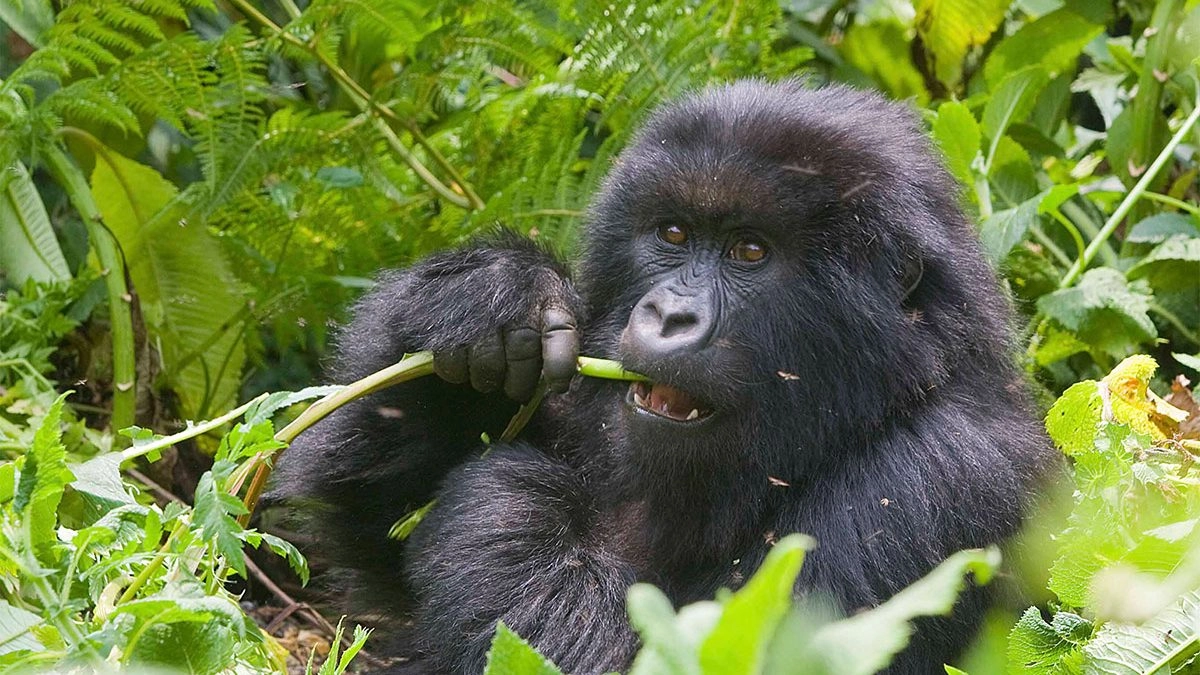
Gorillas in Volcanoes National Park
Gorillas in Volcanoes National Park
Gorillas in Volcanoes National Park: A Deep, Practical Guide to Rwanda’s Iconic Trekking Experience.
Volcanoes National Park at a Glance
Set in Rwanda’s northern highlands, Volcanoes National Park is the country’s flagship conservation area and one of Africa’s most celebrated primate destinations. Draped across the Virunga volcanic chain, it protects a mosaic of bamboo forest, hagenia woodland, afro-montane vegetation, and volcanic slopes—habitats that support the world-famous mountain gorillas.
If you’re looking for a safari that feels intimate, high-impact, and genuinely transformative, gorilla trekking here is often the most powerful wildlife encounter you can have because it happens on foot, at close range, with a strict conservation framework designed to keep gorillas safe.
Why Volcanoes National Park Is One of the Best Places on Earth to See Gorillas
A rare primate encounter—done responsibly
Seeing mountain gorillas in the wild is rare by nature: their entire remaining population is concentrated in the Virunga Massif (Rwanda, Uganda, and DR Congo) and Bwindi (Uganda). Volcanoes National Park is prized for:
- Efficient logistics from Kigali (often 2.5–3.5 hours by road depending on traffic and weather)
- Well-established trekking operations and guiding standards
- Clear visitor rules: limited permits, set groups, controlled viewing time
This careful structure is the backbone of gorilla conservation—and it’s precisely why the experience remains so special.
Meet the Gorillas: What “Gorilla Trekking” Really Means
Gorilla trekking is a guided hike to locate a habituated family group. “Habituated” means the gorillas have undergone a long, carefully managed process to tolerate human presence at a safe distance.
What you can expect on trekking day
A typical day unfolds like this:
- Early briefing at park headquarters (Kinigi)
- Allocation to a gorilla family based on fitness level and logistics
- Drive to the trailhead (varies by group location)
- Trek through farmland edges into forested slopes
- Once found: up to one hour observing the gorillas
Common gorilla behaviors you may witness:
- Silverback monitoring the group and maintaining calm authority
- Juveniles wrestling and climbing
- Mothers nursing and grooming infants
- Feeding cycles—especially in bamboo zones
The Virunga Volcano Landscape: Why Habitat Matters
Volcanoes National Park sits within the Virunga Mountains, a biodiverse region defined by altitude and volcanic soils. This produces dense vegetation and seasonal food availability—key factors in gorilla ranging patterns.
Ecological zones you’ll move through
Depending on your assigned group, your trek may cross:
- Farmland boundary paths (local communities cultivate near the park edge)
- Lower montane forest with thick undergrowth
- Bamboo belts (particularly important seasonally)
- Higher, misty slopes with cooler temperatures and muddy footing
This is why the same park can deliver very different trekking “feels”—from moderate walks to steep, strenuous climbs.
Best Time to See Gorillas in Rwanda (Seasons & Strategy)
Volcanoes National Park is a year-round destination, but conditions shift with rainfall.
Dry seasons (popular for trekking)
- June to September
- December to February
Benefits: - Clearer trails and easier footing
- Better photography light
- Higher demand—permits and lodges book earlier
Rainy seasons (lower demand, dramatic scenery)
- March to May
- October to November
Benefits: - Lush forest aesthetics and fewer crowds
- Sometimes better permit/lodge availability
Trade-offs: - Mud, rain, and occasional visibility challenges
If you’re comfort and predictable trekking conditions, aim for the dry season. If you’re optimizing for atmosphere and potentially easier logistics, shoulder or rainy seasons can be excellent—provided you pack properly.
Permits, Rules, and Ethical Gorilla Tourism
Gorilla permits
A gorilla trek requires a government-issued permit. Availability is limited daily to protect gorillas and reduce stress.
Important note: Permit prices and policies can change; always verify current fees with official sources or a trusted operator.
Core trekking rules (strict and essential)
These are designed to protect gorillas from stress and disease:
- Maintain the required distance (commonly 7 meters; guides may adjust for safety)
- No flash photography
- No trekking if you are ill
- Keep voices low; move slowly
- Follow guide instructions immediately
Mountain gorillas are susceptible to human respiratory illnesses; this is why ethical standards are non-negotiable.
What to Pack for a Gorilla Trek
Volcanoes National Park is often cool, damp, and muddy—sometimes all in the same morning.
Essential gear
- Waterproof hiking boots with ankle support
- Long trousers and long-sleeve shirt (nettles and insects)
- Rain jacket or poncho
- Gardening-style gloves (helpful for gripping vegetation)
- Daypack with water + snacks
- Camera with a fast lens (no flash)
- Gaiters (highly recommended in muddy season)
Smart extras
- Trekking poles (you can often rent one locally)
- Dry bag or rain cover for your camera
- Spare socks
- Light fleece (mornings can be cold)
Fitness and Difficulty: How Hard Is Gorilla Trekking?
Trekking difficulty varies by gorilla family location, weather, and your pace. You don’t need to be an athlete, but you should be prepared for:
- Steep inclines
- Uneven ground
- Thick vegetation
- 1–6+ hours of hiking in some cases (trek duration varies widely)
Tip: Be honest at the briefing about your fitness level. Guides often try to match groups to appropriate treks where possible.
How to Get There: Kigali to Volcanoes National Park
Most travelers start in Kigali and drive to Musanze (Ruhengeri area) near the park.
Typical routing
- Kigali → Musanze area (2.5–3.5 hours)
- Musanze → Kinigi park headquarters (about 30–45 minutes)
You can do a very tight itinerary (overnight near the park, trek next morning), but many travelers prefer 2–3 nights to buffer weather, relax, and explore nearby cultural or nature activities.
Lodges & Where to Stay Near Volcanoes National Park
Accommodation ranges from comfortable midrange stays to ultra-luxury eco-lodges. Choose based on:
- Distance to Kinigi briefing point
- Warmth and drying facilities (important after wet treks)
- Early breakfast availability
- Service standards for early starts
What to prioritize:
- Reliable hot water
- Packed lunch options
- Boot cleaning/drying space
- Quiet nights (you’ll start early)
Photography Tips for Gorilla Encounters
Settings and approach
- Use higher ISO rather than flash
- Prioritize shutter speed (gorillas move more than people expect)
- Shoot in bursts when juveniles play
- Keep your camera protected from mist and drizzle
Composition ideas
- Silverback in profile with volcano forest backdrop
- Hands: gorilla hands tell a powerful story
- Family interactions: grooming, infant clinging, eye contact moments
Remember: the best photos come when you’re calm, patient, and respectful.
Extending Your Trip: What Else to Combine With Volcanoes
Rwanda is compact, which makes multi-stop trips realistic.
Popular pairings:
- Akagera National Park for classic savanna wildlife
- Nyungwe Forest National Park for chimp tracking and canopy walks
- Kigali city experiences (museums, cuisine, memorial visits)
This turns a single high-impact gorilla trek into a more rounded Rwanda itinerary.
FAQ: Gorilla Trekking in Volcanoes National Park
1) How close do you get to the gorillas?
You’re expected to keep a safe distance (often around 7 meters), but gorillas sometimes move closer. Guides manage positioning to reduce stress and ensure safety.
2) How long do you spend with the gorillas?
Typically one hour once the gorillas are located. The total trek time varies.
3) Is gorilla trekking safe?
Yes, when you follow guide instructions. Treks are led by trained rangers; gorilla families visited are habituated, and rules are strict.
4) What if it rains during the trek?
You trek anyway in most cases. Rain is common in montane forests. Pack waterproof layers and protect your camera.
5) Can children do gorilla trekking in Rwanda?
There is usually a minimum age requirement (commonly 15). Confirm current regulations when booking.