
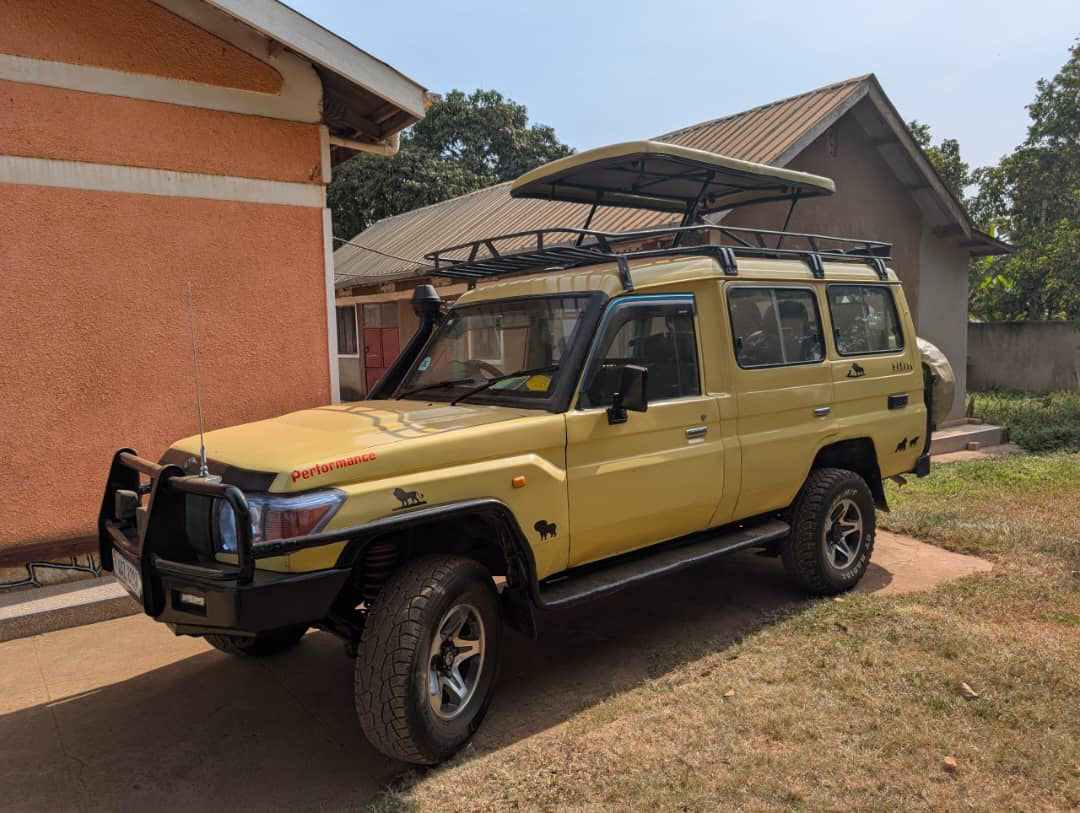
Safari Vehicles
safari-vehicles
Safari Vehicles in Uganda: The Complete Guide to 4×4 Options, Features, Costs, and Hiring Tips.
Why the Right Safari Vehicle Matters in Uganda
Uganda’s landscapes are beautifully diverse—ranging from the misty highlands of the southwest to the vast savannahs of the north and northeast. But that same diversity comes with demanding road conditions: rutted tracks in national parks, muddy stretches in rainy season, steep escarpments, riverine routes, and long distances between destinations. That’s why choosing the right safari vehicle isn’t a detail it’s a deciding factor in comfort, safety, wildlife viewing success, and overall value.
If you’re planning a wildlife journey with professional support, consider exploring proven Uganda itineraries and logistics through a specialist operator like Turkana Wildlife Safaris, which focuses on East African safari planning and can help match your route to the best vehicle type.
Uganda Safari Terrain: What Your Vehicle Must Handle
Before comparing models, it helps to understand what a safari car in Uganda is actually up against.
Common Driving Conditions
- Murram roads: dusty, corrugated surfaces that can shake poorly suspended vehicles
- Black cotton soil: turns into slippery mud during rains (especially in northern parks)
- Forest and mountain routes: steep, narrow tracks around Bwindi and Mgahinga
- Park tracks: uneven, sometimes washed out after storms
- Long-distance transfers: Kampala → Murchison Falls, Kibale → Queen Elizabeth, etc.
Key Implications
A safari vehicle must ideally offer:
- High ground clearance
- Low-range gearbox (true 4WD, not soft-road AWD)
- Tough suspension and all-terrain tires
- Strong cooling system (for long hot drives)
- Roof hatch or pop-up roof for viewing
- Adequate fuel range and storage
The Best Safari Vehicles in Uganda (Top Options)
1) Toyota Land Cruiser (Most Popular Safari Vehicle)
When travelers picture an African safari 4×4, the Land Cruiser is usually it—and in Uganda, it remains the gold standard for reliability and off-road performance.
Why it’s ideal
- Built for rough terrain and long distances
- Handles mud and steep gradients well
- Parts and mechanical support are more available than for rare models
Best for
- Multi-park circuits (Murchison → Kibale → Queen Elizabeth → Bwindi)
- Long game drives and remote routes
- Groups needing durability + comfort
Typical safari modifications
- Pop-up roof for 360° viewing
- Reinforced suspension
- UHF/VHF radio (on guided safaris)
- Fridge/cool box in some setups
- Extra fuel tank/jerry cans
Explore Uganda safari planning and vehicle logistics support through an operator like Turkana Wildlife Safaris if you want the Land Cruiser option paired with a guide, permits, and park routing.
2) Toyota Land Cruiser Prado (Comfort + Value)
The Prado is often used for mid-range and private safaris. While not always as heavy-duty as the full Land Cruiser (depending on the model), it’s comfortable and capable in many Ugandan parks.
Pros
- More comfortable ride on highways
- Usually cheaper than a full-size Land Cruiser
- Suitable for private couples or small families
Considerations
- Some Prado trims are less rugged on heavy mud routes
- Make sure it’s configured as a proper safari build (roof hatch, tires, recovery gear)
Best for
- Queen Elizabeth National Park
- Murchison Falls in dry season
- Kibale chimp trekking transfers
3) Safari Minivan (Budget-Friendly, Limited Off-Road)
Safari vans are common for budget tours and group travel on easier routes. Many include a pop-up roof and work well on maintained roads and some park tracks but they are not ideal for deep mud, steep climbs, or very rough trails.
Pros
- Lower cost per day
- Great for larger groups on a tighter budget
- Good visibility with a roof hatch
Cons
- Less capable in rainy season
- Lower clearance and weaker off-road performance
- Not recommended for remote routes to Bwindi via rough tracks
Best for
- Dry season itineraries
- Shorter circuits and popular parks with relatively accessible tracks
4) Extended Land Cruiser / Safari Jeep (More Space, More Gear)
For photographers, birders, or families with luggage and equipment, extended models offer more storage and comfort.
Advantages
- Extra luggage capacity
- Better seating configuration
- More stable ride when fully loaded
Best for
- Long safaris (7–14 days)
- Wildlife photography trips
- Birding safaris with equipment
What Makes a Vehicle “Safari-Ready” in Uganda
Not every 4×4 is automatically safari-grade. Here’s what separates a true safari car from a standard rental.
Essential Safari Features
- Pop-up roof for viewing and photography
- High ground clearance to handle uneven tracks
- Low-range 4WD for mud, sand, steep climbs
- All-terrain tires with good tread
- Two spare tires (recommended)
- Recovery gear (tow rope, jack, shovel, traction boards)
- Working seat belts for every passenger
- Charging ports for cameras/phones
- First-aid kit and emergency triangle
Comfort Upgrades That Matter
- Strong AC (especially for transfers)
- Extra legroom and good seat cushioning
- Cooler box for drinks
- Window condition (for photography clarity)
For professionally planned journeys where these features are standard, you can review safari logistics and operator support via Turkana Wildlife Safaris.
Safari Vehicle Seating Layouts: What to Choose
A big part of satisfaction is how the seats are arranged. A “full car” can feel cramped on long game drives if the setup is wrong.
Common Layouts
- 4-seater (ideal for private couples, photographers)
- 6-seater (best balance: comfort + cost efficiency)
- 7–9 seater (good for groups, but comfort varies)
Pro Tip for Wildlife Viewing
For game drives, fewer passengers often means:
- Better window/roof access
- More space for cameras
- Less interruption during sightings
Costs: How Much Does a Safari Vehicle in Uganda Typically Cost?
Prices vary widely based on season, vehicle type, and whether you hire with a driver-guide.
Typical Price Factors
- Vehicle model (Land Cruiser vs van)
- With driver-guide vs self-drive
- Fuel included or excluded
- Park fees, permits, and accommodation (if bundled)
- Season (peak vs low season)
What Usually Comes With a Guided Safari Vehicle
- Driver-guide
- Vehicle + maintenance
- Fuel (often included in packaged tours)
- Bottled water (sometimes)
- Emergency support from the operator
If you want an integrated quote that bundles the right vehicle with route design and park logistics, Turkana Wildlife Safaris is a starting point for structured planning.
Self-Drive vs Driver-Guide: Which Is Better in Uganda?
Self-Drive (Pros & Cons)
Pros
- Freedom and flexibility
- Potentially lower cost (depending on route)
- Adventure feel
Cons
- Navigation and road conditions can be challenging
- Recovery in mud requires experience
- Risk of missing wildlife without a trained spotter
- Some areas are remote with limited support
Driver-Guide (Pros & Cons)
Pros
- Wildlife tracking skills (huge advantage)
- Local knowledge: best times, routes, and sightings
- Less fatigue; safer on long drives
- Immediate help if issues arise
Cons
- Slightly higher cost
- Less spontaneity (though good guides adapt)
For most travelers especially first-timers—a driver-guide in a safari-ready 4×4 offers the best mix of safety, comfort, and sightings.
Best Uganda Parks Where Vehicle Choice Matters Most
Murchison Falls National Park
- Mix of savannah tracks and riverine areas
- Dust in dry season, mud after rains
Recommended: Land Cruiser / Prado (properly equipped)
Queen Elizabeth National Park
- Often accessible but still rough in sections
- Great for classic game drives and the Kazinga Channel area
Recommended: Prado or Land Cruiser
Bwindi Impenetrable Forest (Gorilla Trekking Base Routes)
- Mountain roads, rain risk, steep climbs
Recommended: Strong 4×4 with good clearance (Land Cruiser preferred)
Kidepo Valley National Park
- Remote, long-distance, challenging access
Recommended: Land Cruiser (reliability is key)
How to Inspect a Safari Vehicle Before Hiring
Whether you book directly or through an operator, check these basics.
Quick Checklist
- Tires: tread depth + at least one good spare
- Pop-up roof: opens smoothly and locks safely
- Suspension: no excessive bouncing or pulling
- Seat belts: present and functional
- Engine temp behavior: no overheating
- Jack and tools: complete set
- Recovery gear: tow rope at minimum
- Paperwork: insurance, registration, permits if needed
Mistakes to Avoid When Choosing a Safari Car in Uganda
- Choosing the cheapest option without checking equipment
- Ignoring rainy season realities (mud changes everything)
- Overloading the vehicle with passengers and luggage
- Taking a city SUV (AWD) instead of true 4WD
- Skipping a driver-guide in remote parks
Recommended Planning Support (Vehicle + Itinerary)
If you’d prefer a professionally arranged approach matching your route, season, and priorities to the correct 4×4 start by reviewing safari planning services through Turkana Wildlife Safaris. A structured operator can also help coordinate:
- Park entry logistics
- Gorilla/chimp permits
- Lodging strategy to reduce long daily drives
- Reliable vehicles with trained guides
- Backup support in case of mechanical issues
FAQ: Safari Vehicles in Uganda
1) What is the best safari vehicle for Uganda overall?
A properly modified Toyota Land Cruiser with a pop-up roof is the most reliable all-round choice for Uganda’s varied terrain and long-distance circuits.
2) Can a safari van be used for Uganda national parks?
Yes, especially in the dry season and on more accessible routes. But it’s less ideal for muddy tracks, steep mountain roads, and remote parks.
3) Is self-drive safe for tourists in Uganda?
It can be, but it depends on your comfort with rough roads, navigation, and recovery in mud. Many travelers prefer a driver-guide for better safety and better wildlife sightings.
4) Do safari vehicles in Uganda usually have pop-up roofs?
Most safari configured vehicles do, but not all rentals include them by default. Always confirm the roof hatch if wildlife viewing and photography are priorities.
5) How do I make sure I get a reliable safari vehicle?
Book through a reputable operator, request recent photos of the vehicle, ask what recovery gear is included, and confirm maintenance/backup policies. You can start with established safari planners such as Turkana Wildlife Safaris.
If you want, tell me:
- your travel month,
- parks you want (e.g., Murchison, Queen Elizabeth, Bwindi), and
- group size,
and I’ll recommend the best vehicle type and seating setup for that exact route.