
Wildlife in Kidepo
Wildlife in Kidepo
Wildlife in Kidepo — The Definitive Safari Guide to Kidepo Valley National Park
Kidepo Valley National Park sits in Uganda’s far northeast, a rugged, semi-arid wilderness bordered by dramatic mountain ranges and expansive savannah. Remote, raw, and wonderfully uncrowded, it’s widely regarded as one of Africa’s most rewarding parks for authentic game viewing. If you’re looking for a destination where predators still rule vast open plains, where rare antelope species thrive, and where safari drives feel truly exploratory, then wildlife in Kidepo delivers with remarkable consistency.
This guide explores the park’s signature animals, where to find them, the best time to visit, the top safari experiences, and how to plan a trip with reliable local expertise while adding helpful references through Turkana Wildlife Safaris for trip planning inspiration.
Why Kidepo Is One of Africa’s Most Exceptional Wildlife Destinations
Kidepo is different. Unlike more accessible parks, its distance from major cities has preserved an atmosphere of true wilderness. This remoteness benefits both conservation and visitor experience: fewer vehicles at sightings, more natural animal behavior, and a deeper sense of being immersed in a living ecosystem.
Key reasons travelers seek out Kidepo include:
- Vast, cinematic landscapes with minimal crowding
- High predator potential, especially big cats
- Rarely seen species not common elsewhere in Uganda
- Excellent birding, including dry-country specialties
- Strong cultural connections, including the Karamojong communities
For safari planning resources and itineraries, start with the operator’s hub at Turkana Wildlife Safaris.
Iconic Mammals: What You Can See in Kidepo
Kidepo hosts an impressive range of mammals—many of which are strongly associated with East Africa’s drier savannah ecosystems. While sightings depend on season and luck (as they should in a wild park), the overall wildlife density and diversity are consistently strong.
Big Cats and Predators
Lions
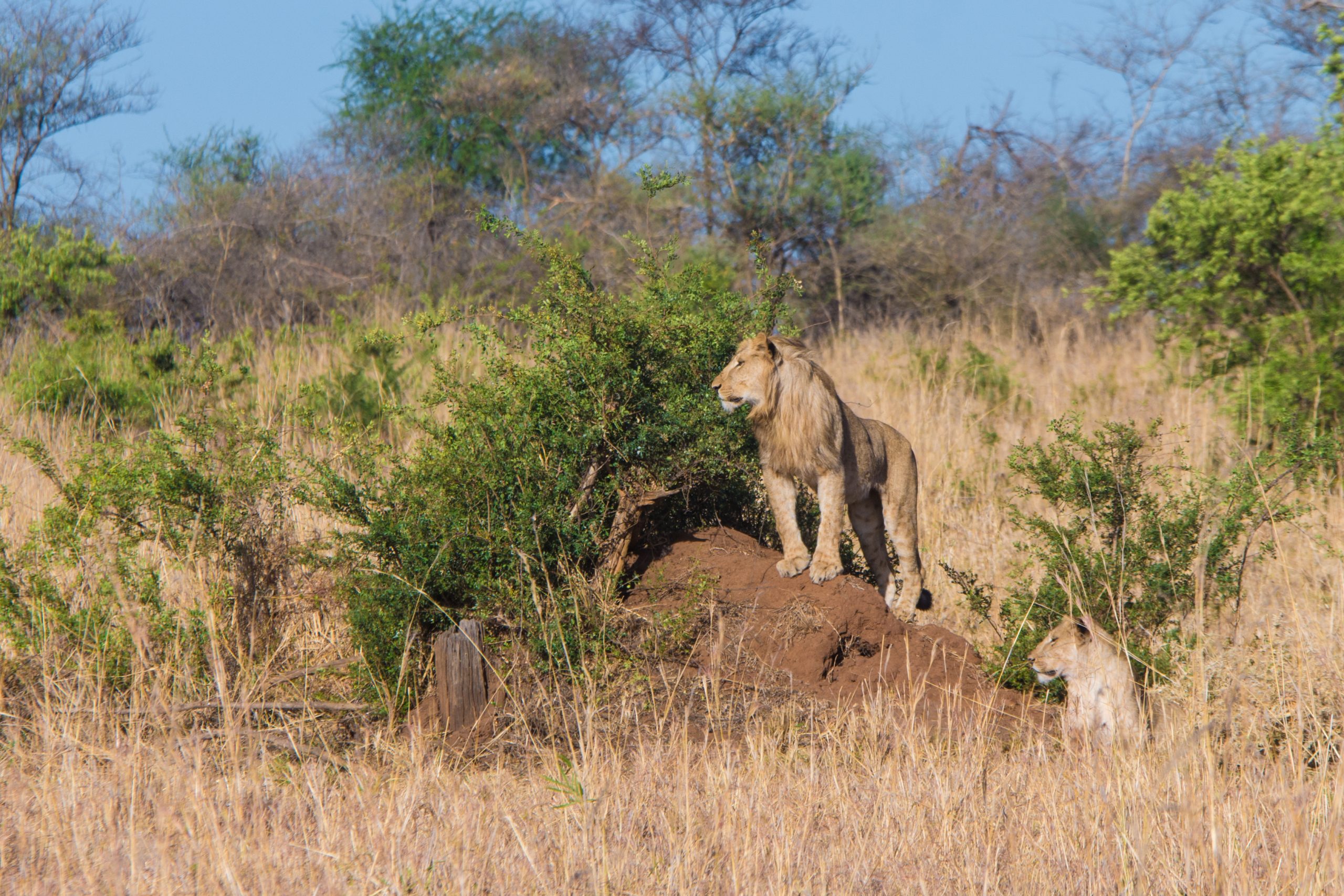
Kidepo is one of Uganda’s best places to see lions, often spotted in open plains or resting under acacias. Early morning drives in the Narus Valley frequently deliver sightings, especially when prey species concentrate around water.
- Best viewing: early morning and late afternoon
- Typical habitats: Narus Valley plains and riverine edges
Leopards
Elusive yet present, leopards are most often encountered near rocky outcrops and along drainage lines. Night drives (when permitted) can improve chances significantly.
Cheetahs (rare but possible)
Cheetah sightings are less predictable, but Kidepo remains one of the better Ugandan candidates due to its open terrain. Patience and multiple game drives help.
Hyenas
Spotted hyenas are common and often heard at night. They are an essential scavenger and predator in the park’s food web.
Suggested planning link: explore safari options and park routes with Turkana Wildlife Safaris to maximize predator-focused drives.
Elephants, Buffalo, and Large Herbivores
African Elephants
Kidepo’s elephants roam between valleys and wooded areas; sightings can be excellent, especially in drier spells when animals focus around water sources.
Cape Buffalo
Buffalo herds can be large and dramatic—especially in the greener Narus Valley where grazing is abundant.
Giraffes
Giraffes are a highlight in Kidepo, often seen browsing in open bushland. Their presence adds a classic savannah feel to the park.
Antelope Diversity: One of Kidepo’s Biggest Strengths
If you love antelope species, Kidepo is a standout. The park is known for several dryland antelopes that are less common elsewhere in Uganda.
You may see:
- Jackson’s hartebeest
- Uganda kob
- Bushbuck
- Oribi
- Waterbuck
- Eland (occasionally)
This antelope variety is one reason many seasoned safari travelers rank wildlife in Kidepo so highly.
Where to Find the Best Wildlife: Key Valleys and Viewing Zones
Kidepo’s game viewing is shaped by two major systems: Narus Valley and Kidepo Valley.
Narus Valley: The Classic Game Viewing Area
Narus is greener for much of the year and holds more reliable water—so it often concentrates wildlife. This is where many visitors see large herds, predators, and frequent daily activity.
Expect:
- Reliable buffalo and elephant movement
- Strong lion potential
- Excellent general game viewing
Kidepo Valley: Stark, Scenic, and Wild
Kidepo Valley is drier and more dramatic—immense open spaces, fewer animals at times, but stunning atmosphere. In certain seasons, it can produce thrilling predator encounters.
Expect:
- More “exploration-style” drives
- Beautiful landscapes and solitude
- Occasional standout sightings
For help selecting the best routes by season, use the planning resources at Turkana Wildlife Safaris.
Best Time to Visit Kidepo for Wildlife Viewing
Kidepo can be visited year-round, but conditions vary.
Dry Seasons (often best for concentrated wildlife)
- Typically: Dec–Mar and Jun–Aug (seasonality can vary)
- Pros: easier roads, animals gather near water, clearer visibility
- Cons: dust, hotter mid-day conditions
Wet Seasons (lush landscapes and birding)
- Pros: greener scenery, fewer visitors, excellent bird activity
- Cons: roads may be challenging, animals more dispersed
If you’re optimizing for predator sightings and classic savannah viewing, the drier months are usually the best bet.
Birdlife in Kidepo: A Hidden Treasure for Birders
Kidepo is a major birding destination, especially for species associated with arid and semi-arid habitats. Even casual birdwatchers will notice how alive the sky and bush are—raptors, hornbills, rollers, and more.
Birding highlights can include:
- Raptors riding thermals above the valleys
- Colorful rollers and bee-eaters
- Dry-country specialists uncommon in other Ugandan parks
A well-paced itinerary (mixing wildlife drives and slower stops) is ideal for maximizing birding opportunities.
Safari Experiences That Elevate a Kidepo Trip
Game Drives
The cornerstone of any Kidepo visit. Aim for:
- Sunrise drive (best light and activity)
- Late afternoon drive (golden hour predators)
Guided Nature Walks (where permitted)
Walks bring you closer to tracks, plant life, and smaller species—an excellent complement to vehicle safaris.
Cultural Encounters (Karamojong community experiences)
Kidepo’s region is culturally rich. Done respectfully and with proper guides, cultural visits can deepen your understanding of how people and wildlife coexist in this landscape.
For trip structuring, logistics, and suggested itineraries, consult Turkana Wildlife Safaris for guidance and safari options.
How to Plan a Safari to Kidepo (Logistics That Matter)
Kidepo’s remoteness is part of its appeal—but it also requires better planning than more accessible parks.
Consider:
- Travel time: long road transfers; some travelers opt for flights
- Vehicle choice: 4×4 recommended, especially in wet months
- Duration: ideally 3–4 nights for meaningful wildlife exploration
- Pacing: avoid “rush-in, rush-out” schedules; Kidepo rewards time
A specialist operator can help coordinate these details smoothly start with Turkana Wildlife Safaris to explore options.
Conservation and Responsible Wildlife Viewing
Kidepo’s wilderness character depends on respectful tourism. The most rewarding safari is one that protects the very experience you came for.
Best practices:
- Keep distance from wildlife; never pressure animals for photos
- Avoid loud noise and sudden movements at sightings
- Stay on established tracks where required
- Support community-based initiatives and ethical guiding
Suggested Safari Packing List for Kidepo
A practical list can make a big difference in comfort:
- Neutral-colored clothing (avoid bright colors)
- Light jacket for early mornings
- Sunscreen and hat (sun can be intense)
- Binoculars (essential for both predators and birds)
- Camera with dust protection
- Reusable water bottle
- Insect repellent (varies by season)
FAQ: Wildlife in Kidepo
1) What animals are Kidepo most famous for?
Kidepo is well known for lions, elephants, buffalo, giraffes, and its strong diversity of antelope species—along with occasional sightings of elusive predators like leopards.
2) Is Kidepo good for big cat sightings?
Yes—particularly lions. Leopards are present but harder to spot. Cheetah sightings are possible but less predictable.
3) How many days do I need for a good safari in Kidepo?
At least 3 nights is recommended. With 4 nights, you can explore both Narus and Kidepo Valleys without rushing.
4) When is the best time to visit for wildlife viewing?
Dry seasons generally offer the easiest driving and more concentrated wildlife around water sources, which improves sightings.
5) Can I combine Kidepo with other Uganda safari parks?
Yes. Many travelers combine Kidepo with Murchison Falls or Queen Elizabeth, depending on time. A safari planner like Turkana Wildlife Safaris can help build an efficient route.
Plan Your Kidepo Adventure
Kidepo is not a park you merely visit it’s a landscape you enter. The reward is a safari experience that feels real: wide horizons, predator tracks in dust, herds moving with purpose, and evenings where the wilderness is louder than the lodge.
To explore routes, timing, and safari planning support, visit Turkana Wildlife Safaris and build a Kidepo itinerary that prioritizes time in the valleys, quality guiding, and authentic wildlife encounters.