
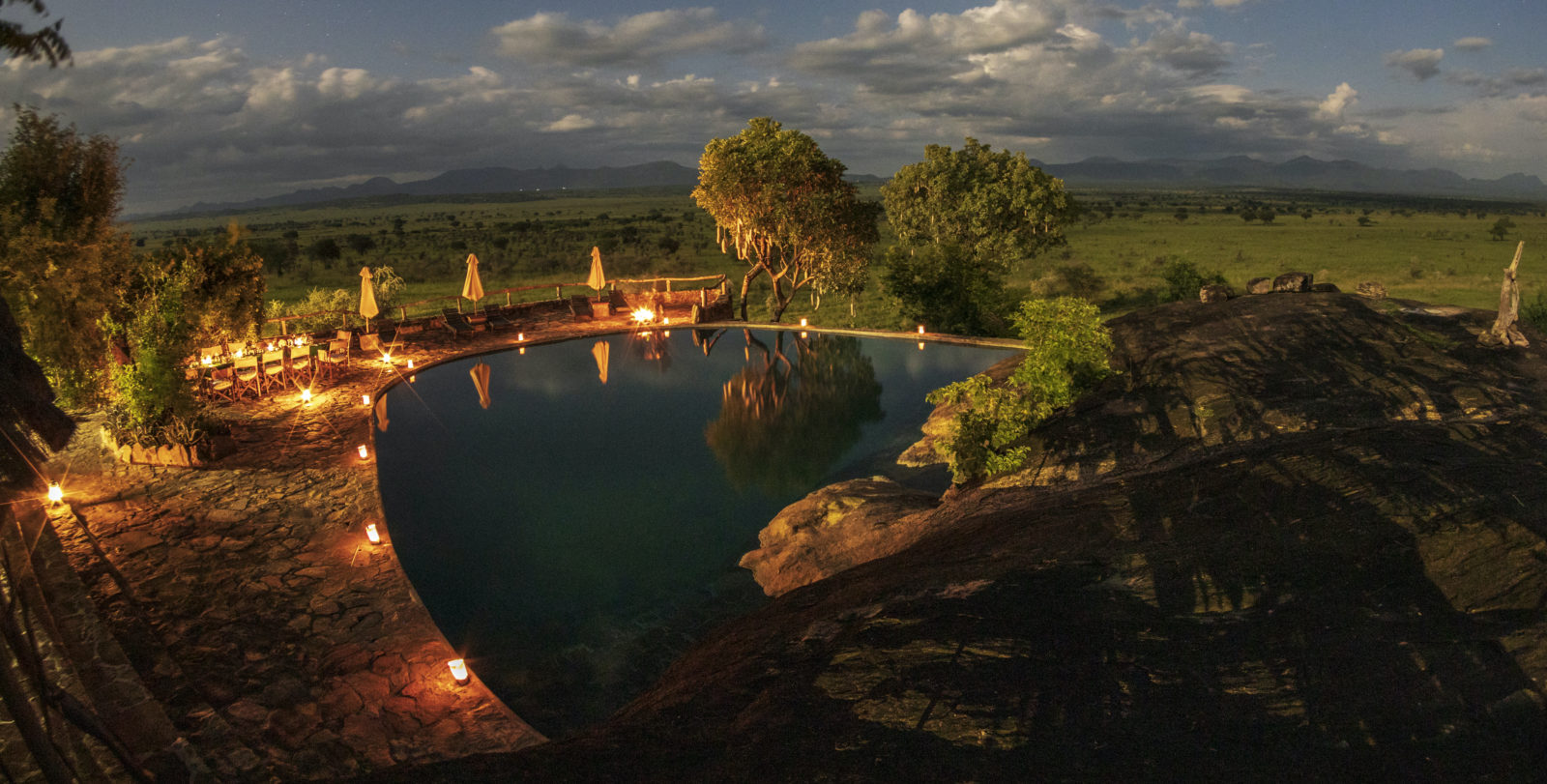
Kidepo Safari Lodges
Kidepo Safari Lodges
Kidepo Safari Lodges: The Definitive Guide to Staying in Uganda’s Wild North.
Kidepo Valley National Park is Uganda’s most remote and for many, most rewarding—safari destination. Its far-northern position, dramatic savannah plains, and cinematic mountain backdrops make it feel like a private wilderness. Choosing the right lodge here isn’t a small detail; it shapes everything: the quality of your game drives, how early you can get on the tracks, whether you’ll enjoy sundowners with uninterrupted views, and how well your stay aligns with your budget and expectations.
This guide breaks down the best ways to pick among Kidepo safari lodges, what to look for (and what to avoid), and how to match accommodation style with the experience you want whether that’s high-comfort serenity or a closer-to-nature bush rhythm. For planning support and curated safari logistics, explore resources and trip options from Turkana Wildlife Safaris.
Why Kidepo Valley National Park Is Worth the Journey
Kidepo is often described as Uganda’s “hidden gem,” but that phrase barely captures the park’s essence. The setting is spacious and raw: open grasslands, seasonal rivers, rugged ridgelines, and a sense of frontier isolation that you don’t easily find elsewhere in East Africa.
What makes the destination exceptional
- Low visitor density compared to more accessible parks
- Excellent predator potential (lions are a major highlight)
- Striking landscapes ideal for photography
- Cultural depth with nearby communities offering meaningful encounters when done respectfully
If you’re building a safari itinerary beyond the classic circuit, you can browse safari planning inspiration through Turkana Wildlife Safaris, especially if you want to combine Kidepo with other northern or cross-border experiences.
Understanding the Kidepo Lodge Landscape (Luxury, Midrange, Budget)
Kidepo accommodation generally falls into three categories. The key is knowing what each category truly delivers in a remote destination where logistics, supplies, and staffing are more complex than in central Uganda.
1) Premium / High-end stays
Best for: couples, photographers, special occasions, travelers prioritizing comfort and views.
Typical features:
- Larger rooms or cottages with ensuite bathrooms
- Elevated viewpoints (often with valley panoramas)
- High service ratio, curated dining, strong guiding support
- More reliable power solutions and warm showers
2) Midrange lodges and camps
Best for: most safari travelers—comfortable and practical without “ultra-luxury” pricing.
Typical features:
- Comfortable rooms/bandas/tents
- Good meals, solid staffing, and clean facilities
- Often very well located for game drives
- Great balance of value and experience
3) Budget options (simple bandas/campsites)
Best for: overlanders, backpackers, or travelers building long multi-park journeys.
Typical features:
- Basic rooms or camping
- Shared facilities possible
- Lower-cost, flexible stays
- Often a more “bush” experience, especially at night
To align your accommodation with your route and transport (fly-in vs road trip), consider consulting operators who routinely plan the north Turkana Wildlife Safaris is a useful starting point for itinerary design and logistics.
How to Choose the Best Kidepo Safari Lodge for Your Trip
Not all lodges are equal in what matters most on safari. In Kidepo, these factors are especially important:
Location: proximity to game-drive circuits
Ask:
- How long does it take to reach prime game areas?
- Can you start early morning drives quickly?
Being closer to key habitats can translate to more wildlife time and less transit.
Views and setting
Kidepo is famous for its scenery. A lodge that maximizes sunrise/sunset vistas can make downtime feel like part of the safari.
Guiding and vehicle quality
If your lodge includes activities:
- Confirm the guiding standards
- Ask about vehicle type and condition
- Clarify whether drives are private or shared
Power, water, and comfort in remote conditions
Remote lodges can have:
- Solar power schedules
- Limited charging hours
- Hot water availability windows
None of this is a deal-breaker—if you know what you’re booking.
Food and dietary flexibility
If you have dietary requirements, confirm ahead:
- Vegetarian/vegan needs
- Allergies
- Gluten-free preferences
Recommended Kidepo Safari Lodges: What to Expect.
Rather than repeating the same “best lodge” list you see everywhere, here’s a practical view: what kind of experience each lodge style supports, and who it’s best for.
Elevated, view-forward stays (best for romance + scenery)
These options prioritize:
- Panoramic vistas
- Quiet privacy
- Strong “destination lodge” feel
Ideal if you want your accommodation to be a highlight—not just a place to sleep.
Well-placed safari bases (best for wildlife time + value)
Choose these if you care most about:
- Efficient access to game-drive areas
- Straightforward comfort
- Excellent value per night
These tend to be the smartest pick for first-time Kidepo visitors.
Practical budget bases (best for long overland trips)
These suit travelers who:
- Are comfortable with basic facilities
- Prefer spending on drives rather than lodging
- Want maximum itinerary flexibility
If you’d like help matching your accommodation to a complete route (including transfers and park permits), you can explore planning services via Turkana Wildlife Safaris.
What to Do from Your Lodge: Activities That Define Kidepo
Kidepo is not only about game drives though those are excellent. The right lodge can also facilitate cultural and nature-based activities that add depth without feeling like “tourist filler.”
Classic game drives (morning and late afternoon)
Expect:
- Big-sky landscapes
- Great chances for lions and other predators
- Superb birdlife and wide grazing herds
Guided nature walks (where available)
These can be powerful for:
- Learning tracks and signs
- Understanding plant ecology
- Appreciating the park’s smaller details
Community and cultural visits
A respectful cultural encounter can be meaningful when:
- Visits are not exploitative
- Communities set terms and benefit fairly
- Experiences are educational, not performative
Work with reputable planners to ensure ethical standards operators like Turkana Wildlife Safaris can advise on responsible add-ons and timing.
Best Time to Stay in Kidepo: Season-by-Season Lodge Strategy
Kidepo is generally accessible year-round, but seasons can change how your lodge choice feels.
Dry seasons (often best for wildlife viewing)
Benefits:
- Easier roads
- Wildlife concentrates near water
- Clearer photography conditions
Lodge tip: book early—availability can tighten in peak months.
Wet seasons (dramatic skies + quieter park)
Benefits:
- Fewer visitors
- Lush landscapes
- Excellent birding
Lodge tip: pick accommodations with strong logistics (good power, reliable access routes, consistent service).
Getting to Kidepo: Why Logistics Matter for Lodge Selection
The “best lodge” is the one you can reach comfortably and on time especially in a remote region.
Road transfers
Overland travel can be rewarding but long. Choose a lodge that:
- Supports flexible check-in
- Offers meals even if you arrive late
- Understands the realities of northern roads
Fly-in access
If you fly:
- Coordinate transfers precisely
- Choose lodges experienced with airstrip pickups
- Confirm luggage limits (common on light aircraft)
For end-to-end planning (transport + lodge + park time), visit Turkana Wildlife Safaris and cross-check itineraries that include northern Uganda.
What to Pack for a Lodge Stay in Kidepo
Even a high-end lodge won’t change the fundamentals of a remote safari environment.
Bring:
- Neutral-colored clothing (dust-friendly tones)
- A warm layer for early mornings
- A headlamp/torch
- Insect repellent
- Binoculars
- A good camera cleaning kit (dust is real)
Optional but valuable:
- A small power bank
- A reusable water bottle
- A compact rain layer (even in “dry” months)
Sample 3–5 Night Kidepo Lodge Itinerary
3 nights (high-impact, time-efficient)
- Day 1: Arrive + sunset drive
- Day 2: Morning drive + midday rest + afternoon drive
- Day 3: Morning drive + optional community visit
- Day 4: Depart
5 nights (ideal for photographers and slow travel)
- Add: extra drives, a rest day, longer golden-hour sessions, and a guided walk where available.
To build a seamless version of this itinerary with your preferred lodge category, check options and planning support through Turkana Wildlife Safaris.
Frequently Asked Questions (FAQ)
1) How many nights should I stay in Kidepo?
Plan at least 3 nights to justify the travel time. 4–5 nights is ideal if you want relaxed pacing and better odds for predator sightings.
2) Are Kidepo safari lodges safe?
Yes, lodges operate with established safety protocols. Follow staff guidance, especially after dark, and avoid walking alone outside designated areas.
3) Do lodges in Kidepo offer Wi‑Fi and charging?
Some do, but connectivity can be limited. Many properties rely on solar power with charging schedules. Bring a power bank if you’re traveling with multiple devices.
4) Is Kidepo suitable for a luxury safari?
Absolutely. Kidepo’s remoteness actually enhances the luxury feeling privacy, views, and exclusivity. The key is choosing a lodge with strong logistics and consistent service.
5) Can I combine Kidepo with other Uganda parks in one trip?
Yes. Many travelers combine it with Murchison Falls, or build a broader circuit. For itinerary help and routing ideas, you can consult Turkana Wildlife Safaris.