
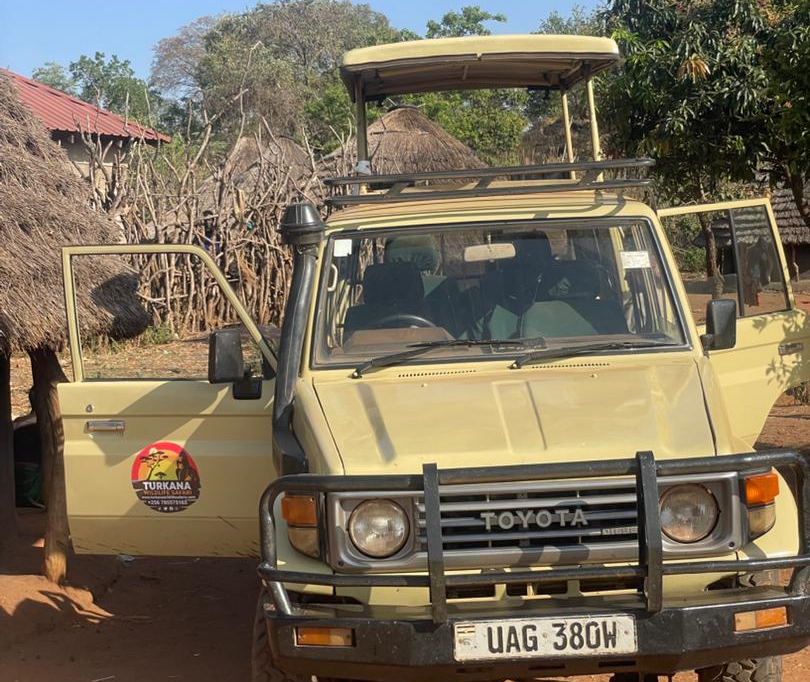
Uganda Safari Experience on Budget
Uganda Safari Experience on Budget
Uganda Safaris on a Budget How to Experience the Pearl of Africa for Less (Without Missing the Magic)
Uganda has a rare talent: it delivers “once-in-a-lifetime” wildlife encounters with a down-to-earth feel that makes the dream surprisingly attainable. From misty rainforest treks to open savannah game drives, budget-friendly Uganda trips can still feel richly curated if you know what to prioritize, when to travel, and which costs truly matter.
This guide shows how to plan Uganda safaris on a budget intelligently: cutting waste, not quality. Along the way, you’ll find practical strategies, suggested itineraries, and cost-saving choices that keep the experience authentic without turning the adventure into a compromise.
Why Uganda Is Perfect for a Budget Safari
Uganda often flies under the radar compared with some of its neighbors, yet it offers an extraordinary blend of landscapes and species. With smart planning, you can combine primates, classic safari wildlife, and cultural experiences in a single trip often at a lower overall cost than many other top African destinations.
Key reasons it works well for cost-conscious travelers:
- Shorter internal distances compared to larger countries can reduce fuel and transport time
- Diverse parks in one itinerary make it easier to “bundle” experiences
- A wide range of accommodation from basic camps to mid-range lodges allows flexibility
- Strong value in guided services, especially when traveling in small groups
If you want a well-rounded plan with local insight, start with safari options from Turkana Wildlife Safaris, which can be tailored to match both budget and interests.
The Real Cost Drivers (and How to Control Them)
Most travelers overspend not because Uganda is expensive, but because they pay for convenience in the wrong places. Focus on the big-ticket items first.
1) Gorilla and Chimp Permits (Primates Are the Premium)
For many visitors, the highlight is meeting mountain gorillas. The permit is often the single largest expense in the entire trip, and it’s usually non-negotiable.
How to manage it without losing the experience:
- Build the rest of the trip around the permit date, not the other way around
- Choose simpler accommodation near the trekking area
- Limit extra “add-ons” on gorilla days (private transfers, luxury upgrades)
If gorilla trekking is a must, consider pairing it with lower-cost parks for the rest of the trip so your overall budget stays balanced.
2) Transport (Where Budgets Quietly Disappear)
Uganda’s roads can be slow, and long transfers quickly become costly if you insist on private, door-to-door movement every day.
Budget-friendly transport strategies:
- Use a single well-planned circuit rather than jumping between distant parks
- Travel with a small group (shared vehicle costs)
- Minimize one-night stops that create “transfer-heavy” itineraries
To compare different routing ideas, explore sample tours from Turkana Wildlife Safaris and ask for a route that reduces backtracking.
3) Accommodation (You Can Save a Lot Without Feeling It)
You don’t need luxury to enjoy Uganda. Many budget lodges and camps still offer:
- Great locations close to park gates
- Clean rooms, hot showers, and solid meals
- Friendly staff with excellent local knowledge
Savings tip: choose comfort where it matters (near trek start points), and go simpler on “transit nights.”
When to Go for the Best Deals
Uganda has two main travel seasons, and timing can dramatically affect cost.
Best Value Periods (Shoulder Seasons)
Shoulder seasons often provide the best mix of:
- Decent wildlife viewing
- Lower lodge rates
- Less crowding
Peak Season
Peak months bring higher prices and tighter availability especially around primate permits and popular lodges.
Budget rule: if you’re set on peak season, lock permits early and accept that accommodation may need to be more basic to compensate.
Best Parks for Budget-Friendly Wildlife Viewing
Uganda is not only about gorillas. If you want classic safari scenes at reasonable cost, add one or more of these:
Murchison Falls National Park
A rewarding blend of:
- Game drives with elephants, giraffes, and lions
- Boat cruises with hippos and crocodiles
- A dramatic waterfall viewpoint
Queen Elizabeth National Park
Known for:
- Diverse habitats and high wildlife variety
- Boat rides on the Kazinga Channel
- The chance of tree-climbing lions in Ishasha (seasonal and luck-dependent)
Lake Mburo National Park
Perfect for:
- Short trips and tight budgets
- Walking safaris and cycling options
- Zebra and antelope sightings close to Kampala/Entebbe
For ideas that combine these parks efficiently, check travel concepts from Turkana Wildlife Safaris and request for a budget.
Budget Gorilla Trekking: How to Make It Work
Gorilla trekking is emotional, immersive, and unlike anything else but it’s also the most expensive line item.
Ways to keep it affordable:
- Stay in budget camps in the Bwindi area
- Trek once (not multiple days) and invest the rest in broader wildlife experiences
- Choose a two-park itinerary rather than attempting “everything”
If you’re unsure whether to do gorillas or chimps, a blended plan can work well: gorillas as the “premium day,” and other parks as the value backbone.
Sample Budget Itineraries
3–4 Days: Classic Short Safari (Best for Quick Value)
Ideal focus:
- Murchison Falls with a game drive + boat cruise
Why it’s budget-friendly:
- One main destination, fewer long transfers
- Strong wildlife density without paying for premium primate permits
6–7 Days: Uganda Highlights on a Budget
A strong mid-length plan:
- Murchison Falls
- Queen Elizabeth
- Optional chimp tracking (if budget allows)
This gives you the “big safari feel” without committing to high permit costs.
8–10 Days: The Balanced Experience (Including Gorillas)
A well-rounded route:
- Queen Elizabeth (or Murchison)
- Bwindi gorilla trek
- Lake Mburo on the return
This structure keeps the gorilla experience while ensuring the trip still includes broader wildlife and scenery.
To refine these into a bookable plan, see Uganda safari options and ask for a version that prioritizes budget lodges and shared-cost logistics.
How to Save Money Without Sacrificing the Safari Feel
These are “high-impact” cost reductions that preserve the essence of the trip:
- Travel in a small group instead of solo private touring
- Pick fewer parks, but spend more time in each
- Choose local, seasonal meals rather than imported menus
- Avoid constant hotel hopping—2-night stays reduce costs and fatigue
- Be selective with activities: one great boat cruise beats three mediocre extras
What to Pack (So You Don’t Have to Buy It Expensively)
Budget travel becomes expensive when you buy essentials at the last minute. Bring:
- Lightweight rain jacket (Uganda is green for a reason)
- Neutral safari clothing (quick-dry)
- Closed hiking shoes for treks
- Insect repellent and sunscreen
- Reusable water bottle
- Power bank (especially in remote lodges)
FAQ: Uganda Safaris on a Budget
1) Is Uganda a good destination for first-time safari travelers on a tight budget?
Yes. You can experience big wildlife parks like Murchison Falls and Queen Elizabeth without needing premium permits, and accommodation ranges widely.
2) Can I do Uganda without gorilla trekking and still have an amazing trip?
Absolutely. Many travelers build budget itineraries around game drives, boat cruises, and cultural experiences—and still leave amazed.
3) What’s the cheapest way to structure a safari itinerary?
Choose one or two parks maximum, minimize transfer days, stay in budget lodges close to park gates, and share vehicle costs where possible.
4) Is it safe to travel in Uganda for a safari?
Uganda is generally welcoming and tourism-friendly. Safety improves with a reputable operator and sensible travel habits.
5) Where can I find reputable budget-focused safari planning help?
A practical starting point is Turkana Wildlife Safaris, where you can request a cost-optimized route with realistic travel times.
Final Thoughts: Affordable Doesn’t Mean Ordinary
Uganda rewards travelers who plan with intention. When you cut the right costs excess transfers, unnecessary upgrades, inefficient routing you protect what matters: time in nature, meaningful encounters, and the quiet thrill of seeing the wild world up close.