
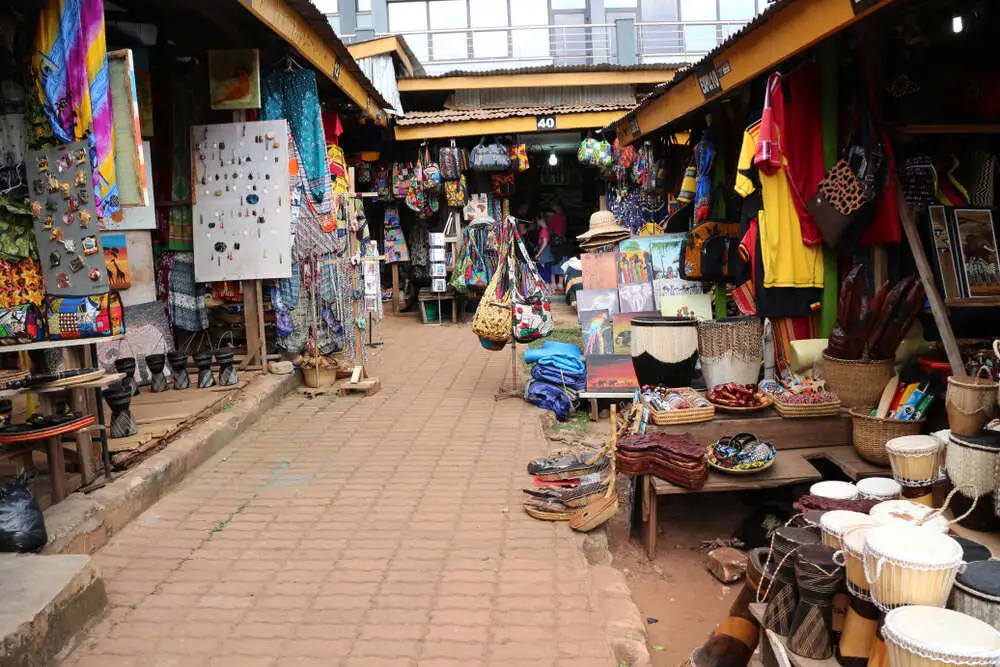
Uganda Cultural Shopping
Uganda Cultural Shopping
Uganda Cultural Shopping: A Curated Guide to Authentic Crafts, Markets & Meaningful Souvenirs.
Uganda’s shopping scene is far more than a hunt for souvenirs, it’s an immersive way to meet the country through texture, color, craft, and story. From handwoven baskets to bark cloth and beadwork, cultural shopping in Uganda connects you directly to communities, heritage, and living traditions.
Why Uganda Cultural Shopping Is Worth Building Into Your Itinerary
Cultural purchases in Uganda are often handcrafted, small-batch, and deeply symbolic. Shopping becomes a form of cultural exchange—your money supports artisans, and your items carry meaning beyond décor.
Key benefits:
- Helps sustain traditional crafts and household livelihoods
- Offers genuinely unique items (not mass-produced imports)
- Creates a personal connection to places you visit
- Makes for thoughtful gifts with a story attached
If you’re traveling with a tour operator, you can often combine market stops with cultural experiences. Explore trip options via Turkana Wildlife Safaris for itineraries that can incorporate local craft encounters.
What to Buy: Authentic Ugandan Crafts With Cultural Depth
1) Handwoven Baskets & Mats (Raffia, Papyrus, Banana Fiber)
Ugandan basketry is famously intricate, with tight weaving and earthy dyes. Look for:
- Katoogo baskets, storage baskets, and lidded designs
- Table mats and wall décor
- Color patterns that reflect local aesthetics and symbolism
Buying tips:
- Inspect stitching tightness (loose weaves fray faster)
- Ask whether dyes are natural (some may run if damp)
Related travel planning: Pair craft shopping with regional experiences via Uganda safaris.
2) Bark Cloth (Uganda’s UNESCO-Recognized Heritage Textile)
Bark cloth, traditionally made from the mutuba tree (fig tree), is one of Uganda’s most iconic cultural textiles. It’s used for:
- Wall hangings and art pieces
- Fashion accessories
- Ceremonial and cultural attire elements
How to choose:
- Prefer thicker pieces with uniform texture
- Avoid overly brittle cloth that may crack when folded
3) Beadwork & Jewelry (Necklaces, Bracelets, Anklets)
Beadwork varies by community and occasion often representing identity, beauty, and social expression. You’ll find:
- Statement necklaces
- Minimalist bead bracelets
- Earring sets in bold colors
Quality check:
- Look for strong thread/cord and secure clasps
- Check for sharp bead edges that can cut thread
4) Wooden Carvings & Sculptures
From animal sculptures to masks and figurines, woodcraft is a popular purchase especially near tourist hubs.
Smart buying:
- Choose smooth finishes with no “green wood” smell (fresh wood may crack later)
- Ask what type of wood was used
- Avoid items that resemble protected wildlife products
If you’re visiting wildlife regions and want a balanced itinerary (nature + crafts), browse Safari tours in Uganda.
5) Traditional Musical Instruments
Common options include:
- Drums
- Thumb pianos
- Shakers
They’re excellent cultural keepsakes, but verify airline baggage rules if carrying larger items.
6) Paintings & Contemporary Ugandan Art
Uganda’s art scene includes colorful canvas work, landscape paintings, and modern pieces influenced by tradition. Choose art that:
- Has a protective varnish layer
- Comes rolled (if possible) for easier packing
- Is signed by the artist when available
Where to Shop: Top Places for Cultural Shopping in Uganda
Kampala: The Best Start for Variety
Kampala offers the widest selection of crafts, textiles, and art. You can often compare prices across multiple stalls in one day.
What you’ll typically find:
- Beadwork and jewelry
- Bark cloth products
- Paintings and crafts for gifting
Entebbe: Convenient Shopping Near the Airport
Entebbe is ideal for last-minute purchases before you fly. Many items here are curated for travelers, sometimes with slightly higher prices but good convenience.
If your itinerary begins/ends near Entebbe and you’re planning a broader trip, see Tour packages that align market visits with major attractions.
Near National Parks: Small Artisan Stalls & Community Projects
In areas around major parks, you’ll often find:
- Community craft cooperatives
- Handmade souvenirs aligned with conservation themes
- Basketry and carvings
This is a great time to buy ethically because many stalls are directly connected to local livelihoods.
You can align craft stops with nature experiences like gorilla trekking or broader Uganda safari planning.
How to Shop Respectfully (And Still Get Good Value)
Negotiation Etiquette That Works
Bargaining is common in many markets, but it should be friendly and fair.
Best practices:
- Ask the price politely
- Counteroffer modestly (avoid extreme lowballing)
- Pay a fair price for skilled labor
- If you’re not serious, don’t start heavy negotiations
Ethical Buying: What to Avoid
For responsible cultural shopping:
- Avoid wildlife products (ivory, turtle shell, etc.)
- Be cautious with “antique” items unless provenance is clear
- Choose community-based craft groups when possible
Consider pairing responsible shopping with eco-focused travel; browse Turkana Wildlife Safaris for nature-forward itineraries.
Packing & Transport: Keeping Crafts Safe
Quick Packing Checklist
- Wrap wooden items in clothing or bubble wrap
- Keep bark cloth flat or gently rolled
- Use zip bags for beadwork to prevent tangling
- Ask for a sturdy box for delicate carvings
For larger items:
- Ask sellers if they can package for air travel
- Confirm airline checked baggage rules
Cultural Shopping Routes (Simple Itinerary Ideas)
Option A: Kampala Craft Day + Cultural
- Morning: market craft browsing
- Afternoon: artisan workshop or cultural center visit
- Evening: curated craft store stop for quality pieces
Option B: Park Visit + Community Craft Stop
- Morning: game drive / nature activity
- Midday: local craft cooperative
- Afternoon: scenic transfer + photography
To combine shopping with iconic activities, explore Uganda safaris or gorilla trekking tours.
FAQ: Uganda Cultural Shopping
1) What are the best authentic souvenirs to buy in Uganda?
Handwoven baskets, bark cloth items, beadwork jewelry, wooden carvings, and locally made art are among the most culturally significant and widely available choices.
2) Is bargaining expected in Uganda’s markets?
Yes, bargaining is common in many craft markets. Keep it respectful—aim for fairness rather than “winning.”
3) How can I ensure I’m buying ethically made crafts?
Buy from cooperatives or stalls where artisans can explain the process. Avoid wildlife products and question “antique” claims without proof.
4) Where can I shop if I’m short on time before flying?
Entebbe is convenient for last-minute shopping due to proximity to the airport and traveler-oriented craft outlets.
5) Can I combine cultural shopping with a safari itinerary?
Yes. Many travelers add market and craft stops to wildlife routes. See itinerary ideas on Turkana Wildlife Safaris, including Uganda safaris and gorilla trekking.