
What Should I Wear for Gorilla Trekking
What Should I Wear for Gorilla Trekking
What to Wear for Gorilla Trekking: The Complete, Practical Packing Guide.
Gorilla trekking is one of the most exhilarating wildlife experiences on Earth but it’s also a physically demanding hike through dense, wet, and often muddy rainforest terrain. What you wear can make the difference between an unforgettable adventure and an uncomfortable struggle.
Dress for Gorilla Trekking: The Core Rule
Your clothing should be protective, breathable, quick-drying, and layerable. Expect:
- Thick vegetation (scratches and stings)
- Mud, rain, humidity, and temperature shifts
- Long hikes on steep, slippery trails
- Insects and nettles
If you’re still choosing a destination or planning a safari itinerary, check:
The Best Outfit for Gorilla Trekking (Head-to-Toe)
1) Tops: Long-Sleeve, Moisture-Wicking Layers
Wear:
- A lightweight long-sleeve base layer (sweat-wicking)
- A mid-layer (fleece or light insulated jacket) for cool mornings
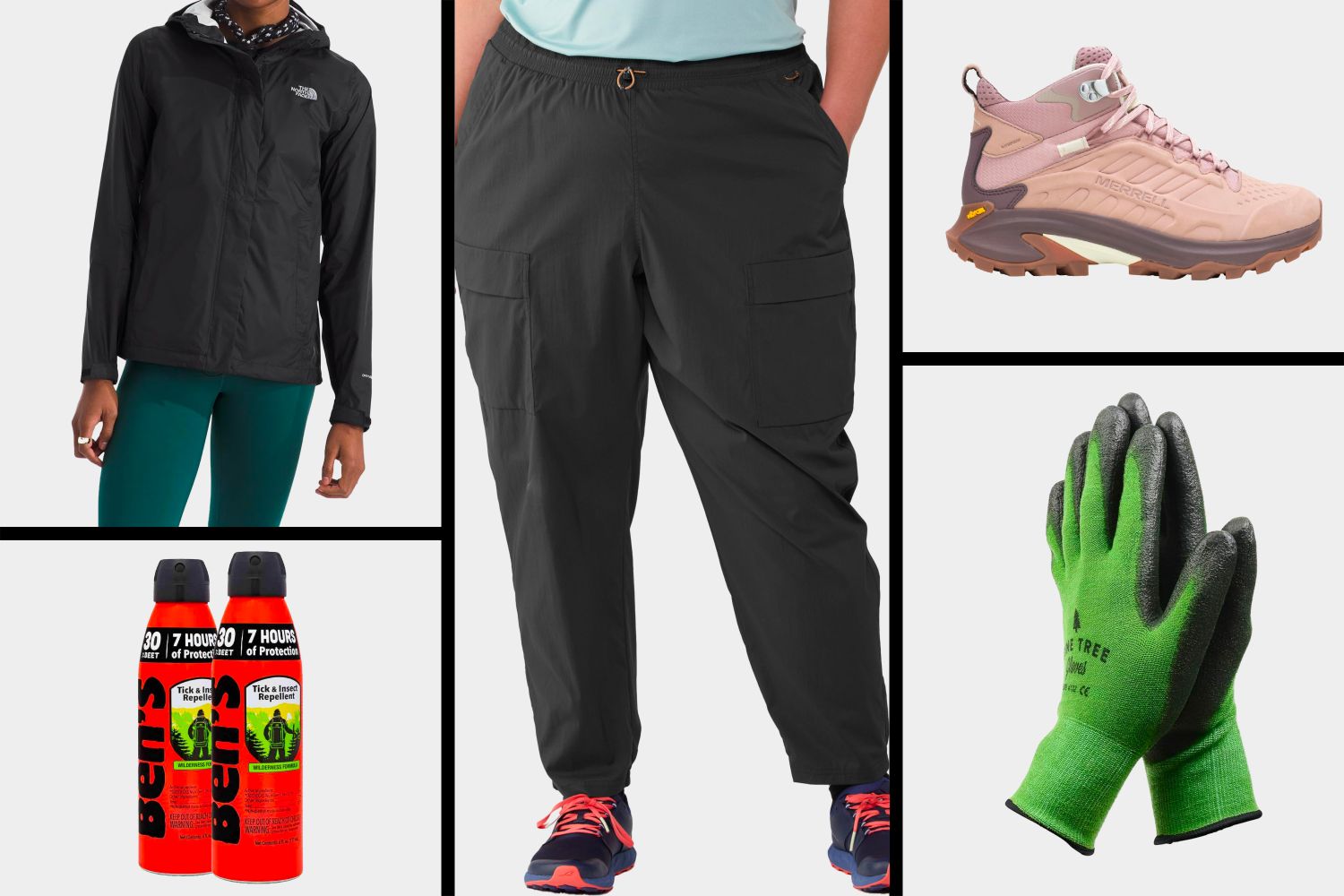
- A waterproof shell (rain jacket) if rain is likely
Avoid: cotton (gets heavy when wet, chills you later).
2) Pants: Tough, Lightweight, and Long
Wear:
- Long trekking pants (quick-dry, rip-resistant)
- Consider convertible pants only if they zip back to full-length easily (you want legs covered most of the time)
Why long pants matter: protection from nettles, ants, thorns, and mud.
3) Footwear: Waterproof Hiking Boots with Strong Grip
Your boots should be:
- Waterproof (or highly water-resistant)
- Ankle-supporting
- Aggressive tread for mud
- Already broken in (no new boots on trek day)
Optional but excellent: gaiters (keep mud/leechy water out of boots).
4) Socks: The Unsung Hero
Wear:
- Merino wool or high-quality trekking socks
- Bring an extra pair (wet feet can happen)
Pro tip: sock liners can reduce blisters if you’re prone to hot spots.
5) Gloves: Protect Your Hands
Rainforest trails often require grabbing vines, branches, or steep roots.
Wear:
- Light gardening gloves or trekking gloves with grip
This one item dramatically improves comfort and protects against stings.
6) Rain Protection (Even in “Dry” Season)
Carry or wear:
- Packable rain jacket
- Rain cover for your daypack
- Optional: poncho (works well but can snag on brush)
7) Hat + Neck Protection
Wear:
- A brimmed hat or cap for sun/rain
- Optional: buff/neck gaiter for dust, chill, or extra sun protection
Best Colors for Gorilla Trekking
Choose neutral, muted tones:
- Olive, khaki, grey, brown, muted green
Avoid:
- Bright colors (can attract insects and stand out)
- Camouflage patterns (sometimes restricted in certain countries)
What to Pack in Your Daypack (Clothing-Related)
Bring a small daypack with:
- Light rain layer
- Extra socks
- Water + snacks
- Sunscreen (yes, even in forest openings)
- Insect repellent
- Dry bag for electronics
- Basic blister kit (plasters, tape)
For guided tour planning and logistics, start here:
Do You Need Special Gear?
Not always, but these add major comfort:
- Gaiters (highly recommended in muddy months)
- Trekking poles (knee-saver on steep descents)
- Quick-dry base layers (worth it)
Some destinations offer rentals locally, but it’s better to bring critical items if possible.
FAQ: Gorilla Trekking Clothing (5 Quick Answers)
1) Can I wear leggings for gorilla trekking?
You can, but it’s better to wear tough trekking pants over them. Leggings alone snag easily and offer less protection.
2) Are jeans okay?
No, jeans are heavy when wet, restrict movement, and dry slowly. Choose quick-dry hiking trousers instead.
3) Do I really need gloves?
Strongly recommended. Trails often require holding vegetation or climbing over slippery sections—gloves prevent scratches and stings.
4) Do I need a heavy jacket?
Usually not. A light fleece + rain shell is ideal. Conditions change quickly, especially in higher-altitude parks.
5) What if it rains the whole day?
Wear quick-dry layers, keep your pack covered, and use waterproof boots + gaiters. Bring a dry bag for valuables.