
About Uganda Permits
About Uganda Permits
Uganda National Park Permits: A Complete, Practical Guide.
Uganda is one of Africa’s most compelling safari destinations home to misty montane forests, sweeping savannahs, rare primates, and iconic big game. But to experience it legally and smoothly, you need the right Uganda national park permits. These permits are more than tickets: they regulate conservation impact, manage visitor numbers, and fund park protection and community initiatives.
This guide breaks down the major permit types, what they cost (at a high level), how they’re booked, what rules to follow, and how to avoid common mistakes.
Why Uganda National Park Permits Matter
Permits in Uganda play three vital roles:
- Conservation funding: Fees support park management, anti-poaching, and habitat protection.
- Visitor control: Activities like gorilla and chimp tracking have strict daily limits.
- Safety & quality: Rangers, tracking teams, and visitor protocols depend on structured permitting.
If you’re building an itinerary, permits are often the first thing to confirm especially for primate experiences.
Key Types of Uganda National Park Permits (What You May Need)
Uganda’s permit needs depend on which park and which activity you choose. Most travelers encounter one or more of these:
1) Gorilla Trekking Permits
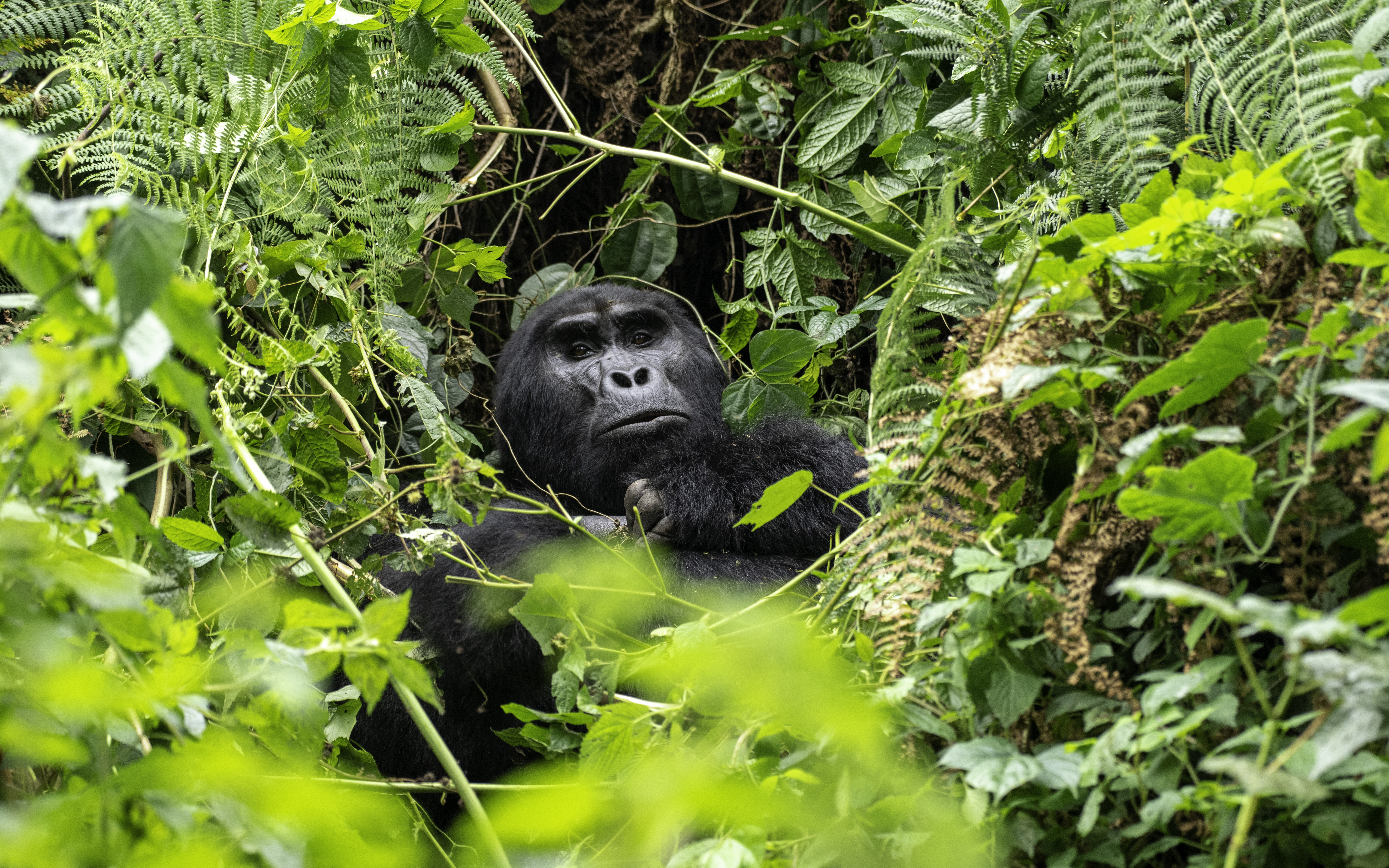
The most in-demand permit in Uganda required for trekking mountain gorillas in:
- Bwindi Impenetrable National Park
- Mgahinga Gorilla National Park
Gorilla trekking permits are limited per day and often sell out months in advance during peak travel seasons.
Planning reference:
- Explore safari planning ideas via Turkana Wildlife Safaris (site)
2) Chimpanzee Tracking Permits
Required for tracking chimpanzees in popular areas such as:
- Kibale Forest National Park
- (also available in select reserves/forests depending on season and management)
Chimp permits are generally easier to secure than gorilla permits, but still can be limited during high season.
3) Golden Monkey Permits (Mgahinga)
For travelers who want an additional primate experience—often paired with gorilla trekking in the southwest.
4) Game Drive / Park Entry Fees
Savannah parks and many forest parks require:
- Park entry fees (daily or per set duration)
- Potentially activity fees (e.g., game drive, boat cruise, ranger guide)
Common parks include:
- Queen Elizabeth National Park
- Murchison Falls National Park
- Lake Mburo National Park
- Kidepo Valley National Park
5) Specialized Activity Permits
Depending on your route and interests, you may also need:
- Boat cruise fees (e.g., Nile or Kazinga Channel cruises)
- Hiking permits (e.g., Rwenzori / volcano hikes)
- Birding fees or guided nature walk fees
- Community and cultural experience fees (varies by site)
Who Issues Uganda National Park Permits?
Permits are typically managed by the Uganda Wildlife Authority (UWA) for national parks and many key wildlife experiences. Some experiences especially in private or community-run areas may have separate local management.
You can obtain permits:
- Directly (where allowed and practical)
- Through a licensed tour operator (recommended for most visitors)
- Through a travel planner that bundles permits + logistics
For itinerary support and safari structuring, see:
- Turkana Wildlife Safaris (Uganda & East Africa safari planning)
How to Book Uganda National Park Permits (Step-by-Step)
Step 1: Choose Your Target Experience (Start With the Rare Ones)
If your trip includes gorilla trekking, confirm:
- Preferred park (Bwindi vs. Mgahinga)
- Preferred dates
- Fitness level and trek expectations
Step 2: Confirm Availability Early
Gorilla permits are the most time-sensitive. Many travelers book:
- 3–6 months ahead (or more for peak season)
Step 3: Reserve Through a Trusted Channel
Three common approaches:
- Direct booking: Can work for experienced planners who already know park logistics.
- Tour operator booking: Simplifies transport, lodging, permits, and timing.
- Full-service itinerary: Best for multi-park trips with transfers and domestic flights.
Start planning here:
- Turkana Wildlife Safaris (trip ideas & contact)
Step 4: Pay and Receive Confirmation
You’ll receive proof of purchase/booking confirmation. Keep digital and printed copies.
Step 5: Prepare Documents for the Trek/Activity Day
Typically include:
- Passport (or ID used in booking)
- Booking reference
- Any required health or briefing forms (depending on activity)
Uganda Gorilla Permit: What to Know (Without the Confusion)
Gorilla trekking is tightly managed to protect gorillas and reduce disease risk. Expect:
- Strict group sizes
- Time limits with the gorillas once located
- Mandatory ranger guides
- Rules on distance, behavior, and photography
Gorilla Trekking Rules (Common Guidelines)
While exact protocols can be updated, standard rules include:
- Do not trek if you are sick (especially with flu-like symptoms)
- Keep a respectful distance from the gorillas
- No flash photography
- Keep voices low; avoid sudden movements
- Follow ranger instructions at all times
These rules protect both you and the gorillas.
Uganda Chimpanzee Permits: Expectations and Timing
Chimp tracking tends to be more dynamic than gorilla trekking because chimps move quickly and are often vocal and active.
Common planning considerations:
- Morning vs afternoon sessions
- Forest terrain and potential mud in rainy months
- Photography conditions under canopy shade
If you want a primate-heavy itinerary, combining chimp tracking with gorilla trekking creates a strong “primate circuit.”
Typical Permit Costs: What Influences Pricing?
Permit costs vary by:
- Activity type (gorilla tracking is premium)
- Visitor category (international vs resident vs citizen pricing)
- Season (some products have seasonal rates or promotions)
- Park policies and revisions (fees can change)
Because rates change, the best approach is:
- Confirm pricing at the time of booking
- Ensure your operator quotes permits separately (or clearly itemized)
For a structured safari quote, you can start with:
- Turkana Wildlife Safaris (request itinerary support)
Common Mistakes to Avoid When Securing Uganda Park Permits
Avoid these frequent permit pitfalls:
- Booking flights before securing gorilla permits
- Assuming permits are transferable (often they are not, or changes have restrictions)
- Not matching names exactly as per passport
- Choosing impossible routing (e.g., too many parks without transfer time)
- Underestimating trek difficulty (especially for Bwindi’s terrain)
Permit Logistics: Matching Parks With the Right Plan
Uganda can be deceptively large in driving time. A permit is only useful if your itinerary can realistically reach the park in time.
Helpful planning checks
- How many hours are you driving between parks?
- Are roads seasonal (rainy months can slow travel)?
- Do you need domestic flights to save time?
- Is your lodge location aligned with your gorilla sector/track start point?
If you want a well-paced route, consult:
- Turkana Wildlife Safaris (East Africa safari planning)
When to Travel: Seasonality and Permit Availability
Peak season (typically drier months)
Pros:
- Easier trekking conditions
- Better road access
- High wildlife viewing consistency
Cons:
- Permits sell out faster
- Lodges fill quickly
Low/green season (wetter months)
Pros:
- Lusher scenery and fewer crowds
- Potentially better lodge deals
Cons:
- Muddy trails, slower driving
- Some activities become more challenging
Your best strategy: pick your dates based on your priorities (comfort, budget, photography, crowds), then lock permits.
How a Safari Operator Helps With Permits (Why It’s Often Worth It)
A capable operator doesn’t just “buy permits.” They integrate the permits into your entire travel logic:
- Aligning your gorilla sector with lodge location
- Building realistic driving times and rest days
- Coordinating park briefing times and transfers
- Re-checking policies and updates
- Advising on gear and fitness expectations
If you want support assembling permits + itinerary + lodging:
- Turkana Wildlife Safaris (start planning)
Recommended Packing Tips for Permit-Based Activities
For gorilla/chimp treks:
- Lightweight rain jacket or poncho
- Long sleeves and long trousers
- Waterproof hiking boots with grip
- Gardening gloves (useful for nettles/vines)
- Daypack with water and snacks
- Insect repellent
- Dry bag for electronics
- Gaiters (optional but helpful)
For savannah game drives:
- Neutral-colored clothing
- Sun protection (hat, sunscreen)
- Binoculars
- Camera with dust protection
FAQ: Uganda National Park Permits
1) How far in advance should I book a Uganda gorilla permit?
For popular travel months, aim for 3–6 months ahead, and earlier if you have fixed travel dates. Last-minute permits can exist but are not guaranteed.
2) Can I do gorilla trekking without a tour operator?
In some cases, yes—but you’ll still need transport, the correct briefing point, and logistics. Many travelers prefer an operator for smoother coordination. You can start comparing options via Turkana Wildlife Safaris.
3) Are permits refundable if I cancel?
Policies vary by permit type and timing. Always confirm cancellation and rescheduling terms before payment.
4) Do children need permits for national parks?
Park entry rules and age limits depend on the activity. Gorilla trekking, for example, commonly has minimum age requirements. Verify for your specific activity.
5) What’s the difference between park entry and activity permits?
Park entry covers access to the park area for a set time, while activity permits cover specific experiences (e.g., gorilla tracking, chimp tracking, boat cruises).