
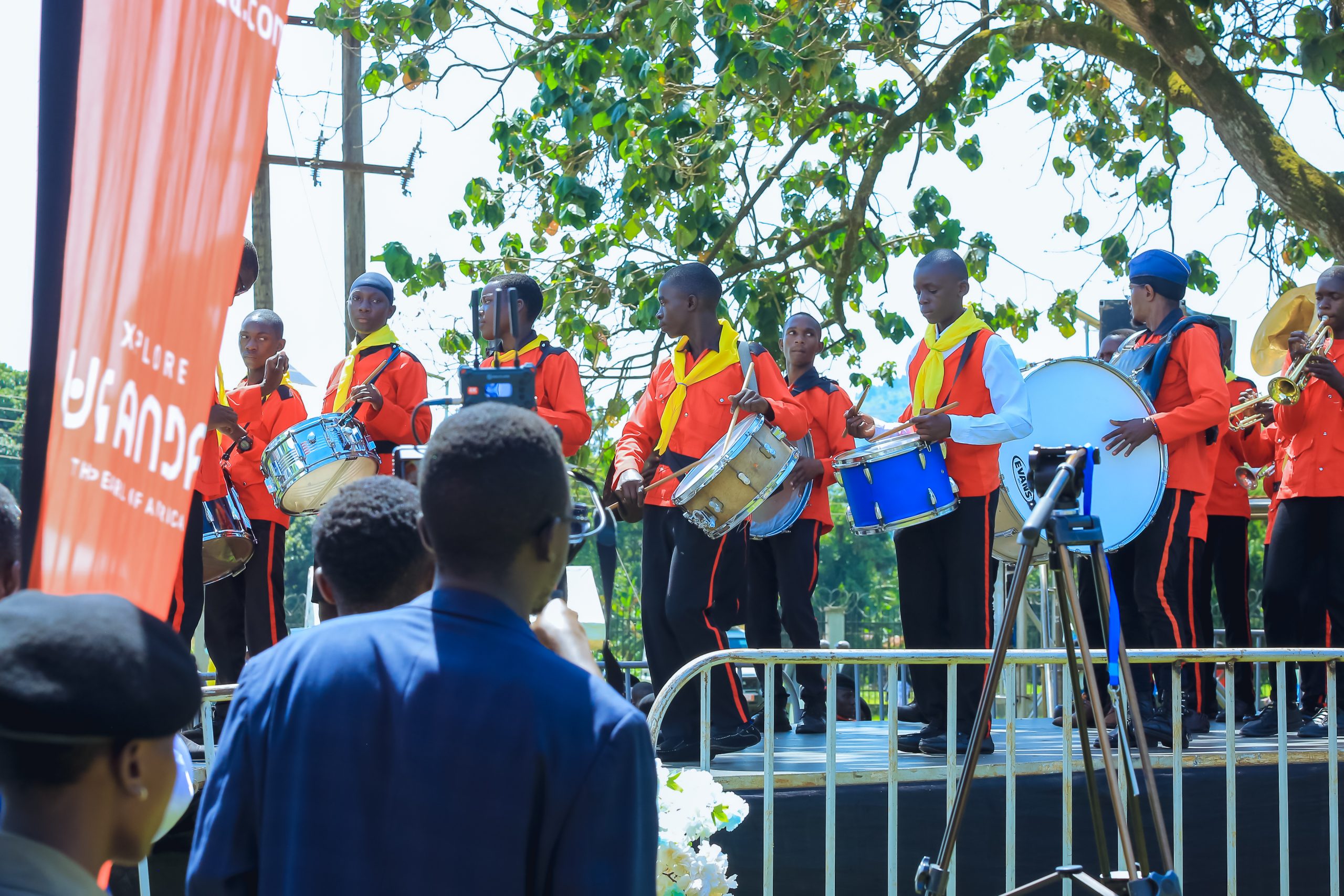
Even Festivals in Uganda
Even Festivals in Uganda
Festivals in Uganda: The Ultimate Guide to Cultural Celebrations, Music, and Traditional Heritage (Plus Where to Go Next)
Uganda is often introduced through its landscapes misty forests, vast savannahs, and the Nile’s legendary flow but the country’s heartbeat is just as powerfully felt through its festivals. From royal regalia in central kingdoms to energetic drum circles in the north, from city-wide music gatherings in Kampala to community harvest ceremonies in rural districts, Uganda’s festival calendar is a living archive of identity.
This guide explores the most compelling celebrations across the country, what they mean, when they happen, and how to plan your visit so you experience them respectfully and fully. Where helpful, you’ll also find travel planning resources via Turkana Wildlife Safaris particularly useful if you want to combine festival travel with wildlife or cross-border cultural experiences.
Why Festivals in Uganda Feel So Authentic
Ugandan celebrations are not “performances” staged for visitors they’re community-centered rituals where guests are welcomed, but the meaning remains anchored in local life. Many events blend spirituality, clan history, storytelling, and social responsibility. Even modern music festivals often incorporate traditional instruments, dance motifs, and local languages.
What makes them stand out:
- Deep connection to community and clan traditions
- Strong use of live drumming, call-and-response singing, and dance
- Local food culture as part of the celebration
- Intergenerational participation (elders, youth, children)
- A natural way to explore Uganda beyond conventional itineraries
If you’re planning a wider trip around East Africa, you can also compare cultural circuits and safari logistics through Turkana Wildlife Safaris.
Uganda Festival Seasons: When to Visit
Uganda doesn’t have a single “festival month.” Events are spread across the year, often tied to:
- Kingdom anniversaries
- religious calendars
- harvest cycles
- national holidays
- school holidays and tourism seasons
Best periods for festival travel
- June–August: Popular for large city events and school-holiday gatherings
- December–February: Excellent for both festivities and travel conditions
- March–May / September–November: Some cultural events occur, though rain can affect logistics
For trip planning that blends culture and nature, check travel guidance via Turkana Wildlife Safaris (useful if you want to add parks, lakes, or regional routes).
Major Cultural & Heritage Festivals in Uganda (By Region)
Below are some of the most notable festivals and cultural gatherings you can explore, with context so you understand what you’re witnessing not just watching.
1) Buganda Kingdom Celebrations (Central Uganda)
Buganda’s cultural calendar is rich, ceremonial, and historically layered often involving traditional attire (gomesi and kanzu), royal drums, praise poetry, and clan representation.
Key experiences often included
- Royal processions and cultural performances
- Speeches from kingdom leadership
- Traditional dance groups (Bakisimba, Nankasa styles)
- Craft markets and food stalls
Travel note: Kampala and surrounding areas can be busy during major kingdom events. If you want to extend your trip into nature after city celebrations, combining Kampala with a wildlife itinerary can be organized through operators like Turkana Wildlife Safaris.
2) Imbalu (Bamasaaba Circumcision Ceremony) Eastern Uganda
Imbalu is among Uganda’s most famous cultural rites, practiced by the Bagisu/Bamasaaba around the Mount Elgon region (Mbale and surrounding districts). It’s not a “festival” in the entertainment sense; it’s a profound rite of passage into manhood, marked by drumming, dance, and public procession.
What visitors should know
- It is deeply spiritual and communal
- Respectful observation matters (ask before filming)
- Events can stretch over weeks depending on the community cycle
What you’ll see
- Energetic drum-led street processions
- Traditional songs and chanting
- Community feasts and gatherings
If you’re pairing eastern cultural travel with scenic nature routes (Sipi Falls, Mount Elgon, or onward regional circuits), travel planning support may be found through Turkana Wildlife Safaris.
3) Acholi Cultural Events Northern Uganda
Northern Uganda’s cultural gatherings often emphasize resilience, identity, and social unity. Dance, poetry, and oral storytelling are central, with performances that can feel both celebratory and reflective.
Common features
- Powerful troupe dancing and synchronized drumming
- Storytelling circles and clan-based gatherings
- Traditional cuisine served communally
Northern routes can also connect well to broader East African cultural explorations; for regional inspiration, see Turkana Wildlife Safaris.
4) Karamojong Cultural Celebrations Northeastern Uganda (Karamoja)
Karamoja offers some of the most visually distinctive cultural expression in the region, with beadwork, body ornamentation, traditional homesteads (manyattas), and expressive dance forms.
What makes Karamoja festivals unique
- Strong pastoral identity and community structure
- Athletic dance styles (jumping, shoulder movements)
- Rich craft traditions (beadwork, metalwork)
Important: Always visit with cultural sensitivity and ideally with local guides who understand community protocols.
You can explore broader planning for remote and culturally rich routes via Turkana Wildlife Safaris, especially if you’re also interested in cross-border cultural landscapes.
5) Busoga Kingdom Cultural Celebrations Eastern/Central Uganda
Busoga cultural events often highlight music, dance, and royal heritage. Expect warm hospitality and a strong emphasis on community representation.
Highlights
- Traditional dance showcases
- Local food markets
- Performances celebrating clan lineages and history
Combine this region with Jinja’s adventure activities, then extend into nature-based travel with help from Turkana Wildlife Safaris if desired.
Contemporary Music & Arts Festivals in Uganda
Not all festivals are “traditional” in form. Uganda’s creative economy music, fashion, film, dance, comedy has evolved into a vibrant scene, especially in Kampala.
6) Nyege Nyege Festival Jinja (Internationally Famous)
This is one of East Africa’s most recognized modern festivals, drawing performers and visitors from across the world. It celebrates experimental music, African electronic sounds, dance culture, and art.
What to expect
- Multi-stage performances
- Art installations and dance battles
- A mix of local and global crowds
- Late-night programming
Planning tip: Accommodation fills quickly; book early. After the festival, many travelers extend into wildlife experiences an itinerary often coordinated through operators like Turkana Wildlife Safaris.
7) Bayimba Festival (Arts & Culture)
Often associated with showcasing Ugandan talent music, spoken word, dance, and theater Bayimba-style programming has long been a key part of Kampala’s cultural identity.
Why it matters
- Emphasizes Ugandan creativity and storytelling
- Features cross-genre collaborations
- Highlights emerging talent
8) Kampala City Cultural Events & Pop-Ups
Kampala frequently hosts smaller-scale but high-impact events: food festivals, fashion showcases, art exhibitions, and comedy nights that reflect the city’s constantly changing identity.
Great ways to engage
- Visit craft markets during event weekends
- Explore gallery nights and live music venues
- Ask locals for what’s “hot this week” Kampala moves fast
To balance urban events with nature escapes afterward, check Turkana Wildlife Safaris.
How to Plan Festival Travel in Uganda (Practical Checklist)
Uganda is generally welcoming to visitors, but festivals can be crowded, emotional, and culturally specific. Here’s a planning structure that helps.
Before you go
- Confirm dates locally (some events shift year to year)
- Book transport early if it’s a major event
- Pack modest attire options for cultural ceremonies
- Prepare cash for small vendors and craft stalls
During the festival
- Ask before photographing individuals
- Support local businesses respectfully
- Follow community cues especially during sacred moments
- Stay hydrated and keep valuables secure in crowds
After the festival
- Visit nearby cultural sites or nature areas
- Buy crafts directly from makers when possible
- Share photos thoughtfully (avoid sensational captions)
For structured itineraries that mix cultural events with iconic nature highlights, browse planning ideas via Turkana Wildlife Safaris.
What to Wear to Festivals in Uganda
Uganda’s climate varies, but cultural etiquette matters even more.
Good options:
- Lightweight breathable clothing
- A shawl or light jacket for evenings
- Comfortable walking shoes
- Neutral colors for ceremonial spaces (when appropriate)
Consider packing:
- Sunscreen and insect repellent
- Refillable water bottle
- Small crossbody bag with secure zipper
- Portable charger for long event days
Festival Foods You Should Try
Food is not a side note, it’s often part of the meaning.
Common favorites during celebrations
- Luwombo (stew steamed in banana leaves)
- Matooke (steamed green bananas, a staple)
- Rolex (chapati + egg street food classic)
- Groundnut sauce dishes
- Smoked meats and grilled street snacks in city events
Responsible Cultural Tourism: How to Participate Respectfully
Uganda’s festivals can be deeply personal, especially rites of passage and religious ceremonies. Visitors are welcome when they come with humility.
Do:
- learn basic greetings
- ask permission before filming
- listen more than you speak
- pay fair prices for crafts
Avoid:
- treating sacred ceremonies as spectacle
- intrusive photography
- mocking dance, dress, or spiritual practices
If you want a guide-led approach designed around respectful engagement, inquire with experienced planners such as Turkana Wildlife Safaris.
Sample Festival + Safari Itinerary Ideas
3–5 days: Kampala + Culture + Day Trips
- Festival event in Kampala
- Craft market + local food tour
- Day trip to Jinja or cultural sites nearby
7–10 days: Jinja Festival + Wildlife Extension
- Attend a major music festival in Jinja
- Explore the Nile and surrounding attractions
- Continue to a national park for game drives
(For routes combining cultural stops and wildlife planning, see Turkana Wildlife Safaris.)
10–14 days: Regional Culture Circuit
- Eastern ceremonies + scenic sites
- Northern cultural experiences
- Karamoja community visit (with local guide)
FAQ: Festivals in Uganda
1) What is the best time to attend festivals in Uganda?
Many major events happen in June–August and December–February, but cultural ceremonies occur year-round. Confirm dates locally because some vary.
2) Are Uganda festivals safe for tourists?
Most are safe when you follow common travel precautions: avoid flashing valuables, use trusted transport at night, and keep situational awareness in large crowds.
3) Can I take photos during cultural ceremonies like Imbalu?
Sometimes yes, but always ask first. Certain moments may be restricted or considered sacred.
4) Which festival in Uganda is most famous internationally?
The most widely known modern event is Nyege Nyege in Jinja, celebrated for its global music lineup and creative atmosphere.
5) Can I combine a festival trip with a safari?
Yes, many travelers pair city festivals with national parks and scenic routes. For itinerary ideas and planning support, visit Turkana Wildlife Safaris.
Final Thoughts: Uganda’s Festivals Are a Living Story
To attend a festival in Uganda is to encounter more than entertainment you step into a living tradition of music, identity, resilience, and community pride. Whether you’re drawn to royal heritage, rites of passage, contemporary arts, or regional cultural gatherings, the country offers a calendar full of meaning.