
Safari Tips Checklist
Safari Tips Checklist
Safari Tips Checklist Uganda: The Complete Planning Guide for a Seamless, Safe & Spectacular Journey.
Uganda delivers a safari experience that feels both classic and startlingly intimate: dense forests that hide mountain gorillas, shimmering savannahs where lions lounge in fig trees, and waterways where hippos and crocodiles patrol their kingdoms. Yet the same diversity that makes the Pearl of Africa extraordinary also makes preparation non‑negotiable. A smart checklist is the difference between “once-in-a-lifetime” and “why didn’t I think of that?”
This guide is a practical, field-ready safari tips checklist for Uganda written to help you plan better, pack lighter, stay safer, and see more. Along the way, you’ll find helpful references to Uganda safari experiences and planning resources from Turkana Wildlife Safaris to support your itinerary research.
Uganda Safari at a Glance: What Makes It Different
Uganda isn’t a one‑note safari destination. A well-built itinerary often blends primates, savannah game drives, boat cruises, and cultural moments.
Signature experiences you can plan around:
- Gorilla trekking in Bwindi Impenetrable National Park
- Chimp trekking in Kibale Forest
- Classic game drives in Murchison Falls, Queen Elizabeth, and Kidepo Valley
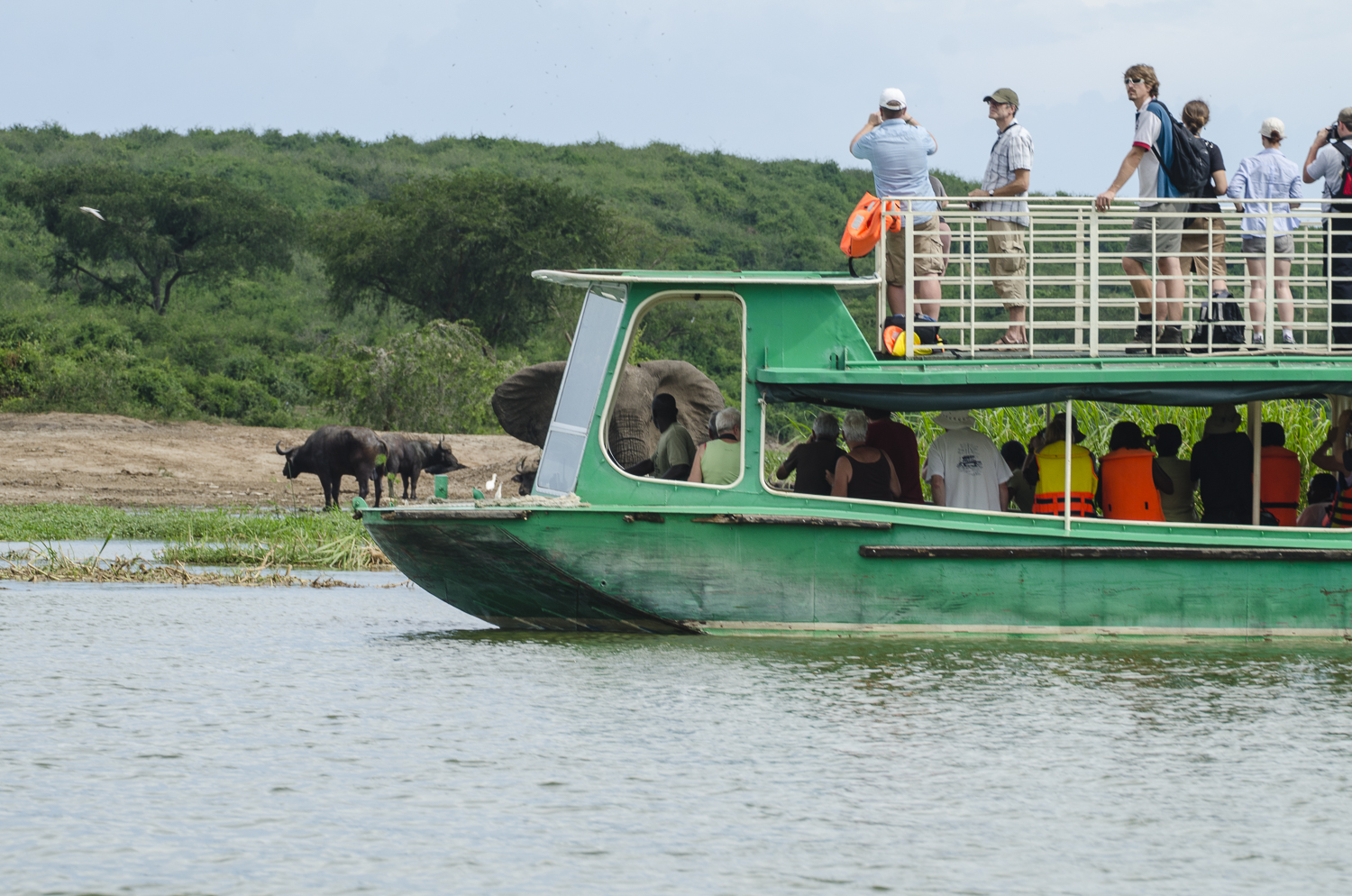
- Boat safaris on the Kazinga Channel or the Nile
- Birding—Uganda is a heavyweight for species diversity
If you want a sense of how these building blocks fit together, start browsing Uganda itineraries and travel ideas via Turkana Wildlife Safaris.
Safari Tips Checklist Uganda: Before You Book Anything
1) Choose the right safari style (and be honest about pace)
Uganda rewards travelers who plan thoughtfully: driving times can be longer than expected, and some roads are slow.
Decide early:
- Private vs. small-group safari
- Midrange lodges vs. premium camps vs. budget options
- Fast-paced highlights vs. slower “deep-dive” itinerary
- Focus: gorillas + chimps, or more savannah time?
A strong operator can help you balance distances, permits, and lodge locations—browse options and planning inspiration on Turkana Wildlife Safaris.
2) Lock down gorilla permits well in advance
Gorilla trekking permits are limited and can sell out especially in peak months.
Permit planning essentials:
- Confirm which park: Bwindi or Mgahinga
- Confirm trek type: standard vs. habituation experience (longer, more immersive)
- Align lodge location with trekking sector (to avoid brutal early drives)
If gorillas are your priority, treat permits as the first domino.
3) Confirm park activities and timing constraints
Many activities run with strict start times (treks, game drives, boat launches).
Ask your planner/guide:
- When do treks depart?
- Are morning/afternoon game drives possible in each park?
- What seasonal factors affect roads or sightings?
- Is a domestic flight worth it to reduce road time?
Best Time to Visit Uganda: What to Expect by Season
Uganda is visitable year-round, but conditions change.
Dry seasons (often easiest for trekking and roads)
- Typically Dec–Feb and Jun–Aug
- More comfortable trekking conditions
- Roads generally easier
- Higher demand for permits/lodges
Wet seasons (lush landscapes, fewer crowds)
- Typically Mar–May and Sep–Nov
- Some roads can be challenging
- Forests are slippery, good boots become essential
- Birding can be excellent
Pro tip: “Best time” depends on priorities: trekking comfort vs. lower crowd levels vs. photography mood.
Packing Checklist for a Uganda Safari (Practical, Not Excessive)
Clothing: layer smart, avoid overpacking
Uganda’s climate shifts with altitude, time of day, and habitat.
Core clothing checklist:
- Neutral-colored safari shirts (long-sleeve recommended)
- Lightweight trousers + 1 warmer layer for mornings
- A fleece or light jacket (early drives can be cold)
- Rain jacket/poncho (even in “dry” seasons)
- Hat with brim + sunglasses
- Swimsuit (many lodges have pools)
Footwear: trekking and vehicle comfort
Bring:
- Sturdy hiking boots with grip (gorilla/chimp trekking)
- Light shoes or sandals for lodge downtime
- Several pairs of quality socks (treks ruin flimsy ones)
Gorilla & chimp trekking gear (do not skip)
- Gardening gloves (for grabbing vines/nettles)
- Gaiters (optional but helpful in mud)
- Small daypack
- Waterproof cover for bag
- Quick-dry base layer
- Insect repellent
Health & hygiene kit (build it like a pro)
- Sunscreen + lip balm
- Hand sanitizer / wet wipes
- Basic first-aid kit (blister care is crucial)
- Personal meds with copies of prescriptions
- Rehydration salts (useful on hot days)
- Motion sickness tablets (Uganda’s roads can be winding)
Tech & documents
- Power bank (long drives, limited sockets)
- Camera with a zoom lens (safari) + spare batteries
- Dry bag for boat cruises
- Copies (digital + printed) of passport, visa, insurance, permits
Uganda Safari Health, Safety & Entry Checklist
Vaccines and travel health (confirm with a clinic)
Requirements shift, so verify close to travel.
Commonly discussed items:
- Yellow fever (often required for entry)
- Routine vaccines up to date
- Malaria prevention (medication + bite avoidance)
Malaria strategy: prevention is multi-layered
Use a combined approach:
- Long sleeves at dusk
- Repellent on exposed skin
- Sleep in screened rooms / use bed nets
- Consider prophylaxis after medical advice
Insurance: don’t cut corners
Choose travel insurance that explicitly covers:
- Medical evacuation
- Adventure activities (trekking)
- Trip interruption and cancellation
Gorilla Trekking Etiquette: The Checklist That Protects You and the Gorillas
Gorilla trekking is not a zoo visit; it’s a conservation privilege.
Key rules and best practices:
- Keep the required distance (guides enforce this)
- Don’t trek if you’re sick (respiratory illnesses are dangerous for gorillas)
- Speak softly, move slowly
- Don’t eat near gorillas
- Follow guide instructions immediately
- Avoid flash photography
Comfort tips:
- Hire a porter if offered, this supports local livelihoods and saves your energy
- Bring water and a small snack (ask when it’s appropriate to eat)
For itinerary planning that pairs gorillas with other parks, explore options via Turkana Wildlife Safaris.
Money & Payments in Uganda: What Travelers Get Wrong
Cash is still king in many places
Even when a lodge takes cards, small payments (tips, crafts, snacks) may require cash.
Checklist:
- Bring some USD in good condition (clean notes, newer series preferred)
- Use ATMs in major towns (have a backup plan)
- Keep small denominations for tipping and local purchases
Tipping guidelines (simple, flexible)
Tipping is customary, but amounts vary.
Common tipping categories:
- Driver-guide
- Lodge staff
- Trackers/rangers/porters on trekking days
Ask your operator for a tipping framework that matches your itinerary.
Transport & Driving Times: The Reality Check You Need
Uganda can look small on a map, but travel times can surprise you.
Plan with these truths:
- Park-to-park transfers can be long
- Roads vary from excellent to rough
- Early departures are normal
- Domestic flights can be worth it for tight schedules
Checklist questions to ask your planner:
- How many hours driving each day (realistically)?
- Are there rest stops?
- What vehicle type is used (4×4, pop-top roof, etc.)?
- Is water provided in the vehicle?
If you’re comparing trip structures, Turkana Wildlife Safaris can be a useful reference point for safari logistics and routing ideas.
Wildlife Viewing Tips: See More, Stress Less
Game drive strategy
- Mornings and late afternoons are often best for sightings
- Keep expectations flexible—nature isn’t scheduled
- Stay patient; guides read tracks and behavior patterns
Photography tips (without carrying a studio)
- Bring a dust cover or plastic bag for gear
- Use a bean bag or small support for shooting from vehicles
- Shoot early and late for softer light
- Keep spare batteries accessible (heat drains them)
Birding (even if you’re “not a birder”)
Uganda can convert skeptics watch for:
- Kingfishers, bee-eaters, hornbills, raptors
- Wetland species near lakes and channels
Where to Go: Uganda’s Most Iconic Safari Regions
Bwindi Impenetrable National Park
Best known for gorilla trekking, dense forests, and dramatic terrain.
Queen Elizabeth National Park
Classic savannah viewing plus the Kazinga Channel boat cruise; famed for tree-climbing lions in Ishasha.
Murchison Falls National Park
Powerful Nile scenery, boat trips, and strong big game potential.
Kibale Forest National Park
Top chimp trekking destination, rich primate diversity.
Kidepo Valley National Park
Remote, rugged, and often described as Uganda’s wildest park.
To explore how these areas can be combined into a coherent route, review Uganda safari concepts at Turkana Wildlife Safaris.
Lodges & Camps: Booking Checklist for Better Stays
Before you confirm accommodation, check:
- Distance to park gate / trekking sector
- Hot water reliability (varies in remote regions)
- Packed breakfast availability for early starts
- Laundry service (helps you pack less)
- Power schedule (some lodges use generators)
- Dietary needs (notify early)
Responsible Travel Checklist (Conservation + Community)
Uganda’s wildlife tourism supports conservation and local livelihoods when done right.
Do:
- Choose operators who support local communities and conservation
- Buy crafts directly from makers where possible
- Respect photography consent in villages/markets
- Reduce plastic waste (refillable bottle)
Don’t:
- Encourage wildlife harassment (too close, baiting, chasing)
- Buy wildlife products (illegal and harmful)
- Treat cultural sites as “photo props”
Safari Tips Checklist Uganda: Quick Master List
Documents & admin
- Passport (validity checked)
- Visa (printed or stored offline)
- Yellow fever certificate (if required)
- Travel insurance with medical evacuation
- Gorilla/chimp permits confirmed
- Copies of everything (digital + paper)
Health
- Malaria plan (meds + repellent)
- First-aid kit + blister care
- Hydration salts
- Sunscreen, sanitizer, wipes
Packing
- Hiking boots + socks
- Neutral clothing + rain layer
- Hat, sunglasses
- Daypack + dry bag
- Gloves for trekking
- Camera + power bank
Money
- Cash in small denominations
- ATM plan + backup card
- Tipping budget
On safari
- Follow guide/ranger instructions
- Keep distance from primates
- No flash photography around gorillas
- Patience and quiet movement
FAQ: Safari Tips Checklist for Uganda
1) How far in advance should I book gorilla trekking in Uganda?
As early as possible, several months ahead is safest for peak periods. Permits are limited and often define your whole route.
2) What’s the most important item to pack for gorilla trekking?
Grippy hiking boots. If the trail is wet and steep, boots matter more than any gadget.
3) Is Uganda safe for safari travel?
Most trips are smooth when you use experienced guides, follow park rules, and take basic precautions in towns. Stick to your itinerary and local advice.
4) Can I combine gorillas with classic savannah safaris in one trip?
Yes, Uganda is ideal for combining primates with game drives and boat cruises. The key is planning realistic driving times.
5) Do I need a 4×4 vehicle for Uganda?
For most multi-park itineraries especially in rainy periods, yes. A proper safari 4×4 improves comfort, safety, and reliability.