
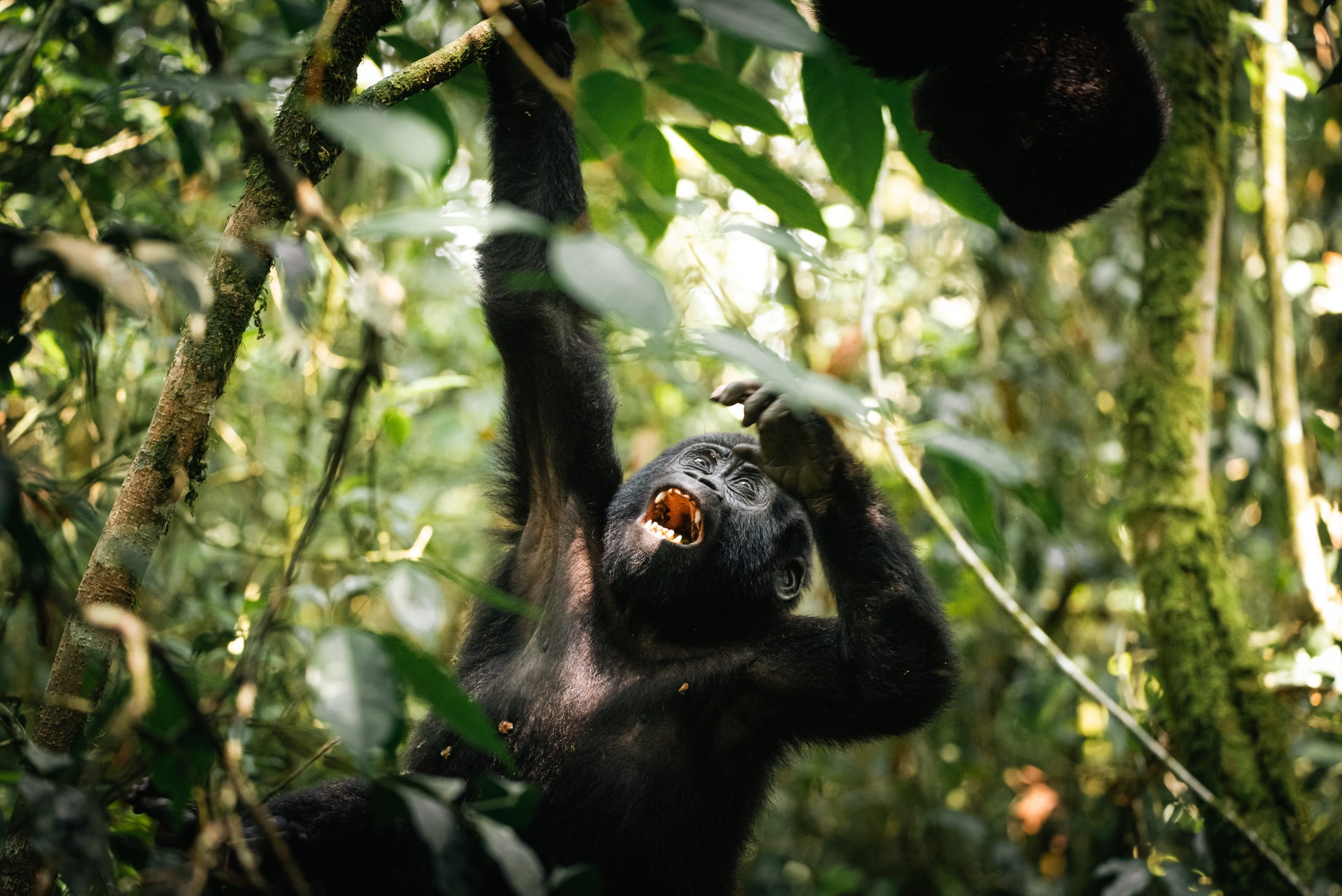
Is Flash Photography Allowed with Gorilla Trekking
Is Flash Photography Allowed with Gorilla Trekking
Is Flash Photography Allowed with Gorilla Trekking? Rules, Ethics, and Practical Tips.
Quick Answer: Flash Photography Is Not Allowed on Gorilla Treks
In almost all gorilla trekking destinations most notably Uganda (Bwindi & Mgahinga) and Rwanda (Volcanoes National Park) flash photography is prohibited during gorilla encounters. Park authorities and guides enforce this rule closely, and you can be asked to stop photographing (or, in rare cases, be escorted away) if you repeatedly use flash.
If you’re planning a trek and want operator-led guidance on park rules, permits, and what to expect on the trail, start with a reputable safari planner such as Turkana Wildlife Safaris.
Why Flash Is Banned During Gorilla Trekking
Gorilla trekking is managed under strict conservation protocols designed to protect endangered mountain gorillas and reduce stress on habituated families.
1) Animal Welfare and Stress Reduction
Even habituated gorillas can be sensitive to sudden bursts of light. Flash can:
- startle gorillas at close range
- increase tension within the group
- disrupt natural behavior (feeding, grooming, resting)
2) Safety for Visitors and Guides
A startled gorilla may react defensively especially silverbacks protecting the family. Avoiding flash reduces unnecessary triggers and helps keep interactions calm.
3) Standardized Conservation Policy
Park authorities aim for consistent visitor behavior. Since trekkers vary in experience, a blanket “no flash” rule is easier to enforce than “flash only if…” exceptions.
For trip planning, itineraries, and destination insights, you can browse safari options from Turkana Wildlife Safaris and ask them to confirm the latest gorilla trekking guidelines for your chosen country/park.
Gorilla Trekking Photography Rules (What You Can Do)
Even without flash, you can still take exceptional images.
Typical rules you should expect
- No flash photography
- Maintain the required viewing distance (often about 7 meters, guidance may vary)
- Keep your voice low; avoid sudden movements
- Follow guide instructions at all times
- Limit time with the gorillas (commonly around 1 hour once located)
If you’re booking a full itinerary that includes gorilla trekking plus other wildlife extensions, a safari planner can help coordinate logistics.
How to Get Great Gorilla Photos Without Flash
You’ll often be under a forest canopy with mixed, low light so your camera setup matters.
Camera settings that work well in the forest
- Raise ISO (e.g., 800–3200 depending on camera capability)
- Use a wide aperture (f/2.8–f/5.6) when possible
- Keep shutter speed high enough to avoid blur (try 1/250+ for movement)
- Use image stabilization if your lens/camera has it
- Shoot in RAW for better recovery in editing
Gear tips
- A fast zoom like 24–70mm f/2.8 or 70–200mm f/2.8 is ideal
- Bring a rain cover or dry bag (rainforest conditions change quickly)
- Carry a microfiber cloth for mist and humidity
- Avoid loud shutters if your camera has a silent mode
If you want a safari team that can advise on what to pack for trekking conditions and overall trip comfort, check Turkana Wildlife Safaris and ask for a gorilla trekking packing list aligned to your route.
Common Mistakes to Avoid
- Forgetting flash is enabled (some cameras auto-pop flash in low light)
- Using phone “night mode” that triggers a light burst
- Getting too close because the gorilla moved toward you
- Focusing only on portraits miss the story: hands, eyes, grooming, family dynamics
Responsible Gorilla Photography Etiquette
A strong wildlife photo is one that doesn’t compromise the animal’s wellbeing.
Best-practice etiquette
- Let guides position you; don’t “chase” angles
- If a gorilla approaches, stay calm and follow instructions
- Avoid direct eye contact if advised by the guide
- Keep your group tight and movements minimal
This is one reason many travelers use experienced operators who brief you thoroughly before the trek. You can explore tour planning support through Turkana Wildlife Safaris.
FAQ: Flash Photography and Gorilla Trekking
1) Can I use flash if I’m far away?
Generally no flash is still not allowed even if you feel you’re at a distance. Gorilla viewing distances can compress quickly in forest terrain.
2) Are phone flashes allowed?
No. Phone flashes (and even certain “torch” lights used for video) are typically prohibited during gorilla viewing.
3) Can I use a video light for filming gorillas?
Usually not. Any artificial lighting can be treated similarly to flash. Ask your guide before filming.
4) What if my camera accidentally flashes once?
Stop immediately, apologize, and ensure flash is disabled. One accidental flash may be forgiven, but repeated use can lead to consequences.
5) How do I get bright photos without flash?
Use higher ISO, wide aperture, stabilized lenses, and shoot in RAW. Also focus on moments when gorillas move into open patches of light.
Next Step: Plan a Gorilla Trek with the Right Guidance
Rules and enforcement can vary slightly by park and season, but the no-flash policy is consistent across gorilla trekking regions. If you want help arranging permits, choosing the best trekking sector, and building a complete itinerary, visit Turkana Wildlife Safaris and ask for a gorilla trekking-focused plan.
If you tell me which country you’re trekking in (Uganda, Rwanda, or DR Congo) and what camera you’re using, I can suggest a simple, no-flash setup tailored to your gear.