
Mabamba Swamp For Shoebill Experience
Mabamba Swamp For Shoebill Experience
Mabamba Swamp Shoebill Experience: The Ultimate Guide to Uganda’s Iconic Birding Adventure
Mabamba Swamp is one of the most celebrated birding locations in East Africa, renowned for offering one of the most reliable chances to see the prehistoric-looking shoebill in its natural habitat. Set on the fringes of Lake Victoria, this extensive wetland forms a mosaic of papyrus channels, open water, and floating vegetation—an ecosystem perfectly suited to the shoebill’s stealth-hunting style.
Whether you’re a dedicated birder building a life list, a wildlife photographer chasing a once-in-a-lifetime frame, or a traveler looking for a short but memorable nature escape from Kampala or Entebbe, the Mabamba Swamp shoebill experience is both accessible and deeply rewarding.
Why Mabamba Swamp Is Famous for Shoebills
The shoebill (Balaeniceps rex) is one of Africa’s most sought-after birds. Tall, imposing, and famously patient, it’s best known for:
- Its massive, shoe-shaped bill built for grabbing lungfish and other prey
- Its still, statue-like stance while hunting
- Its ancient, almost dinosaur-era silhouette
Mabamba Swamp is particularly special because the swamp’s waterways and papyrus edges provide ideal feeding and nesting conditions. Local canoe guides and birding teams also know the channels intimately, which improves the odds of finding this elusive bird.
If you’re planning a wider regional safari, it can help to compare options and structure trips with experienced operators. For broader safari planning ideas in East Africa, you can explore resources like Turkana Wildlife Safaris.
Where Is Mabamba Swamp?
Mabamba Swamp lies on the northern shoreline of Lake Victoria, near Entebbe and Kampala. Most visitors access it via:
- Road transfer to the landing site (commonly near Kasanje or similar access points)
- Motorized boat across a short stretch of lake (depending on route)
- Canoe excursion into the papyrus channels where shoebills are found
This makes Mabamba one of the best “big wildlife moments” you can realistically do as a half-day or full-day trip from the capital region.
What the Shoebill Experience Actually Feels Like
1) The Journey into the Papyrus
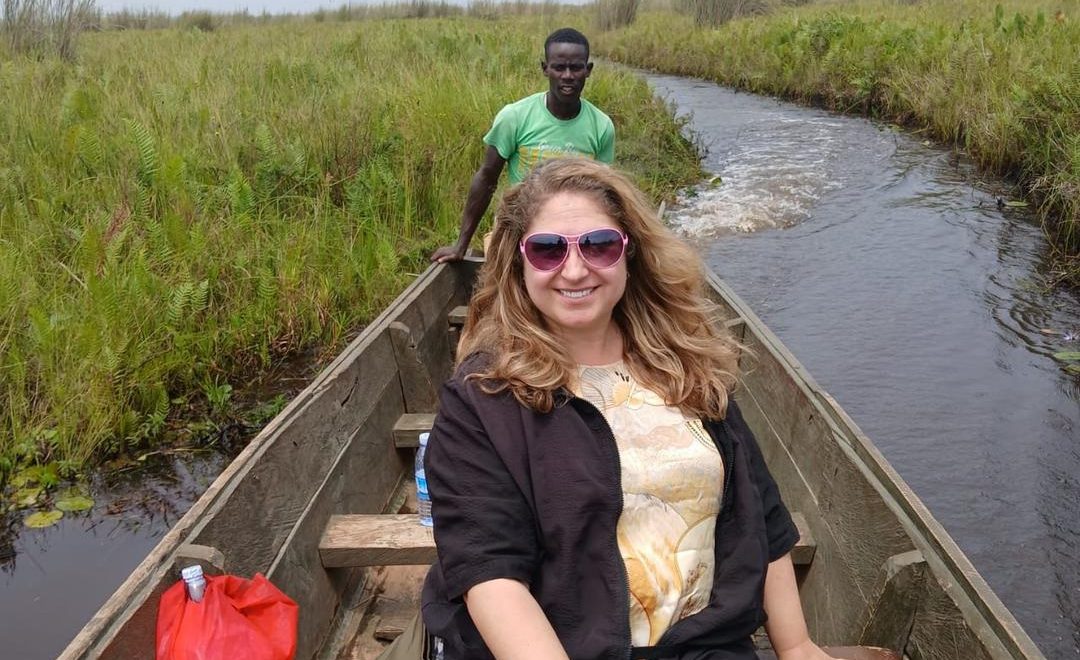
Most excursions start with meeting local guides, briefing on expectations, and then setting off in a canoe. The landscape quickly changes from open lake views to a green corridor of papyrus and water lilies.
2) The Search
The shoebill encounter isn’t staged, this is real birding. Guides scan likely hunting zones: quiet backwaters, edges of floating vegetation, and channels with lungfish activity.
3) The Encounter
When a shoebill appears, the mood shifts instantly:
- Canoes drift quietly
- Cameras go silent
- Everyone watches as the bird stands motionless, then suddenly strikes
If you’re lucky, you may observe hunting behavior, wing stretches, or even short flights between perches.
Best Time to Visit Mabamba Swamp for Shoebills
Shoebills can be seen year-round, but conditions can influence comfort, lighting, and ease of navigation.
Generally strong periods:
- Dry seasons (often Dec–Feb and Jun–Aug): more comfortable canoeing, cleaner light for photography
- Shoulder seasons: lush scenery and active birdlife, though rain can affect water levels and access
For photographers, early morning is often best for softer light and calmer water.
How to Plan Your Trip: Practical Details
Duration Options
- Half-day trip (popular from Entebbe): efficient, focused birding
- Full-day trip: slower pace, more time for additional species and photography
What to Bring
- Neutral clothing (greens/earth tones)
- Wide-brim hat and sunscreen
- Insect repellent
- Waterproof protection for cameras/phones
- Binoculars (8×42 or 10×42 ideal)
- Drinking water and light snacks
Fitness & Difficulty
This is generally an easy experience:
- You sit in a canoe for most of the time
- Minimal walking involved
- Calm but sometimes warm and humid conditions
Birds and Wildlife Beyond the Shoebill
Mabamba is not a one-species destination. Many visitors are surprised by how rich the swamp is.
You may also spot:
- African jacana
- Malachite kingfisher
- Blue-breasted bee-eater
- Papyrus gonolek
- Goliath heron
- Various egrets, cormorants, and raptors
If you’re building a broader safari itinerary that combines multiple habitats (wetlands + savannah + forest), you might find it useful to explore different trip styles and regional circuits referenced by operators such as Turkana Wildlife Safaris.
Photography Tips for a Shoebill Encounter
Recommended Gear
- Telephoto lens (300mm–600mm is ideal)
- Fast autofocus body (birds can move suddenly)
- Dry bag or rain cover
- Extra batteries (humidity can reduce performance)
Shooting Strategy
- Keep shutter speed ready (1/1000+ helps for head movement and wing stretches)
- Use continuous autofocus and burst mode
- Shoot low angles when possible (canoe level can create dramatic portraits)
- Be patient—shoebills often reward stillness with unexpected action
Responsible Wildlife Viewing in Mabamba
Ethical viewing matters, especially with a species as iconic as the shoebill.
Follow these best practices:
- Keep voices low and movements minimal
- Do not attempt to approach too closely
- Let guides manage distance and positioning
- Avoid flash photography at close range
- Respect other canoes and maintain a calm environment
Community guiding in Mabamba also supports local livelihoods, so choosing organized, responsible guiding structures helps sustain conservation-friendly tourism.
Suggested Itineraries Featuring Mabamba Swamp
A) Entebbe + Mabamba (1 Day)
- Early morning departure
- Shoebill canoeing excursion
- Lunch in Entebbe
- Optional botanical gardens / lakeside sunset
B) Uganda Highlights (5–8 Days)
Combine:
- Mabamba Swamp
- Murchison Falls (for savannah + Nile wildlife)
- Kibale Forest (chimpanzees)
- Queen Elizabeth NP (game drives + boat safari)
C) East Africa Birding + Classic Safari (10–14 Days)
If you’re extending beyond Uganda into the wider region, you may want to browse multi-country safari planning ideas on Turkana Wildlife Safaris.
Costs: What Typically Affects Price
Pricing varies based on:
- Private vs. shared excursion
- Transport distance (Kampala vs. Entebbe pickup)
- Boat arrangements across Lake Victoria
- Guide specialization (general guide vs. expert birder)
- Time spent in the swamp
If you want, tell me your starting point (Entebbe or Kampala), group size, and whether you prefer private guiding, and I can suggest a realistic planning outline.
Frequently Asked Questions (FAQ)
1) Are shoebills guaranteed in Mabamba Swamp?
No wildlife sighting is 100% guaranteed, but Mabamba is one of the most reliable places in Uganda to look for shoebills due to habitat suitability and experienced local guides.
2) How long does it take to see a shoebill?
It can be quick (30–60 minutes) or take several hours. Patience is part of the experience, and you’ll likely see many other wetland species while searching.
3) Is Mabamba Swamp safe?
Yes, when visited with local guides and proper arrangements. As with any outdoor activity, follow guide instructions and keep gear secure in the canoe.
4) Is this trip suitable for children or older travelers?
Generally yes, since it’s low-impact and mostly seated. The main considerations are heat, insects, and time spent in the canoe.
5) Can I combine Mabamba with other activities near Entebbe?
Yes, many travelers combine it with the Entebbe Botanical Gardens, the Uganda Wildlife Education Centre, or a relaxed lakeside afternoon.