
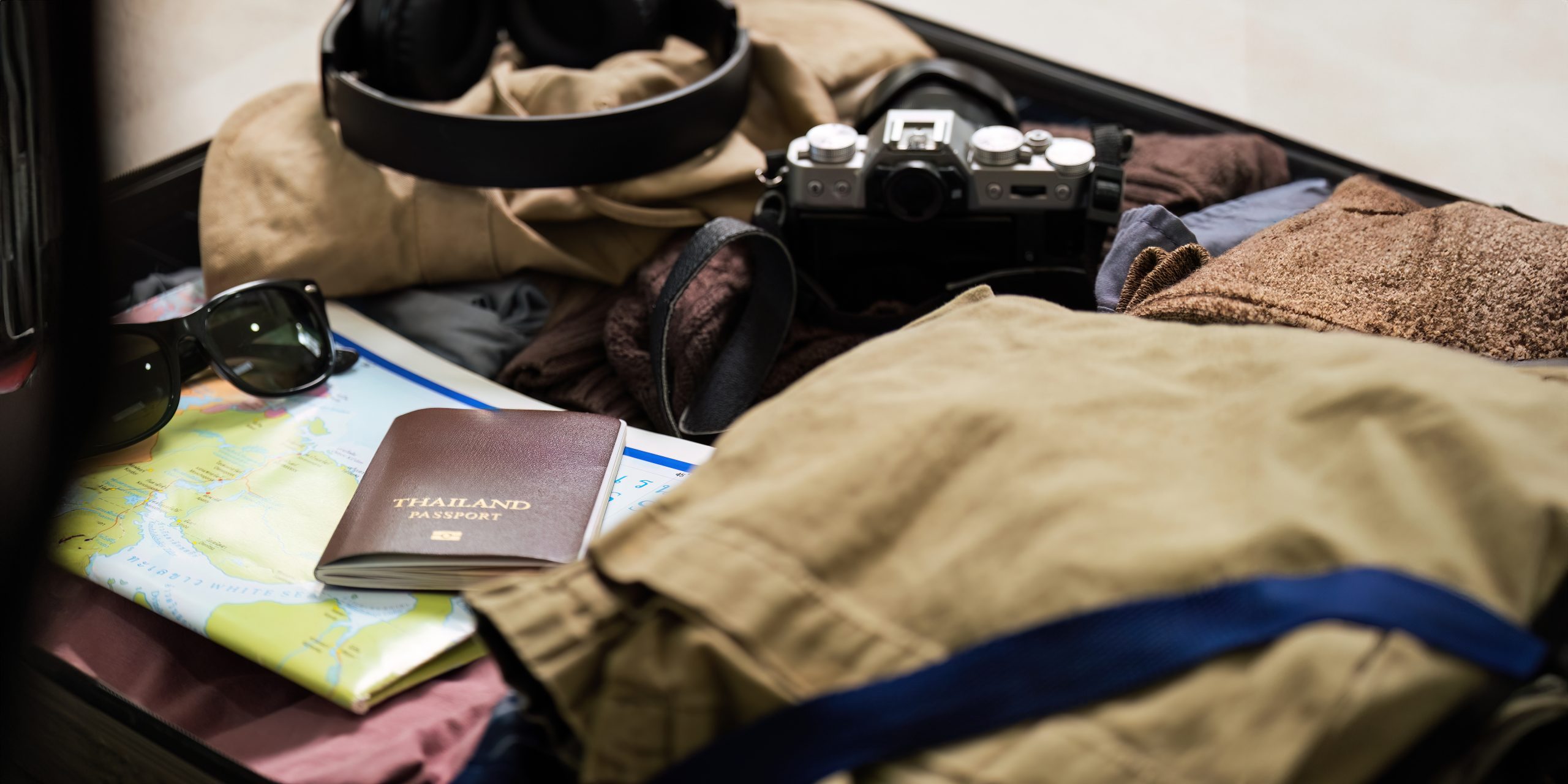
What to Pack for Uganda Safari Experience
What to Pack for Uganda Safari Experience
What to Pack for a Uganda Safari Experience
Packing well can make the difference between a smooth, comfortable safari and a trip spent improvising. Uganda’s safaris range from classic game drives in parks like Murchison Falls to primate trekking (gorillas and chimpanzees) in humid forests, plus boat cruises, cultural visits, and occasional long drives on dusty roads. The key is to pack light, pack smart, and prioritize versatile layers, comfort, and protection from sun, rain, and insects.
Quick Packing Principles (Uganda-Specific)
- Layers beat bulk: mornings can be cool; midday can be hot.
- Neutral colors: olive, khaki, tan, brown reduce attention from insects and blend in for wildlife viewing.
- Dust + rain are both real: many safari tracks are dusty in dry season; storms can appear suddenly.
- Trekking needs specialized items: gorilla/chimp trekking is often muddy, steep, and humid.
- Keep essentials in carry-on: meds, documents, a change of clothes, chargers, valuables.
Clothing: The Core Safari Wardrobe
Everyday safari clothes (game drives, boat cruises, travel days)
Pack 3–5 tops and 2–3 bottoms you can mix and match.
Recommended:
- Lightweight, breathable long-sleeve shirts (sun + insect protection)
- Quick-dry t-shirts (avoid heavy cotton if possible)
- Safari trousers (zip-off pants can be useful)
- Light fleece or warm layer for early mornings
- Packable rain jacket or poncho
Optional but helpful:
- Lightweight scarf/buff (dust and sun)
- Swimsuit (some lodges have pools)
Avoid:
- Bright colors (especially blue/black can attract tsetse flies in some regions)
- Camouflage clothing (can be sensitive in some countries; safer to skip)
Footwear: Comfort First
Uganda trips often involve walking on uneven ground and sometimes mud.
For game drives & lodge wear
- Comfortable closed shoes or trail runners
- Sandals or slides for the lodge
For gorilla or chimp trekking (very important)
- Sturdy hiking boots with good ankle support
- Gaiters (optional but great for mud and ants)
- Several pairs of moisture-wicking socks (include at least one thicker hiking pair)
Gorilla & Chimp Trekking Gear
Primate treks can be humid, steep, and slippery. Expect mud, vegetation, and occasional rain even in dry season.
Bring:
- Long-sleeve top + long trousers (protect from nettles and scratches)
- Gardening gloves or trekking gloves (for grabbing vines/branches)
- Waterproof daypack (or pack cover)
- Poncho/rain jacket
- Refillable water bottle
- Energy snacks
- Sunscreen (yes, even in forest clearings)
- Insect repellent (DEET or picaridin)
- Small dry bag for camera/phone
Nice-to-have:
- Trekking poles (some lodges provide; you can also rent locally)
- Binoculars (useful even in forest)
Safari Accessories (High Value Items)
- Wide-brim hat or cap
- Sunglasses (polarized if possible)
- Binoculars (8×42 is a great all-round choice)
- Headlamp (power outages happen; also handy at camps)
- Reusable water bottle (insulated helps on hot days)
Health, Toiletries & Personal Care
Essentials
- Personal prescription medication (carry-on)
- Basic first-aid kit: plasters, blister care, antiseptic wipes
- Anti-diarrheal + oral rehydration salts
- Pain relief (paracetamol/ibuprofen)
- Antihistamines (helpful for bites/allergies)
- Insect repellent
- Sunscreen + lip balm with SPF
- Hand sanitizer
- Wet wipes (great for dusty drives)
Uganda-specific health notes (ask your clinic)
- Malaria prophylaxis is commonly recommended in many areas.
- Yellow fever vaccination may be required depending on your travel route and entry rules.
Documents & Money
Keep these in a waterproof document pouch:
- Passport (valid at least 6 months is typical)
- Visa confirmation (if applicable)
- Yellow fever certificate (if applicable)
- Travel insurance details (including evacuation cover)
- Copies/photos of documents (digital + paper)
- Cash in USD (clean, newer notes often preferred) + some local UGX
Electronics & Photography
Uganda is a dream for wildlife and landscapes.
Bring:
- Phone + charger
- Power bank (10,000–20,000 mAh)
- Camera (optional but great)
- Extra SD cards
- Spare camera battery
- Plug adapter (Uganda commonly uses Type G plugs)
- Small surge protector (optional)
Photography tips (packing-related):
- A dry bag or rain cover protects gear from sudden showers.
- A small microfiber cloth helps with dusty lenses.
Luggage: What Works Best
- Soft-sided duffel bag (often preferred for safari vehicles and small aircraft)
- Daypack (15–25L is perfect)
- Packing cubes (keep items organized)
- 1–2 dry bags (electronics and documents)
Seasonal Notes: Dry vs. Wet Season Packing
Dry season
- Dust protection: buff/scarf, lens cloth
- Light layers (still chilly early mornings)
- Hydration salts can be helpful
Wet season
- Better rain jacket (not just a thin shell)
- Extra socks
- Waterproofing for bags and electronics
Packing Checklist
Clothing
- 3–5 tops (mix of long-sleeve + quick-dry)
- 2–3 trousers (one can be zip-off)
- Light fleece/jumper
- Rain jacket/poncho
- Underwear + sleepwear
- Hat + sunglasses
Footwear
- Hiking boots (trekking)
- Trail shoes/closed shoes (general)
- Sandals (lodge)
- 5–7 pairs socks (include hiking socks)
Trekking gear
- Gloves
- Daypack + rain cover
- Water bottle
- Snacks
- Insect repellent
Health & toiletries
- Prescriptions
- First-aid kit
- Sunscreen + lip balm SPF
- Hand sanitizer + wipes
Electronics
- Plug adapter Type G
- Power bank
- Camera gear + SD cards
- Headlamp
Documents
- Passport + copies
- Visa info
- Insurance
- Vaccine certificates (if applicable)
Safari Planning
For routes, park combinations, and trip logistics in Uganda, start here.
If you tell me your exact itinerary (parks + number of days + whether you’re doing gorillas/chimps), I can tailor this packing list into a tighter, day-by-day checklist.
FAQ (5 Common Packing Questions)
1) Do I need special clothes for a Uganda safari?
Not “special,” but neutral colors, breathable fabrics, and long sleeves help with sun and insects. Avoid bright colors and heavy cotton.
2) What shoes are best for gorilla trekking?
Sturdy hiking boots with good grip and ankle support. Trails can be muddy and steep.
3) Should I pack a mosquito net?
Most lodges provide nets. If you’re camping or staying in very basic accommodations, a lightweight travel net can help but usually it’s unnecessary.
4) Can I do laundry on safari in Uganda?
Many mid-range and luxury lodges offer laundry (often same-day or next-day). Budget stays may not. Packing quick-dry items helps.
5) How much luggage should I bring?
Aim for one soft duffel + one daypack. If you’re taking small aircraft flights, baggage limits may be strict—confirm with your operator.