
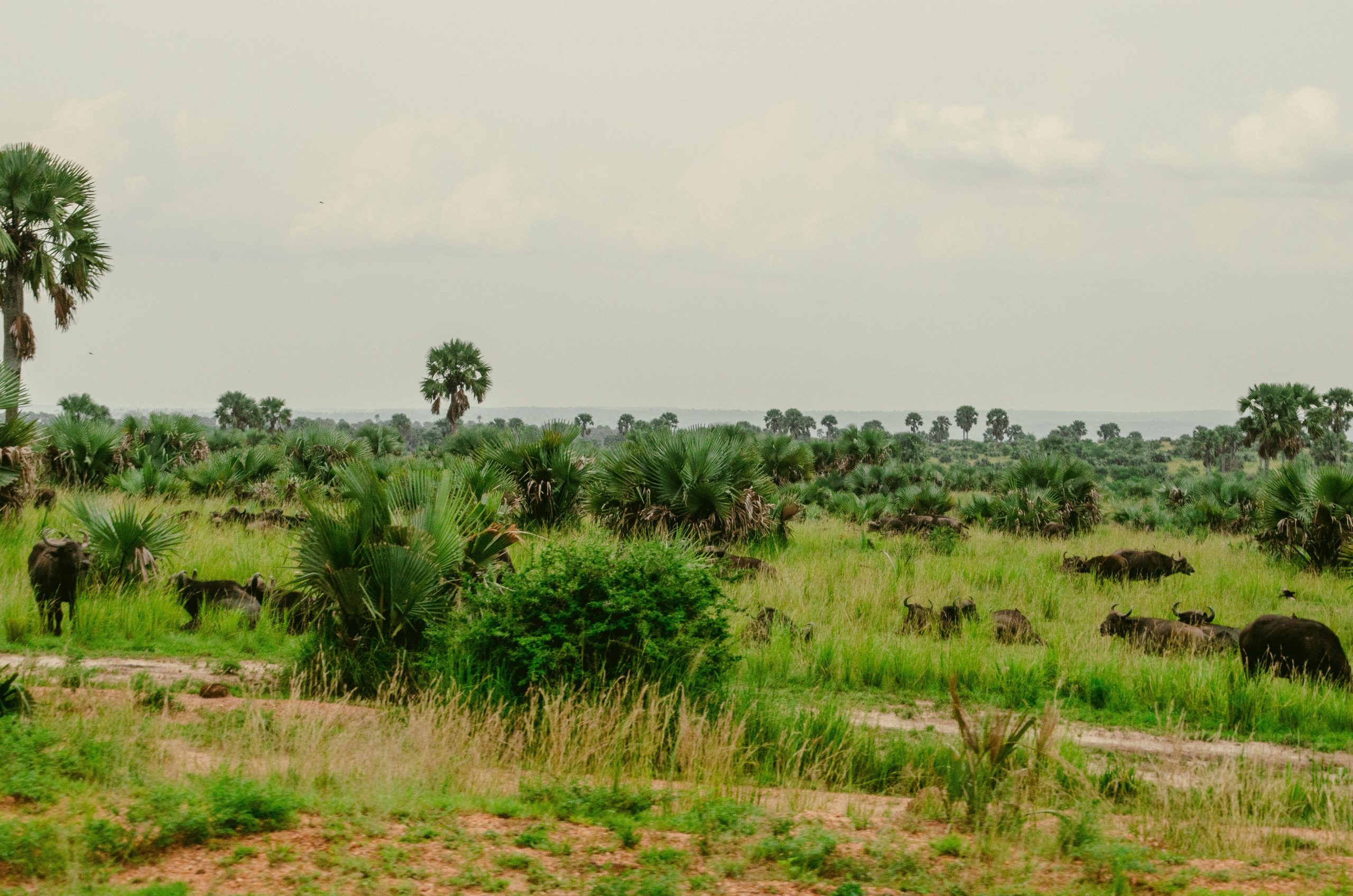
Responsible Travel in Uganda
Responsible Travel in Uganda
Responsible Travel in Uganda: A Complete Guide to Ethical and Sustainable Safaris
Uganda, often called the “Pearl of Africa,” is one of the most rewarding destinations for wildlife encounters, cultural immersion, and breathtaking landscapes. From tracking mountain gorillas in Bwindi to exploring the savannahs of Queen Elizabeth National Park, the country offers unforgettable experiences. But with this beauty comes responsibility, travelers must ensure their journeys protect nature, respect communities, and support conservation.
This guide explores Responsible Travel in Uganda and how you can make your safari meaningful and sustainable with support from Turkana Wildlife Safaris Uganda.
What is Responsible Travel in Uganda?
Responsible travel means exploring Uganda in a way that minimizes negative impact on the environment, wildlife, and local communities while maximizing positive contributions.
It includes:
- Protecting wildlife and natural habitats
- Respecting local cultures and traditions
- Supporting community-based tourism
- Reducing waste and pollution
- Choosing ethical tour operators
In Uganda, responsible tourism is especially important due to sensitive ecosystems like gorilla habitats and fragile national parks.
Why Responsible Travel Matters in Uganda
Uganda’s tourism industry depends heavily on natural attractions and wildlife. Without responsible practices, these treasures could be damaged.
Key reasons include:
1. Wildlife Conservation
Species like mountain gorillas, chimpanzees, and elephants are vulnerable to habitat loss and human disturbance.
2. Community Benefit
Tourism supports rural communities through jobs, craft sales, and cultural experiences.
3. Environmental Protection
Reducing plastic use and controlling waste helps preserve national parks and water systems.
4. Sustainable Tourism Growth
Responsible travel ensures Uganda remains a top safari destination for future generations.
How to Travel Responsibly in Uganda
1. Choose Ethical Tour Operators
Select companies that follow conservation rules and support communities, such as Turkana Wildlife Safaris Uganda.
They promote eco-friendly safaris, community tours, and wildlife conservation awareness.
2. Respect Wildlife
- Keep a safe distance from animals
- Do not feed wildlife
- Follow ranger instructions at all times
3. Support Local Communities
- Buy handmade crafts directly from artisans
- Participate in cultural village visits
- Stay in locally owned lodges
4. Reduce Plastic Waste
Carry reusable bottles and avoid single-use plastics, especially in protected areas.
5. Be Culturally Respectful
- Ask before taking photos of people
- Dress modestly in rural areas
- Learn basic local greetings
Top Responsible Travel Experiences in Uganda
Gorilla Trekking in Bwindi Impenetrable Forest
A once-in-a-lifetime experience that directly funds conservation efforts.
Community Walks in Northern Uganda
Learn about traditional lifestyles and local heritage.
Safari in Queen Elizabeth National Park
Spot elephants, lions, and hippos while supporting conservation fees.
Cultural Encounters in Jinja
Explore local fishing communities and craft markets.
All these experiences can be responsibly arranged through Turkana Wildlife Safaris Uganda.
Challenges Facing Responsible Tourism in Uganda
Despite progress, there are still challenges:
- Illegal wildlife trade
- Habitat destruction due to farming and development
- Over-tourism in popular parks
- Limited awareness among travelers
Tour operators and visitors must work together to address these issues.
Frequently Asked Questions (FAQs)
1. What is responsible travel in Uganda?
It is tourism that protects wildlife, supports communities, and minimizes environmental impact while exploring Uganda.
2. Why is responsible tourism important in Uganda?
Because Uganda’s wildlife and ecosystems are fragile and tourism directly affects conservation and local livelihoods.
3. How can I travel responsibly in Uganda?
Choose ethical operators like Turkana Wildlife Safaris Uganda, respect wildlife, reduce plastic waste, and support local communities.
4. Is gorilla trekking ethical in Uganda?
Yes. Gorilla trekking is strictly regulated, and permits help fund conservation and anti-poaching efforts.
5. Can responsible travel still be adventurous?
Absolutely. Uganda offers safaris, rafting, trekking, and cultural tours—all in sustainable ways.
Conclusion
Responsible travel in Uganda is not just a trend, it is a necessity. Every visitor has the power to protect wildlife, empower communities, and preserve Uganda’s natural beauty.
By choosing ethical operators like Turkana Wildlife Safaris Uganda, travelers ensure their adventures contribute positively to conservation and local livelihoods.
Uganda remains one of Africa’s most extraordinary destinations, and responsible travel guarantees it stays that way for generations to come.