
Anti Poaching Efforts
Anti Poaching Efforts
Anti-Poaching Efforts in Uganda: Protecting Wildlife for Future Generations with Turkana Wildlife Safaris Uganda
Introduction
Uganda is one of Africa’s most celebrated wildlife destinations, home to diverse ecosystems, endangered mountain gorillas, tree-climbing lions, elephants, rhinos, chimpanzees, and over 1,000 bird species. However, these incredible natural resources continue to face threats from illegal hunting, wildlife trafficking, habitat encroachment, and human-wildlife conflict.
To safeguard its biodiversity, Uganda has invested heavily in anti-poaching initiatives that combine law enforcement, community participation, conservation technology, and sustainable tourism. Organizations such as the Uganda Wildlife Authority (UWA), Wildlife Conservation Society (WCS), conservation NGOs, local communities, and responsible tour operators all play an essential role in protecting the country’s wildlife.
At Turkana Wildlife Safaris Uganda, we proudly support responsible tourism by promoting ethical wildlife viewing experiences that contribute directly to conservation efforts and local community development.
Understanding Poaching in Uganda
Poaching refers to the illegal hunting, capturing, or killing of wild animals. In Uganda, poachers target wildlife for various reasons, including:
- Bushmeat trade
- Illegal ivory trafficking
- Pangolin scales
- Hippo teeth
- Leopard skins
- Traditional medicine markets
- Commercial wildlife trafficking
Animals commonly threatened include elephants, lions, leopards, pangolins, buffaloes, antelopes, hippos, and several bird species.
Uganda’s Anti-Poaching Strategy
1. Professional Wildlife Rangers
The Uganda Wildlife Authority deploys highly trained rangers across national parks and wildlife reserves.
Their duties include:
- Daily patrols
- Removing snares
- Arresting illegal hunters
- Intelligence gathering
- Wildlife monitoring
- Border surveillance
- Investigating wildlife crimes
These rangers often patrol difficult terrain for several days while protecting endangered species.
2. Intelligence-Led Operations
Modern conservation relies heavily on intelligence.
Uganda has strengthened wildlife crime investigations through:
- Informant networks
- Digital data collection
- GPS patrol monitoring
- Wildlife crime intelligence units
- Cross-border collaboration
- Evidence-based prosecutions
These methods help dismantle organized wildlife trafficking networks rather than only arresting individual poachers.
3. Community Conservation Programs
Conservation cannot succeed without local communities.
Uganda’s community conservation programs encourage people living near protected areas to become active partners in wildlife protection through:
- Revenue-sharing from tourism
- Conservation education
- Employment opportunities
- Community wildlife scouts
- Sustainable livelihood projects
- Beekeeping
- Handicrafts
- Eco-tourism enterprises
By improving local livelihoods, dependence on poaching is reduced.
4. Use of Modern Technology
Technology has transformed anti-poaching operations in Uganda.
Conservation teams now use:
- GPS patrol systems
- Camera traps
- Wildlife monitoring software
- Drones in selected conservation projects
- Digital evidence collection
- Data-driven patrol planning
These tools help identify poaching hotspots and improve ranger effectiveness.
5. Stronger Wildlife Laws
Uganda has strengthened wildlife protection through stricter enforcement and prosecution of wildlife crimes.
Improved investigations, evidence collection, and coordination among law enforcement agencies have increased the ability to prosecute wildlife traffickers.
The Role of Tourism in Fighting Poaching
Tourism is one of the strongest tools for wildlife conservation.
Every visitor contributes through:
- Park entrance fees
- Gorilla permits
- Ranger employment
- Community projects
- Conservation funding
- Local business support
Responsible tourism creates economic value for wildlife, making conservation more beneficial than illegal hunting.
How Turkana Wildlife Safaris Uganda Supports Conservation
At Turkana Wildlife Safaris Uganda, we believe that every safari should contribute positively to Uganda’s wildlife heritage.
Our commitment includes:
- Promoting responsible wildlife viewing
- Supporting conservation awareness
- Encouraging sustainable tourism
- Working with local communities
- Promoting eco-friendly travel practices
- Educating travelers about wildlife conservation
By choosing Turkana Wildlife Safaris Uganda, visitors become part of Uganda’s ongoing conservation success story.
Success Stories
Uganda has achieved remarkable conservation progress through sustained anti-poaching efforts.
Some notable achievements include:
- Significant removal of illegal snares from protected areas.
- Recovery of wildlife populations in several national parks.
- Improved protection through intelligence-led ranger operations.
- Expanded collaboration between conservation organizations and local communities.
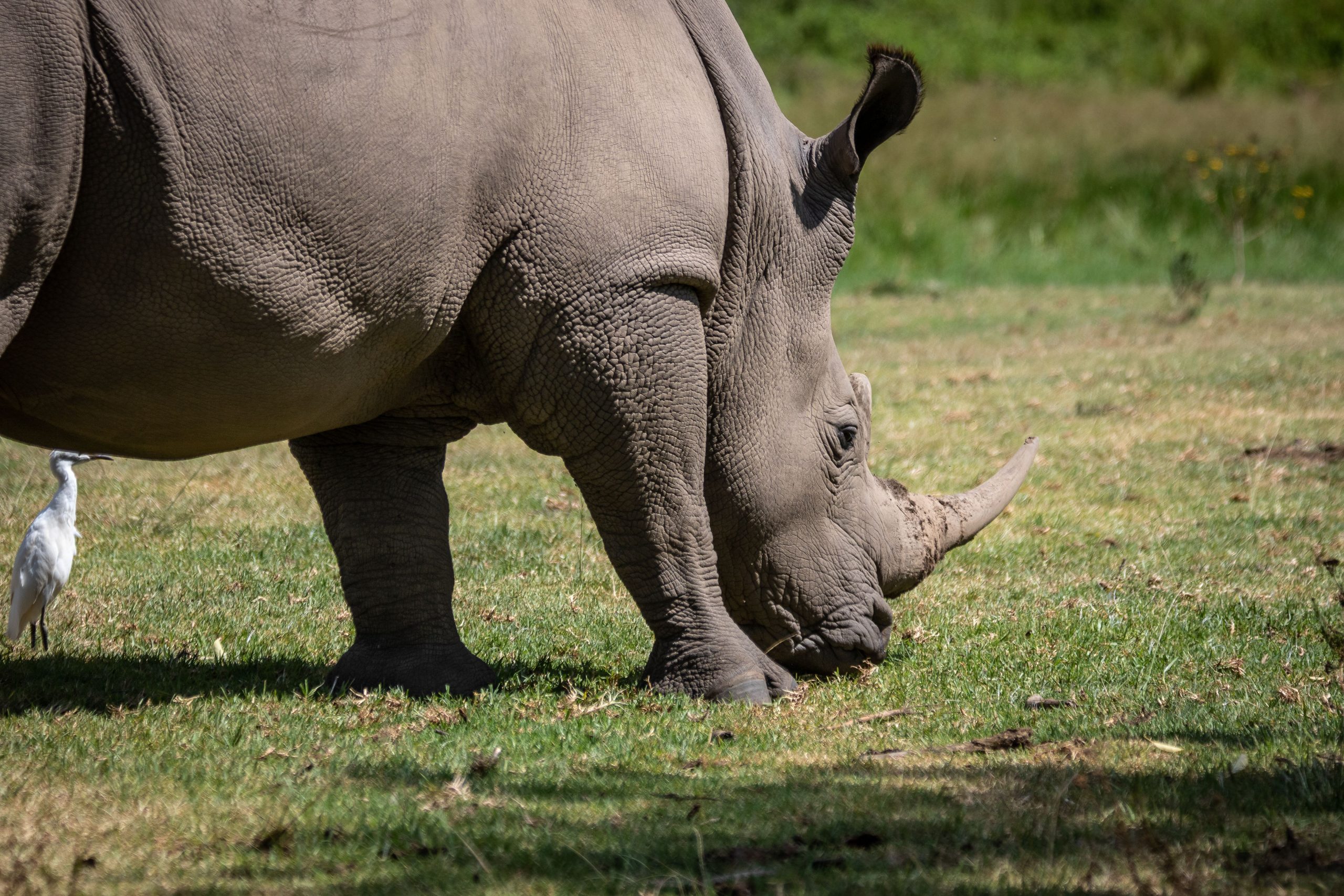
- Continued recovery of endangered species such as rhinos through carefully managed conservation programs.
How Visitors Can Help Protect Uganda’s Wildlife
Every traveler can make a difference by:
- Booking with responsible safari operators like Turkana Wildlife Safaris Uganda.
- Respecting park rules.
- Never purchasing wildlife products.
- Supporting community tourism initiatives.
- Reporting suspicious wildlife activities.
- Sharing conservation awareness after returning home.
Responsible tourism helps ensure Uganda’s wildlife thrives for generations.
Frequently Asked Questions (FAQs)
What is poaching?
Poaching is the illegal hunting, trapping, or capturing of wild animals in protected areas or without legal permission.
Which animals are most affected by poaching in Uganda?
Elephants, pangolins, lions, leopards, buffaloes, hippos, antelopes, and several bird species are among those threatened by poaching.
Who is responsible for protecting wildlife in Uganda?
The Uganda Wildlife Authority works alongside conservation organizations, local communities, security agencies, and responsible tourism operators to protect Uganda’s wildlife.
How does tourism help reduce poaching?
Tourism generates revenue that funds ranger patrols, park management, conservation projects, and community development, giving wildlife lasting economic value.
Can tourists support conservation during their safari?
Yes. Visitors support conservation by choosing ethical safari companies, following park regulations, respecting wildlife, and avoiding products made from endangered species.
Why choose Turkana Wildlife Safaris Uganda?
Turkana Wildlife Safaris Uganda offers memorable safari experiences while promoting responsible tourism, conservation awareness, and sustainable travel that benefits wildlife and local communities.
Conclusion
Uganda’s fight against poaching demonstrates that conservation succeeds when governments, conservation organizations, local communities, and responsible tourism operators work together. Through professional ranger patrols, intelligence led enforcement, community engagement, and sustainable tourism, the country continues to protect its extraordinary wildlife.
Choosing a responsible travel company such as Turkana Wildlife Safaris Uganda allows visitors to experience Uganda’s breathtaking national parks while contributing to the long term protection of its wildlife. Every safari supports conservation, strengthens local livelihoods, and helps ensure that future generations can continue to enjoy Uganda’s remarkable natural heritage.