
Shoebill Stork Birding Uganda
Shoebill Stork Birding Uganda
Shoebill Stork Birding Uganda. The Ultimate Guide to Seeing Africa’s Prehistoric Bird with Turkana Wildlife Safaris Uganda
Shoebill Stork Birding Uganda
Uganda is one of the world’s finest birding destinations, boasting over 1,090 recorded bird species and an incredible diversity of habitats. Among all these spectacular birds, none captures the imagination of bird enthusiasts quite like the Shoebill Stork (Balaeniceps rex). Often described as Africa’s most prehistoric-looking bird, the Shoebill is a dream species for birdwatchers, photographers, and wildlife lovers visiting the Pearl of Africa.
Turkana Wildlife Safaris Uganda offers expertly guided Shoebill birding excursions to Uganda’s best wetlands, giving visitors excellent opportunities to encounter this rare and fascinating bird in its natural habitat. Uganda is widely regarded as one of the most reliable countries in the world to observe the vulnerable Shoebill in the wild due to its extensive papyrus swamps and protected wetlands.
Why the Shoebill Stork Is So Special
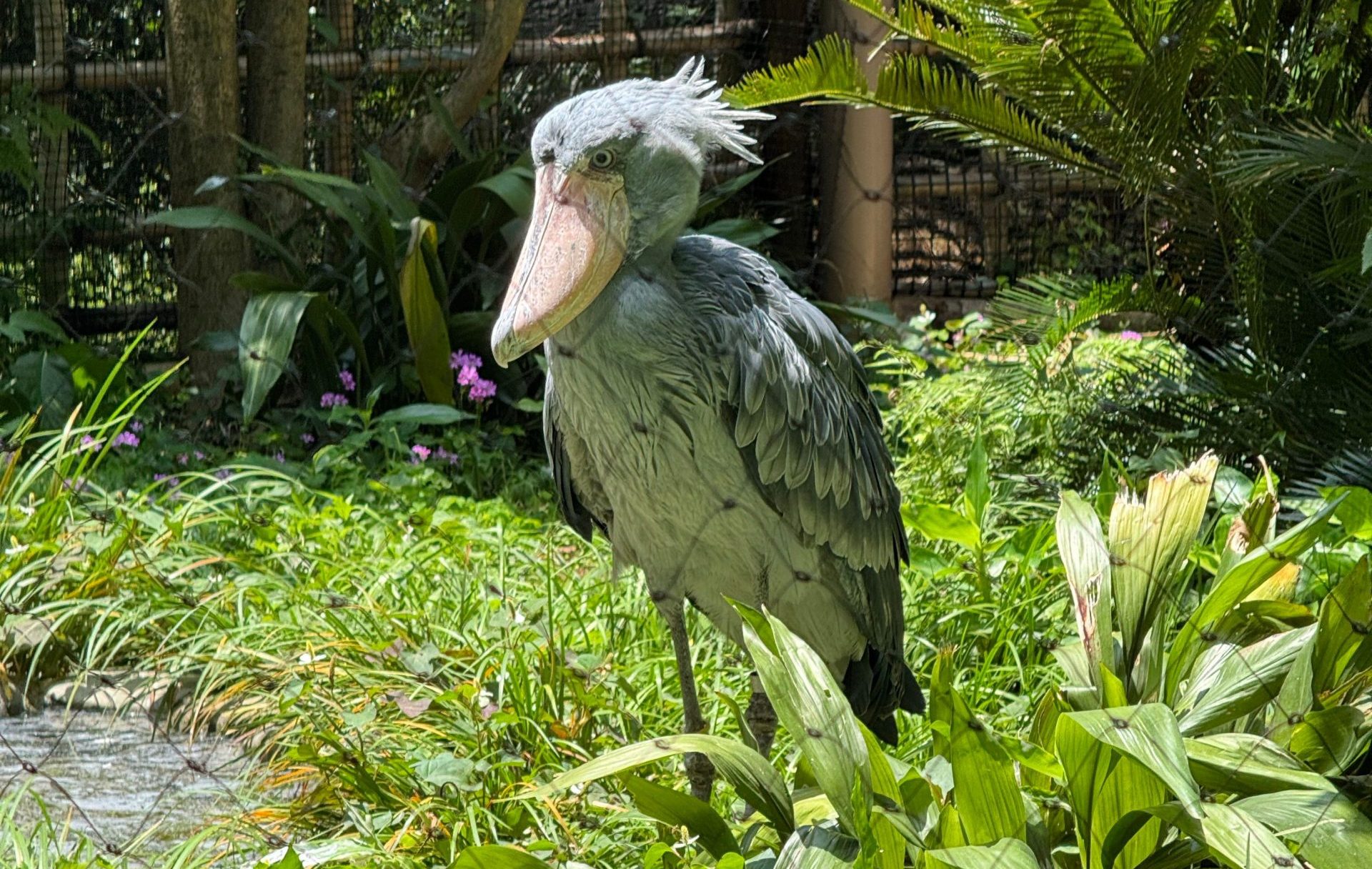
The Shoebill is instantly recognizable by its enormous shoe-shaped bill, piercing eyes, towering height, and slow, statue-like movements. Standing up to 1.5 meters tall with a wingspan exceeding 2 meters, it resembles a living dinosaur.
Unlike many waterbirds, Shoebills are solitary hunters. They spend hours standing perfectly still before launching a lightning-fast strike to capture lungfish, catfish, frogs, water snakes, and even young crocodiles. Their calm behavior and prehistoric appearance make every sighting unforgettable.
Best Places for Shoebill Birding in Uganda
1. Mabamba Swamp
Located near Entebbe on the shores of Lake Victoria, Mabamba Swamp is Uganda’s most famous Shoebill destination. Accessible by canoe, the swamp provides excellent year-round sightings while also hosting numerous papyrus specialists and migratory birds.
Other birds commonly seen include:
- African Jacana
- Blue Swallow
- Papyrus Gonolek
- Malachite Kingfisher
- African Fish Eagle
- Great Cormorant
- Goliath Heron
2. Murchison Falls National Park
The Nile Delta in Murchison Falls National Park is another outstanding location. Boat cruises through the delta often produce close encounters with Shoebills together with hippos, crocodiles, elephants, buffaloes, and numerous waterbirds.
3. Ziwa Rhino Sanctuary
Besides rhino tracking, Ziwa Rhino Sanctuary offers guided Shoebill walks through Lugogo Swamp, making it an excellent stopover between Kampala and Murchison Falls.
4. Queen Elizabeth National Park
The Ishasha sector and Kazinga Channel wetlands occasionally reward birders with Shoebill sightings alongside hundreds of other bird species.
5. Lake Mburo National Park
Although sightings are less frequent, nearby wetlands occasionally host Shoebills, especially during favorable conditions.
Best Time for Shoebill Birding
Shoebills can be seen throughout the year because they are non-migratory birds. However, the dry seasons generally provide easier access to wetlands and better photography conditions.
Best months include:
- December to February
- June to September
Early morning boat excursions offer the highest chances of successful sightings because the birds are actively hunting before temperatures rise.
What to Expect During a Shoebill Tour
A typical Shoebill birding excursion begins before sunrise. Visitors board a traditional canoe or motorized boat and quietly navigate narrow papyrus channels while expert bird guides scan for the elusive bird.
Besides the Shoebill, guests enjoy sightings of numerous wetland birds, butterflies, reptiles, and aquatic mammals. Every trip offers a unique experience depending on weather, water levels, and bird activity.
Bird Photography Opportunities
Uganda ranks among Africa’s premier wildlife photography destinations, and Shoebill photography is one of its highlights.
Professional photographers appreciate:
- Beautiful morning light
- Calm water reflections
- Close canoe-based viewing
- Natural wetland backgrounds
- Excellent opportunities for action shots
Patience and a telephoto lens greatly improve the chances of capturing remarkable images.
Conservation of the Shoebill
The Shoebill is listed as Vulnerable due to habitat loss, wetland degradation, disturbance, and illegal wildlife trade. Uganda’s protected wetlands and community conservation initiatives play an essential role in safeguarding this iconic species.
Responsible tourism supports conservation by providing income for local communities and encouraging the preservation of fragile wetland ecosystems.
Why Choose Turkana Wildlife Safaris Uganda?
Turkana Wildlife Safaris Uganda specializes in tailor-made birding holidays designed for beginners, experienced birders, wildlife photographers, and conservation enthusiasts.
Our Shoebill birding safaris include:
- Professional birding guides
- Comfortable transportation
- Canoe and boat excursions
- Flexible itineraries
- Bird photography assistance
- Combination wildlife and birding packages
- Gorilla trekking and chimpanzee safari extensions
- Accommodation bookings throughout Uganda
Whether you have a single day near Entebbe or several weeks exploring Uganda, we can create the perfect Shoebill birding adventure.
Frequently Asked Questions (FAQs)
Is Uganda the best country to see the Shoebill?
Yes. Uganda is widely regarded as one of the most reliable destinations for observing Shoebills in their natural habitat, particularly in Mabamba Swamp and the Nile Delta of Murchison Falls National Park.
Where is the best place to see Shoebills in Uganda?
Mabamba Swamp near Entebbe is considered the premier location because of its high sighting success rate and easy accessibility.
How long does a Shoebill excursion take?
Most excursions last between three and five hours, depending on bird activity and weather conditions.
Can beginners join Shoebill birding tours?
Absolutely. Shoebill excursions are suitable for all ages and experience levels, with expert guides providing support throughout the tour.
What should I bring?
Bring binoculars, a camera with a zoom lens, comfortable clothing, sunscreen, insect repellent, drinking water, and a hat.
What other wildlife can I see?
Depending on the location, visitors may encounter hippos, crocodiles, otters, monkeys, butterflies, reptiles, and hundreds of additional bird species.
Can Shoebill birding be combined with other safaris?
Yes. Turkana Wildlife Safaris Uganda offers customized itineraries that combine Shoebill tracking with gorilla trekking, chimpanzee tracking, Big Five safaris, mountain hiking, cultural experiences, and game drives across Uganda.
Conclusion
Shoebill Stork birding in Uganda is one of Africa’s most extraordinary wildlife experiences. Encountering this ancient looking giant in the tranquil papyrus wetlands is a highlight for birdwatchers, photographers, and nature lovers alike. From the famous Mabamba Swamp to the Nile Delta of Murchison Falls National Park, Uganda offers exceptional opportunities to observe one of the world’s most remarkable birds.
With Turkana Wildlife Safaris Uganda, your Shoebill adventure is led by knowledgeable guides who understand the bird’s behavior, the best viewing locations, and the importance of responsible conservation. Whether you are planning a dedicated birding holiday or adding a Shoebill excursion to a broader Ugandan safari, we are committed to creating an unforgettable experience that showcases the country’s extraordinary biodiversity.