
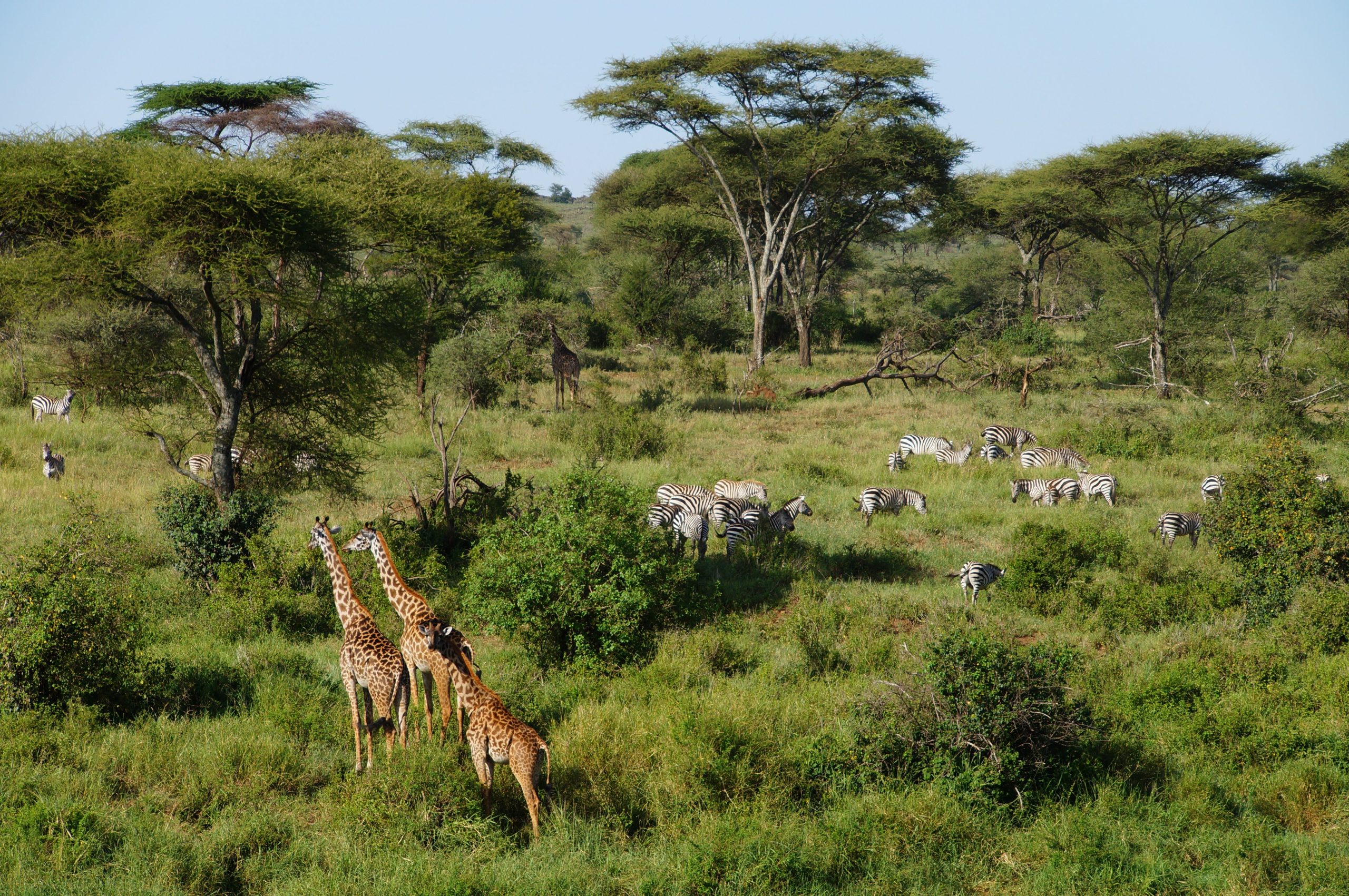
Karamoja Wildlife Conservation Area
Karamoja Wildlife Conservation Area
Karamoja Wildlife Conservation Area: Uganda’s Untamed Wilderness with Turkana Wildlife Safaris
The Karamoja Wildlife Conservation Area (KWCA) is one of Uganda’s largest and most spectacular protected landscapes. Located in the country’s remote northeastern region, this vast conservation area is a haven for rare wildlife, breathtaking scenery, and authentic cultural experiences. Covering over 10,000 square kilometers, the Karamoja Wildlife Conservation Area includes renowned national parks and wildlife reserves that remain largely untouched by mass tourism, making it an ideal destination for adventurous travelers seeking an exclusive African safari.
With Turkana Wildlife Safaris Uganda, visitors can explore this hidden gem through expertly guided safaris, cultural encounters, birdwatching expeditions, hiking adventures, and conservation-focused tours. Whether you are searching for Africa’s Big Five, unique wildlife species found nowhere else in Uganda, or the rich traditions of the Karamojong people, Karamoja promises an unforgettable journey.
Where is the Karamoja Wildlife Conservation Area?
The Karamoja Wildlife Conservation Area is situated in northeastern Uganda, bordering South Sudan and Kenya. The conservation landscape encompasses several protected areas managed by the Uganda Wildlife Authority (UWA), including:
- Kidepo Valley National Park
- Pian Upe Wildlife Reserve
- Bokora Wildlife Reserve
- Matheniko Wildlife Reserve
Together, these reserves create one of East Africa’s most important wildlife corridors, allowing animals to migrate freely across vast savannah plains, mountains, and river valleys.
Why Visit the Karamoja Wildlife Conservation Area?
Unlike Uganda’s more popular safari destinations, Karamoja offers an authentic wilderness experience with fewer visitors and incredible biodiversity.
Highlights include:
- Exclusive game drives with minimal tourist traffic
- Rare wildlife species
- Spectacular mountain landscapes
- Rich Karamojong cultural heritage
- Exceptional birdwatching
- Guided nature walks
- Community tourism experiences
- Photography safaris
- Camping under pristine African skies
For travelers seeking untouched Africa, Karamoja delivers an experience unlike any other.
Wildlife in the Karamoja Wildlife Conservation Area
Karamoja supports an impressive variety of mammals, many of which are difficult to find elsewhere in Uganda.
Big Mammals
Visitors may encounter:
- African Elephant
- Cape Buffalo
- Lion
- Leopard
- Cheetah
- Rothschild’s Giraffe
- Plains Zebra
- Eland
- Jackson’s Hartebeest
- Uganda Kob
- Waterbuck
- Oribi
- Klipspringer
- Bushbuck
- Warthog
The region is also famous for its healthy populations of ostriches, which are rarely seen in other parts of Uganda.
Rare Wildlife Species
One of Karamoja’s greatest attractions is the opportunity to see species unique to northeastern Uganda.
These include:
- Bat-eared Fox
- Caracal
- Striped Hyena
- Aardwolf
- Greater Kudu
- Lesser Kudu (occasionally)
- Mountain Reedbuck
These rare sightings make Karamoja a paradise for wildlife enthusiasts.
Birdwatching Paradise
Karamoja Wildlife Conservation Area is home to more than 470 bird species.
Bird lovers can search for:
- Secretary Bird
- Kori Bustard
- Abyssinian Ground Hornbill
- Ostrich
- Karamoja Apalis
- Fox’s Weaver
- White-bellied Go-away Bird
- Egyptian Vulture
- Martial Eagle
- Verreaux’s Eagle
Many of these birds are endemic to northeastern Africa, making the region internationally important for birdwatching.
Kidepo Valley National Park
The crown jewel of the Karamoja Wildlife Conservation Area is Kidepo Valley National Park.
Often ranked among Africa’s finest national parks, Kidepo boasts:
- Vast open savannah
- Narus Valley game viewing
- Kidepo River Valley
- Kanangorok Hot Springs
- Scenic mountain backdrops
- Exceptional predator sightings
Game drives here frequently reveal lions resting on rocky outcrops while elephants and buffalo roam the plains below.
Pian Upe Wildlife Reserve
Pian Upe is Uganda’s second-largest protected area and offers remarkable wilderness experiences.
Activities include:
- Walking safaris
- Mountain hiking
- Cheetah tracking
- Birdwatching
- Photography
- Camping
Pian Upe is one of the few places in Uganda where cheetahs are regularly spotted.
Bokora Wildlife Reserve
Bokora Wildlife Reserve features rolling grasslands, rocky hills, and seasonal wetlands that support:
- Zebra
- Giraffe
- Eland
- Ostrich
- Reedbuck
- Numerous bird species
It also serves as an important migration corridor connecting neighboring reserves.
Matheniko Wildlife Reserve
Matheniko Wildlife Reserve remains one of Uganda’s least-explored wilderness areas.
Its rugged landscapes provide habitat for:
- Antelope
- Hyenas
- Leopards
- Ostriches
- Numerous reptiles
- Over 200 bird species
This reserve is ideal for adventurous travelers seeking remote safari experiences.
Cultural Experiences with the Karamojong
No visit to Karamoja is complete without meeting the Karamojong, one of Uganda’s most fascinating pastoral communities.
Visitors can enjoy:
- Traditional village visits
- Cultural dances
- Local storytelling
- Cattle herding experiences
- Traditional food tasting
- Craft markets
- Homestead tours
These experiences offer valuable insight into a culture that has preserved its traditions for centuries.
Activities Offered by Turkana Wildlife Safaris Uganda
Turkana Wildlife Safaris Uganda provides customized safari packages throughout the Karamoja Wildlife Conservation Area.
Popular activities include:
Game Drives
Morning and evening drives maximize opportunities to see predators and large mammals.
Walking Safaris
Guided bush walks allow visitors to experience nature up close while learning about animal tracks, plants, and local ecology.
Birdwatching Tours
Expert guides help identify hundreds of bird species throughout Karamoja.
Mountain Hiking
Explore the scenic hills and mountain ranges surrounding the conservation area.
Cultural Tours
Spend time with local communities to learn about Karamoja’s rich traditions and history.
Photography Safaris
Capture dramatic landscapes, wildlife, and cultural moments in one of Africa’s most photogenic regions.
Camping Adventures
Sleep beneath star-filled skies surrounded by the sounds of the African wilderness.
Best Time to Visit
Karamoja Wildlife Conservation Area can be visited throughout the year.
Dry Season (December to March)
- Excellent wildlife viewing
- Easier road access
- Animals gather around water sources
Wet Season (April to November)
- Beautiful green landscapes
- Excellent birdwatching
- Fewer tourists
- Great photography opportunities
How to Get There
Travelers can reach Karamoja by:
By Road
From Kampala via:
- Mbale
- Soroti
- Moroto
- Kotido
- Kidepo Valley National Park
The journey takes approximately 10–12 hours.
By Air
Chartered and scheduled domestic flights operate to airstrips near Kidepo Valley National Park, offering a faster and more comfortable option.
Accommodation Options
Visitors can choose from:
- Luxury safari lodges
- Mid-range lodges
- Tented camps
- Budget campsites
- Community-owned accommodations
Turkana Wildlife Safaris Uganda can arrange accommodation suitable for every travel budget.
Why Choose Turkana Wildlife Safaris Uganda?
Turkana Wildlife Safaris Uganda specializes in personalized adventures across Uganda’s remote wilderness destinations.
Reasons to travel with Turkana Wildlife Safaris Uganda include:
- Experienced professional guides
- Customized itineraries
- Reliable transportation
- Cultural expertise
- Conservation-focused tourism
- Birdwatching specialists
- Photography-friendly safaris
- Competitive pricing
- Excellent customer service
Whether planning a short wildlife excursion or an extended expedition across Karamoja, the company ensures a memorable safari experience.
Frequently Asked Questions (FAQs)
1. What is the Karamoja Wildlife Conservation Area?
It is Uganda’s largest protected conservation landscape, comprising Kidepo Valley National Park and the wildlife reserves of Pian Upe, Bokora, and Matheniko.
2. Which animals can I see?
Visitors may see elephants, lions, leopards, cheetahs, giraffes, zebras, buffalo, ostriches, hyenas, antelopes, and many other species.
3. Is Karamoja safe for tourists?
Yes. Security has improved significantly over the years, and guided tours with reputable operators such as Turkana Wildlife Safaris Uganda provide safe and enjoyable travel experiences.
4. When is the best time to visit?
The dry season from December to March offers excellent wildlife viewing, although Karamoja is rewarding throughout the year.
5. Can I visit local communities?
Yes. Cultural tours to Karamojong villages are among the most popular activities available.
6. Is Karamoja good for birdwatching?
Absolutely. The conservation area supports more than 470 bird species, including several regional endemics.
7. How many days should I spend in Karamoja?
A safari of 4 to 7 days allows sufficient time to explore the major parks, enjoy wildlife viewing, and experience local culture.
8. Does Turkana Wildlife Safaris Uganda organize customized tours?
Yes. The company offers tailor-made itineraries for individuals, families, photographers, birdwatchers, and groups.
Conclusion
The Karamoja Wildlife Conservation Area is one of Uganda’s last truly wild frontiers, offering vast landscapes, extraordinary biodiversity, and rich cultural heritage. From the predator-filled plains of Kidepo Valley National Park to the open grasslands of Pian Upe and the remote beauty of Bokora and Matheniko, the region provides an authentic safari experience far from the crowds.
Traveling with Turkana Wildlife Safaris Uganda ensures a seamless and enriching adventure, combining expert guiding, personalized itineraries, comfortable accommodations, and meaningful cultural interactions. Whether your dream is to photograph rare wildlife, embark on a birdwatching expedition, hike rugged mountains, or immerse yourself in the traditions of the Karamojong people, Karamoja offers memories that will last a lifetime. For travelers seeking an off-the-beaten-path African safari, the Karamoja Wildlife Conservation Area stands as one of Uganda’s most rewarding destinations.