
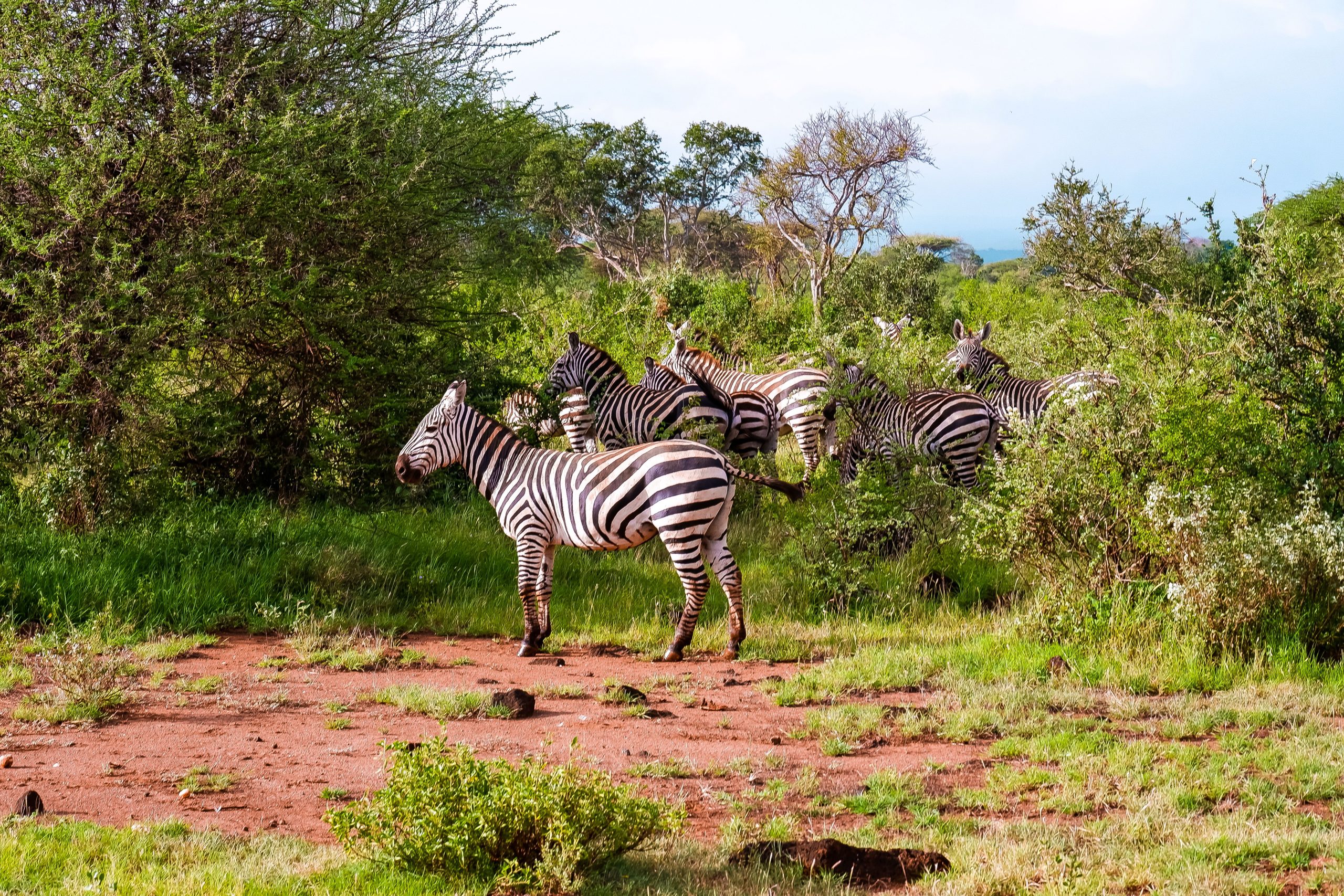
Eco Tourism Kenya
Eco Tourism Kenya
Eco Tourism Kenya: A Complete Guide to Sustainable Safari Experiences


Eco tourism goes beyond sightseeing. It promotes sustainable travel practices that protect ecosystems, preserve wildlife, and create meaningful economic opportunities for local people. Whether you’re exploring the vast savannahs of the Maasai Mara, witnessing elephants beneath Mount Kilimanjaro in Amboseli, or visiting community conservancies in northern Kenya, eco tourism ensures your adventure contributes positively to the environment.
Turkana Wildlife Safaris Uganda proudly offers eco-friendly safari experiences across East Africa, combining Kenya’s incredible wildlife destinations with Uganda’s famous gorilla trekking and primate adventures.
What is Eco Tourism?
Eco tourism is responsible travel to natural areas that:
- Conserves biodiversity
- Supports local communities
- Minimizes environmental impact
- Promotes cultural preservation
- Educates visitors about conservation
Unlike conventional tourism, eco tourism encourages travelers to leave destinations better than they found them.
Why Kenya is a Leading Eco Tourism Destination
Kenya has invested significantly in wildlife conservation, community conservancies, and sustainable tourism initiatives. Many safari operators, lodges, and national parks follow eco-friendly practices that help protect endangered species while benefiting surrounding communities.
Major reasons include:
- World-renowned national parks
- Community-managed conservancies
- Rich biodiversity
- Strong wildlife conservation programs
- Responsible safari operators
- Sustainable eco-lodges
Kenya’s Top Eco Tourism Destinations


1. Maasai Mara National Reserve
The Maasai Mara is famous for the Great Migration and abundant predators. Many conservancies surrounding the reserve promote sustainable tourism by limiting visitor numbers and directly supporting Maasai communities.
Eco activities include:
- Walking safaris
- Wildlife photography
- Cultural village visits
- Conservation education
- Bird watching
2. Amboseli National Park
Amboseli is renowned for its large elephant herds and stunning views of Mount Kilimanjaro. Eco tourism initiatives here focus on elephant conservation and sustainable community partnerships.
Visitors enjoy:
- Elephant tracking
- Guided nature walks
- Birding tours
- Eco-friendly camping
3. Samburu National Reserve
Located in northern Kenya, Samburu protects unique wildlife species such as:
- Grevy’s Zebra
- Reticulated Giraffe
- Somali Ostrich
- Beisa Oryx
- Gerenuk
Community conservancies around Samburu play a significant role in protecting wildlife while generating tourism income.
4. Lake Naivasha
Lake Naivasha offers peaceful eco-tourism experiences featuring:
- Boat safaris
- Hippo viewing
- Crescent Island walking safaris
- Bird watching
- Nature photography
Community Conservancies: The Future of Kenyan Tourism
Community conservancies are among Kenya’s greatest conservation successes.
These protected areas are managed by local communities who:
- Protect wildlife habitats
- Prevent poaching
- Offer eco-friendly accommodations
- Provide cultural experiences
- Share tourism revenues
Visitors directly contribute to improving education, healthcare, and livelihoods.
Wildlife You Can See


Popular safari animals include:
- Lions
- Leopards
- Cheetahs
- African Elephants
- Black Rhinos
- Buffaloes
- Giraffes
- Zebras
- Hippos
- Crocodiles
- Hyenas
- Wildebeest
Bird lovers can also spot over 1,100 bird species across Kenya.
Sustainable Safari Lodges
Eco lodges in Kenya emphasize:
- Solar energy
- Rainwater harvesting
- Plastic-free operations
- Waste recycling
- Local employment
- Sustainable food sourcing
Many luxury safari camps combine comfort with environmental responsibility.
Responsible Wildlife Viewing Tips
When enjoying wildlife safaris:
- Maintain safe viewing distances.
- Never feed wild animals.
- Stay on designated roads and trails.
- Avoid littering.
- Respect park regulations.
- Follow your guide’s instructions.
- Reduce plastic waste by carrying reusable bottles.
Responsible behavior helps preserve Kenya’s ecosystems for future generations.
Cultural Experiences
Eco tourism also celebrates Kenya’s diverse cultures.
Visitors can experience:
- Maasai traditions
- Samburu cultural villages
- Traditional dances
- Local handicrafts
- Indigenous storytelling
- Traditional cuisine
These activities provide authentic experiences while supporting local economies.
Best Time for Eco Tourism in Kenya
| Season | Highlights |
|---|---|
| January – March | Excellent wildlife viewing |
| April – May | Green landscapes, fewer visitors |
| June – October | Peak safari season and Great Migration |
| November – December | Bird watching and lush scenery |
Every season offers unique wildlife and photographic opportunities.
Eco Tourism Combined with Uganda
One of the most rewarding East African itineraries combines Kenya with Uganda.
Turkana Wildlife Safaris Uganda specializes in tailor-made eco-friendly safari packages that allow travelers to experience:
- Kenya’s iconic wildlife safaris
- Uganda Gorilla Trekking
- Chimpanzee Tracking
- Murchison Falls National Park
- Queen Elizabeth National Park
- Bwindi Impenetrable National Park
- Lake Mburo National Park
- Cultural tours across East Africa
By promoting responsible tourism, Turkana Wildlife Safaris Uganda works with local communities, supports conservation efforts, and encourages sustainable travel practices throughout the region.
Whether you’re planning a luxury safari, a family adventure, or a conservation-focused expedition, the company can create customized itineraries that minimize environmental impact while maximizing authentic experiences.
Benefits of Choosing Eco Tourism
Choosing eco tourism means:
- Supporting wildlife conservation
- Protecting endangered species
- Reducing environmental impact
- Creating jobs for local communities
- Preserving indigenous cultures
- Encouraging sustainable development
Your travel choices help protect Africa’s natural heritage for future generations.
Frequently Asked Questions (FAQs)
Is Kenya good for eco tourism?
Yes. Kenya is one of Africa’s leading eco tourism destinations thanks to its extensive protected areas, community conservancies, sustainable safari lodges, and strong wildlife conservation initiatives.
What makes a safari eco-friendly?
An eco-friendly safari minimizes environmental impact by using sustainable accommodations, supporting local communities, reducing waste, conserving wildlife, and following responsible tourism practices.
Which Kenyan national park is best for eco tourism?
The Maasai Mara, Amboseli, Samburu, and Lake Naivasha are among the best destinations for eco-conscious travelers due to their conservation efforts and community involvement.
Can I combine Kenya and Uganda in one safari?
Absolutely. Many travelers combine Kenya’s wildlife safaris with Uganda’s gorilla trekking and chimpanzee experiences. Turkana Wildlife Safaris Uganda offers customized cross-border itineraries for a seamless East African adventure.
When is the best time to visit Kenya for eco tourism?
June to October is the peak safari season with excellent wildlife viewing, while January to March also offers fantastic conditions. The rainy seasons bring lush landscapes and excellent birdwatching.
How does eco tourism benefit local communities?
Eco tourism creates employment, supports education and healthcare, funds conservation projects, and provides income through community-owned lodges, guiding services, and cultural experiences.
Conclusion
Eco tourism in Kenya offers far more than unforgettable wildlife encounters, it is a commitment to preserving nature, empowering local communities, and ensuring future generations can enjoy Africa’s remarkable biodiversity. From the sweeping plains of the Maasai Mara to the elephant-rich landscapes of Amboseli and the unique ecosystems of Samburu, Kenya showcases how sustainable tourism and conservation can thrive together.
For travelers seeking an even richer East African journey, Turkana Wildlife Safaris Uganda provides expertly crafted eco-friendly itineraries that combine Kenya’s world-class safaris with Uganda’s renowned gorilla trekking, chimpanzee tracking, and spectacular national parks. By choosing responsible travel, you not only create lifelong memories but also contribute to the protection of wildlife, support local livelihoods, and help preserve the natural beauty that makes East Africa one of the world’s most extraordinary destinations.