
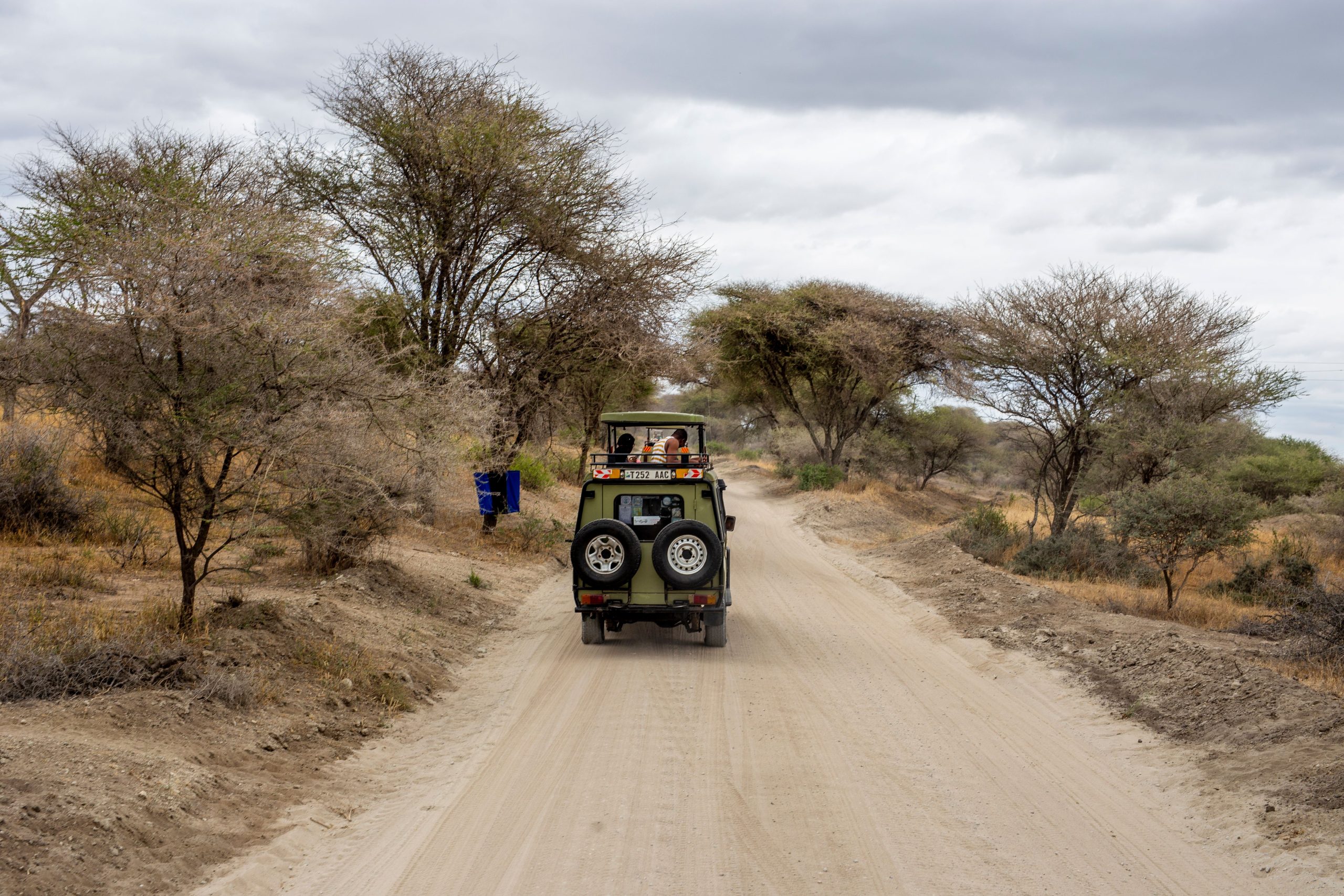
Kenya Safari Packing List
Kenya Safari Packing List
Kenya Safari Packing List: The Complete Guide for a Comfortable and Memorable Adventure
A Kenya safari is one of Africa’s most rewarding travel experiences, offering breathtaking landscapes, abundant wildlife, and unforgettable encounters with the Big Five. Whether you’re exploring the famous Masai Mara, Amboseli National Park, Samburu National Reserve, or Lake Nakuru National Park, packing the right gear can make your safari more enjoyable and stress-free.
At Turkana Wildlife Safaris Uganda, we help travelers prepare for incredible East African adventures by providing expert guidance, tailor-made safari packages, and practical travel advice. This comprehensive Kenya safari packing list ensures you’re fully equipped for your wildlife journey.
Why Packing Properly Matters
Kenya’s climate varies depending on the region and season. Early mornings and evenings can be chilly, while afternoons are often warm and sunny. Safari vehicles may travel over dusty roads, and game drives typically last several hours.
Packing wisely helps you:
- Stay comfortable throughout your safari
- Protect yourself from the sun and insects
- Capture amazing wildlife photographs
- Be prepared for changing weather
- Travel light without forgetting essential items
Essential Clothing for a Kenya Safari
Choosing the right clothing improves comfort and helps you blend into natural surroundings.
Lightweight Neutral-Colored Clothes
Pack clothing in earthy shades such as:
- Khaki
- Olive green
- Beige
- Brown
- Light grey
Avoid bright colors like red, yellow, and orange, as well as dark blue or black, which can attract tsetse flies.
Recommended items include:
- 4–6 T-shirts
- 2–3 long-sleeved shirts
- 2 safari trousers
- 1 pair of shorts
- Comfortable evening clothes
Warm Layers
Morning game drives can start before sunrise when temperatures are surprisingly cool.
Bring:
- Light fleece jacket
- Sweater
- Windbreaker
- Lightweight scarf
Waterproof Jacket
If visiting during Kenya’s rainy seasons (March–May or October–December), a compact waterproof jacket is highly recommended.
Footwear
Comfortable shoes are essential.
Pack:
- Comfortable walking shoes
- Hiking boots (if trekking)
- Sandals for evenings
- Moisture-wicking socks
Sun Protection
The African sun is strong throughout the year.
Bring:
- Wide-brim safari hat
- Polarized sunglasses
- SPF 30–50 sunscreen
- Lip balm with SPF
Safari Accessories
These items greatly improve your safari experience.
Binoculars
A quality pair of binoculars helps you spot distant wildlife and birds.
Recommended:
- 8×42 binoculars
- 10×42 binoculars
Camera Equipment
Don’t forget:
- DSLR or mirrorless camera
- Extra batteries
- Memory cards
- Camera charger
- Lens cleaning cloth
- Telephoto lens (200–400mm)
Day Backpack
Carry a lightweight backpack for:
- Water bottle
- Camera
- Snacks
- Rain jacket
- Personal items
Important Travel Documents
Always pack:
- Passport
- Kenyan visa (if required)
- Flight tickets
- Travel insurance documents
- Vaccination certificates
- Hotel and safari confirmations
- Emergency contacts
Keep digital copies stored securely online.
Health and Medical Essentials
Carry a small medical kit containing:
- Prescription medication
- Pain relievers
- Antihistamines
- Motion sickness tablets
- Bandages
- Antiseptic cream
- Insect repellent
- Hand sanitizer
- Wet wipes
Consult your doctor regarding malaria prevention before traveling.
Electronics
Remember to pack:
- Mobile phone
- Chargers
- Universal travel adapter
- Power bank
- Flashlight or headlamp
- Extra batteries
Personal Toiletries
Pack travel-sized toiletries including:
- Toothbrush
- Toothpaste
- Soap
- Shampoo
- Deodorant
- Hairbrush
- Razor
- Moisturizer
- Tissues
Water Bottle
A reusable insulated water bottle helps you stay hydrated during long game drives while reducing plastic waste.
Optional Safari Items
Depending on your itinerary, you may also want:
- Bird identification guide
- Wildlife field guide
- Notebook and pen
- Playing cards
- Lightweight blanket
- Neck pillow
- Swimwear (for lodges with pools)
Packing Tips for Kenya Safaris
Use Soft Bags
Most safari vehicles and domestic flights have luggage restrictions. Soft duffel bags are easier to store than hard suitcases.
Pack Light
Limit luggage to approximately 15 kg–20 kg if taking internal safari flights.
Layer Your Clothing
Instead of packing heavy clothing, wear layers that can be added or removed as temperatures change.
Protect Electronics from Dust
Carry waterproof or dustproof bags for cameras, phones, and laptops.
What NOT to Pack
Avoid bringing:
- Bright-colored clothing
- Expensive jewelry
- Excessive luggage
- Plastic bags (Kenya has strict restrictions)
- Strong perfumes
- High-heeled shoes
Best Time to Visit Kenya
Kenya is a year-round safari destination, but the best wildlife viewing seasons include:
June to October
- Dry weather
- Excellent wildlife viewing
- Great Migration in Masai Mara
- Cooler temperatures
January to February
- Dry season
- Clear skies
- Excellent bird photography
- Baby animals are often seen
Why Travel with Turkana Wildlife Safaris Uganda?
Turkana Wildlife Safaris Uganda specializes in unforgettable East African safari experiences, including Kenya, Uganda, Rwanda, and Tanzania. Whether you’re planning your first safari or returning for another adventure, our experienced team ensures every detail is handled professionally.
Our services include:
- Customized Kenya safari itineraries
- Big Five wildlife safaris
- Great Migration tours
- Birdwatching expeditions
- Luxury, mid-range, and budget safaris
- Gorilla trekking combinations
- Airport transfers
- Professional safari guides
- Comfortable accommodations
- Cross-border East African safari packages
With Turkana Wildlife Safaris Uganda, you’ll receive expert advice on packing, travel planning, and creating unforgettable memories in Africa’s most iconic wildlife destinations.
Frequently Asked Questions (FAQs)
1. What kind of luggage is best for a Kenya safari?
Soft-sided duffel bags are recommended because they fit easily into safari vehicles and small aircraft used for domestic flights.
2. Can I wear jeans on safari?
Yes, but lightweight safari trousers are generally more comfortable, especially in warm weather and on long game drives.
3. Do I need hiking boots?
Only if your itinerary includes walking safaris or hiking. Comfortable walking shoes are sufficient for most game drives.
4. Should I bring binoculars?
Absolutely. Binoculars greatly enhance wildlife viewing, especially for birdwatching and spotting animals in the distance.
5. Is insect repellent necessary?
Yes. Mosquitoes and other insects are common in many safari areas, particularly in the evenings.
6. Can I charge my phone and camera during the safari?
Most lodges and camps provide electricity, although charging times may be limited in remote locations.
7. How much luggage is allowed on safari flights?
Many domestic safari flights allow approximately 15 kg, including hand luggage, in soft-sided bags. Always confirm baggage limits with your airline or tour operator.
8. What colors should I wear on safari?
Neutral colors such as khaki, olive green, beige, and brown are ideal because they blend into the environment and are less likely to attract insects.
9. Is sunscreen necessary even during the cooler months?
Yes. The African sun remains strong throughout the year, making sunscreen essential.
10. Can Turkana Wildlife Safaris Uganda help me plan my Kenya safari?
Yes. Turkana Wildlife Safaris Uganda offers personalized Kenya safari packages, expert travel advice, accommodation bookings, transportation, and professional guides to ensure a seamless and memorable safari experience.
Conclusion
Packing well is one of the easiest ways to ensure your Kenya safari is comfortable, safe, and enjoyable. By bringing lightweight clothing, sturdy footwear, essential travel documents, sun protection, and quality safari accessories, you’ll be fully prepared to explore Kenya’s spectacular national parks and wildlife reserves.
Whether you’re witnessing the Great Migration in the Masai Mara, photographing elephants beneath Mount Kilimanjaro in Amboseli, or discovering the unique wildlife of Samburu, having the right gear allows you to focus on creating unforgettable memories.
Turkana Wildlife Safaris Uganda is your trusted partner for expertly planned Kenya safaris and multi-country East African adventures. Our experienced team is committed to providing exceptional service, knowledgeable guides, and tailor-made itineraries that match your interests and budget. Let us help you prepare for the safari of a lifetime and experience the incredible beauty, wildlife, and culture that Kenya has to offer.