
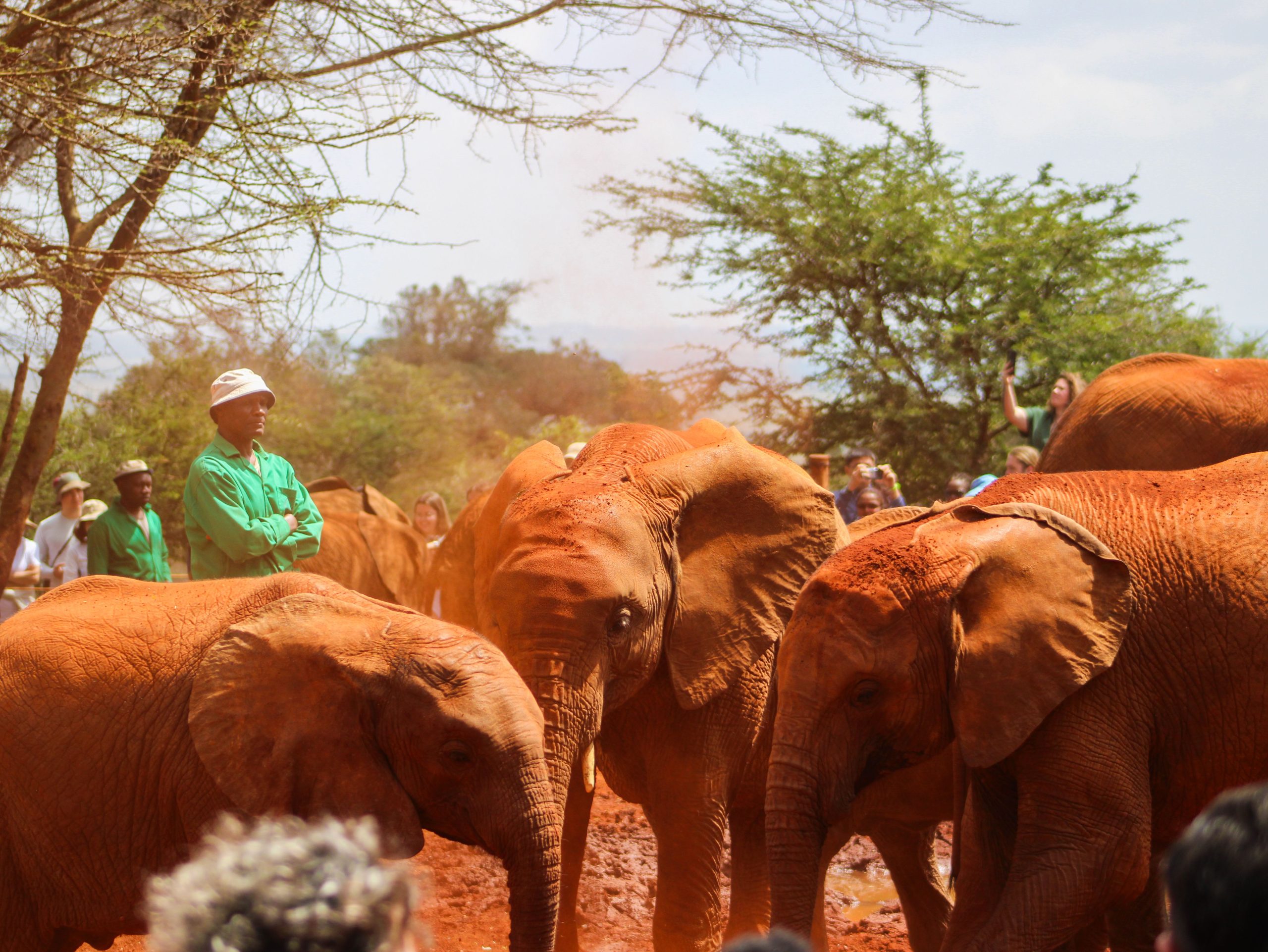
David Sheldrick Elephant Orphanage
David Sheldrick Elephant Orphanage
David Sheldrick Elephant Orphanage: A Complete Visitor’s Guide to Nairobi’s Elephant Nursery
Introduction
The David Sheldrick Elephant Orphanage, officially known as the Sheldrick Wildlife Trust (SWT) Nairobi Nursery, is one of Kenya’s most inspiring wildlife conservation attractions. Located within Nairobi National Park, the orphanage provides a safe haven for baby elephants and rhinos that have lost their mothers due to poaching, human-wildlife conflict, drought, or natural causes.
Founded in memory of David Leslie William Sheldrick, the first warden of Tsavo East National Park, the sanctuary has become the world’s leading elephant rescue and rehabilitation center. Since its establishment, the Trust has successfully rescued, rehabilitated, and reintroduced hundreds of orphaned elephants back into the wild while expanding its work into veterinary care, anti-poaching, habitat protection, and community conservation.
For travelers exploring Kenya, a visit to the David Sheldrick Elephant Orphanage offers an unforgettable opportunity to witness conservation in action while supporting one of Africa’s most respected wildlife organizations.
History of the David Sheldrick Elephant Orphanage
The orphanage was established in 1977 by Dr. Dame Daphne Sheldrick in memory of her late husband, David Sheldrick. David dedicated his life to protecting Kenya’s wildlife, especially elephants in Tsavo National Park.
Daphne developed a groundbreaking milk formula that made it possible to raise orphaned baby elephants successfully a major breakthrough in wildlife conservation. Today, the Sheldrick Wildlife Trust has become an international conservation organization recognized for its successful elephant rescue and rehabilitation program.
Where is the Elephant Orphanage Located?
The David Sheldrick Elephant Orphanage is situated inside Nairobi National Park, only about 30 minutes from Nairobi’s city center, depending on traffic.
Its convenient location makes it a perfect stop before or after visiting:
- Nairobi National Park
- Giraffe Centre
- Karen Blixen Museum
- Bomas of Kenya
What Happens at the Orphanage?
Every rescued elephant receives around-the-clock care from dedicated keepers.
Visitors can watch:
- Baby elephants enjoying milk feeding
- Elephants playing in mud baths
- Caretakers explaining each elephant’s rescue story
- Young elephants interacting with one another
- Conservation education presentations
Each elephant has its own unique personality, making every visit different and memorable.
Elephant Rescue and Rehabilitation
Many orphaned elephants arrive after experiencing tragic circumstances, including:
- Poaching
- Drought
- Falling into wells or pits
- Human-wildlife conflict
- Separation from their herds
The rehabilitation process includes:
1. Rescue
Wildlife rangers locate abandoned calves and transport them safely to the nursery.
2. Medical Treatment
Veterinarians treat injuries, dehydration, and malnutrition.
3. Milk Feeding
Young elephants receive specially formulated milk every few hours.
4. Emotional Care
Dedicated keepers stay with the calves day and night, helping replace the emotional bond they lost with their mothers.
5. Reintegration
Once mature, elephants are gradually introduced back into protected wild habitats, especially in Tsavo National Park.
Best Time to Visit
The orphanage welcomes visitors during a daily public viewing session.
The best months include:
- June – October
- January – March
Dry seasons generally provide comfortable weather for sightseeing.
Morning visits are ideal because the elephants are active during feeding time.
Why Visit the David Sheldrick Elephant Orphanage?
Visiting offers more than just wildlife viewing.
Highlights include:
- Watching orphaned elephants feed
- Learning about elephant conservation
- Supporting rescue programs
- Photography opportunities
- Educational talks
- Family-friendly experience
Conservation Beyond Elephants
The Sheldrick Wildlife Trust also operates:
- Mobile veterinary units
- Anti-poaching teams
- Aerial surveillance
- Habitat restoration projects
- Community conservation initiatives
- Rhino conservation programs
These broader efforts help protect Kenya’s ecosystems and wildlife.
Photography Tips
Bring:
- Zoom lens
- Wide-angle camera
- Extra batteries
- Sunglasses
- Hat
- Drinking water
Remember to respect wildlife and follow all visitor guidelines.
Combine Your Visit with Other Nairobi Attractions
Many travelers combine the orphanage with:
- Nairobi National Park Game Drive
- Giraffe Centre
- Karen Blixen Museum
- Kazuri Beads Factory
- Nairobi City Tour
This creates an excellent full-day Nairobi wildlife experience.
Experience Kenya with Turkana Wildlife Safaris Uganda
At Turkana Wildlife Safaris Uganda, we organize unforgettable Kenya safaris that include visits to the David Sheldrick Elephant Orphanage alongside Kenya’s iconic national parks and cultural attractions.
Our Kenya safari packages can include:
- Nairobi City Tours
- David Sheldrick Elephant Orphanage
- Nairobi National Park
- Giraffe Centre
- Amboseli National Park
- Maasai Mara National Reserve
- Lake Nakuru National Park
- Tsavo East & West National Parks
- Mount Kenya adventures
- Custom private safaris
- Cross-border Uganda–Kenya safari itineraries
Whether you’re looking for a family holiday, wildlife photography expedition, or luxury East African safari, Turkana Wildlife Safaris Uganda delivers professionally guided journeys tailored to your interests.
Frequently Asked Questions (FAQs)
1. What is the David Sheldrick Elephant Orphanage?
It is a wildlife rehabilitation center in Nairobi dedicated to rescuing and raising orphaned elephants and rhinos before gradually returning them to protected wild habitats.
2. Where is it located?
Inside Nairobi National Park, approximately 30 minutes from Nairobi city center.
3. Why are the elephants orphaned?
Most lose their mothers due to poaching, drought, human-wildlife conflict, accidents, or natural causes.
4. Can visitors feed the elephants?
No. Only trained keepers feed the elephants to ensure their health and welfare.
5. How long does the public visit last?
The standard public viewing session lasts about one hour and requires advance booking.
6. Is the orphanage suitable for children?
Yes. It is one of Nairobi’s most family-friendly educational attractions.
7. Can I adopt an elephant?
Yes. Visitors can symbolically adopt an orphaned elephant through the Sheldrick Wildlife Trust’s adoption program to help fund its care.
8. When is the best time to visit?
The dry seasons from June to October and January to March are generally excellent for wildlife viewing.
9. Can the elephants return to the wild?
Yes. Many elephants are successfully rehabilitated and gradually reintegrated into protected wild habitats in Kenya.
10. Can Turkana Wildlife Safaris Uganda include this attraction?
Absolutely. We can include the David Sheldrick Elephant Orphanage in customized Kenya safaris, Nairobi city tours, and multi-country East African itineraries.
Conclusion
The David Sheldrick Elephant Orphanage is far more than a tourist attraction, it is a symbol of hope, compassion, and world-class wildlife conservation. A visit allows you to witness the incredible journey of orphaned elephants from rescue and rehabilitation to eventual life in the wild, while directly supporting efforts to protect Kenya’s extraordinary wildlife.
For an expertly planned safari that includes this unforgettable experience, Turkana Wildlife Safaris Uganda offers customized Kenya and East Africa itineraries combining wildlife encounters, conservation experiences, cultural adventures, and breathtaking landscapes. Whether you’re visiting Nairobi for a day or embarking on a multi-country safari, adding the David Sheldrick Elephant Orphanage to your itinerary will create memories that last a lifetime.