
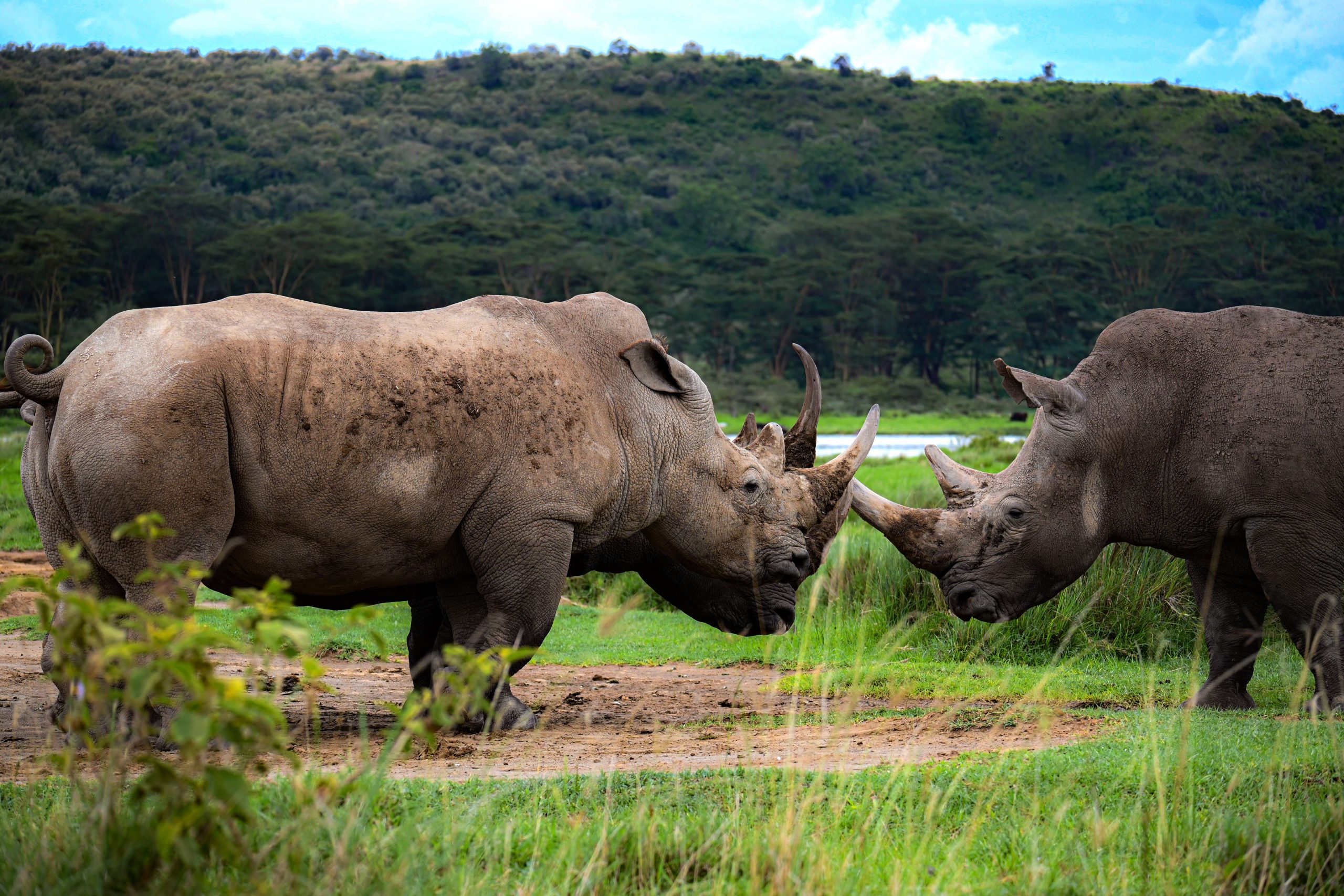
Lake Nakuru Kenya
Lake Nakuru Kenya
Lake Nakuru Kenya Safari: A Wildlife Adventure with Turkana Wildlife Safaris
Lake Nakuru National Park is one of Kenya’s most spectacular wildlife destinations, offering an unforgettable combination of dramatic Rift Valley scenery, diverse wildlife, extraordinary birdlife and the chance to encounter both black and white rhinoceroses.
Located in Kenya’s Great Rift Valley, Lake Nakuru National Park covers approximately 188 km² and is renowned as an important sanctuary for rhinos. The park also supports around 450 bird species, making it an excellent destination for birdwatchers and wildlife photographers.
For travelers looking to explore Kenya in a comfortable, authentic and memorable way, Turkana Wildlife Safaris can make a Lake Nakuru safari part of a wider East African adventure.
Why Visit Lake Nakuru National Park?
Lake Nakuru is different from many other safari destinations in Kenya. Instead of vast open plains alone, the park combines a beautiful alkaline lake with grasslands, acacia woodland, rocky escarpments and viewpoints overlooking the Rift Valley.
The park was originally established as a bird sanctuary in 1961 and later became Kenya’s first government-managed rhino sanctuary. Today, it remains particularly important for the conservation of black and white rhinos.
A safari here can therefore combine wildlife viewing, birdwatching, photography and spectacular landscapes in a relatively compact area.
Wildlife at Lake Nakuru
One of the biggest attractions of Lake Nakuru National Park is its variety of wildlife.
Visitors may encounter:
- Black rhinoceros
- White rhinoceros
- Rothschild’s giraffe
- Lions
- Leopards
- African buffaloes
- Zebras
- Waterbucks
- Impalas
- Bushbucks
- Baboons
- Vervet monkeys
- Hyenas
- Jackals
- Warthogs
- Rock hyraxes
- Numerous smaller mammals
The park’s different habitats provide homes for a wide range of species. Acacia woodlands, grasslands and rocky areas each create opportunities for different wildlife encounters.
The Rhinos of Lake Nakuru
For many visitors, rhinos are the highlight of a Lake Nakuru safari.
Lake Nakuru was established as Kenya’s first rhino sanctuary and remains an important conservation area for both black and white rhinos. This makes the park an excellent destination for travelers who want to see these magnificent animals while learning more about wildlife conservation.
A game drive with an experienced guide gives you the opportunity to search for rhinos while maintaining a respectful distance and following park regulations.
Lake Nakuru and Its Famous Flamingos
Lake Nakuru has long been associated with spectacular concentrations of flamingos. The lake and surrounding wetlands attract many waterbirds, including flamingos, pelicans, herons, egrets and grebes.
However, flamingo numbers can change considerably depending on ecological conditions. Changes in water levels and the lake’s chemistry have affected the algae on which flamingos feed, so visitors should not expect the enormous flamingo gatherings shown in some older photographs on every visit.
Even when flamingo numbers are lower, the birdlife remains one of the park’s major attractions, with approximately 450 bird species recorded.
A Paradise for Birdwatchers
Lake Nakuru is an excellent destination for bird lovers.
Depending on the season and conditions, birdwatchers can look for:
- Flamingos
- Pelicans
- African fish eagles
- Secretary birds
- Herons
- Egrets
- Hammerkops
- Grebes
- Migratory birds
- Other water and terrestrial species
The combination of the lake, woodland and grassland habitats creates excellent opportunities for both casual birdwatchers and serious photographers.
Scenic Viewpoints and Landscapes
Lake Nakuru is not only about animals. Its scenery is a major part of the experience.
Some of the best-known viewpoints include:
Baboon Cliff
Baboon Cliff provides impressive views across Lake Nakuru and the surrounding landscape. It is an excellent place to appreciate the scale and beauty of the park.
Lion Hill
Lion Hill offers another elevated perspective and can be particularly rewarding for photography when the morning or afternoon light falls across the lake and surrounding hills.
Out of Africa Hill
This viewpoint is associated with spectacular views across the park and makes a memorable stop during a safari.
Makalia Waterfalls
Makalia Waterfalls provides a refreshing contrast to the open lake landscape and is another attraction within the park.
Game Drives in Lake Nakuru
Game drives are the main way to explore Lake Nakuru National Park.
With Turkana Wildlife Safaris, travelers can explore the park with a safari guide while searching for rhinos, giraffes, buffaloes, zebras, lions and other wildlife.
Early morning game drives are particularly rewarding because wildlife is often active during the cooler hours of the day. Afternoon drives offer different lighting conditions and can be excellent for photography.
Because wildlife is unpredictable, every game drive is different. One moment you may be watching a giraffe moving through the woodland; the next, your guide may spot a rhino hidden among the vegetation.
That element of surprise is part of what makes safari so addictive.
Lake Nakuru for Photography
Lake Nakuru is an excellent destination for wildlife photographers.
The park offers opportunities to photograph:
- Rhinos against green grasslands
- Giraffes among acacia trees
- Buffalo herds
- Zebras
- Birds around the lake
- Flamingos when conditions bring them together
- Lions and other predators
- Scenic Rift Valley landscapes
- Golden-hour landscapes around the lake
The combination of wildlife and scenery means that even when animals are not immediately visible, there is usually something interesting to photograph.
Best Time to Visit Lake Nakuru
Lake Nakuru can be visited throughout the year, although conditions vary by season.
Many travelers prefer the drier months because wildlife can be easier to locate around remaining water sources and roads are generally more manageable.
The wetter periods can also be rewarding because the landscape becomes greener, birdlife can be excellent and photography conditions can be beautiful.
Rather than choosing a trip solely around flamingos, it is better to consider Lake Nakuru as a complete wildlife destination with rhinos, giraffes, predators, birds and landscapes all contributing to the experience.
Getting to Lake Nakuru
Lake Nakuru National Park is approximately 156 km northwest of Nairobi and is accessible by road via the Nairobi, Nakuru highway. The park has several gates, including Lanet Gate, Nderit Gate and the Main Gate near Nakuru City.
This accessibility makes Lake Nakuru a convenient addition to a Kenya safari itinerary, especially for travelers beginning their journey in Nairobi.
Why Choose Turkana Wildlife Safaris?
A safari is more than simply visiting a national park. It is about the quality of the experience from planning and transportation to guiding, accommodation and wildlife viewing.
Turkana Wildlife Safaris can help travelers organize a Lake Nakuru experience according to their interests, whether the focus is wildlife, photography, birdwatching, family travel or a broader Kenya and East Africa safari.
A well-planned itinerary can also combine Lake Nakuru with other iconic destinations in Kenya, creating a more complete safari experience.
Responsible Tourism at Lake Nakuru
Wildlife belongs in the wild, and responsible tourism helps protect it.
Visitors should follow park regulations, remain inside vehicles except in designated areas, avoid feeding animals, stay on established roads and maintain appropriate distances from wildlife. Kenya Wildlife Service also emphasizes minimizing noise and respecting wildlife’s right of way.
By following these guidelines, travelers can enjoy incredible encounters while helping protect the park for future generations.
Frequently Asked Questions About Lake Nakuru Kenya
1. Where is Lake Nakuru National Park located?
Lake Nakuru National Park is located in Kenya’s Great Rift Valley, close to Nakuru City and approximately 156 km northwest of Nairobi.
2. What is Lake Nakuru famous for?
Lake Nakuru is particularly famous for its rhinos, birdlife, scenic lake and Rift Valley landscapes. It has also historically been famous for large concentrations of flamingos.
3. Can I see rhinos at Lake Nakuru?
Yes. Lake Nakuru is an important sanctuary for both black and white rhinos and is one of Kenya’s notable destinations for rhino viewing.
4. Are there still flamingos at Lake Nakuru?
Flamingos can be seen, but their numbers vary. Changes in lake water levels and chemistry have influenced the algae that flamingos feed on, meaning their abundance is not guaranteed at any particular time.
5. How many bird species can be found at Lake Nakuru?
Kenya Wildlife Service states that the park supports approximately 450 bird species.
6. What animals can I see at Lake Nakuru?
Possible sightings include rhinos, giraffes, buffaloes, zebras, lions, leopards, waterbucks, impalas, baboons, hyenas and many other species.
7. Is Lake Nakuru good for photography?
Absolutely. The combination of wildlife, birds, lake scenery, woodland and dramatic viewpoints makes Lake Nakuru a strong destination for wildlife and landscape photography.
8. How long should I spend at Lake Nakuru?
A one-day safari can provide a good introduction to the park. Travelers with more time can combine Lake Nakuru with other Kenyan destinations for a longer safari.
9. Can Lake Nakuru be combined with other Kenyan parks?
Yes. Lake Nakuru can be incorporated into a wider Kenya safari itinerary, including destinations such as the Maasai Mara, Amboseli, Samburu and other wildlife areas.
10. Can Turkana Wildlife Safaris organize a Lake Nakuru safari?
Yes. Turkana Wildlife Safaris can be included as your safari planning and tour operator choice for exploring Lake Nakuru and other East African wildlife destinations.
Conclusion
Lake Nakuru National Park is one of Kenya’s most rewarding safari destinations, combining wildlife, birds, rhinos and beautiful Rift Valley scenery in one remarkable ecosystem.
From the powerful presence of black and white rhinos to giraffes moving through acacia woodland and birds gathering around the lake, every game drive offers the possibility of something memorable.
Although the famous flamingo spectacle can vary with changing ecological conditions, Lake Nakuru remains a superb destination for wildlife lovers, birdwatchers, photographers and first-time safari travelers.
With Turkana Wildlife Safaris, your Lake Nakuru adventure can become part of a carefully planned Kenya safari designed around your interests, schedule and travel style.
Lake Nakuru is not simply a place to visit, it is a place to experience the wild, capture unforgettable moments and leave with a deeper appreciation for Kenya’s remarkable natural heritage.
Plan your Lake Nakuru Kenya safari with Turkana Wildlife Safaris and discover the rhinos, birds, landscapes and wildlife of one of Kenya’s iconic safari destinations.