
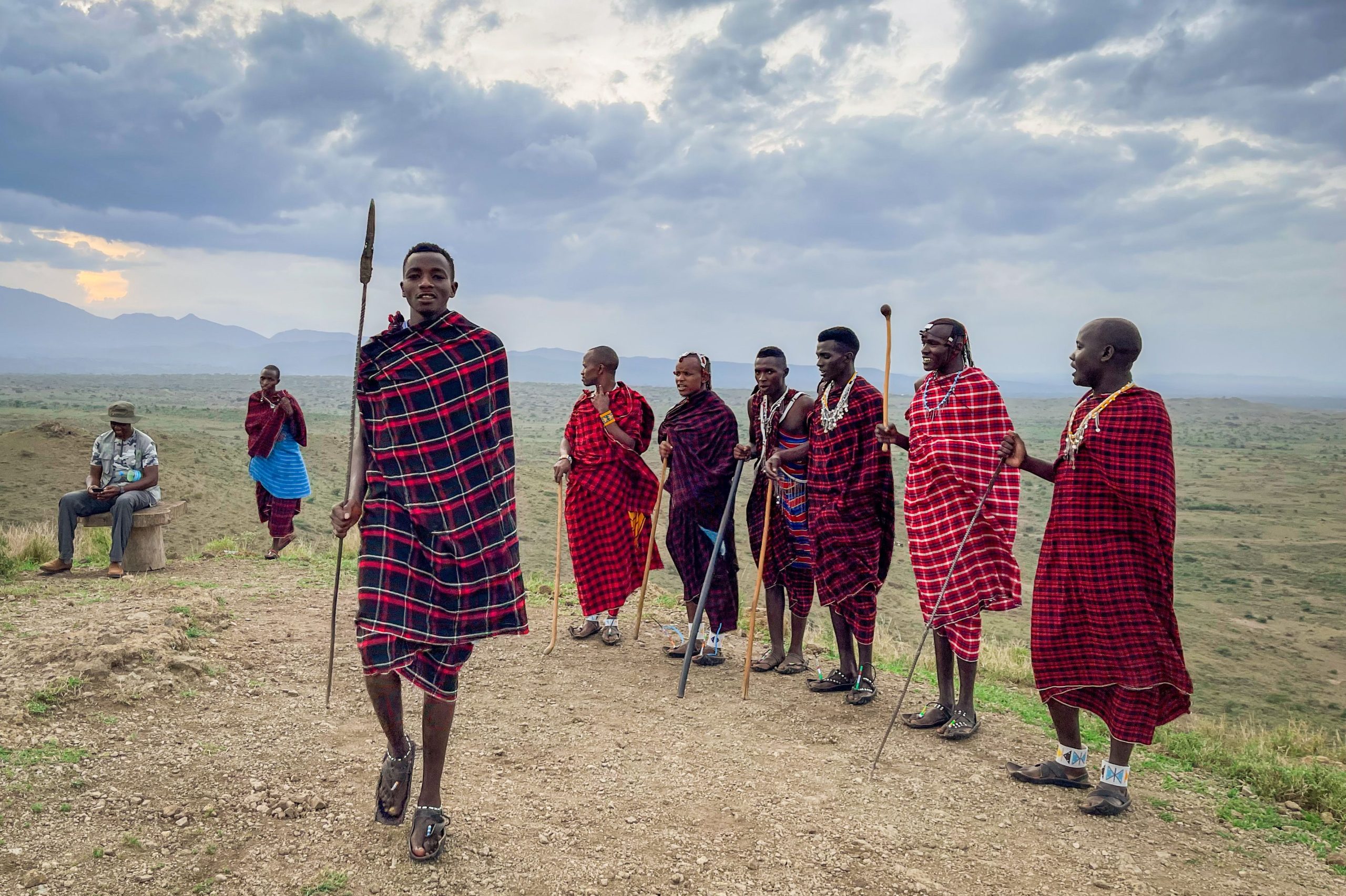
Karamoja the Warrior Heartland
Karamoja the Warrior Heartland
Karamoja: The Warrior Heartland of Uganda. A Journey into Culture, Wilderness and Adventure
Introduction
Far from Uganda’s busy cities and well-known safari destinations lies a remarkable region where ancient traditions, dramatic landscapes and unforgettable cultural experiences come together. Karamoja, often described as Uganda’s Warrior Heartland, offers travelers an opportunity to discover a side of Uganda that remains authentic, remote and deeply connected to traditional ways of life.
Located in northeastern Uganda, Karamoja is characterized by rugged mountains, expansive plains, semi-arid landscapes and communities whose cultural identity has been shaped by generations of pastoralism. For adventurous travelers, photographers, cultural enthusiasts and explorers, a journey through Karamoja is much more than a sightseeing experience, it is an encounter with one of Uganda’s most distinctive cultural regions.
With Turkana Wildlife Safaris Uganda, travelers can explore Karamoja responsibly while experiencing its landscapes, traditions, communities and wildlife.
Discovering Karamoja, Uganda’s Warrior Heartland
Karamoja is home to the Karamojong people, a pastoral community with a rich cultural heritage. Traditionally, cattle have played a central role in Karamojong life, providing not only livelihood but also social and cultural significance.
The region’s traditional lifestyle has developed in close relationship with the environment. Livestock herding, seasonal movements, community gatherings, traditional dances and storytelling remain important parts of Karamojong culture.
Although the word “warrior” is strongly associated with Karamoja’s history, modern Karamoja is far more complex than this description suggests. Today, visitors can discover vibrant communities, cultural traditions, local entrepreneurship and a growing interest in sustainable tourism.
The Landscape of Karamoja
One of the first things visitors notice in Karamoja is its extraordinary landscape.
The region combines wide open plains with dramatic mountain ranges and rocky outcrops. The Mount Moroto area is particularly impressive, rising above the surrounding plains and creating one of northeastern Uganda’s most recognizable landscapes.
The dry season can transform the landscape into golden grasslands, while the arrival of seasonal rains brings renewed greenery and life. For photographers, these changing conditions provide exceptional opportunities to capture landscapes, wildlife and cultural life.
Meet the Karamojong People
A cultural encounter is one of the highlights of traveling through Karamoja.
Visitors may have opportunities to interact with local communities, learn about traditional pastoral life, visit homesteads and experience cultural performances. Depending on the itinerary and community arrangements, travelers can learn about traditional housing, livestock keeping, food, music, dance and local customs.
Responsible tourism is essential. Cultural visits should be organized with respect for local communities, and visitors should always ask permission before photographing people or participating in cultural activities.
With Turkana Wildlife Safaris Uganda, cultural experiences can be incorporated into a wider northeastern Uganda adventure, helping travelers experience Karamoja beyond the surface.
Traditional Manyattas and Community Life
One of the distinctive features of Karamoja is the traditional manyatta, a settlement where families live together within a protected homestead.
Manyattas provide an opportunity to understand how Karamojong communities have historically organized their daily lives around family, livestock and community protection.
A visit should not be treated simply as a tourist attraction. Instead, it is an opportunity to learn and exchange experiences respectfully.
Travelers can discover how traditional homes are constructed, how livestock are managed and how community life functions in a challenging semi-arid environment.
Traditional Dance, Music and Storytelling
Music and dance are important expressions of Karamojong identity.
Traditional performances can feature rhythmic singing, dancing, distinctive movements and colorful cultural attire. Storytelling also plays an important role in passing knowledge and history from one generation to another.
For photographers, these performances can provide powerful opportunities to capture movement, expressions, costumes and community interaction.
However, photography should always be approached respectfully, with permission from performers and community members.
Wildlife and Wilderness Experiences
Karamoja is not only about culture. The region also offers opportunities to explore wild landscapes and discover wildlife.
The wider northeastern Uganda region contains areas of significant ecological importance, including Kidepo Valley National Park, one of Uganda’s most spectacular protected areas.
Kidepo is renowned for its dramatic scenery, broad savannah plains and diverse wildlife. Visitors may encounter elephants, lions, buffaloes, giraffes, zebras, antelopes and numerous bird species.
Combining Karamoja cultural experiences with a safari in Kidepo Valley National Park creates a particularly rewarding northeastern Uganda adventure.
Mount Moroto Adventure
For travelers interested in hiking and adventure, Mount Moroto is one of Karamoja’s major attractions.
The mountain dominates the surrounding landscape and provides opportunities for guided hikes and cultural encounters. Hiking routes can vary in difficulty, so travelers should choose an experience appropriate for their fitness level and travel plans.
The journey can reveal spectacular views across the plains and provide a different perspective on Karamoja’s geography and communities.
A guided experience is highly recommended because local guides provide valuable knowledge about the landscape, culture, weather and routes.
Karamoja for Photographers
Karamoja is a fascinating destination for travel and wildlife photographers.
The combination of dramatic landscapes, traditional culture, wildlife and changing light creates countless photographic opportunities.
Photographers may capture:
- Mount Moroto and surrounding mountain landscapes
- Traditional manyattas
- Karamojong cultural performances
- Livestock and pastoral life
- Local markets and community activities
- Savannah landscapes
- Wildlife in the Kidepo region
- Sunrise and sunset over the plains
The best photographs often come from patience and respectful interaction rather than simply pointing a camera at people. Building trust and obtaining permission can result in more meaningful images.
The Best Time to Visit Karamoja
Karamoja can be visited throughout much of the year, but the experience varies with the seasons.
The dry months generally make road travel and outdoor activities easier, while wildlife viewing can be rewarding because animals are often easier to spot around available water sources.
The rainy periods can transform the landscape, bringing fresh vegetation and dramatic skies. However, some roads may become more challenging.
The ideal travel period depends on whether your priority is wildlife, hiking, photography, cultural experiences or a combination of all four.
Responsible Tourism in Karamoja
Traveling to Karamoja comes with an important responsibility: protecting the dignity, culture and environment of the communities you visit.
Travelers should:
- Ask permission before taking photographs of people.
- Respect traditional customs and community spaces.
- Support locally owned businesses and guides where possible.
- Avoid giving inappropriate gifts directly to children.
- Follow conservation guidelines in protected areas.
- Avoid littering.
- Dress respectfully when visiting communities.
- Listen to local guides and community leaders.
- Treat cultural encounters as genuine exchanges rather than performances created solely for tourists.
Responsible tourism can help ensure that tourism contributes positively to communities and conservation.
Why Visit Karamoja with Turkana Wildlife Safaris Uganda?
Turkana Wildlife Safaris Uganda can help travelers discover Karamoja as part of a wider Uganda safari experience.
Rather than focusing only on conventional wildlife destinations, a Karamoja journey introduces travelers to Uganda’s cultural diversity, remote landscapes and northeastern wilderness.
A customized itinerary can combine:
Kampala or Entebbe → Karamoja → Mount Moroto → Karamojong cultural experiences → Kidepo Valley National Park → onward Uganda safari destinations
The exact itinerary can be adapted according to the traveler’s interests, available time, accommodation preferences and desired activities.
A Journey Beyond the Ordinary
Karamoja is not a destination for travelers looking for only conventional tourist experiences. It rewards curiosity, patience and an open mind.
Here, the landscape tells a story. The mountains, cattle, manyattas, dances, markets and wildlife all form part of a region whose identity is deeply connected to its people and environment.
A journey through Karamoja offers the chance to see a different Uganda, one where cultural heritage and wilderness exist side by side.
For adventurous travelers seeking an authentic northeastern Uganda experience, Karamoja truly deserves a place on the safari map.
Frequently Asked Questions About Karamoja
1. Where is Karamoja located?
Karamoja is located in northeastern Uganda, close to the borders with Kenya and South Sudan. The region includes areas around Moroto, Kotido, Kaabong and surrounding districts.
2. Why is Karamoja called the Warrior Heartland?
Karamoja has historically been associated with pastoral warrior traditions and cattle-based culture. The term “Warrior Heartland” reflects this history, although modern Karamoja encompasses much more, including vibrant communities, conservation, tourism and cultural heritage.
3. Is Karamoja safe for tourists?
Travel conditions can vary, and travelers should use experienced local operators and follow current guidance. Traveling with a knowledgeable safari company and local guides is recommended.
4. What can I do in Karamoja?
Activities can include cultural visits, community encounters, traditional dance experiences, photography, hiking around Mount Moroto, exploring local markets and combining the trip with a safari in Kidepo Valley National Park.
5. Can I combine Karamoja with Kidepo Valley National Park?
Yes. Karamoja and Kidepo Valley National Park can make an excellent combination for travelers interested in both cultural experiences and wildlife.
6. What wildlife can I see near Karamoja?
The wider northeastern Uganda region offers opportunities to see species such as elephants, lions, buffaloes, giraffes, zebras and various antelope species, particularly around Kidepo Valley National Park.
7. What should I pack for a Karamoja safari?
Travelers should consider lightweight clothing, comfortable walking shoes, sun protection, a hat, sunscreen, insect repellent, a reusable water bottle, binoculars, a camera and suitable luggage for rough-road travel.
8. Is Karamoja suitable for photography?
Absolutely. Karamoja offers exceptional opportunities for landscape, cultural and wildlife photography. Visitors should always obtain permission before photographing people.
9. Can I hike Mount Moroto?
Yes. Guided hiking experiences are available, with routes and difficulty depending on the itinerary and local conditions.
10. Why choose Turkana Wildlife Safaris Uganda?
Turkana Wildlife Safaris Uganda can help organize a personalized Uganda safari that combines cultural experiences, wilderness, wildlife and adventure. Working with a local safari operator can also make logistics and community-based experiences easier to arrange.
Conclusion
Karamoja is one of Uganda’s most fascinating and least conventional travel destinations. Its rugged mountains, expansive plains, distinctive culture and proximity to Kidepo Valley National Park make it an exceptional destination for travelers looking for something beyond the traditional safari circuit.
From meeting Karamojong communities and experiencing traditional dances to hiking Mount Moroto and exploring the wildlife-rich landscapes of northeastern Uganda, Karamoja offers an adventure filled with culture, nature and discovery.
With Turkana Wildlife Safaris Uganda, travelers can explore the Warrior Heartland responsibly and experience a side of Uganda that is authentic, remote and unforgettable.
Discover Karamoja. Meet its people. Walk its landscapes. Experience the Warrior Heartland of Uganda.