
Karamoja Insight
Karamoja Insight
Karamoja Insight: Discover the Culture, Wilderness and Untamed Beauty of Northeastern Uganda
Introduction
Karamoja is one of Uganda’s most remarkable and least-explored destinations—a region where dramatic mountains, endless savannahs, traditional pastoralist communities and extraordinary wildlife come together to create an experience unlike any other in East Africa.
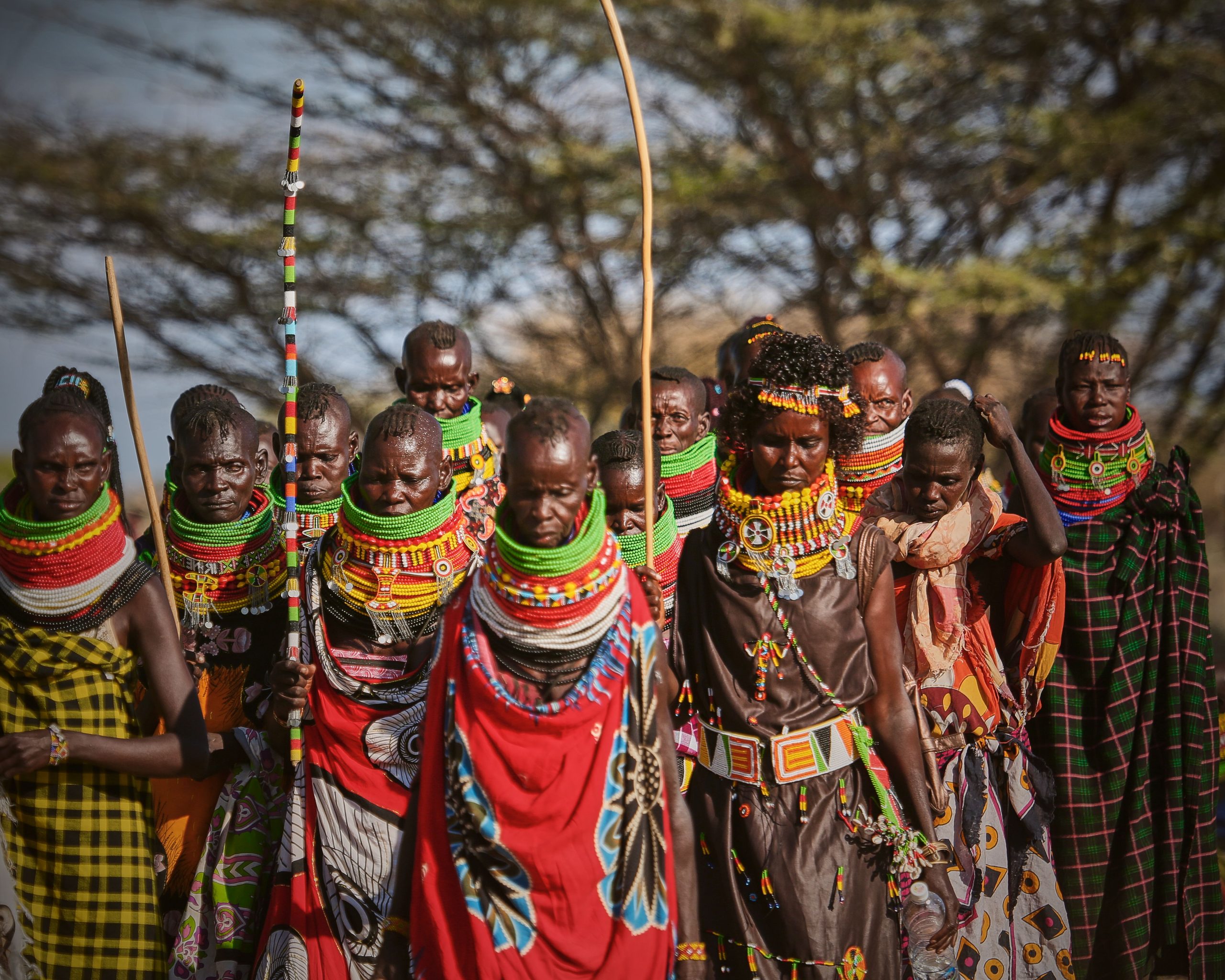
Located in northeastern Uganda, Karamoja offers travelers an opportunity to go beyond conventional sightseeing and experience a living cultural landscape. The region is home to the Karamojong people, whose traditions, pastoral lifestyle, music, dance, craftsmanship and strong connection to cattle remain an important part of everyday life.
For travelers searching for an authentic African adventure, Karamoja Insight with Turkana Wildlife Safaris Uganda offers a deeper way to discover this fascinating region. Rather than simply passing through Karamoja, visitors can explore its landscapes, meet local communities, discover traditional ways of life and combine cultural experiences with wildlife and mountain adventures.
Karamoja is also part of a wider ecological landscape connected to some of Uganda’s most important wildlife areas, including Kidepo Valley National Park, Pian Upe Wildlife Reserve and other conservation areas. Uganda’s Ministry of Tourism highlights the Kidepo landscape for its unique biodiversity, cultural heritage and wildlife species such as cheetah, caracal, aardwolf, striped hyena, greater and lesser kudu, roan antelope and African wild dog.
Understanding Karamoja
Karamoja is a vast semi-arid region characterized by open plains, rugged mountains, seasonal rivers and scattered settlements. The landscape can feel dramatically different from Uganda’s lush western forests and lakes.
Mount Moroto, Mount Kadam, Mount Napak and the Morungole Mountains dominate parts of the region, providing spectacular scenery and opportunities for hiking and cultural encounters.
The region’s attraction, however, is not only its scenery. Karamoja is a place where culture remains closely connected to everyday life. Traditional cattle keeping, community gatherings, crafts, music and dance are still important expressions of identity.
Recent tourism coverage describes Karamoja as one of Uganda’s remote and striking cultural landscapes, where travelers can combine mountain experiences, wildlife viewing and meaningful interaction with local communities.
The Karamojong People and Their Living Culture
One of the greatest reasons to visit Karamoja is the opportunity to learn about the Karamojong people.
Traditionally pastoralist, the Karamojong have developed a way of life closely connected to cattle, land, seasons and community. Cattle are more than livestock; they are deeply connected to social relationships, ceremonies, status and cultural identity.
A cultural visit may provide opportunities to:
- Visit a traditional homestead or kraal.
- Meet local families and community leaders.
- Learn about traditional pastoralist life.
- Experience traditional music and dance.
- Discover local beadwork and crafts.
- Learn about traditional foods and livelihoods.
- Hear stories about Karamoja’s history and heritage.
- Participate in community-led walking experiences.
Responsible tourism is particularly important. Visitors should ask permission before photographing people, respect cultural practices and use local guides whenever possible.
Traditional Dance and Cultural Experiences
Music and dance are among the most memorable expressions of Karamoja’s cultural heritage.
Traditional performances can involve energetic jumping, rhythmic movements, singing and distinctive dress and adornment. These experiences are much more meaningful when travelers understand that they are witnessing living traditions rather than simply staged entertainment.
The Karamoja Cultural Festival also provides a major platform for cultural pride, unity and peace-building, bringing together communities from the wider Ateker region.
With Turkana Wildlife Safaris Uganda, travelers can incorporate cultural experiences into a broader Karamoja journey, creating an itinerary that combines community tourism, nature, wildlife and adventure.
Wildlife Adventures in Karamoja
Although Karamoja is best known for its cultural heritage, the region also has significant wildlife value.
Pian Upe Wildlife Reserve, Bokora and Matheniko areas and the wider Kidepo landscape provide opportunities to explore Uganda’s northeastern wilderness.
Depending on the destination and season, travelers may encounter species such as:
- Ostrich
- Cheetah
- Giraffe
- Buffalo
- Zebra
- Antelope species
- Roan antelope
- Greater and lesser kudu
- African wild dog
- Hyena
- Lions and elephants, particularly within Kidepo Valley National Park
The wider Kidepo landscape is recognized for its exceptional biodiversity, including species that are uncommon elsewhere in Uganda.
This makes Karamoja particularly appealing to travelers who want to combine cultural tourism with wildlife safari experiences.
Kidepo Valley National Park
A Karamoja journey can be combined with a visit to Kidepo Valley National Park, one of Uganda’s most spectacular wilderness destinations.
Kidepo is famous for its expansive savannah plains, rugged mountains and relatively remote location. The park provides opportunities for game drives and wildlife viewing against dramatic landscapes.
A journey through Karamoja to Kidepo can therefore become more than a traditional safari. It can combine wildlife with cultural discovery, mountain scenery and encounters with communities living around the wilderness.
For travelers who want a deeper northern Uganda experience, this combination can be one of the most rewarding ways to explore the region.
Pian Upe Wildlife Reserve
Pian Upe is another important destination for exploring the landscapes and wildlife of the wider Karamoja area.
The reserve offers opportunities for wildlife viewing, birdwatching, nature exploration and photography. Local district information also identifies animal tracking, birdwatching, camping, cultural experiences and Mount Kadam hiking among the tourism opportunities in the area.
A visit to Pian Upe can be particularly attractive to travelers looking for a quieter wilderness experience away from Uganda’s busiest safari routes.
Mountain Adventures
Karamoja’s mountains provide another dimension to the destination.
Mount Moroto, Mount Kadam, Mount Napak and the Morungole Mountains offer opportunities for hiking and exploring landscapes that are dramatically different from Uganda’s tropical forests and lake regions.
Mountain adventures can be combined with cultural encounters, allowing travelers to understand how communities living around the mountains interact with their environment.
Hiking should be undertaken with experienced local guides, particularly because terrain, weather and access conditions can vary.
Community Tourism in Karamoja
Community tourism is one of the most meaningful ways to experience Karamoja.
Instead of simply observing the region from a safari vehicle, travelers can spend time with local communities and learn directly from residents.
Community-based experiences may include:
Kraal Visits
A traditional kraal visit provides insight into pastoralist life, cattle keeping and community organization.
Cultural Walks
Guided walks allow visitors to discover local landscapes while learning about plants, livelihoods, traditions and local history.
Beadwork and Crafts
Traditional crafts provide opportunities to meet artisans and purchase locally made products, helping tourism income reach communities.
Traditional Music and Dance
Visitors can experience the energy of Karamoja’s traditional performances while learning about their cultural significance.
Storytelling
Local storytelling provides a valuable way of understanding the history, values and traditions of the people of Karamoja.
Why Choose Karamoja Insight with Turkana Wildlife Safaris Uganda?
Turkana Wildlife Safaris Uganda specializes in creating experiences that connect travelers with Uganda’s wildlife, landscapes and communities.
A Karamoja Insight journey can be designed around the traveler’s interests, whether the focus is:
- Cultural tourism
- Wildlife photography
- Birdwatching
- Mountain hiking
- Community tourism
- Adventure travel
- Kidepo Valley National Park
- Pian Upe Wildlife Reserve
- Authentic off-the-beaten-path experiences
The company’s existing Karamoja tourism programs emphasize cultural immersion, community experiences, wildlife and the region’s unique landscapes.
Best Time to Visit Karamoja
Karamoja can be visited throughout much of the year, but the best period depends on the type of experience you want.
The drier months can make road travel and outdoor activities easier, while the landscape changes dramatically during and after the rains, when vegetation becomes greener and wildlife conditions can vary.
Travelers interested in cultural festivals should check the dates of major events before traveling. The Karamoja Cultural Festival is an annual event and provides a particularly colorful opportunity to experience the region’s heritage.
Because Karamoja is an off-the-beaten-path destination, it is wise to allow extra time rather than trying to rush through the region.
How to Get to Karamoja
Travelers can reach Karamoja by road or by air, depending on their itinerary.
By road, journeys from Kampala pass through eastern Uganda before continuing toward the Karamoja region. Road conditions can vary depending on the destination and season, making a suitable 4×4 safari vehicle an important consideration for many itineraries.
Flights can also be used for some northern Uganda itineraries, particularly when combining Karamoja with Kidepo Valley National Park.
A professional safari operator can help determine the most practical route based on the destinations included in your itinerary.
Responsible Travel in Karamoja
Traveling responsibly is especially important in a culturally sensitive destination such as Karamoja.
Visitors are encouraged to:
- Ask permission before taking photographs.
- Respect traditional customs and ceremonies.
- Dress appropriately for community visits.
- Purchase crafts directly from local artisans where possible.
- Follow the guidance of local guides.
- Avoid treating communities as tourist attractions.
- Support locally owned accommodation and services.
- Avoid littering.
- Respect wildlife and conservation regulations.
Responsible tourism can help ensure that tourism contributes positively to local livelihoods and cultural preservation.
What Makes Karamoja Different?
Karamoja does not compete with Uganda’s more established destinations by offering exactly the same experience.
Its strength is its authenticity.
Here, travelers can move from wide open savannahs to mountain landscapes, from wildlife encounters to traditional communities, and from modern towns to remote pastoralist settlements.
Uganda’s tourism authorities and regional stakeholders increasingly recognize Karamoja’s potential as a destination built around wildlife, culture, adventure and heritage.
That combination makes Karamoja particularly appealing to travelers who have already experienced conventional safari destinations and want something more immersive.
Frequently Asked Questions About Karamoja Insight
1. What is Karamoja Insight?
Karamoja Insight is a travel concept focused on discovering the landscapes, culture, wildlife, heritage and communities of Uganda’s Karamoja region.
2. Why should I visit Karamoja?
Karamoja offers a combination of traditional culture, dramatic mountains, open savannahs, wildlife, community tourism and off-the-beaten-path adventure.
3. Can I combine Karamoja with Kidepo Valley National Park?
Yes. Combining Karamoja with Kidepo Valley National Park can create an excellent northern Uganda itinerary that includes cultural experiences and wildlife safaris.
4. Can I visit a traditional Karamojong community?
Yes. Community visits can be arranged through local guides and responsible tour operators. Visitors should always respect local customs and seek permission before photography.
5. Is Karamoja good for wildlife photography?
Yes. The region and surrounding conservation areas offer opportunities for photographing wildlife, landscapes, birds and cultural scenes.
6. Can I hike in Karamoja?
Yes. Mountains including Mount Moroto and Mount Kadam provide opportunities for guided hiking and adventure experiences.
7. What wildlife can I see in Karamoja?
Depending on the destination, travelers may encounter ostrich, antelopes, zebra, giraffe and other wildlife. The wider Kidepo landscape is particularly notable for species including cheetah, African wild dog, roan antelope, kudu and striped hyena.
8. Is Karamoja suitable for families?
It can be, depending on the children’s ages and the itinerary. Families should choose accommodation, road distances and activities carefully and work with an experienced safari operator.
9. How long should I spend in Karamoja?
A few days can provide an introduction, but a longer stay allows travelers to combine cultural experiences, wildlife viewing, hiking and community activities without rushing.
10. Why travel with Turkana Wildlife Safaris Uganda?
Turkana Wildlife Safaris Uganda can help organize a customized Karamoja experience combining culture, wildlife, adventure and community tourism. Its Karamoja programs are specifically focused on exploring the region’s cultural and natural attractions.
Conclusion
Karamoja Insight with Turkana Wildlife Safaris Uganda is an invitation to discover a different side of Uganda.
Beyond the famous national parks and traditional safari routes lies a region of extraordinary landscapes, resilient communities, fascinating traditions and remarkable wildlife. Karamoja offers travelers the chance to slow down, meet people, explore remote landscapes and understand a part of Uganda that remains relatively undiscovered.
From the cultural life of the Karamojong people to the mountains of Moroto and Kadam, from Pian Upe’s wilderness to the spectacular landscapes of Kidepo Valley National Park, Karamoja provides an adventure filled with discovery.
The real magic of Karamoja is not simply in what you see, it is in what you learn and the people you meet along the way.
For travelers looking for an authentic, responsible and unforgettable northeastern Uganda adventure, Turkana Wildlife Safaris Uganda can help turn a journey through Karamoja into a meaningful travel experience.
Discover Karamoja. Experience its culture. Explore its wilderness. Travel deeper with Turkana Wildlife Safaris Uganda.