
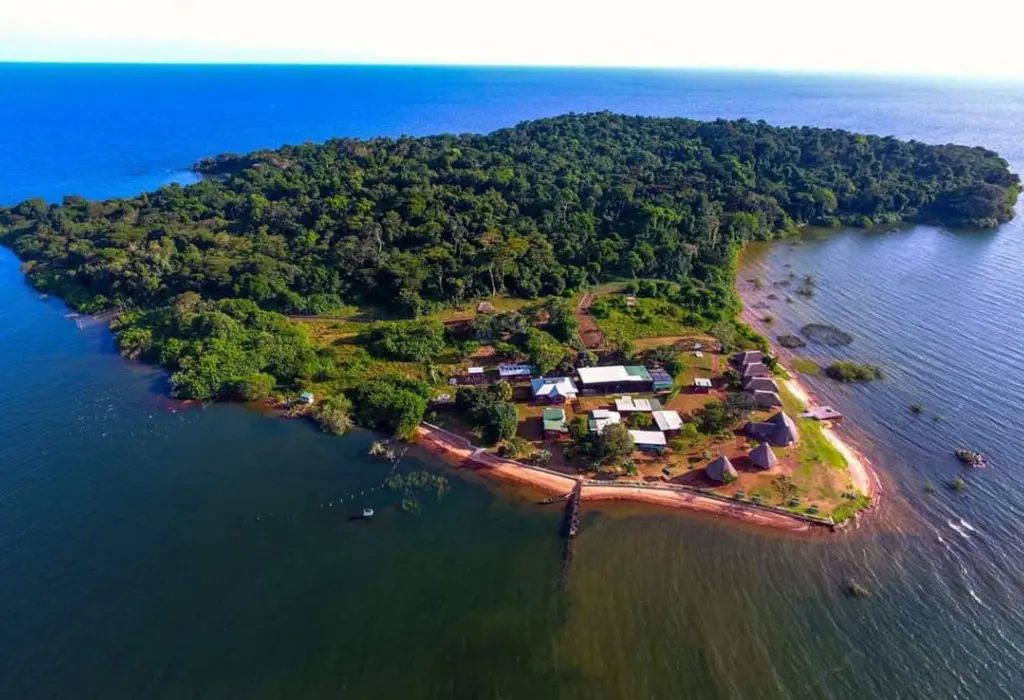
Ngamba Island Conservation Trust
Ngamba Island Conservation Trust
Ngamba Island Conservation Trust: A Complete Guide to Chimpanzee Conservation in Uganda
Introduction
Uganda is one of Africa’s remarkable destinations for wildlife and primate conservation, offering travelers opportunities to experience mountain gorillas, chimpanzees, monkeys, birds, and diverse ecosystems. Among the country’s most inspiring conservation initiatives is Ngamba Island Chimpanzee Sanctuary, managed by the Chimpanzee Sanctuary and Wildlife Conservation Trust (Chimpanzee Trust).
Established in 1998, the Chimpanzee Trust was created to promote the understanding, appreciation, and protection of chimpanzees and their habitats. Its work combines sanctuary care for rescued chimpanzees with environmental education, community conservation, habitat protection, and wider wildlife conservation initiatives across Uganda.
Located on Lake Victoria approximately 23 kilometres southeast of Entebbe, Ngamba Island provides a protected forest environment where rescued and orphaned chimpanzees receive food, veterinary care, social support, enrichment, and lifelong protection when returning to the wild is not possible.
For travelers looking for a meaningful wildlife experience close to Entebbe, a visit to Ngamba Island with Turkana Wildlife Safaris Uganda offers an opportunity to combine tourism with conservation and learn more about one of Uganda’s closest living relatives.
What Is Ngamba Island Conservation Trust?
The organization commonly known as the Chimpanzee Trust is formally the Chimpanzee Sanctuary and Wildlife Conservation Trust. It was established in 1998 as a national and international collaborative conservation initiative focused on the long-term conservation of chimpanzees and their habitats.
The Trust manages Ngamba Island Chimpanzee Sanctuary and works beyond the island through conservation, education, community engagement, and habitat-protection programs.
Its overall mission is to promote the understanding, appreciation, and protection of chimpanzees and their habitats in Uganda.
The Trust’s work can broadly be understood through three important areas:
- Sanctuary care for rescued and orphaned chimpanzees
- Environmental education and conservation awareness
- Wildlife and habitat conservation, including community engagement
This makes Ngamba Island more than simply a tourist attraction. It is a conservation facility where tourism, education, animal welfare, and environmental protection come together.
Where Is Ngamba Island Located?
Ngamba Island is situated in Lake Victoria, approximately 23 kilometres southeast of Entebbe, Uganda. The sanctuary is accessible by boat, making the journey itself part of the experience.
Visitors normally travel from the Entebbe area by boat across Lake Victoria before reaching the forested island.
For international travelers arriving at Entebbe International Airport, Ngamba Island can therefore be a convenient addition to an itinerary before or after a longer Uganda safari.
Turkana Wildlife Safaris Uganda can help travelers incorporate Ngamba Island into itineraries that also include destinations such as Kibale Forest National Park, Queen Elizabeth National Park, Bwindi Impenetrable National Park, Murchison Falls National Park, or other Ugandan wildlife destinations.
The History of Ngamba Island Chimpanzee Sanctuary
Ngamba Island Chimpanzee Sanctuary was established in 1998 to provide a secure home for orphaned and rescued chimpanzees that could not safely survive in the wild.
The sanctuary developed from a collaborative effort involving Ugandan and international conservation organizations. Its purpose was not simply to keep chimpanzees in captivity, but to provide professional care while contributing to broader chimpanzee conservation and habitat protection.
Over the years, Ngamba Island has developed into an important center for chimpanzee welfare, environmental education, conservation awareness, and responsible tourism.
Today, the sanctuary continues to provide long-term care for rescued chimpanzees while supporting conservation activities beyond the island.
The Rescued Chimpanzees of Ngamba Island
The heart of Ngamba Island is its chimpanzee population.
The sanctuary currently reports more than 50 rescued chimpanzees, with its chimpanzee profiles listing 53 sanctuary residents.
Many of these chimpanzees have individual rescue histories and personalities. Some were rescued after being affected by illegal wildlife trade, while others were orphaned or came from circumstances that made survival in the wild impossible.
The sanctuary provides them with:
- Nutritious food
- Veterinary care
- Safe forest habitat
- Social interaction
- Behavioral enrichment
- Rehabilitation and integration
- Protection from human exploitation
The aim is to give rescued chimpanzees the best possible quality of life while recognizing that some individuals cannot be returned to their natural habitat.
Why Chimpanzee Conservation Is Important
Chimpanzees are among humanity’s closest living relatives. Their intelligence, social behavior, communication, and complex family relationships make them especially important to conservation and scientific understanding.
However, chimpanzees face serious threats, including habitat loss, illegal wildlife trade, hunting, human-wildlife conflict, and other pressures associated with expanding human activities.
Protecting chimpanzees therefore also means protecting forests and the wider ecosystems on which many other species depend.
Ngamba Island contributes to this broader conservation mission by caring for rescued chimpanzees while the Chimpanzee Trust also works on habitat conservation, community education, and wildlife conservation outside the sanctuary.
Conservation Programs of the Chimpanzee Trust
1. Sanctuary Welfare
Sanctuary welfare is one of the Trust’s most visible responsibilities.
The organization provides rescued chimpanzees with nutrition, veterinary treatment, social support, enrichment, and a forest environment where they can express natural behaviors as much as possible.
2. Environmental Education
Conservation cannot succeed through wildlife protection alone. People living around forests and wildlife habitats must understand why conservation matters.
The Chimpanzee Trust therefore conducts environmental education programs designed to increase awareness among communities and young people.
3. Community Conservation
The Trust also works with communities around chimpanzee habitats, including initiatives intended to reduce human-wildlife conflict and encourage sustainable relationships between people and wildlife.
4. Habitat Protection
Protecting chimpanzees ultimately requires protecting the forests where wild chimpanzee populations live.
The Trust therefore combines sanctuary work with conservation efforts aimed at protecting wildlife corridors and natural habitats in Uganda.
Visiting Ngamba Island
A visit to Ngamba Island provides travelers with an opportunity to observe rescued chimpanzees while learning about their individual stories and the challenges facing their species.
The official Chimpanzee Trust currently lists half-day and full-day experiences, as well as overnight accommodation at Ngamba Ecolodge. Boat departures from Entebbe are listed at 9:00am and 12:45pm, while chimpanzee viewing and feeding sessions are scheduled at different times during the day. Pre-booking is required.
Visitors should always confirm schedules, fees, availability, and booking requirements before traveling because conservation-tourism arrangements can change.
What Can You Do at Ngamba Island?
Chimpanzee Viewing
Chimpanzee viewing is the main attraction. Visitors can watch the animals interact, climb, play, feed, rest, and communicate within their forest environment.
Chimpanzee Feeding Experience
Scheduled feeding sessions provide an excellent opportunity to observe the chimpanzees from designated visitor areas while learning from sanctuary staff.
Learn About Conservation
A visit is also an educational experience. Travelers can learn how rescued chimpanzees are cared for and why habitat protection is important.
Overnight Stay
Travelers who want more time on the island can consider an overnight stay at Ngamba Ecolodge. The official Trust website describes luxury tented cottages, sunset cruises, and evening experiences such as bonfires.
Chimpanzee Adoption or Guardianship
Visitors and supporters can also contribute directly to chimpanzee welfare through the Trust’s adoption or guardianship program. Contributions help support food, facilities, veterinary care, and other needs of rescued chimpanzees.
Ngamba Island and Responsible Tourism
One of the strongest reasons to visit Ngamba Island is that tourism can contribute directly to conservation.
Instead of simply seeing wildlife, visitors gain an understanding of the work required to care for rescued animals and protect their natural habitats.
Responsible visitors should:
- Follow sanctuary rules
- Maintain an appropriate distance from chimpanzees
- Avoid feeding animals unless instructed by authorized staff
- Listen carefully to guides and caregivers
- Avoid loud or disruptive behavior
- Respect photography guidelines
- Avoid touching chimpanzees
- Support legitimate conservation initiatives
The goal is to ensure that tourism benefits the animals rather than causing unnecessary stress.
Ngamba Island With Turkana Wildlife Safaris Uganda
For travelers planning a Uganda safari, Turkana Wildlife Safaris Uganda can include Ngamba Island in a customized itinerary.
The experience works particularly well as:
- A pre-safari activity after arriving in Entebbe
- A final activity before an international departure
- A family-friendly wildlife experience
- A chimpanzee conservation excursion
- An addition to a Uganda primate safari
- A conservation-focused day trip from Entebbe
- Part of a longer Uganda wildlife and cultural itinerary
Turkana Wildlife Safaris Uganda can also combine Ngamba Island with other major attractions depending on the traveler’s interests, available time, budget, and preferred safari style.
A traveler interested in primates, for example, might combine Ngamba Island with Kibale Forest National Park for chimpanzee trekking and then continue toward Queen Elizabeth National Park or Bwindi for additional wildlife experiences.
This creates a more comprehensive primate and wildlife journey through Uganda.
Why Choose Turkana Wildlife Safaris Uganda?
Choosing a knowledgeable local safari operator can make it easier to coordinate transportation, accommodation, boat arrangements, guiding, and connections between different destinations.
Turkana Wildlife Safaris Uganda can help travelers design a Uganda safari around their preferred interests, whether those interests focus on chimpanzees, gorillas, wildlife, birds, culture, photography, luxury travel, or adventure.
For travelers visiting Ngamba Island, the biggest advantage of including the sanctuary within a professionally organized itinerary is the ability to combine the island experience with other Ugandan destinations rather than treating it as an isolated excursion.
Best Time to Visit Ngamba Island
Ngamba Island can be visited throughout the year. Uganda’s equatorial climate means that weather conditions can vary, so travelers should be prepared for possible rain even during generally drier periods.
Because the sanctuary is located on Lake Victoria and accessed by boat, travelers should also allow some flexibility for weather and operational considerations.
Rather than choosing a safari solely around the weather, it is often better to plan the overall Uganda itinerary around the experiences you want and allow your safari operator to coordinate the practical details.
Ngamba Island vs Chimpanzee Trekking
It is important to understand that visiting Ngamba Island is different from chimpanzee trekking in a wild forest.
At Ngamba Island, visitors are visiting a chimpanzee sanctuary established to care for rescued and orphaned animals.
Chimpanzee trekking, such as that offered in Kibale Forest National Park, involves entering a natural forest ecosystem to search for wild chimpanzee communities.
Both experiences are valuable, but they serve different purposes.
Ngamba Island is particularly appropriate for travelers interested in:
- Rescue and rehabilitation
- Chimpanzee welfare
- Conservation education
- Short excursions from Entebbe
- Close observation of rescued chimpanzees
Chimpanzee trekking is more appropriate for travelers seeking a wild-forest primate tracking experience.
For travelers with sufficient time, combining both experiences can provide a much deeper understanding of chimpanzees in Uganda.
Conservation, Education and the Future
The future of chimpanzee conservation depends on more than protecting individual animals.
It requires healthy forests, informed communities, responsible tourism, scientific research, strong conservation partnerships, and long-term funding.
The Chimpanzee Trust’s model brings these elements together by combining sanctuary welfare with environmental education, community conservation, and habitat protection.
Every visitor therefore has the opportunity to become part of a wider conservation story.
A trip to Ngamba Island is not simply about watching chimpanzees. It is about understanding why they need protection and how conservation organizations, communities, governments, travelers, and tourism companies can contribute.
Frequently Asked Questions About Ngamba Island Conservation Trust
1. What is Ngamba Island Conservation Trust?
Ngamba Island is managed by the Chimpanzee Sanctuary and Wildlife Conservation Trust, commonly known as the Chimpanzee Trust. The organization was established in 1998 to promote chimpanzee conservation and habitat protection in Uganda.
2. Where is Ngamba Island located?
Ngamba Island is located in Lake Victoria, approximately 23 kilometres southeast of Entebbe, Uganda.
3. How do I get to Ngamba Island?
The sanctuary is accessible by boat from the Entebbe area. The Chimpanzee Trust currently lists scheduled boat departures from Entebbe.
4. How many chimpanzees live at Ngamba Island?
The Trust’s current chimpanzee profiles list 53 rescued chimpanzees at the sanctuary.
5. Are the chimpanzees wild?
The chimpanzees at Ngamba Island are rescued and orphaned animals living in a protected forest sanctuary. They are not a wild chimpanzee community that visitors track in the same way as chimpanzees in a national park.
6. Can I see chimpanzees during a day trip?
Yes. Day experiences include chimpanzee viewing and scheduled feeding sessions. The Trust advises visitors to pre-book their experience.
7. Can I stay overnight at Ngamba Island?
Yes. Ngamba Ecolodge offers overnight accommodation, allowing visitors to spend more time experiencing the island environment.
8. Can children visit Ngamba Island?
Ngamba Island can be an excellent educational wildlife experience for families. Travelers should confirm current age requirements, fees, and visitor regulations when booking.
9. Can I support the chimpanzees without visiting?
Yes. The Chimpanzee Trust provides ways for supporters to contribute, including chimpanzee adoption or guardianship programs and donations.
10. Is Ngamba Island suitable for photographers?
Yes. The island offers interesting opportunities for wildlife and conservation photography, subject to sanctuary photography rules and ethical guidelines.
11. Is Ngamba Island the same as chimpanzee trekking?
No. Ngamba Island is a sanctuary for rescued chimpanzees, while chimpanzee trekking in places such as Kibale involves tracking wild chimpanzee communities in their natural forest habitat.
12. Can Turkana Wildlife Safaris Uganda organize a Ngamba Island visit?
Yes. Turkana Wildlife Safaris Uganda can incorporate Ngamba Island into a wider Uganda safari itinerary and combine it with other wildlife, primate, cultural, or adventure experiences.
13. How far is Ngamba Island from Entebbe?
The island is approximately 23 kilometres southeast of Entebbe. Because it is an island, the journey is made by boat rather than road.
14. What makes Ngamba Island important to Uganda’s conservation efforts?
Ngamba Island provides professional care for rescued chimpanzees while the Chimpanzee Trust also works in environmental education, community conservation, and protection of chimpanzee habitats.
Conclusion
The Ngamba Island Conservation Trust, formally known as the Chimpanzee Sanctuary and Wildlife Conservation Trust, represents an important part of Uganda’s commitment to chimpanzee welfare and wildlife conservation.
Since its establishment in 1998, the Trust has developed a conservation model that combines the care of rescued chimpanzees with environmental education, community engagement, habitat protection, and responsible tourism.
For travelers, visiting Ngamba Island is an opportunity to see chimpanzees while gaining a deeper understanding of the challenges facing these remarkable animals. The experience can be especially rewarding when combined with other Ugandan destinations, including wild chimpanzee trekking and traditional wildlife safaris.
With Turkana Wildlife Safaris Uganda, travelers can include Ngamba Island in a personalized Uganda safari designed around conservation, primates, wildlife, culture, photography, relaxation, or adventure.
Ngamba Island is more than a place to see chimpanzees, it is a place to understand their stories, support their protection, and become part of Uganda’s broader conservation journey.
For current visitor information, schedules, and bookings, travelers should check the official Chimpanzee Trust information before departure.