
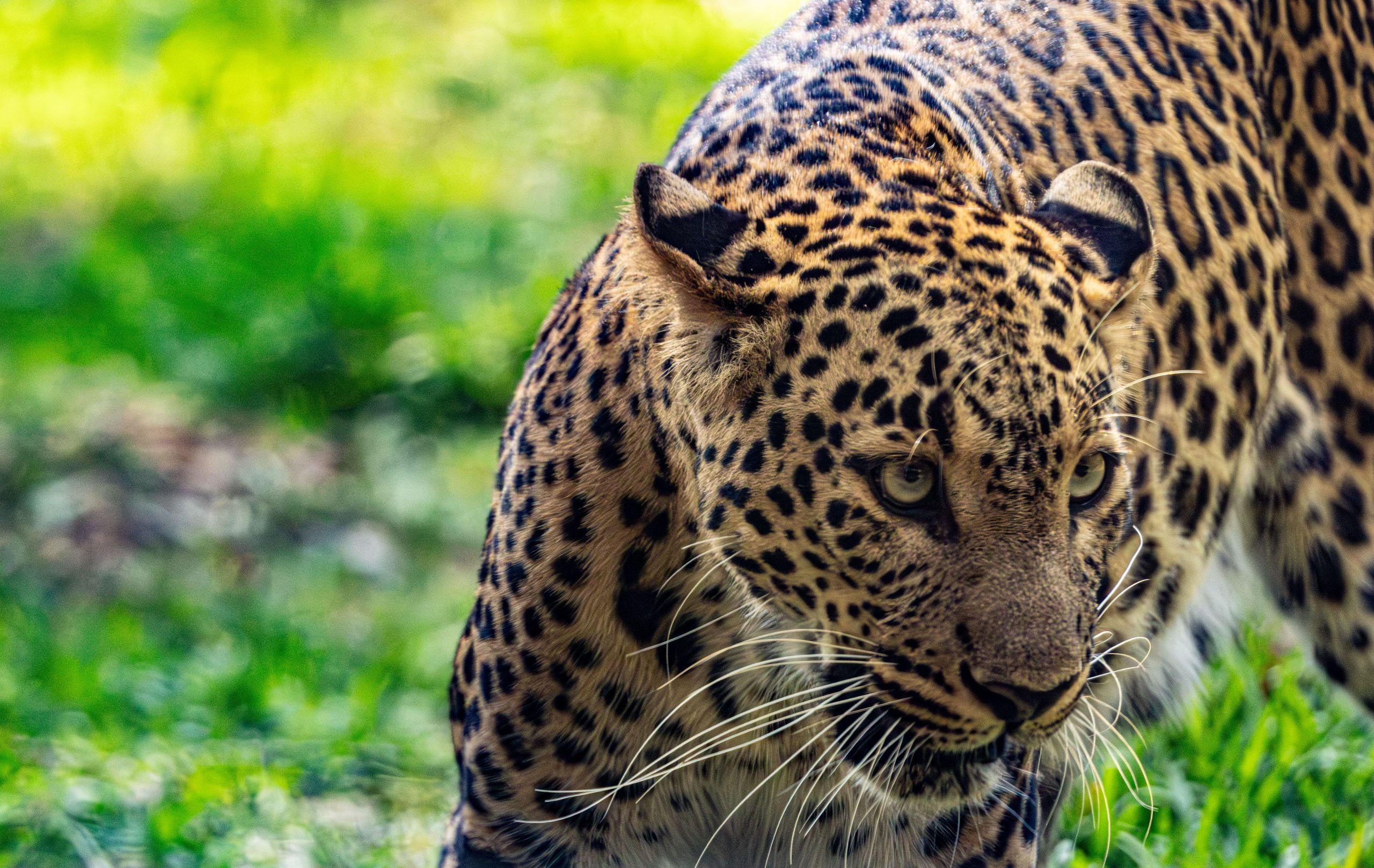
Are there leopards in Uganda
Are there leopards in Uganda
Are There Leopards in Uganda? A Complete Guide to Leopard Safaris in Uganda
Yes, there are leopards in Uganda. The African leopard (Panthera pardus) is one of the country’s wild big cats and can be found in several national parks and protected areas. However, leopards are naturally solitary, elusive and often active around dawn, dusk and at night, so seeing one in the wild is never guaranteed. Uganda Wildlife Authority lists Kidepo Valley, Murchison Falls, Queen Elizabeth, Lake Mburo and Semuliki among the Ugandan parks where visitors have a chance of seeing leopards.
For travelers interested in experiencing these remarkable cats, a well-planned safari with Turkana Wildlife Safaris Uganda can combine leopard searching with encounters with lions, elephants, buffaloes, giraffes, antelopes and Uganda’s other wildlife.
Where Can You See Leopards in Uganda?
Uganda has several destinations where leopard sightings are possible. Each park offers a different safari environment and wildlife experience.
1. Murchison Falls National Park
Murchison Falls National Park is an important destination for leopard viewing. The park contains extensive savannah, woodland and riverine habitats, providing suitable environments for large carnivores.
Recent UWA large-carnivore research is particularly notable: a leopard survey in the Nile Delta region recorded 99 detections involving 27 individual leopards during 1,603 trap nights. The survey estimated a leopard density of about 14.06 individuals per 100 km² in that study area.
A game drive around suitable leopard habitat can therefore be an exciting part of a Murchison Falls safari.
2. Kidepo Valley National Park
Kidepo Valley National Park is famous for its remote wilderness, dramatic landscapes and diverse wildlife.
The park is one of the destinations officially identified by UWA as having leopards. Its open savannah and rugged terrain create opportunities to search for predators during game drives.
Kidepo can be particularly rewarding for travelers who want a more remote and less conventional African safari experience.
3. Queen Elizabeth National Park
Queen Elizabeth National Park is another Ugandan destination where leopards occur.
The park has a variety of habitats, including savannah, woodland, wetlands and forested areas. It is also known for its diverse wildlife and large carnivores. UWA specifically lists Queen Elizabeth National Park among the places where visitors have a chance of seeing leopards.
A safari here can combine leopard searching with opportunities to see lions, elephants, buffaloes, hippos, Uganda kob and numerous bird species.
4. Lake Mburo National Park
Lake Mburo National Park is another park where leopards are present.
Although Lake Mburo is much smaller than Murchison Falls, it offers a different safari experience, with rolling landscapes, acacia vegetation, wetlands and large numbers of antelopes.
UWA identifies Lake Mburo as one of Uganda’s leopard destinations.
5. Semuliki National Park
Semuliki National Park is also included by UWA among Uganda’s leopard habitats.
The park is particularly interesting because of its forest environment and biodiversity. Visitors should remember that leopard sightings in forested habitats can be considerably more challenging because dense vegetation can make these secretive cats difficult to spot.
Why Are Leopards Difficult to See?
Leopards are among Africa’s most elusive large predators.
Unlike lions, which can often be seen resting together in prides, leopards are generally solitary animals. They spend considerable time hidden in vegetation, trees, rocky areas or other sheltered locations. UWA describes the leopard as one of the most secretive and elusive large carnivores in Uganda.
Several factors make leopard sightings challenging:
- They are usually solitary.
- They can be active during low-light periods.
- Their spotted coats provide excellent camouflage.
- They often rest in concealed locations.
- They may move quietly through vegetation.
- They can cover considerable areas while hunting.
This is why finding a leopard can feel like discovering a hidden treasure during a game drive.
What Is the Best Time to See Leopards in Uganda?
Leopards can be encountered throughout the year, but early morning and late afternoon game drives can provide particularly good opportunities because many predators are more active during cooler parts of the day.
Your safari guide can also use knowledge of the area, recent wildlife activity and tracks or other signs to determine where to search.
There is no guarantee that a leopard will appear on a particular game drive. Wildlife is unpredictable, and that uncertainty is part of the authentic safari experience.
What Does a Leopard Look Like?
The African leopard has a powerful but relatively compact body, a long tail and a distinctive coat covered with dark rosettes.
Its coloration provides excellent camouflage in grassland, woodland and forest environments. Leopards are also strong climbers and may sometimes be seen resting or feeding in trees.
Their combination of stealth, strength and camouflage makes them one of Africa’s most fascinating predators.
What Do Leopards Eat?
Leopards are carnivores and hunt a wide range of prey depending on the habitat.
Their diet can include:
- Antelopes
- Warthogs
- Monkeys
- Rodents
- Birds
- Young ungulates
- Other appropriately sized mammals
Leopards are also known for their ability to carry prey into trees, helping them protect a meal from competing predators and scavengers.
Leopard Safari With Turkana Wildlife Safaris Uganda
If seeing a leopard is one of your goals, Turkana Wildlife Safaris Uganda can help you plan a safari around Uganda’s wildlife destinations.
A leopard-focused itinerary can be combined with other major Ugandan safari experiences. Depending on your interests and available time, your trip could include destinations such as Murchison Falls, Queen Elizabeth, Lake Mburo or Kidepo Valley.
A safari package can include:
- Game drives
- Wildlife viewing
- Experienced safari guiding
- Accommodation
- Transportation
- Park visits
- Bird watching
- Cultural experiences
- Gorilla or chimpanzee trekking as part of a longer Uganda itinerary
The advantage of combining several destinations is that you experience different ecosystems rather than concentrating your entire trip on one wildlife area.
Tips for Photographing Leopards in Uganda
If you encounter a leopard, patience is important.
Bring:
- A camera with a good zoom lens
- Binoculars
- Spare batteries
- Extra memory cards
- Neutral-colored clothing
- Patience and plenty of time
Avoid sudden movements and loud noises. Follow your guide’s instructions and maintain a respectful distance from wildlife.
Remember that the welfare of the animal should always come before getting the perfect photograph.
Leopard Safari and Other Big Cats
A Uganda safari can offer the opportunity to search for several African predators.
Depending on the destination, you may encounter:
- Leopards
- Lions
- Spotted hyenas
- Jackals
- Other smaller carnivores
UWA’s conservation materials recognize leopards as part of Uganda’s large-carnivore community.
Seeing several different predators on the same safari can make a Uganda wildlife trip especially memorable.
Why Choose Uganda for a Leopard Safari?
Uganda offers more than traditional savannah game viewing. The country’s protected areas include savannahs, forests, wetlands, rivers, lakes and mountainous landscapes.
Uganda Wildlife Authority currently manages 10 national parks, including Murchison Falls, Queen Elizabeth, Kidepo Valley, Lake Mburo and Semuliki.
This diversity allows travelers to combine leopard searching with experiences such as gorilla trekking, chimpanzee tracking, boat cruises, bird watching and cultural encounters.
Frequently Asked Questions About Leopards in Uganda
1. Are there leopards in Uganda?
Yes. Leopards are found in several Ugandan national parks, including Murchison Falls, Kidepo Valley, Queen Elizabeth, Lake Mburo and Semuliki National Parks.
2. Where is the best place to see leopards in Uganda?
Murchison Falls National Park is an important leopard-viewing destination. UWA’s recent leopard survey in the Nile Delta recorded numerous individual leopards and estimated a high leopard density in the surveyed area.
3. Are leopards common in Uganda?
Leopards occur in several protected areas, but they are naturally elusive and solitary. Therefore, their presence does not mean that every safari will result in a sighting.
4. Can I see leopards in Murchison Falls?
Yes. Murchison Falls is one of the Ugandan parks where leopards can be seen, and recent UWA research documented a substantial leopard population in the Nile Delta region.
5. Can I see leopards in Queen Elizabeth National Park?
Yes. Queen Elizabeth National Park is officially listed by UWA as one of Uganda’s parks where visitors have a chance of seeing leopards.
6. Can I see leopards in Kidepo Valley?
Yes. Kidepo Valley National Park is among the Ugandan protected areas where leopards occur.
7. What time of day are leopards easiest to find?
Early morning and late afternoon game drives can provide good opportunities because wildlife is often more active during cooler periods. However, leopard sightings are never guaranteed.
8. Are leopards dangerous to safari tourists?
Leopards are wild predators and should always be treated with caution. Visitors should remain inside authorized safari vehicles when required and follow their guide’s instructions.
9. Can I combine leopard viewing with gorilla trekking?
Yes. A Uganda itinerary can combine savannah game drives with gorilla trekking in Bwindi Impenetrable or Mgahinga Gorilla National Parks, depending on your schedule and interests.
10. Can Turkana Wildlife Safaris organize a leopard safari in Uganda?
Yes, Turkana Wildlife Safaris Uganda can help travelers plan a customized Uganda safari incorporating destinations where leopard sightings are possible, along with other wildlife and tourism experiences.
Conclusion: Are There Leopards in Uganda?
Yes, Uganda has wild leopards, and they can be found in several of the country’s protected areas, including Murchison Falls, Kidepo Valley, Queen Elizabeth, Lake Mburo and Semuliki National Parks.
Because leopards are secretive and solitary, spotting one requires patience, good guiding and a little luck. Murchison Falls is particularly notable, with recent UWA research documenting a significant leopard population in the Nile Delta area.
For travelers hoping to experience Uganda’s big cats, Turkana Wildlife Safaris Uganda can create a safari itinerary that combines leopard searching with Uganda’s wider wildlife and natural attractions. Whether you choose Murchison Falls, Queen Elizabeth, Kidepo Valley or another destination, the search for a leopard can become one of the most exciting moments of your Uganda safari.