
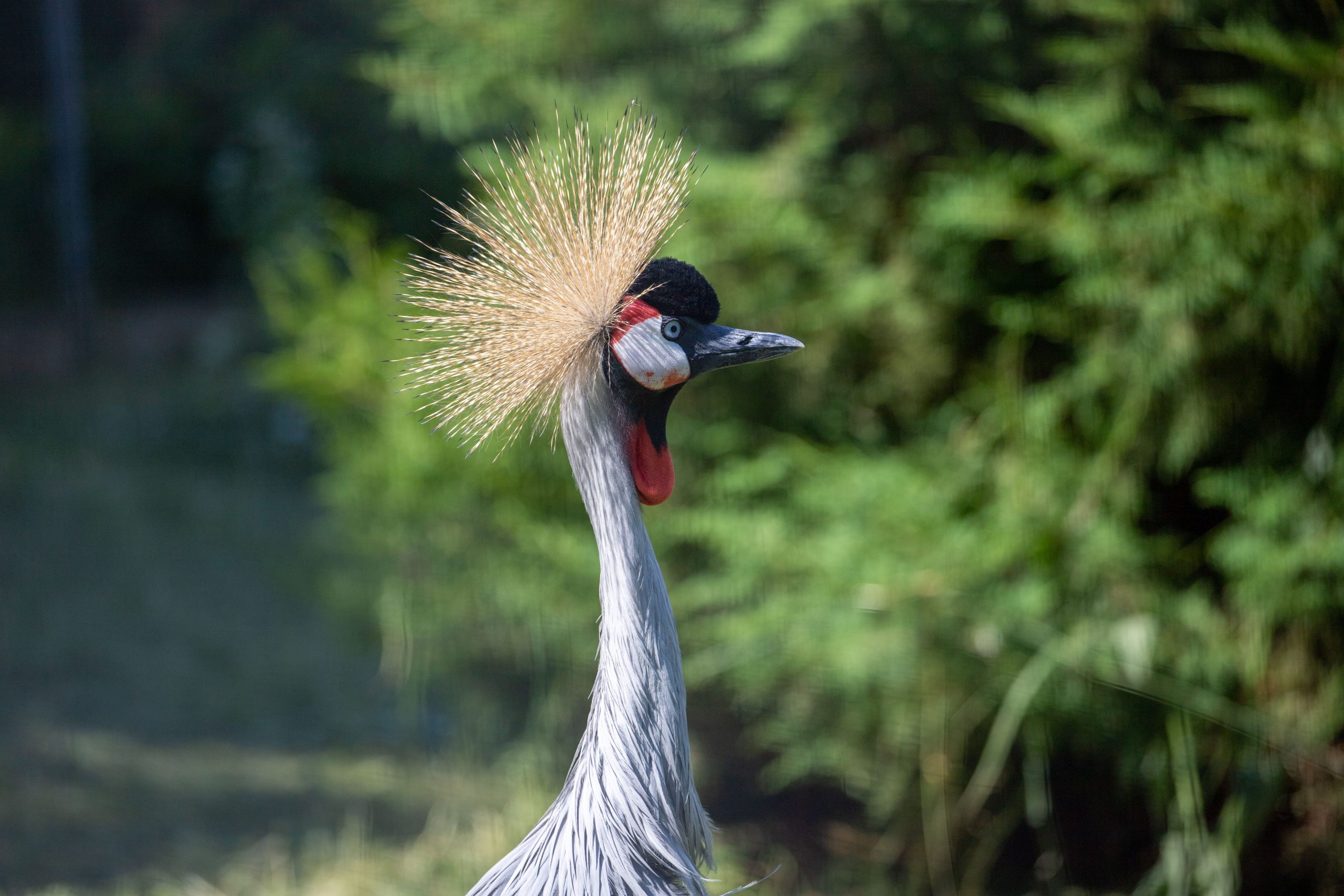
Why is Uganda called a birding paradise
Why is Uganda called a birding paradise
Why Is Uganda Called a Birding Paradise?
Uganda is widely described as a birding paradise because of its remarkable variety of bird species, diverse habitats, favorable climate, and relatively compact geography. Although Uganda is not one of Africa’s largest countries, it supports more than 1,000 recorded bird species, giving visitors an exceptional opportunity to see a huge variety of birds during a single safari. The Uganda Wildlife Authority currently describes the country as having more than 1,073 recorded bird species, representing roughly half of Africa’s bird species.
For travelers interested in wildlife, photography, nature, and birdwatching, Uganda offers much more than traditional game drives. From the wetlands around Lake Victoria to the forests of Bwindi, the savannahs of Murchison Falls and Queen Elizabeth, and the unique ecosystems of Semuliki, birding can be incorporated into many different Uganda safari itineraries.
With Turkana Wildlife Safaris Uganda, travelers can explore Uganda’s diverse bird habitats while also enjoying gorilla trekking, chimpanzee tracking, wildlife safaris, boat cruises, cultural experiences, and beautiful landscapes.
Uganda Has More Than 1,000 Bird Species
One of the biggest reasons Uganda is considered a birding paradise is simply the extraordinary number of species found within the country.
Uganda Wildlife Authority reports more than 1,060 bird species, while other official and tourism sources place the national list above 1,070 species.
This is particularly impressive because Uganda is relatively compact. Birders do not necessarily need to travel enormous distances to experience dramatically different bird communities.
A well-planned safari can combine forest birds, wetland species, waterbirds, savannah birds, raptors, and Albertine Rift species within the same trip.
Uganda’s Remarkable Variety of Habitats
The secret behind Uganda’s birding richness is its extraordinary variety of habitats.
The country contains:
- Tropical rainforests
- Montane forests
- Albertine Rift habitats
- Wetlands and swamps
- Lakes and rivers
- Papyrus wetlands
- Open savannah
- Woodland
- Dry bushland
- High-altitude mountain ecosystems
Each habitat supports its own collection of bird species.
Uganda’s Albertine Rift region is particularly important for biodiversity and bird endemism. Uganda’s environmental authorities describe the Albertine Rift as one of the country’s richest biodiversity areas and an important center of bird endemism.
This means a traveler who visits several ecosystems can encounter a remarkably different selection of birds from one destination to another.
The Albertine Rift Makes Uganda Special
The Albertine Rift is one of the most important reasons Uganda attracts serious birdwatchers.
The region contains forests and mountains with species that have restricted geographical ranges. Bwindi Impenetrable National Park and Mgahinga Gorilla National Park are particularly important destinations for birders looking for Albertine Rift species.
Birdwatchers visiting these forests may search for species such as:
- African Green Broadbill
- Rwenzori Turaco
- Rwenzori Batis
- Regal Sunbird
- Shelley’s Crimsonwing
- Handsome Francolin
- Archer’s Robin-Chat
- Various forest warblers and flycatchers
For dedicated birders, finding these specialized forest species can be one of the highlights of a Uganda safari.
Uganda’s Wetlands Are Excellent for Birdwatching
Uganda is also blessed with extensive wetlands, lakes, rivers, and swamps.
These environments provide important feeding and breeding areas for numerous waterbirds.
One of the country’s most famous wetland birds is the Shoebill, a prehistoric-looking bird that is one of Africa’s most sought-after birding species.
Mabamba Swamp near Entebbe is particularly well known for Shoebill excursions. Other wetland habitats throughout Uganda also support herons, kingfishers, storks, egrets, ibises, jacanas, cormorants, and other water-associated species.
For visitors arriving through Entebbe, a Mabamba Swamp excursion can be an excellent introduction to Uganda’s birdlife before continuing to other safari destinations.
Queen Elizabeth National Park Is a Birding Hotspot


Queen Elizabeth National Park is famous for its mammals, including elephants, lions, buffaloes, and hippos, but it is also an outstanding birding destination.
The park contains a mixture of savannah, wetlands, lakes, woodland, forests, and the Kazinga Channel. Tourism Uganda lists more than 600 bird species for the park, making it an important destination for birdwatchers.
A boat cruise along the Kazinga Channel can be particularly productive because birds gather around the water and shoreline.
Visitors may encounter:
- African Fish Eagles
- African Skimmers
- Kingfishers
- Herons
- Egrets
- Storks
- Pelicans
- Bee-eaters
- Weavers
- Sunbirds
The combination of birds and large mammals makes Queen Elizabeth an excellent destination for travelers who want a traditional wildlife safari with birding opportunities.
Murchison Falls National Park Offers Diverse Birdlife


Murchison Falls National Park is another important birding destination.
The park combines savannah, woodland, riverine habitats, wetlands, and the Victoria Nile. The diversity of habitats allows visitors to encounter both common African birds and more specialized species.
The Uganda Wildlife Authority specifically highlights Murchison Falls as an excellent place to see a wide range of birds, including the sought-after Shoebill.
A boat safari along the Nile can provide opportunities to observe birds along the riverbanks while also seeing hippos, crocodiles, elephants, and other wildlife.
Bwindi Impenetrable National Park for Forest Birding


Bwindi Impenetrable National Park is internationally famous for mountain gorilla trekking, but it is also one of Uganda’s most important birding destinations.
The forest provides habitat for numerous Albertine Rift species and other forest birds. Uganda Wildlife Authority identifies Bwindi and Mgahinga as key locations for Albertine Rift endemics.
This makes Bwindi especially attractive to travelers who want to combine gorilla trekking and birdwatching in one journey.
Imagine beginning the morning looking for forest birds and later entering the rainforest for an unforgettable gorilla trekking experience. That combination is one of the special features of a Uganda safari.
Semuliki National Park: A Different Birding Experience


Semuliki National Park offers something different from Uganda’s savannah parks.
The park contains lowland tropical forest with strong ecological connections to the Congo Basin. According to Uganda Wildlife Authority, Semuliki is the only place in East Africa where many Guinea-Congo regional bird species can be found.
For serious birdwatchers, this makes Semuliki an important addition to a comprehensive Uganda birding itinerary.
The forest environment can produce sightings of species that are difficult or impossible to find in Uganda’s savannah parks.
Kibale Forest Is More Than a Chimpanzee Destination


Kibale National Park is best known for chimpanzee tracking and its impressive population of primates, but it also provides excellent opportunities for birdwatching.
The nearby Bigodi Wetland area is particularly popular with nature enthusiasts. Forest and wetland habitats provide opportunities to see colorful forest birds, turacos, kingfishers, weavers, sunbirds, and other species.
This makes Kibale a natural stop for travelers who want to combine chimpanzee trekking, primate viewing, and birdwatching.
Uganda Is Excellent for Bird Photography
Uganda’s bird diversity also makes it attractive to wildlife photographers.
Colorful species such as turacos, bee-eaters, kingfishers and sunbirds can provide excellent photographic subjects. Large birds such as the Shoebill, Grey Crowned Crane, African Fish Eagle and various storks also create spectacular photography opportunities.
Different environments provide different photographic possibilities:
Wetlands: Waterbirds and Shoebills
Forests: Turacos, broadbills and forest specialists
Savannah: Raptors, hornbills and ground birds
Lakes and rivers: Eagles, kingfishers, herons and storks
Mountains: Albertine Rift specialists
A knowledgeable guide can make a major difference because many forest birds are easier to locate by their calls than by sight.
Birding Can Be Combined With a Traditional Safari
Another reason Uganda is called a birding paradise is that visitors do not necessarily need to choose between birdwatching and other safari experiences.
A single itinerary can include:
- Birdwatching
- Gorilla trekking
- Chimpanzee tracking
- Game drives
- Boat cruises
- Nature walks
- Cultural experiences
- Mountain hiking
- Wildlife photography
For example, a traveler might begin around Entebbe and Mabamba Swamp, continue to Kibale for chimpanzees and forest birds, visit Queen Elizabeth for wildlife and waterbirds, and then travel to Bwindi for gorillas and Albertine Rift bird species.
The itinerary can be adapted depending on whether the traveler is a casual birdwatcher or a dedicated birder trying to maximize the number of species recorded.
When Is the Best Time for Birding in Uganda?
Birding is possible throughout the year because many of Uganda’s birds are resident species.
According to Uganda Wildlife Authority, late May through September is generally favorable because there is less rain and food is abundant. However, other periods can also be rewarding, especially for travelers interested in particular habitats or migratory birds.
The best time therefore depends on your objectives.
If your priority is comfortable travel and easier forest trails, drier periods can be advantageous. If your priority is maximizing particular species or observing seasonal bird activity, your itinerary may be planned differently.
Why Choose Turkana Wildlife Safaris Uganda for Birding?
Turkana Wildlife Safaris Uganda can help travelers experience Uganda’s birding opportunities as part of a customized safari.
A birding-focused itinerary can be designed around destinations such as:
- Mabamba Swamp
- Entebbe
- Mabira Forest
- Kibale National Park
- Queen Elizabeth National Park
- Bwindi Impenetrable National Park
- Mgahinga Gorilla National Park
- Murchison Falls National Park
- Semuliki National Park
- Lake Mburo National Park
- Kidepo Valley National Park
Depending on your interests, the safari can focus primarily on birds or combine birdwatching with Uganda’s famous gorillas, chimpanzees, wildlife, landscapes, and cultural experiences.
For serious birders, the use of experienced local guides is especially valuable because identifying birds by call, habitat, behavior, and appearance can dramatically improve the experience.
Frequently Asked Questions About Birding in Uganda
1. Why is Uganda called a birding paradise?
Uganda is called a birding paradise because it has more than 1,000 recorded bird species and an exceptional variety of habitats, including forests, wetlands, lakes, rivers, mountains, and savannahs.
2. How many bird species are found in Uganda?
Uganda has more than 1,060 recorded bird species, with Uganda Wildlife Authority currently reporting a list exceeding 1,073 species.
3. What is the most famous bird to see in Uganda?
The Shoebill is one of the most sought-after birds in Uganda. Mabamba Swamp is among the country’s well-known destinations for searching for this remarkable species.
4. Where is the best place for birdwatching in Uganda?
There is no single location that provides every type of bird. Important birding destinations include Bwindi, Murchison Falls, Queen Elizabeth, Semuliki, Kibale, Mabamba Swamp, and other forests and wetlands.
5. Can I combine birding with gorilla trekking?
Yes. Bwindi is particularly suitable for combining birdwatching with gorilla trekking because the same forest ecosystem supports both mountain gorillas and numerous bird species.
6. Can beginners go birdwatching in Uganda?
Absolutely. You do not have to be an expert birder. Beginners can enjoy colorful and easily recognizable species while gradually learning more about bird identification.
7. Is Uganda good for bird photography?
Yes. Uganda offers excellent opportunities to photograph colorful forest birds, waterbirds, raptors, turacos, kingfishers, cranes, storks, and the famous Shoebill.
8. What equipment should I bring for birding in Uganda?
Useful equipment includes binoculars, a camera with a suitable telephoto lens, extra batteries, memory cards, a field guide, comfortable walking shoes, lightweight clothing, rain protection, and insect repellent.
9. What is the best time for birding in Uganda?
Birdwatching is possible throughout the year. Uganda Wildlife Authority notes that late May through September can be particularly favorable because of relatively lower rainfall and abundant food.
10. Can Turkana Wildlife Safaris organize a birding safari?
Turkana Wildlife Safaris Uganda can be included when planning a customized Uganda safari combining birdwatching with destinations such as national parks, forests, wetlands, gorilla trekking areas, chimpanzee habitats, and traditional wildlife-viewing destinations.
Conclusion: Uganda Truly Is a Birding Paradise
Uganda earns its reputation as a birding paradise through a remarkable combination of species diversity, habitat variety, favorable geography, and accessible birding destinations.
From the Shoebill-filled wetlands of the Lake Victoria region to the Albertine Rift forests of Bwindi, the tropical forests of Semuliki, the wetlands of Kibale, and the savannahs of Queen Elizabeth and Murchison Falls, Uganda offers an extraordinary range of birdwatching experiences.
Most importantly, birding does not have to be a separate vacation. With a well-designed itinerary from Turkana Wildlife Safaris Uganda, travelers can combine birdwatching with gorilla trekking, chimpanzee tracking, game drives, boat cruises, cultural experiences, and scenic exploration.
Whether you are an experienced birder chasing rare species or simply a traveler who enjoys beautiful wildlife, Uganda offers an unforgettable opportunity to discover Africa through its birds.