
Are Photography Safaris Available in Uganda
Are Photography Safaris Available in Uganda
Are Photography Safaris Available in Uganda?
Uganda is an exceptional destination for travelers who want to combine wildlife viewing with professional and amateur photography. Known as the “Pearl of Africa,” Uganda offers diverse landscapes, abundant wildlife, primates, birds, rivers, lakes, forests, and mountains that provide remarkable opportunities for photography.
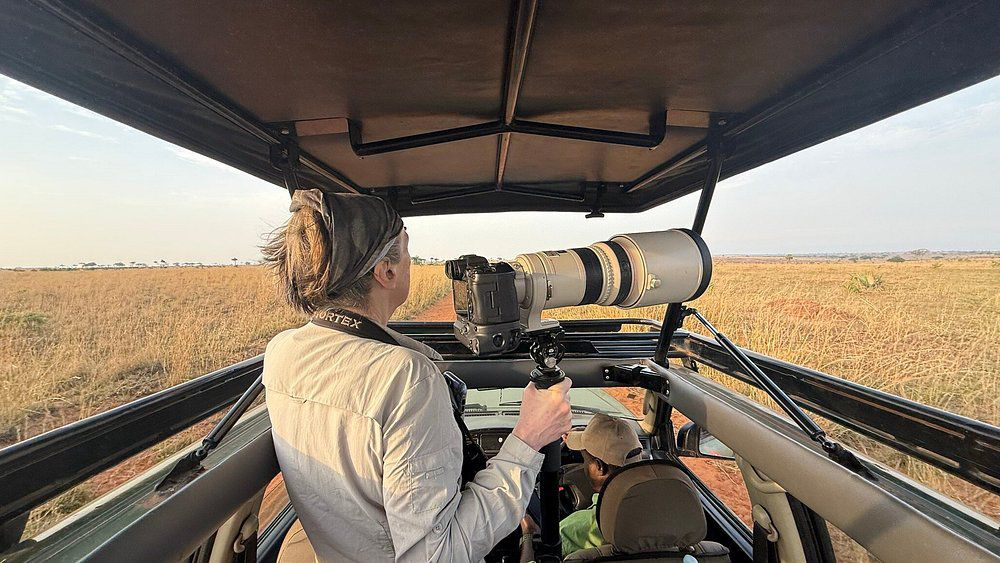
Unlike a traditional sightseeing safari, a photography safari in Uganda is designed around getting better photographic opportunities. Travelers can spend more time observing animals, waiting for the right light, positioning vehicles carefully, and visiting locations known for excellent wildlife encounters.
With its variety of national parks and protected areas, Uganda offers photography opportunities ranging from gorillas and chimpanzees to elephants, lions, leopards, giraffes, hippos, birds, and spectacular landscapes.
What Is a Photography Safari?
A photography safari is a wildlife safari specifically planned to give travelers opportunities to capture high-quality photographs of animals, birds, landscapes, and local cultures.
The itinerary may allow more time at particular locations than a standard safari. Guides can also help identify animal behavior, anticipate movements, and position the safari vehicle where possible to provide better photographic angles.
Photography safaris can be suitable for:
- Professional wildlife photographers
- Amateur photographers
- Bird photographers
- Nature lovers
- Wildlife enthusiasts
- Couples and honeymooners
- Families interested in nature
- Social media content creators
- Travelers interested in landscape photography
You do not need to be a professional photographer to enjoy a photography safari in Uganda.
Why Choose Uganda for a Photography Safari?
Uganda has a remarkable combination of wildlife, primates, landscapes, forests, wetlands, lakes, and mountains.
One of the biggest advantages is the diversity of photographic subjects available within one country.
You can photograph large mammals such as elephants and buffaloes, predators such as lions and leopards, primates including chimpanzees and mountain gorillas, colorful birds, dramatic waterfalls, volcanic landscapes, and local communities.
Uganda also offers opportunities for photographers who prefer less crowded wildlife destinations. Some parks can provide a more intimate safari experience, depending on the season and location.
Best Destinations for Photography Safaris in Uganda
1. Queen Elizabeth National Park
Queen Elizabeth National Park is one of Uganda’s most popular destinations for wildlife photography.
The park has diverse habitats, including savannah, wetlands, forests, and lakes. Photographers may encounter elephants, lions, buffaloes, hippos, antelopes, warthogs, and numerous bird species.
The KasenyI Plains are particularly attractive for wildlife photography because of their open savannah landscapes.
The famous Ishasha sector is also known for its tree-climbing lions, which can create unique photographic opportunities when the lions are resting in fig or acacia trees.
2. Murchison Falls National Park
Murchison Falls National Park is another excellent destination for photography.
The park offers a combination of savannah wildlife, the Nile River, woodland, and dramatic landscapes.
A game drive can provide opportunities to photograph:
- Elephants
- Lions
- Buffaloes
- Giraffes
- Uganda kob
- Antelopes
- Warthogs
- Leopards
- Birds
A boat cruise along the Victoria Nile also provides excellent opportunities for photographing hippos, crocodiles, elephants near the river, water birds, and the spectacular Murchison Falls.
3. Bwindi Impenetrable National Park
Bwindi is particularly famous for mountain gorilla photography.
Gorilla trekking allows visitors to spend a regulated period observing a habituated gorilla family. Photographers can capture images of gorillas feeding, resting, playing, climbing, and interacting with one another.
The dense forest creates a completely different photographic environment from Uganda’s open savannah parks.
Because gorilla trekking takes place in a natural forest environment, photographers should be prepared for challenging lighting conditions and limited visibility.
4. Kibale National Park
Kibale National Park is one of Uganda’s best destinations for primate photography.
The park is especially famous for chimpanzee tracking, but visitors may also encounter other primates.
Chimpanzees can provide fascinating photography opportunities because of their expressive faces, social interactions, and movements through the forest.
Photography in Kibale can be particularly rewarding for travelers interested in wildlife behavior rather than only large mammals.
5. Kidepo Valley National Park
For photographers looking for dramatic landscapes and remote wildlife experiences, Kidepo Valley National Park is an excellent option.
Located in northeastern Uganda, Kidepo features expansive savannah plains surrounded by rugged mountains.
Photographers can encounter elephants, lions, buffaloes, giraffes, zebras, cheetahs, leopards, and various antelope species.
The remote setting can also make the safari feel very different from more frequently visited destinations.
6. Lake Mburo National Park
Lake Mburo National Park is another useful destination for photography, especially for travelers looking for a shorter safari.
The park has zebras, impalas, buffaloes, eland, giraffes, hippos, and many bird species.
Its relatively accessible location makes it possible to include Lake Mburo in shorter Uganda safari itineraries.
7. Ziwa Rhino Sanctuary
Ziwa Rhino Sanctuary provides an opportunity to photograph rhinos in a protected environment.
The sanctuary can be included in itineraries traveling between Kampala or Entebbe and northern Uganda, depending on the route.
Rhino photography can be a valuable addition to a Uganda safari because it allows travelers to photograph one of Africa’s iconic Big Five animals.
What Animals Can You Photograph in Uganda?
Uganda provides an impressive range of wildlife photography subjects.
Depending on the destination and season, photographers may have opportunities to photograph:
- Mountain gorillas
- Chimpanzees
- Lions
- Leopards
- Elephants
- Giraffes
- Buffaloes
- Hippos
- Rhinos
- Zebras
- Cheetahs
- Uganda kob
- Elands
- Warthogs
- Antelopes
- Monkeys
- Baboons
- Numerous bird species
Wildlife sightings are never guaranteed because animals move freely in their natural habitats. However, experienced guides can greatly improve the chances of finding interesting wildlife.
Bird Photography Safaris in Uganda
Uganda is also an excellent destination for bird photography.
The country’s forests, wetlands, lakes, rivers, and savannahs support a remarkable variety of birdlife.
Bird photographers may encounter species such as the African fish eagle, kingfishers, herons, storks, hornbills, bee-eaters, turacos, and many other species.
Specialized birding safaris can be designed around specific habitats and bird species.
For serious bird photographers, it is useful to communicate your interests before the safari so that the itinerary can be adjusted accordingly.
What Camera Equipment Should You Bring?
The equipment you need depends on your experience and photography goals.
A useful wildlife photography setup may include:
- A camera with good autofocus
- A telephoto lens
- A wide-angle lens
- Extra batteries
- Several memory cards
- Lens cleaning equipment
- Camera protection against dust and moisture
- Binoculars
- A beanbag or other vehicle-support system
A telephoto lens is particularly useful for photographing animals without getting too close.
For landscape photography, a wide-angle lens can help capture Uganda’s forests, mountains, rivers, waterfalls, and savannahs.
Can You Use a Smartphone?
Yes. You do not need professional camera equipment to enjoy a photography safari in Uganda.
Modern smartphones can produce excellent photographs, especially when animals are relatively close or when photographing landscapes and scenery.
However, a dedicated camera with a telephoto lens provides greater flexibility for distant wildlife.
What Is the Best Time for a Photography Safari in Uganda?
Uganda can be visited throughout the year, but different seasons can provide different photographic conditions.
The drier periods are often popular because wildlife can be easier to locate around water sources and some roads are easier to navigate.
The wetter seasons can also be rewarding for photographers because landscapes become greener, skies can be dramatic, and bird activity can be excellent.
The best time ultimately depends on what you want to photograph.
If your priority is gorillas, chimpanzees, large mammals, birds, or landscapes, your itinerary can be planned around those interests.
How Long Should a Uganda Photography Safari Be?
The ideal duration depends on the number of destinations you want to visit.
A short photography safari could focus on one or two destinations for approximately 3–5 days.
A longer trip of 7–10 days can combine several wildlife destinations.
Travelers wanting a more comprehensive photography experience may choose 10–14 days or longer, combining destinations such as Murchison Falls, Kibale, Queen Elizabeth, Bwindi, and other areas.
Longer itineraries provide more opportunities to photograph different species and landscapes.
Can Photography Safaris Include Gorilla Trekking?
Absolutely.
A Uganda photography safari can be combined with gorilla trekking in Bwindi Impenetrable National Park.
This creates an exciting combination of traditional wildlife photography and primate photography.
Travelers can spend part of their trip photographing savannah wildlife before heading into the forest to encounter mountain gorillas.
Gorilla photography does have specific rules, and visitors should follow instructions from guides and park authorities to protect both the animals and visitors.
Can Photography Safaris Include Boat Cruises?
Yes.
Boat cruises can add a different dimension to a photography safari.
The Nile River in Murchison Falls National Park and the Kazinga Channel in Queen Elizabeth National Park are particularly useful for photographing animals from the water.
Boat cruises can provide opportunities to photograph:
- Hippos
- Crocodiles
- Elephants
- Buffaloes
- Water birds
- Landscapes
- River scenery
The changing position of the boat can also provide photographic angles that are difficult to obtain from a safari vehicle.
Why Is an Experienced Guide Important for Photography?
A knowledgeable guide can make a significant difference to a photography safari.
Guides understand animal behavior, park roads, wildlife habitats, and where certain species are commonly encountered.
They can also help travelers understand when to wait, where to position the vehicle, and how to approach wildlife responsibly.
For photographers, communication with the guide is especially important. Before starting the safari, explain that photography is a major priority so the guide can understand your expectations.
How Can You Plan a Photography-Focused Safari?
Start by deciding what you most want to photograph.
For example:
Wildlife photography:
Focus on destinations such as Queen Elizabeth, Murchison Falls, Kidepo Valley, and Lake Mburo.
Gorilla photography:
Include Bwindi Impenetrable National Park.
Chimpanzee photography:
Include Kibale National Park.
Bird photography:
Build the itinerary around Uganda’s forests, wetlands, lakes, and other bird-rich habitats.
Landscape photography:
Include destinations with mountains, waterfalls, rivers, lakes, and dramatic savannah scenery.
Once your priorities are established, your safari operator can develop an itinerary around them.
Photography Safari with Turkana Wildlife Safaris Uganda
Turkana Wildlife Safaris Uganda can help travelers plan photography-focused Uganda safari experiences based on their interests, available time, and preferred destinations.
Whether you want to photograph gorillas in Bwindi, chimpanzees in Kibale, lions and elephants in Queen Elizabeth National Park, wildlife around Murchison Falls, or the dramatic landscapes of Kidepo Valley, a customized itinerary can make the experience more rewarding.
A photography-focused safari can also combine several destinations, allowing travelers to experience Uganda’s wildlife diversity while pursuing their photography goals.
Frequently Asked Questions
Are photography safaris available in Uganda?
Yes. Uganda offers excellent opportunities for wildlife, bird, primate, landscape, and nature photography.
Do I need to be a professional photographer?
No. Photography safaris are suitable for beginners, hobby photographers, professionals, and travelers who simply enjoy taking pictures.
Where is the best place for wildlife photography in Uganda?
Queen Elizabeth National Park, Murchison Falls National Park, Kidepo Valley National Park, and Lake Mburo National Park are among the destinations offering excellent wildlife photography opportunities.
Can I photograph mountain gorillas in Uganda?
Yes. Gorilla trekking in Bwindi Impenetrable National Park allows visitors to photograph habituated gorilla families while following the applicable photography and wildlife-viewing rules.
Can I photograph chimpanzees?
Yes. Kibale National Park is one of Uganda’s leading destinations for chimpanzee experiences and primate photography.
Is Uganda good for bird photography?
Yes. Uganda’s diverse habitats support a wide range of bird species, making the country an excellent destination for bird photographers.
What camera should I bring on safari?
A camera with a telephoto lens is useful for wildlife photography. A wide-angle lens is helpful for landscapes, forests, mountains, and other scenery.
Can I use my smartphone?
Yes. Smartphones can produce excellent photographs, particularly for landscapes and close wildlife encounters.
How many days do I need for a photography safari?
A short trip can focus on one or two destinations, while 7–14 days or more allows you to combine several wildlife and primate destinations.
Can I combine gorilla trekking and wildlife photography?
Yes. Gorilla trekking can be combined with wildlife safaris in destinations such as Queen Elizabeth, Murchison Falls, Lake Mburo, and Kidepo Valley, depending on your itinerary.
Can photography safaris be customized?
Yes. A safari can be customized according to your preferred animals, photography interests, travel dates, budget, and available time.
Conclusion
Photography safaris are definitely available in Uganda, and the country offers an impressive variety of subjects for photographers. From mountain gorillas and chimpanzees to lions, elephants, giraffes, hippos, birds, waterfalls, forests, rivers, and spectacular landscapes, Uganda provides opportunities for many different styles of photography.
The key to a successful photography safari is choosing the right destinations, allowing enough time for wildlife encounters, traveling with knowledgeable guides, and planning the itinerary around your photography interests.
Whether you are an experienced wildlife photographer or simply want to return home with unforgettable photographs of Africa, Uganda is a destination worth considering.
For a customized photography-focused Uganda safari, Turkana Wildlife Safaris Uganda can help you plan an itinerary that combines wildlife viewing, photography opportunities, gorilla trekking, chimpanzee experiences, boat cruises, and Uganda’s spectacular natural scenery.