
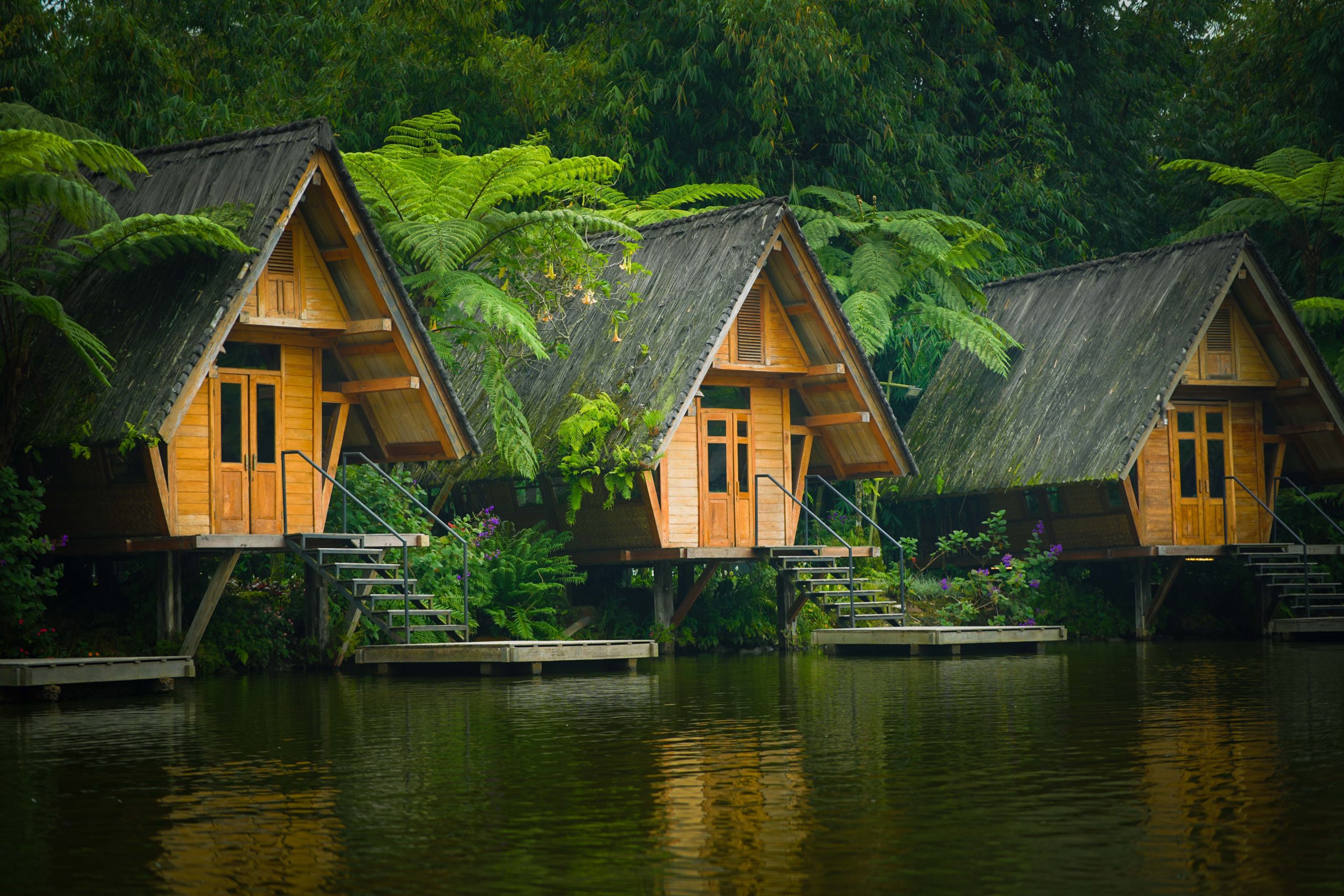
Are Eco Lodges Available in Uganda
Are Eco Lodges Available in Uganda
Are Eco Lodges Available in Uganda? A Complete Guide to Sustainable Accommodation
Introduction
Yes, eco lodges are available in Uganda, offering travellers an excellent opportunity to experience the country’s beautiful landscapes, diverse wildlife, and rich cultural heritage while supporting responsible tourism. From the misty mountains of southwestern Uganda to the tropical forests, peaceful lakeshores, and wildlife filled savannahs, the country offers a variety of accommodation options for visitors who want to connect with nature.
Eco lodges are particularly appealing to travellers who value environmental conservation, cultural experiences, and comfortable accommodation in natural surroundings. Depending on the property, guests may enjoy locally prepared meals, nature walks, birdwatching, guided wildlife excursions, and opportunities to interact with nearby communities.
Whether you are planning a gorilla trekking adventure, a wildlife safari, a birdwatching holiday, or a relaxing nature retreat, Uganda has eco friendly accommodation options worth considering.
What Is an Eco Lodge?
An eco lodge is an accommodation facility designed to reduce its environmental impact while providing visitors with a comfortable and memorable experience. Eco lodges often operate in or near natural environments and aim to protect the surrounding ecosystem.
Many eco lodges incorporate sustainable practices such as responsible water use, waste reduction, energy conservation, locally sourced food, and employment of people from neighbouring communities. Some properties also support conservation projects and environmental education.
However, not every lodge that is surrounded by nature is necessarily an eco lodge. Travellers should look at the actual sustainability practices of each property before making a booking.
Are Eco Lodges Available in Uganda?
Yes, Uganda has eco lodges and environmentally conscious accommodation options in several popular tourism destinations. These properties cater to different budgets, from relatively simple nature retreats to comfortable lodges with modern facilities.
Many are located near national parks, forests, wetlands, lakes, and rural communities, allowing visitors to explore Uganda’s natural attractions without staying far from the activities they want to enjoy.
Some eco lodges prioritise renewable energy and low impact construction, while others focus on community involvement, conservation partnerships, locally sourced products, or nature based experiences. The specific facilities and sustainability standards vary from one property to another.
Travellers can explore safari destinations and trip planning options through Turkana Wildlife Safaris when organising a visit to Uganda and the wider East African region.
Best Places to Find Eco Lodges in Uganda
1. Bwindi Impenetrable National Park
Bwindi Impenetrable National Park is one of Uganda’s most famous destinations for nature based tourism. Located in southwestern Uganda, the park is renowned for mountain gorilla trekking, rich biodiversity, and ancient tropical rainforest.
Eco friendly accommodation options can be found around several gorilla trekking sectors, including Buhoma, Ruhija, Rushaga, and Nkuringo. Staying near the appropriate sector can reduce travel time to the gorilla trekking briefing point.
Many lodges in the surrounding communities provide opportunities to experience local culture, enjoy forest views, and support livelihoods connected to tourism.
Visitors should check the lodge’s location carefully because Bwindi is mountainous, and road journeys between different sectors can take considerable time.
2. Queen Elizabeth National Park
Queen Elizabeth National Park is another excellent destination for travellers interested in environmentally responsible accommodation. The park features savannah grasslands, wetlands, crater lakes, and the famous Kazinga Channel.
Accommodation options in and around the park allow visitors to combine wildlife viewing with birdwatching, boat cruises, and guided game drives.
Travellers looking for a sustainable stay should ask prospective lodges about waste management, water conservation, energy sources, and their relationships with nearby communities.
3. Kibale National Park
Kibale National Park is famous for chimpanzee tracking and its diverse tropical forest ecosystem. The surrounding area offers accommodation options suitable for visitors interested in primates, forest walks, and birdwatching.
An eco lodge near Kibale can provide a convenient base for exploring the forest and visiting nearby communities. Some properties also arrange nature walks and cultural activities that introduce visitors to the region’s environment and traditions.
When booking, confirm the distance to the park headquarters or the relevant chimpanzee tracking briefing location.
4. Lake Bunyonyi
Lake Bunyonyi is known for its scenic hills, terraced landscapes, and numerous islands. It is an attractive destination for travellers seeking a peaceful retreat after a wildlife safari or gorilla trekking experience.
Accommodation around the lake ranges from simple cottages to more established lodges. Visitors can enjoy canoeing, birdwatching, island excursions, and opportunities to learn about local life.
For a more sustainable stay, look for properties that manage wastewater responsibly, minimise plastic waste, purchase food locally where practical, and respect the lake’s natural environment.
5. Murchison Falls National Park
Murchison Falls National Park offers a combination of wildlife viewing, river scenery, and dramatic landscapes. The Nile passes through a narrow gorge before plunging over the falls, creating one of Uganda’s most recognisable natural attractions.
Lodges in and around the park provide access to game drives, boat trips, birdwatching, and visits to the falls.
Eco conscious travellers can compare accommodation options based on their conservation policies, energy use, water management, and local employment practices.
6. Mgahinga Gorilla National Park
Mgahinga Gorilla National Park is a smaller but remarkable conservation area in southwestern Uganda. It forms part of the Virunga mountain landscape and is known for mountain gorillas, golden monkeys, volcanic scenery, and guided mountain hikes.
Accommodation in the surrounding area can suit travellers looking for a quieter nature experience. Staying with a locally operated property can also provide an opportunity to support community based tourism.
Visitors planning gorilla trekking or golden monkey tracking should confirm the accommodation’s distance from the park entrance and arrange suitable transport.
7. Jinja and the Source of the Nile
Jinja is a popular destination for travellers interested in the Nile River, cultural experiences, and outdoor activities. Although it is better known for riverside accommodation and adventure tourism than for remote wildlife lodges, visitors can find properties that emphasise natural surroundings and responsible operations.
Activities may include boat excursions, birdwatching, cycling, community visits, and exploring the river environment.
Travellers should select activities and operators that prioritise safety, respect local communities, and minimise disturbance to the natural environment.
What Facilities Can You Expect at an Eco Lodge in Uganda?
The facilities available depend on the lodge’s location, price range, and level of development. Some eco lodges provide modern comforts, while others offer a simpler experience designed to help guests feel closer to nature.
Common facilities and services may include:
- Comfortable rooms, cottages, tents, or bandas.
- Private or shared bathrooms, depending on the accommodation category.
- Restaurant services featuring locally sourced ingredients where available.
- Solar lighting or other energy efficient systems.
- Hot showers, although availability and heating schedules can vary.
- Guided nature walks, birdwatching, and wildlife excursions.
- Outdoor seating areas with views of forests, lakes, mountains, or savannah.
- Local cultural experiences and community visits.
- Assistance arranging transport, park activities, or guided tours.
Travellers should confirm essential amenities before booking. In remote locations, electricity, mobile network coverage, internet access, and hot water may be limited or available only during certain hours.
How Much Does It Cost to Stay at an Eco Lodge in Uganda?
The cost of staying at an eco lodge in Uganda varies according to location, season, room category, meal arrangements, and included activities.
Budget accommodation may provide simple rooms and basic services, while midrange properties often offer more privacy, additional facilities, and meals. Luxury eco lodges may include spacious accommodation, personalised service, premium dining, and scenic locations.
The overall cost of a stay may also depend on whether the booking includes airport transfers, park transportation, guided activities, or other safari arrangements.
Gorilla trekking and chimpanzee tracking permits are generally separate expenses unless explicitly included in a package. Travellers should confirm what is covered by the advertised rate to avoid unexpected costs.
For help organising accommodation alongside wildlife activities, travellers can visit Turkana Wildlife Safaris to explore available safari planning services and enquire about suitable travel arrangements.
Benefits of Staying at an Eco Lodge in Uganda
Supporting Environmental Conservation
Responsible accommodation providers can help reduce waste, conserve water, limit unnecessary energy consumption, and encourage visitors to respect fragile ecosystems.
Some lodges also contribute to conservation projects or work with organisations that protect wildlife habitats. Travellers should ask about specific initiatives rather than assuming every property supports the same programmes.
Supporting Local Communities
Many eco lodges create employment opportunities for people living near tourism destinations. Local purchasing, community partnerships, and cultural experiences can help ensure that tourism benefits residents.
Choosing a locally owned or community connected property may provide additional opportunities for visitors to support the regional economy.
Enjoying Nature More Closely
Eco lodges often place guests near forests, lakes, mountains, wetlands, or wildlife habitats. This setting can make it easier to enjoy bird calls, scenic views, natural landscapes, and guided outdoor activities.
The experience is particularly rewarding for travellers who prefer peaceful surroundings over busy urban accommodation.
Experiencing Local Culture
Some eco lodges organise village walks, traditional food experiences, craft demonstrations, or visits to community projects. These activities can help visitors understand local customs and livelihoods when organised respectfully.
Guests should seek experiences that are arranged with community consent and provide fair benefits to participants.
Creating a More Meaningful Safari
Staying at an environmentally responsible lodge can complement wildlife viewing by helping travellers understand the connection between tourism, conservation, and local livelihoods.
This approach can make a safari more than a wildlife viewing holiday by encouraging a deeper appreciation of Uganda’s natural heritage.
How to Choose the Best Eco Lodge in Uganda
Selecting the right eco lodge requires more than comparing photographs and room prices. Consider the following factors before booking.
Location
Choose accommodation that is convenient for your planned activities. If you are visiting Bwindi for gorilla trekking, confirm the trekking sector and the distance to the briefing point. If you are visiting Queen Elizabeth National Park, consider which park areas you plan to explore.
Environmental Practices
Ask whether the lodge uses solar energy, manages waste responsibly, reduces single use plastics, conserves water, or supports habitat protection. Look for clear explanations of actual practices rather than relying only on the term eco friendly.
Comfort and Amenities
Check the room type, bathroom arrangements, hot water availability, electricity supply, internet access, meals, and any accessibility requirements.
Community Involvement
Find out whether the property employs local residents, purchases goods from nearby suppliers, or collaborates with community initiatives. Responsible tourism should benefit the people who live near the destination.
Price and Included Services
Compare the total cost rather than the room rate alone. Confirm whether meals, transfers, park transportation, guided activities, and applicable taxes are included.
Reviews and Reputation
Read recent guest reviews and look for consistent information about cleanliness, service, location, safety, and the accuracy of the lodge’s descriptions.
What Is the Best Time to Visit Eco Lodges in Uganda?
Uganda can be visited throughout the year, but the best time depends on the activities you plan to enjoy.
The relatively drier periods, often around December to February and June to August, are popular for many wildlife safaris and trekking activities. Trails may be easier to navigate during drier conditions, although weather varies by region.
The wetter periods can bring lush vegetation, attractive scenery, and rewarding birdwatching opportunities. However, some roads and forest trails may become muddy or more difficult to access.
Because Uganda has varied landscapes and local weather conditions, travellers should check current conditions before departure. It is also wise to book popular accommodation and gorilla trekking permits well in advance, especially during busy travel periods.
Are Eco Lodges Suitable for Families and Couples?
Yes, depending on the property. Couples may prefer secluded cottages, scenic views, and quiet outdoor spaces. Families may benefit from larger rooms, flexible meal arrangements, convenient transport, and activities suitable for different ages.
Not every lodge is suitable for young children, and some properties have steep paths, open balconies, limited barriers, or other features that require additional supervision.
Families should confirm child policies, room arrangements, meal options, and activity restrictions before making a reservation. Couples should also check whether the property offers the level of privacy and comfort they want.
How to Book an Eco Lodge in Uganda
Start by choosing the destination and identifying the activities you want to experience. Decide whether you prefer a budget, midrange, or luxury property, then compare locations, sustainability practices, available amenities, and recent guest feedback.
Contact the lodge or a reputable safari operator to confirm availability, rates, meal plans, transport arrangements, and cancellation policies. If your trip includes gorilla trekking or chimpanzee tracking, coordinate accommodation with the relevant permit dates and briefing locations.
You can begin planning through the Turkana Wildlife Safaris. Discuss your preferred destinations, travel dates, group size, and budget when making an enquiry so that suitable options can be identified.
Before paying, request written confirmation of the accommodation category, included services, payment conditions, and booking arrangements.