
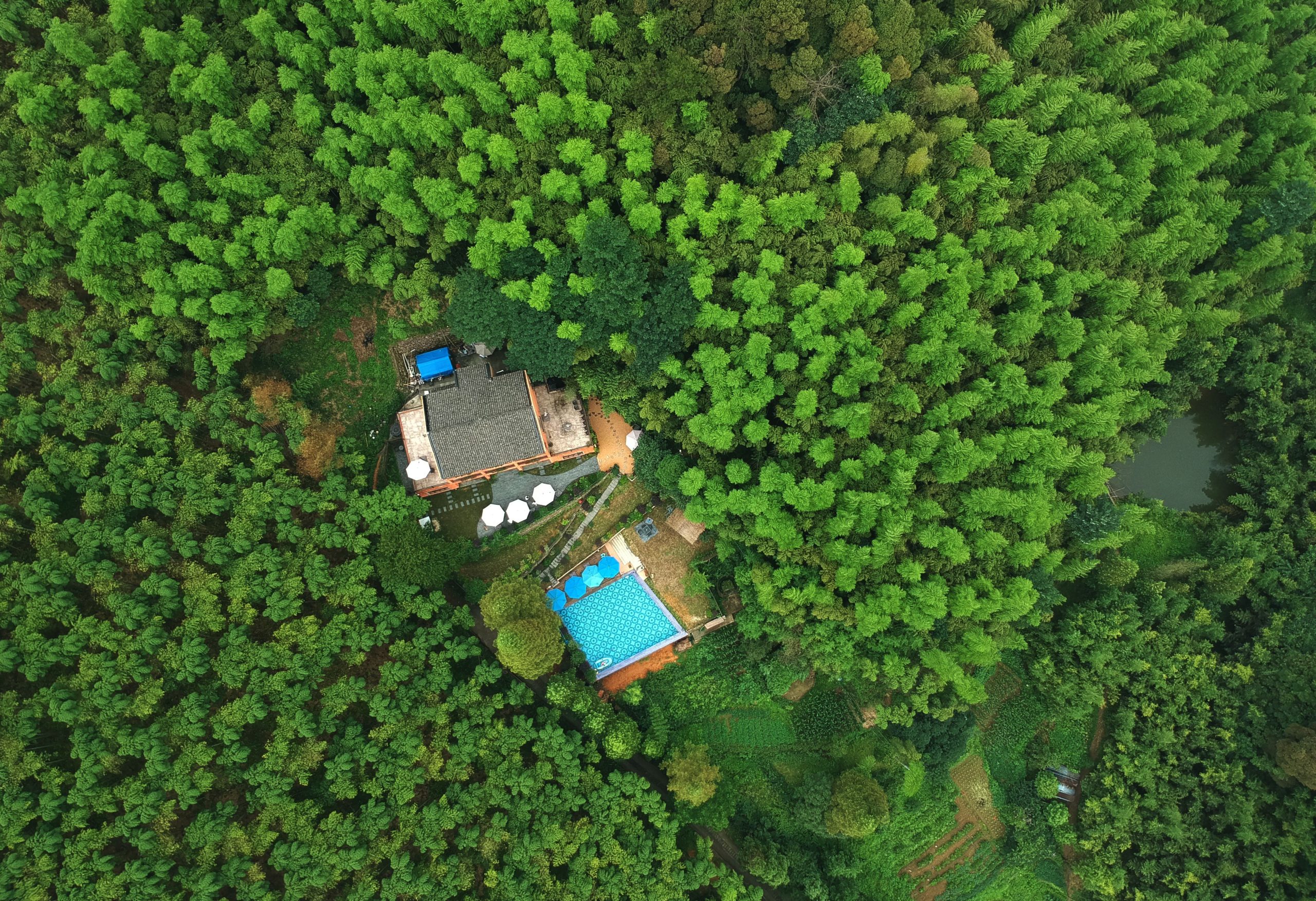
Are Lodges Safe at Night
Are Lodges Safe at Night
Are Lodges in Uganda Safe at Night? A Complete Guide for Safari Travelers
Introduction
Uganda is one of Africa’s most rewarding safari destinations, offering beautiful national parks, breathtaking landscapes, rich wildlife, and welcoming local communities. From the mountain gorillas of Bwindi Impenetrable National Park to the elephants of Queen Elizabeth National Park and the tree climbing lions of Ishasha, the country provides unforgettable experiences for visitors seeking adventure and relaxation.
When planning a safari, one common question travelers ask is, are lodges in Uganda safe at night? The good news is that many safari lodges, hotels, and tented camps have security measures designed to protect guests throughout the night. However, safety standards vary depending on the property, its location, the surrounding environment, and the precautions taken by travelers.
Whether you are visiting Uganda for a wildlife safari, gorilla trekking, bird watching, or a relaxing nature getaway, understanding nighttime safety can help you enjoy a comfortable and worry free stay.
This guide explains what to expect when staying at lodges in Uganda at night, the security measures commonly available, potential wildlife risks, and practical tips for choosing safe accommodation.
Are Lodges in Uganda Safe at Night?
Yes, many lodges in Uganda are safe places to stay at night, particularly established safari lodges and reputable accommodation facilities that prioritize guest security. These properties may have trained security personnel, controlled access points, secure guest rooms, outdoor lighting, and procedures for assisting visitors after dark.
However, no accommodation can guarantee complete safety. Travelers should research individual properties, read recent guest reviews, and follow the advice provided by lodge management.
Safety can also depend on the location of the lodge. Accommodation in towns may have different security considerations from remote properties located inside or near national parks. In wildlife areas, natural surroundings introduce additional precautions because animals may move around the property after sunset.
Before making a booking, travelers should ask about security arrangements, nighttime movement, emergency assistance, and whether guests can walk between their rooms and the main lodge after dark.
Security Measures Commonly Found in Ugandan Lodges
Many established lodges use a combination of measures to help protect their guests. The specific arrangements vary by property, so it is advisable to confirm what is available before arrival.
1. Trained Security Personnel
Some lodges employ security guards who monitor entrances, supervise the grounds, and help maintain a secure environment. At remote safari properties, staff may also guide guests between accommodation units and communal areas when necessary.
If you are arriving late in the evening, inform the lodge in advance so that staff can prepare for your arrival and explain the relevant safety procedures.
2. Secure Guest Rooms
Guest rooms commonly feature doors that can be locked from the inside, while some properties provide safes for storing passports, cash, electronics, and other valuables.
Travelers should lock their doors whenever they are inside or leaving their rooms. If a safe is provided, use it for important belongings and avoid leaving valuable items unattended in communal areas.
3. Lighting Around Common Areas
Outdoor lighting can help guests navigate reception areas, dining spaces, pathways, and parking areas after sunset. Nevertheless, some eco lodges and remote safari camps deliberately limit artificial lighting to protect the natural environment and reduce disturbance to wildlife.
Limited lighting does not automatically mean that a lodge is unsafe. Instead, ask whether staff provide torches, lanterns, or guided escorts when moving around at night.
4. Controlled Access
Some accommodation facilities have guarded entrances, gates, visitor registration procedures, or other arrangements intended to limit unauthorized access.
When booking a lodge, ask how visitors are managed and whether staff are available throughout the night. These details can be especially useful for families, solo travelers, and guests arriving after dark.
5. Emergency Assistance
Reliable lodges should be able to explain how guests can contact staff in an emergency. Depending on the property, assistance may be available through a reception desk, a staff member on duty, or a designated emergency contact.
Before settling into your room, find out how to contact management at night and where to go if an urgent situation occurs.
Is It Safe to Stay in Safari Lodges Near National Parks?
Yes, many travelers stay comfortably in safari lodges near Uganda’s national parks. However, accommodation in wildlife areas requires additional awareness because the surrounding environment differs from an ordinary town or city.
Popular safari destinations include Murchison Falls National Park, Queen Elizabeth National Park, Kibale National Park, Lake Mburo National Park, and Bwindi Impenetrable National Park.
Lodges in these areas may be located close to forests, rivers, savannah grasslands, or wildlife corridors. Animals can sometimes approach accommodation grounds, especially where natural habitats extend close to guest rooms and dining areas.
Wildlife Safety After Dark
Depending on the location, wildlife in and around safari accommodation may include monkeys, baboons, hippos, elephants, buffaloes, and other animals. Some species can be dangerous if approached or surprised.
Hippos, for example, may leave water to feed at night, while elephants can move through areas near their natural habitats. The presence and movement of animals vary by location and season.
For this reason, guests should never assume that an unlit pathway or open area is safe simply because no animals are visible.
Follow these precautions when staying at a safari lodge:
- Avoid walking alone outside your room after dark unless the lodge confirms that it is safe.
- Request a staff escort when one is required or recommended.
- Never approach, feed, chase, or attempt to photograph wild animals at close range.
- Keep a safe distance from wildlife and follow instructions from trained staff.
- Do not leave food outside your room because it may attract animals.
- Use designated paths and avoid entering restricted areas.
- Report wildlife sightings near guest accommodation to lodge staff.
These precautions are especially important at remote camps and lodges located within or close to wildlife habitats.
Are Lodges in Uganda Safe for Solo Travelers?
Uganda can be a rewarding destination for solo travelers, including visitors traveling independently or joining organized safaris. Many lodges accommodate individual guests and provide assistance with transportation, meals, activities, and local information.
Nevertheless, solo travelers should pay particular attention to their accommodation choices.
Choose a reputable lodge with clear communication, reliable transport arrangements, and staff who can explain nighttime procedures. If you plan to arrive after sunset, arrange your transfer in advance rather than looking for transport at the last minute.
Upon arrival, confirm how to contact reception or the night attendant, keep your room locked, and avoid walking through unfamiliar surroundings alone after dark.
Solo travelers should also share their safari itinerary and accommodation details with a trusted contact. When joining guided activities, use the services recommended by reputable operators and follow the guide’s instructions.
Are Ugandan Lodges Safe for Families With Children?
Many lodges in Uganda welcome families and provide accommodation suitable for parents traveling with children. However, family friendly facilities and safety arrangements differ between properties.
Parents should ask whether rooms are suitable for children, whether balconies and outdoor areas are secure, and whether the lodge has particular rules concerning movement after dark.
At safari properties, children should always be supervised outdoors, especially around water, wildlife habitats, elevated walkways, and open grounds.
Families should also establish clear rules about remaining close to adults and never leaving their rooms without permission. If a lodge provides escorted movement at night, children should remain with their parents or designated responsible adults during these walks.
When booking, explain the ages of your children and ask the lodge to recommend the most suitable room type.
Is It Safe to Walk Around Ugandan Lodges at Night?
Whether it is safe to walk around a lodge at night depends on the property and its surroundings.
In some urban hotels and established accommodation facilities, guests may be able to move between designated areas without assistance. In remote safari lodges, walking outside after dark may be restricted because of wildlife, uneven terrain, poor lighting, or the distance between rooms and communal facilities.
Always follow the lodge’s instructions rather than assuming that nighttime movement is permitted.
If you need to visit the restaurant, reception, or another facility after dark, contact a staff member and ask whether an escort is necessary. Carry a torch if recommended, wear appropriate footwear, and stay on designated pathways.
Never walk into the surrounding bush or forest alone at night, even if the area appears quiet.
What Should You Do if You Hear Strange Noises at Night?
Hearing unfamiliar sounds is a normal part of staying in some safari lodges. You may hear insects, frogs, birds, monkeys, or larger animals moving through nearby vegetation. Wind, rain, and other natural sounds can also seem unusual in a remote setting.
If you hear an unfamiliar noise, remain inside your room and contact lodge staff if you are concerned. Do not go outside to investigate or attempt to identify an animal yourself.
If staff confirm that the sound comes from nearby wildlife, follow their instructions and avoid opening doors or windows unnecessarily.
Guests should also remember that a quiet environment does not necessarily mean wildlife is absent. Remaining indoors when advised is one of the simplest ways to reduce unnecessary risks.
How to Choose a Safe Lodge in Uganda
Choosing the right accommodation is an important part of preparing for a successful safari. While price, scenery, comfort, and location matter, safety should also influence your decision.
Consider the following factors when comparing lodges.
Check Recent Guest Reviews
Read recent reviews from travelers who have stayed at the property. Look for comments about staff helpfulness, nighttime arrangements, cleanliness, room security, and the handling of guest concerns.
Do not rely on a single review. Compare several accounts to develop a more balanced understanding of the lodge.
Confirm Security Arrangements Before Booking
Contact the property and ask whether security staff are available overnight, how guests move around after dark, and what emergency procedures are in place.
For accommodation in wildlife areas, specifically ask whether guests need escorts between rooms and communal facilities.
Consider the Location
A lodge near a national park may offer excellent wildlife viewing but require different precautions from a hotel in a busy town. Research the surrounding environment and ask the property to explain any location specific safety considerations.
Arrange Reliable Transportation
If your itinerary involves long drives or remote destinations, arrange transport with a reputable safari operator or a trusted accommodation provider.
Avoid unnecessary late night journeys, particularly on unfamiliar roads. When possible, plan to reach your lodge before sunset so you have time to check in and receive a safety briefing.
Choose Accommodation That Communicates Clearly
A reputable lodge should be able to explain its facilities, security procedures, emergency contacts, and guest responsibilities. Clear communication before arrival is a useful sign that the property takes guest care seriously.
Why a Guided Safari Can Improve Your Safety
Booking a guided safari can make it easier to navigate unfamiliar destinations, coordinate transportation, and understand local safety requirements.
An experienced safari guide can explain wildlife behavior, help you follow park regulations, and advise you about movement around accommodation located near animal habitats.
A safari operator can also assist with selecting suitable lodges based on your destination, budget, travel dates, and accommodation preferences.
For travelers planning a wildlife adventure, Turkana Wildlife Safaris is a useful starting point for exploring safari travel options in Uganda and the wider East African region.
You can also visit the Turkana Wildlife Safaris website to learn more about available safari experiences and plan an itinerary that considers accommodation, transport, and activities.
Before confirming any lodge, verify its specific safety arrangements directly with the property. A tour operator can help with planning, but the accommodation provider is best placed to explain its current nighttime procedures.
Practical Tips for Staying Safe at Ugandan Lodges at Night
You can make your stay more comfortable by following a few simple precautions.
- Arrive before sunset whenever possible, especially when traveling to remote safari destinations.
- Keep your room locked and secure your valuables.
- Save the lodge’s reception number or nighttime emergency contact.
- Ask staff about wildlife activity and any restrictions on nighttime movement.
- Use escorts when required, particularly in lodges near national parks.
- Avoid walking alone in unfamiliar or poorly lit areas.
- Keep children supervised and follow the lodge’s family safety rules.
- Do not feed or approach wild animals.
- Carry a charged mobile phone and any recommended lighting equipment.
- Follow instructions from lodge staff, park rangers, and professional guides.
These steps can help reduce common risks while allowing you to enjoy Uganda’s remarkable landscapes and wildlife.
What About Security in Budget Lodges and Luxury Lodges?
Both budget and luxury accommodation can provide comfortable stays, but the level and type of security arrangements vary from one property to another.
Luxury lodges may offer features such as dedicated guest assistance, guarded entrances, secure storage, and escorted nighttime movement. However, these facilities should not be assumed to exist at every luxury property.
Budget lodges can also provide good guest care and appropriate security measures. Travelers should evaluate each property according to its actual facilities, staff availability, guest feedback, and location rather than relying on price alone.
Before booking, ask direct questions about nighttime access, room locks, emergency assistance, and wildlife precautions. A clear explanation of these arrangements is more useful than a general claim that a property is safe.
Best Time to Stay in Ugandan Safari Lodges
Uganda offers safari experiences throughout the year, although weather conditions and travel experiences vary by region and season.
During wetter periods, rain can affect road conditions, visibility, and movement around outdoor areas. In drier periods, some wildlife viewing activities may be easier, depending on the destination.
Regardless of when you visit, nighttime safety remains important. Rainy conditions can make pathways slippery, while dry conditions do not eliminate wildlife risks.
When booking accommodation, ask about seasonal access, road conditions, expected arrival times, and any special precautions recommended for your travel dates.
Frequently Asked Questions About Nighttime Safety in Uganda Lodges
1. Are lodges in Uganda safe at night?
Many established lodges in Uganda have measures designed to protect guests at night, but safety varies by property and location. Choose reputable accommodation, confirm its security procedures, and follow staff instructions.
2. Is it safe to sleep in safari lodges near national parks?
Yes, many travelers stay in safari lodges near Uganda’s national parks. However, wildlife may move around some properties after dark. Follow lodge rules, remain in designated areas, and use an escort when advised.
3. Can wild animals enter lodges in Uganda?
Wildlife can sometimes enter or approach the grounds of lodges located near natural habitats. The likelihood depends on the species, location, and property layout. Do not approach animals, and contact staff if one is seen near your accommodation.
4. Is it safe to walk outside my room at night?
It depends on the lodge. Some properties permit movement in designated areas, while others require guests to be escorted. Always check with staff before walking outside after dark.
5. Are Ugandan lodges safe for female solo travelers?
Many female solo travelers visit Uganda and stay at established accommodation facilities. Choose a reputable property, arrange reliable transfers, keep your room locked, and ask about nighttime security and staff availability.
6. Are lodges in Uganda safe for children?
Many lodges accommodate families, but parents should confirm that the property is suitable for their children’s ages. Supervise children outdoors and follow all instructions about wildlife and nighttime movement.
7. Do safari lodges in Uganda have security guards?
Some lodges employ security guards or other personnel to monitor their premises. Staffing arrangements differ, so ask your chosen property whether security personnel are present throughout the night.
8. Should I be worried about lions or other dangerous animals at night?
The risk depends on the location of your lodge and the wildlife that lives nearby. In safari areas, follow the property’s wildlife safety rules and never walk into surrounding bushland alone. Staff can explain the risks specific to your accommodation.
9. Is it safe to arrive at a Ugandan lodge late at night?
Late arrivals can be arranged at some lodges, but advance coordination is essential. Inform the property of your expected arrival time and arrange reliable transport. When possible, arrive before sunset, especially in remote areas.
10. How can I check whether a lodge is safe before booking?
Read recent guest reviews, contact the property directly, ask about nighttime security and emergency procedures, and confirm whether escorts are available. You can also seek assistance from a reputable safari operator when planning your accommodation.
11. Are budget lodges safe at night in Uganda?
Some budget lodges provide appropriate security and comfortable accommodation. However, safety should be assessed individually by checking room security, staff availability, location, reviews, and emergency arrangements.
12. Where can I get help planning a safe Uganda safari?
You can begin by visiting Turkana Wildlife Safaris to explore safari planning options. Before booking, discuss your route, accommodation preferences, transportation arrangements, and any specific safety concerns with your chosen provider.
Conclusion
Lodges in Uganda can provide safe, comfortable, and memorable places to stay at night, whether you are exploring the country’s national parks, trekking to see mountain gorillas, or enjoying a relaxing nature holiday. Many established properties have security measures to support guest safety, but the arrangements available differ according to location, accommodation type, and management practices.
The most important precautions are to choose reputable accommodation, confirm nighttime security arrangements before booking, arrange reliable transportation, and follow instructions from lodge staff. If you are staying near a national park, remember that wildlife can move around the grounds after dark, so avoid walking alone unless the property confirms that it is safe.
With thoughtful planning and respect for local safety guidelines, you can enjoy Uganda’s beautiful landscapes and remarkable wildlife with greater confidence. Research your accommodation carefully, ask questions before arrival, and make safety part of your safari planning from the beginning.