
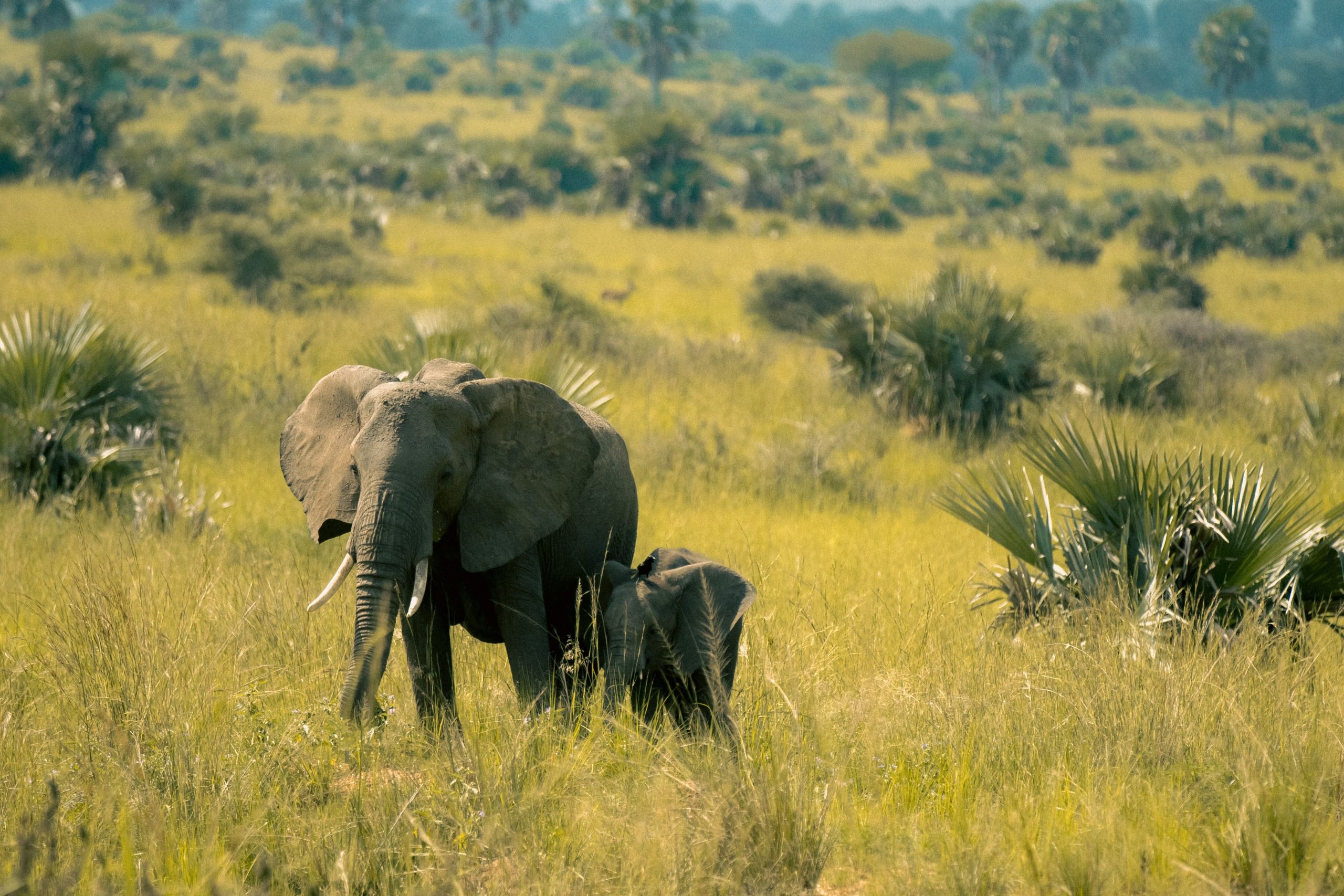
Can Murchison Falls be visited year-round
Can Murchison Falls be visited year-round
Can Murchison Falls Be Visited Year Round? Complete Seasonal Guide and Safari Packages
Yes, Murchison Falls National Park is open and accessible every month of the year. Uganda’s largest and most spectacular national park welcomes visitors throughout all four seasons, and each season offers a different experience with its own rewards. Whether you plan a safari in the dry months for optimal game viewing or hope to see the waterfall at its most powerful during the rains, Murchison Falls delivers unforgettable moments in every season.
This complete guide explains what to expect month by month, how the seasons shape your wildlife encounters, and which Murchison Falls safari packages from Turkana Wildlife Safaris can help you experience this remarkable destination at any time of year.
Understanding the Seasons in Murchison Falls
Murchison Falls National Park sits close to the equator, so temperatures remain warm and consistent throughout the year. Rainfall rather than temperature determines the seasonal rhythms that shape the visitor experience. The park experiences two distinct dry seasons and two wet seasons annually.
The long dry season runs from June to September, while a shorter dry season falls between December and February. The long wet season occurs from March to May, and a shorter wet season arrives from October to November. Understanding these patterns helps you choose the season that best matches your travel interests and priorities.
Daytime temperatures generally range from 25°C to 32°C during the dry season, cooling to 16°C to 22°C at night. During the wet season, temperatures remain warm at 25°C to 30°C during the day, though humidity rises significantly, often exceeding 60 percent.
Visiting During the Dry Seasons
The dry seasons from December to February and June to September represent the most popular windows for visiting Murchison Falls. During these months, rainfall is minimal and the weather is consistently hot and dry.
Wildlife Viewing in the Dry Season
Game viewing reaches its peak during the dry months. The tall grasses that characterise the wet season die back and lie flat, opening up sight lines across the savannah that make predator sightings far more frequent. Lions that would be invisible in tall grass during the wet season are lying in plain view on open ground.
Elephant herds move toward the permanent water of the Victoria and Albert Nile banks, producing some of the most reliable elephant sightings in Uganda from both game drive circuits and afternoon boat cruises. Buffalo herds of several hundred animals gather around the floodplain margins, and Rothschild’s giraffes become easier to approach and photograph in the open country.
The northern bank circuits including Buligi, Albert, and Delta are at their best during the dry months. Morning game drives in the northern sector offer excellent opportunities to spot elephants, giraffes, lions, buffaloes, and various antelope species.
Boat Safaris and Waterfall Views
Boat safaris along the Victoria Nile are superb year round, but the dry seasons from December to February and June to September offer the calmest conditions and the highest concentration of wildlife along the riverbanks. The boat cruise to the base of Murchison Falls provides close encounters with hippos, Nile crocodiles, elephants drinking at the water’s edge, and a remarkable variety of bird species.
The hike to the top of the falls, where the Nile forces its way through a seven metre gorge before plunging dramatically downstream, remains accessible and rewarding throughout the dry season.
Visiting During the Wet Seasons
The wet seasons from March to May and October to November bring a transformed landscape and unique advantages that many travellers overlook. Murchison Falls National Park does not receive excessive rainfall even during the wet months, and occasional heavy storms can be expected but rarely persist for days.
The Waterfall at Full Power
The most dramatic reason to visit during the wet season is the waterfall itself. During the rains, the Victoria Nile runs at full volume, and the falls become a thundering spectacle of white water and spray unlike anything seen in the drier months. The cascade emits a significant amount of mist, so waterproof outerwear is recommended when visiting the observation points.
Birding and Lush Scenery
The wet season transforms the park into a verdant paradise. Migratory birds arrive from the Palearctic during October and November, making this one of the best birding periods of the year. The lush green scenery provides exceptional photography opportunities, and the park feels calmer with fewer vehicles and visitors.
Fewer Crowds and Better Value
The wet seasons offer excellent value for travellers. Lodge rates tend to drop, visitor numbers fall, and the park feels more peaceful and exclusive. While some tracks on the north bank can become muddy and difficult, particularly in April, game viewing remains possible and rewarding. The short wet season from October to November is especially appealing because rainfall is lighter and generally does not significantly affect game drive access.
Which Season Should You Choose?
Your ideal season depends entirely on what you want from your safari. If your priority is maximising wildlife sightings with the easiest road conditions, plan your visit during the dry seasons from June to September or December to February. July and August are the absolute peak months for game drive quality.
If you are drawn to dramatic photography, lush landscapes, excellent birding, and a quieter experience, the wet seasons offer remarkable rewards. The falls are at their most powerful, the scenery is at its most beautiful, and you will encounter fewer vehicles on the game drive circuits.
The short wet season from October to November deserves special consideration. Rainfall is lighter than the long wet season, game viewing remains solid, and prices are lower without the crowds of peak season. For travellers seeking a balance between value, scenery, and wildlife, this shoulder period is hard to beat.
Practical Tips for Visiting Murchison Falls Year Round
The park opens at 6:00 AM and closes at 7:00 PM, so plan your game drives and boat trips accordingly. Bring binoculars, sunscreen, and plenty of drinking water regardless of the season. The sun can be intense even during the wet months.
Access to the park is best with an organised safari tour or a self drive vehicle equipped with four wheel drive. Tracks are basic, and drivers should keep below the park speed limit of 40 km per hour. Comfortable walking shoes, a hat, camera, sunscreen, and insect repellent are essential packing items.
The park is divided into northern and southern sectors with different landscapes. The northern area is ideal for game drives and boat safaris, while the southern sector features dense forest and chimpanzee trekking opportunities.
Frequently Asked Questions About Visiting Murchison Falls Year Round
Is Murchison Falls open all year?
Yes, Murchison Falls National Park is open every day of the year. The park operates year round, 24 hours a day, with no seasonal closures. Game drives, boat safaris, and hiking activities are available in every month, though specific road conditions may vary with rainfall.
What is the best time of year to visit Murchison Falls?
The dry seasons from December to February and June to September are generally considered the best times for wildlife viewing and road accessibility. However, every season has genuine advantages. The wet season brings the falls to their most powerful and fills the park with migratory birds, while the shoulder months offer good wildlife at lower prices without the crowds.
Can you see the Big Five at Murchison Falls?
Murchison Falls National Park is home to four of the Big Five: elephants, lions, buffaloes, and leopards. Rhinos are not present in the park itself, but you can see white rhinos at the Ziwa Rhino Sanctuary, which is conveniently located en route from Kampala to Murchison Falls. Most safaris include a stop at Ziwa for rhino tracking before continuing to the park.
Is the boat cruise available year round?
Yes, boat safaris along the Victoria Nile operate throughout the year. The cruise to the base of Murchison Falls provides excellent wildlife viewing in every season, including hippos, crocodiles, elephants, and abundant birdlife. Dry season conditions offer calmer waters and higher concentrations of wildlife along the riverbanks, but wet season cruises are equally rewarding with dramatic waterfall views.
How do you get to Murchison Falls?
Most visitors reach Murchison Falls by road from Kampala or Entebbe. The drive takes approximately four to five hours, depending on the route and road conditions. Many itineraries break the journey with a stop at Ziwa Rhino Sanctuary. Domestic flights are also available, connecting Entebbe to airstrips near Pakuba inside the park, cutting travel time to under an hour.
What should I pack for a Murchison Falls safari?
Light clothing in neutral colours is recommended for game drives. Bring a hat, sunglasses, sunscreen, insect repellent, binoculars, and a camera. Waterproof outerwear is useful year round, especially near the falls where mist can soak clothing quickly. Comfortable walking shoes are essential for the hike to the top of the falls.
Featured Murchison Falls Safari Packages from Turkana Wildlife Safaris
Turkana Wildlife Safaris offers a range of expertly curated packages that allow you to experience Murchison Falls at any time of year. These itineraries combine game drives, boat cruises, rhino tracking, and chimpanzee trekking for a complete Ugandan safari experience.
The 4 Days Murchison Falls National Park Safari provides an immersive introduction to Uganda’s largest conservation area, including rhino tracking at Ziwa, morning game drives, a Nile boat cruise, and a visit to the top of the falls. This package operates year round and can be adapted to seasonal conditions.
The 5 Days Big 5 Safari and Chimp Trekking combines the wildlife riches of Murchison Falls with chimpanzee trekking in Kibale National Park, offering a balanced mix of savannah and forest experiences. The itinerary includes game drives in the northern sector, a boat safari to the base of the falls, and an unforgettable chimpanzee encounter.
The 5 Day Holiday to Murchison Falls National Park is designed for travellers who want a more relaxed pace, combining wildlife safaris, boat cruises, hiking, and leisure time at the lodge. This package is available throughout the year and suits families, couples, and solo travellers alike.
The 4 Days Murchison Falls and Chimp Trekking itinerary adds Budongo Forest chimpanzee trekking to the classic Murchison experience, creating a compact but comprehensive adventure that includes rhino tracking, game drives, boat cruises, and primate encounters.
The Affordable 5 Day Group Safari in Uganda offers a budget friendly option for solo travellers, couples, friends, and small groups who want to share costs while enjoying professional guiding and comfortable accommodation. This safari covers Murchison Falls highlights including game drives, boat cruises, and the top of the falls viewpoint.
Conclusion
Murchison Falls National Park is a true year round destination. The dry seasons from December to February and June to September deliver the most reliable game viewing and easiest road conditions, making them ideal for first time visitors and those whose primary goal is spotting the Big Five. The wet seasons from March to May and October to November transform the park into a lush, green paradise where the waterfall roars at full power, migratory birds fill the skies, and visitors enjoy a quieter, more exclusive experience at lower prices.
Whichever season you choose, the combination of the mighty Nile, abundant wildlife, and the thundering spectacle of Murchison Falls creates memories that last a lifetime. With Turkana Wildlife Safaris offering flexible Murchison Falls safari packages that operate throughout the year, there has never been a better time to plan your visit to Uganda’s most iconic national park.