
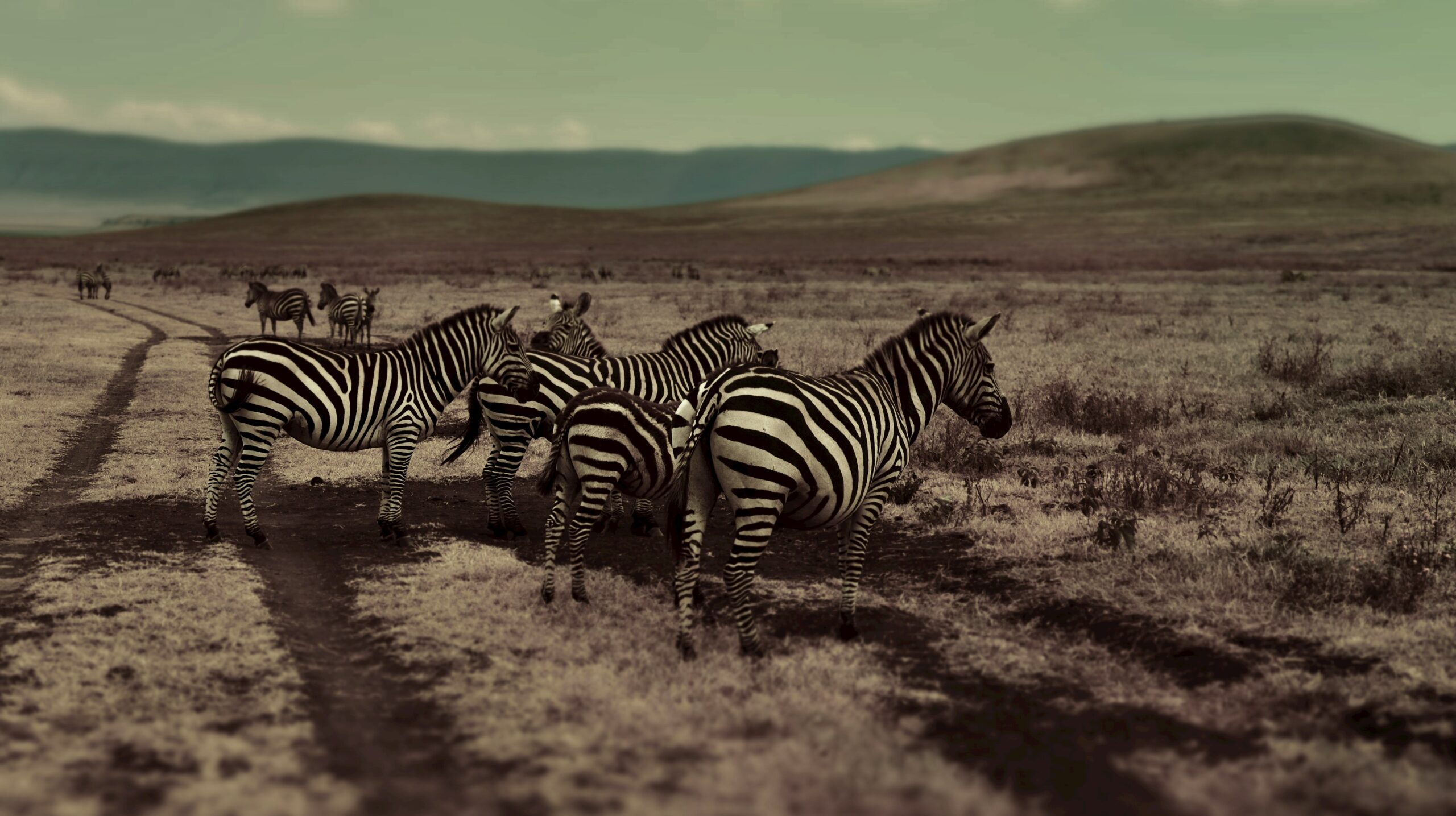
Ngorongoro Conservation Area
Ngorongoro Conservation Area: A Natural Wonder in Tanzania
Introduction
Nestled in the heart of Tanzania, the Ngorongoro Conservation Area is a true gem of natural beauty and biodiversity. Spanning over 8,000 square kilometers, this UNESCO World Heritage Site is home to a stunning crater, vast grasslands, dense forests, and a wide array of wildlife. In this article, we will explore the wonders of the Ngorongoro Conservation Area, its unique features, and the efforts made to preserve its natural treasures.
The Formation of the Ngorongoro Crater
One of the most remarkable features of the Ngorongoro Conservation Area is the Ngorongoro Crater, often referred to as the “Eighth Wonder of the World.” Formed millions of years ago, this caldera is the largest intact volcanic crater in the world. It spans approximately 260 square kilometers and reaches a depth of 610 meters.
The Ngorongoro Crater was formed when a massive volcano erupted and collapsed on itself, creating a vast depression. Over time, rainwater filled the crater, forming a lake that eventually dried up, leaving behind a fertile land teeming with wildlife. Today, the crater is a haven for over 25,000 animals, including elephants, lions, zebras, and wildebeests.
Biodiversity and Wildlife
The Ngorongoro Conservation Area is renowned for its incredible biodiversity. It is home to over 500 bird species, making it a paradise for birdwatchers. From the vibrant flamingos in Lake Magadi to the majestic African fish eagle soaring through the skies, the area offers a rich and diverse birdlife.
In addition to the avian wonders, the Ngorongoro Conservation Area is a sanctuary for numerous mammal species. The grassy plains are dotted with herds of wildebeests, zebras, and gazelles, while the dense forests provide shelter for elephants, buffalos, and leopards. The area is also famous for its dense population of lions, with over 60 individuals residing within the crater walls.
Cultural Significance
The Ngorongoro Conservation Area is not only a haven for wildlife but also holds great cultural significance. It is home to the Maasai people, one of Africa’s most iconic tribes. The Maasai have inhabited the area for centuries and have a deep connection with the land and its wildlife.
Visitors to the Ngorongoro Conservation Area have the opportunity to engage with the Maasai community and learn about their rich traditions and way of life. From traditional dances and ceremonies to handicrafts and storytelling, the Maasai offer a unique cultural experience that adds to the overall charm of the area.
Conservation Efforts
Preserving the natural wonders of the Ngorongoro Conservation Area is of utmost importance. The Tanzanian government, in collaboration with various conservation organizations, has implemented several measures to ensure the long-term sustainability of the area.
Strict regulations are in place to protect the wildlife and their habitats. Safari vehicles are required to stick to designated tracks, minimizing disturbance to the animals. Poaching is strictly prohibited, and efforts are made to combat illegal hunting and trade of wildlife products.
The local communities are actively involved in conservation efforts through education and sustainable tourism initiatives. By promoting eco-friendly practices and providing alternative livelihoods, the conservation area aims to create a harmonious balance between nature and human activities.
Frequently Asked Questions (FAQs)
What is the best time to visit the Ngorongoro Conservation Area?
The Ngorongoro Conservation Area can be visited year-round, but the dry season from June to October is considered the best time for wildlife viewing. During this time, animals gather around water sources, making it easier to spot them.
Can I go on a safari in the Ngorongoro Crater?
Yes, safari tours are available in the Ngorongoro Crater. Experienced guides will take you on a thrilling adventure through the grasslands and forests, providing insights into the area’s wildlife and natural wonders.
Are there accommodation options within the Ngorongoro Conservation Area?
Yes, there are several lodges and campsites available within the conservation area. From luxury lodges overlooking the crater to budget-friendly campsites, there are options to suit every traveler’s preferences.
Is it possible to hike in the Ngorongoro Conservation Area?
Hiking is not permitted within the Ngorongoro Crater itself, but there are hiking trails available in the surrounding highlands. These trails offer breathtaking views of the crater and the opportunity to explore the diverse flora and fauna of the area.
How can I contribute to the conservation efforts in the Ngorongoro Conservation Area?
By choosing responsible tourism operators and following the guidelines set forth by the conservation area, you can contribute to the preservation of this natural wonder. Additionally, supporting local communities through purchasing handmade crafts and participating in cultural experiences helps to sustain their way of life and promotes conservation efforts.
Conclusion
The Ngorongoro Conservation Area is a true testament to the wonders of nature. From the breathtaking Ngorongoro Crater to the diverse wildlife and rich cultural heritage, this area offers a unique and unforgettable experience for visitors. Through ongoing conservation efforts and responsible tourism practices, we can ensure that future generations can continue to marvel at the beauty and biodiversity of this remarkable place.
So, if you’re seeking an adventure that combines awe-inspiring landscapes, incredible wildlife encounters, and a glimpse into the vibrant Maasai culture, look no further than the Ngorongoro Conservation Area in Tanzania. Plan your visit and immerse yourself in the wonders of this natural paradise.