
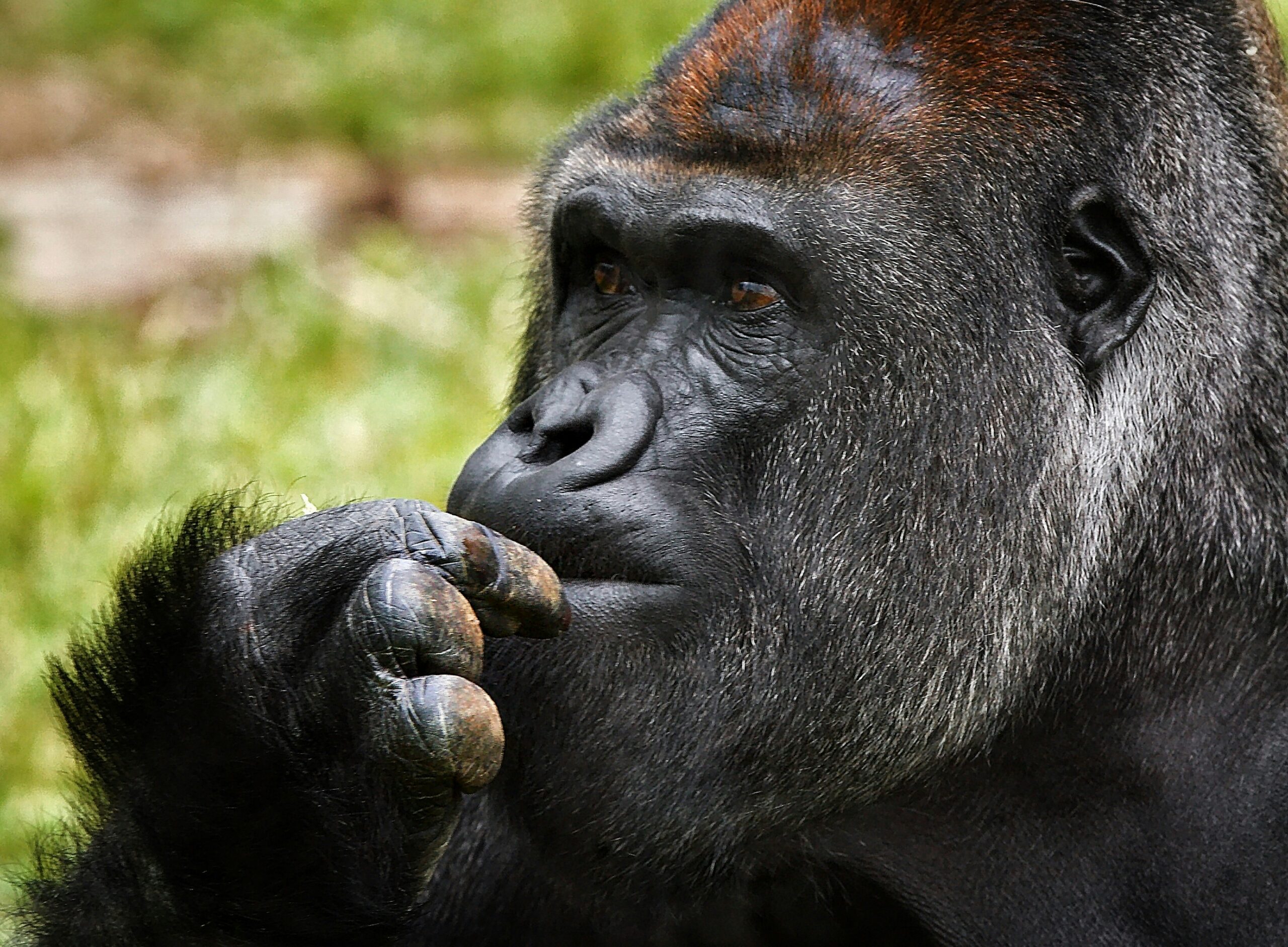
The Best Time for Gorilla Trekking
The Best Time for Gorilla Trekking: A Comprehensive Guide
Introduction
Gorilla trekking is an extraordinary adventure that allows you to come face to face with these majestic creatures in their natural habitat. It is an experience that is both thrilling and humbling, leaving a lasting impression on all who embark on this journey. However, to make the most of your gorilla trekking experience, it is essential to choose the right time to visit. In this comprehensive guide, we will explore the best time for gorilla trekking, taking into consideration factors such as weather, gorilla behavior, and tourist demand. So, let’s delve into the world of gorilla trekking and discover the optimal time to embark on this unforgettable adventure.
Understanding Gorilla Trekking
Before we dive into the best time for gorilla trekking, let’s first understand what it entails. Gorilla trekking involves venturing into the dense forests of Africa, specifically in countries like Uganda, Rwanda, and the Democratic Republic of Congo, to track and observe gorillas in their natural habitat. These countries are home to two species of gorillas: the mountain gorillas and the eastern lowland gorillas. The mountain gorillas are critically endangered, with only a few hundred individuals remaining in the wild. This makes gorilla trekking a unique and exclusive experience.
Factors to Consider
When determining the best time for gorilla trekking, several factors come into play. These factors include weather conditions, gorilla behavior, tourist demand, and personal preferences. Let’s explore each of these factors in more detail:
1. Weather Conditions
The weather plays a significant role in determining the best time for gorilla trekking. The regions where gorilla trekking takes place have a tropical climate, characterized by two main seasons: the dry season and the wet season. The dry season is generally considered the best time for gorilla trekking as the weather is more favorable and the trails are less muddy. In Uganda and Rwanda, the dry season runs from June to September and December to February. In the Democratic Republic of Congo, the dry season is from December to February and June to September. However, it’s important to note that weather patterns can vary, and it’s always advisable to check with local authorities or tour operators for the most up-to-date information.
2. Gorilla Behavior
Understanding gorilla behavior is crucial when planning your gorilla trekking adventure. Gorillas are generally active during the day, with mornings being the best time to observe them. They spend their days feeding, resting, and interacting with each other. It’s important to note that gorillas are wild animals, and their behavior can be unpredictable. However, during the dry season, gorillas tend to stay closer to the lower slopes of the mountains, making them more accessible for trekking. In the wet season, gorillas may venture higher up the mountains in search of food, making the trek more challenging. Therefore, considering gorilla behavior can help you choose the best time for your trekking experience.
3. Tourist Demand
Tourist demand can also influence the best time for gorilla trekking. During peak tourist seasons, such as school holidays or festive periods, there is usually a higher demand for gorilla permits, accommodations, and other services. This can result in limited availability and higher prices. Therefore, if you prefer a more intimate and less crowded experience, it’s advisable to consider visiting during the low season when tourist numbers are lower. However, it’s important to note that gorilla permits are limited, and it’s advisable to book well in advance regardless of the season.
4. Personal Preferences
Lastly, your personal preferences should also be taken into account when choosing the best time for gorilla trekking. Consider factors such as your tolerance for different weather conditions, your fitness level, and your availability. If you prefer cooler temperatures and clearer skies, the dry season may be more suitable for you. On the other hand, if you don’t mind a bit of rain and prefer a greener landscape, the wet season may be a better choice. Ultimately, the best time for gorilla trekking is when it aligns with your preferences and availability.
FAQ: Frequently Asked Questions
To provide you with a more comprehensive understanding of gorilla trekking and the best time to embark on this adventure, here are some frequently asked questions:
1. How long does a gorilla trekking experience last?
A typical gorilla trekking experience can last anywhere from 2 to 8 hours, depending on the location of the gorilla group and the hiking conditions. The actual time spent with the gorillas is usually limited to one hour to minimize disturbance to their natural behavior.
2. How physically demanding is gorilla trekking?
Gorilla trekking can be physically demanding, as it involves hiking through dense forests andrough terrains. The duration and difficulty of the trek can vary depending on the location and the specific gorilla group being tracked. It’s important to be in good physical condition and prepared for a moderate to strenuous hike. However, there are also options available for those who may have physical limitations, such as hiring porters or opting for shorter treks.
3. Are there age restrictions for gorilla trekking?
Yes, there are age restrictions for gorilla trekking In Uganda and Rwanda, the minimum age requirement is 15 years old. This is to ensure the safety of both the visitors and the gorillas. Additionally, it’s important to note that gorilla trekking involves walking for several hours in challenging terrain, so it may not be suitable for very young children or individuals with certain health conditions.
4. How much does a gorilla permit cost?
Gorilla permits are required to participate in gorilla trekking, and the cost varies depending on the country. In Uganda, gorilla permits cost $700 for foreign non-residents, $600 for foreign residents, and UGX 250,000 for East African residents. In Rwanda, gorilla permits cost $1,500 for all visitors. In the Democratic Republic of Congo, gorilla permits cost $400 for foreign non-residents, $200 for foreign residents, and $150 for Congolese citizens. It’s important to note that these prices are subject to change, and it’s advisable to check with the respective authorities or tour operators for the most up-to-date information.
5. How can I contribute to gorilla conservation?
Gorilla trekking not only provides a unique and unforgettable experience for visitors but also plays a crucial role in gorilla conservation. The revenue generated from gorilla permits goes towards conservation efforts, including habitat protection, anti-poaching initiatives, and community development projects. By participating in gorilla trekking, you are directly contributing to the conservation of these magnificent creatures. Additionally, it’s important to follow the guidelines and regulations set by the authorities to ensure the safety and well-being of the gorillas.
Conclusion
In conclusion, the best time for gorilla trekking depends on various factors such as weather conditions, gorilla behavior, tourist demand, and personal preferences. The dry season is generally considered the optimal time as it offers more favorable weather and easier trekking conditions. However, it’s important to consider your own preferences and availability when planning your gorilla trekking adventure. Remember to book your gorilla permits well in advance, regardless of the season, as they are limited. Lastly, always prioritize the well-being and conservation of the gorillas by following the guidelines and regulations set by the authorities. Now, armed with this comprehensive guide, you are ready to embark on an extraordinary journey to witness the beauty and splendor of gorillas in their natural habitat. Happy gorilla trekking!