
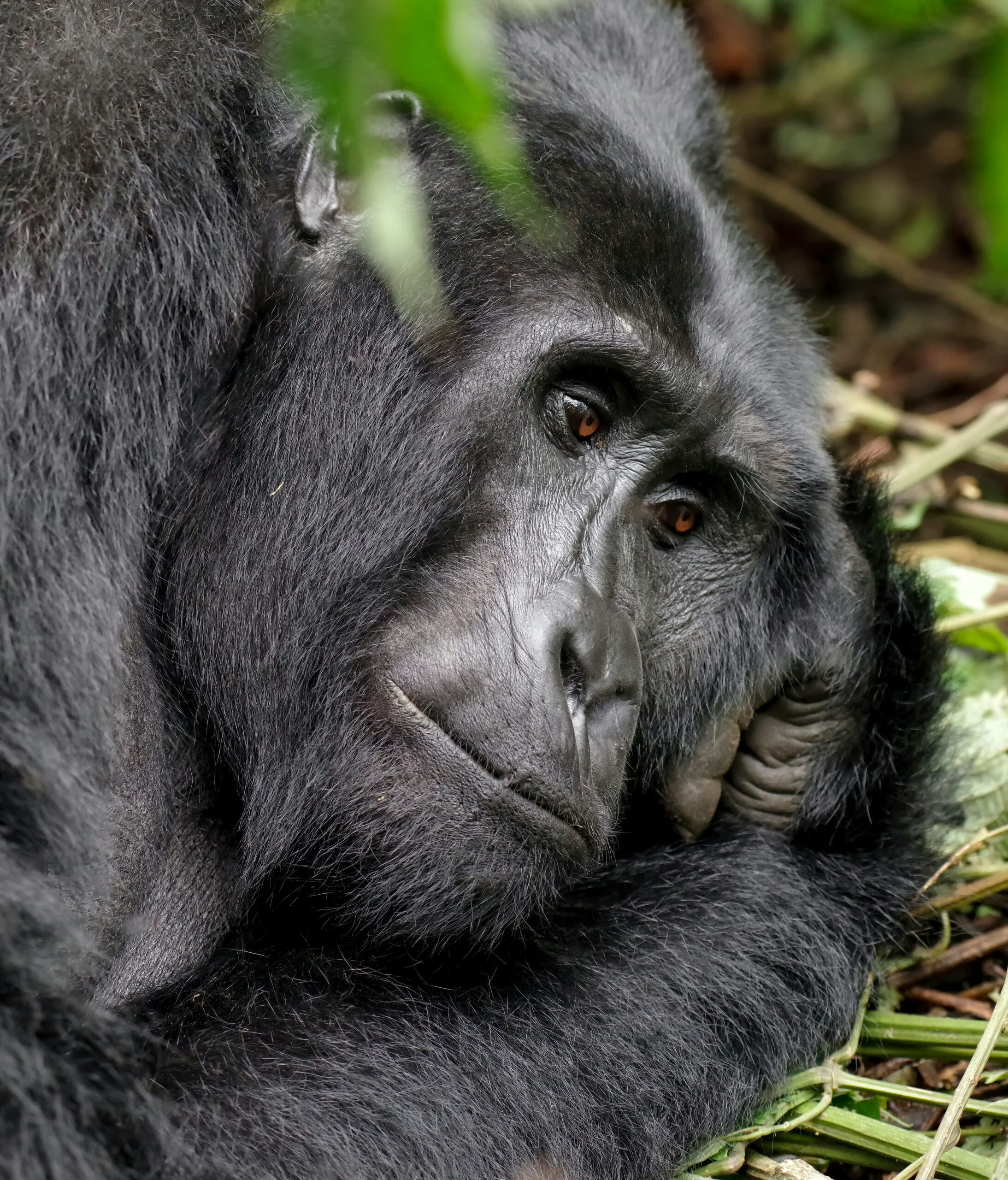
Gorilla Trekking Photography Tips
Gorilla Trekking Photography Tips: Capturing the Majestic Primates in their Natural Habitat
Introduction
Gorilla trekking is an exhilarating and once-in-a-lifetime experience that allows you to witness the incredible beauty and power of these majestic creatures in their natural habitat. As a photographer, capturing stunning images of gorillas can be a challenging yet rewarding endeavor. In this comprehensive guide, we will provide you with expert tips and techniques to enhance your gorilla trekking photography skills. From understanding gorilla behavior to selecting the right camera gear, we’ve got you covered. So, grab your camera and let’s embark on an unforgettable journey to capture the essence of gorillas through your lens.
Table of Contents
Understanding Gorilla Behavior
Essential Camera Gear for Gorilla Trekking
Composition and Framing Techniques
Lighting and Exposure Considerations
Patience and Perseverance: Waiting for the Perfect Shot
Respecting the Gorillas and their Environment
Post-Processing Tips for Gorilla Images
Frequently Asked Questions (FAQ)
1. Understanding Gorilla Behavior
Before embarking on your gorilla trekking adventure, it is crucial to have a basic understanding of gorilla behavior. Gorillas are intelligent and social animals that live in close-knit family groups. They exhibit a range of emotions and behaviors, including playfulness, grooming, and even displays of aggression. By observing their behavior, you can anticipate and capture unique moments that tell a story through your photographs.
2. Essential Camera Gear for Gorilla Trekking
When it comes to gorilla trekking photography, having the right camera gear is essential. Here are some must-have items to consider:
A sturdy DSLR or mirrorless camera with a fast autofocus system
Telephoto lenses with a focal length of at least 200mm for capturing close-up shots
A wide-angle lens for capturing the gorillas in their natural habitat
A tripod or monopod for stability during long treks
Spare batteries and memory cards to ensure you don’t miss any shots
3. Composition and Framing Techniques
Composition plays a crucial role in creating visually appealing gorilla photographs. Here are some tips to keep in mind:
Rule of thirds: Divide your frame into thirds both horizontally and vertically, and place your subject along these lines or at their intersections.
Leading lines: Utilize natural elements such as branches or foliage to lead the viewer’s eye towards the gorillas.
Depth of field: Experiment with shallow depth of field to isolate the gorillas from the background and create a sense of depth in your images.
Framing: Use natural frames, such as tree branches or leaves, to frame the gorillas and draw attention to them.
4. Lighting and Exposure Considerations
Proper lighting and exposure are essential for capturing stunning gorilla photographs. Here are some tips to help you achieve optimal results:
Golden hour: Take advantage of the soft, warm light during the early morning or late afternoon for beautiful and flattering lighting conditions.
Avoid harsh shadows: Position yourself and your subject in a way that minimizes harsh shadows caused by direct sunlight.
Exposure compensation: Gorillas have dark fur, which can be challenging for your camera’s metering system. Use exposure compensation to avoid underexposing the gorillas.
Spot metering: If the gorilla’s face is in shadow, use spot metering to expose for the highlights and bring out the details.
5. Patience and Perseverance: Waiting for the Perfect Shot
Gorilla trekking requires patience and perseverance. Here are some tips to help you capture the perfect shot:
Observe and anticipate: Pay attention to the gorillas’ behavior and anticipate their movements to capture candid and unique moments.
Be patient: Wait for the right moment to press the shutter button. Sometimes, the best shots come to those who wait.
Stay quiet and still: Avoid sudden movements and loud noises that may startle or disturb the gorillas. Blend into the environment to capture authentic and natural behaviors.
6. Respecting the Gorillas and their Environment
Responsible gorilla trekking involves respecting the gorillas and their environment. Here are some guidelines to follow:
Keep a safe distance: Maintain a minimum distance of 7 meters (23 feet) from the gorillas to ensure their safety and minimize disturbance.
Follow the guide’s instructions: Listen to your experienced guide and follow their instructions to ensure a safe and respectful encounter with the gorillas.
Do not use flash: Flash photography can startle and distress the gorillas. Always turn off your flash and rely on natural lighting.
Leave no trace: Respect the gorilla’s habitat by not littering or disturbing the natural surroundings. Leave only footprints and take only memories and photographs.
7. Post-Processing Tips for Gorilla Images
Once you have captured your gorilla photographs, post-processing can help enhance their visual impact. Here are some tips for editing your gorilla images:
Adjust exposure and contrast: Fine-tune the exposure and contrast to bring out the details and create a balanced image.
Enhance colors: Gorillas have rich and varied fur colors. Use selective color adjustments to enhance and bring out the natural tones.
Sharpen selectively: Apply selective sharpening techniques to enhance the details of the gorillas while preserving the overall image quality.
Remove distractions: Use cloning or healing tools to remove any distracting elements from the background and focus the viewer’s attention on the gorillas.
Maintain a natural look: While editing, strive to maintain the authenticity and natural look of the gorillas. Avoid over-processing and excessive manipulation. Gorilla Trekking Photography Tips
8. Frequently Asked Questions (FAQ)
Q1: How much does gorilla trekking photography gear cost?
A1: The cost of gorilla trekking photography gear can vary depending on your preferences and budget. A quality DSLR or mirrorless camera can range from $1,000 to $3,000, while telephoto lenses can cost anywhere from $500 to $5,000. It is essential to invest in reliable and durable gear to ensure the best results.
Q2: How physically demanding is gorilla trekking?
A2: Gorilla trekking can be physically demanding, as it often involves hiking through dense forests and steep terrains. It is recommended to be in good physical condition and consult with your tour operator to assess the difficulty level of the trek.
Q3: Are there any ethical concerns with gorilla trekking photography?
A3: Yes, there are ethical concerns with gorilla trekking photography. It is crucial to choose a reputable tour operator that follows strict guidelines to minimize disturbance to the gorillas and their habitat. Always prioritize the well-being and conservation of the gorillas over capturing the perfect shot.
Q4: Can I use a drone for gorilla photography?
A4: No, the use of drones is strictly prohibited during gorilla trekking. Drones can cause stress and disturbance to the gorillas and disrupt their natural behavior. Respect the rules and regulations set by the authorities to ensure the safety and well-being of the gorillas.
Q5: How can I support gorilla conservation efforts?
A5: Supporting gorilla conservation efforts is crucial for the long-term survival of these incredible creatures. You can contribute by choosing responsible tour operators that prioritize conservation, donating to reputable organizations working towards gorilla conservation, and spreading awareness about the importance of protecting gorillas and their habitats.
Conclusion
Gorilla trekking photography offers a unique opportunity to capture the beauty and essence of these magnificent creatures. By understanding gorilla behavior, having the right camera gear, and employing composition and lighting techniques, you can create stunning images that tell a story. Remember to always respect the gorillas and their environment, and practice responsible photography. So, pack your gear, embark on a gorilla trekking adventure, and let your photographs showcase the awe-inspiring world of gorillas. Gorilla Trekking Photography Tips