
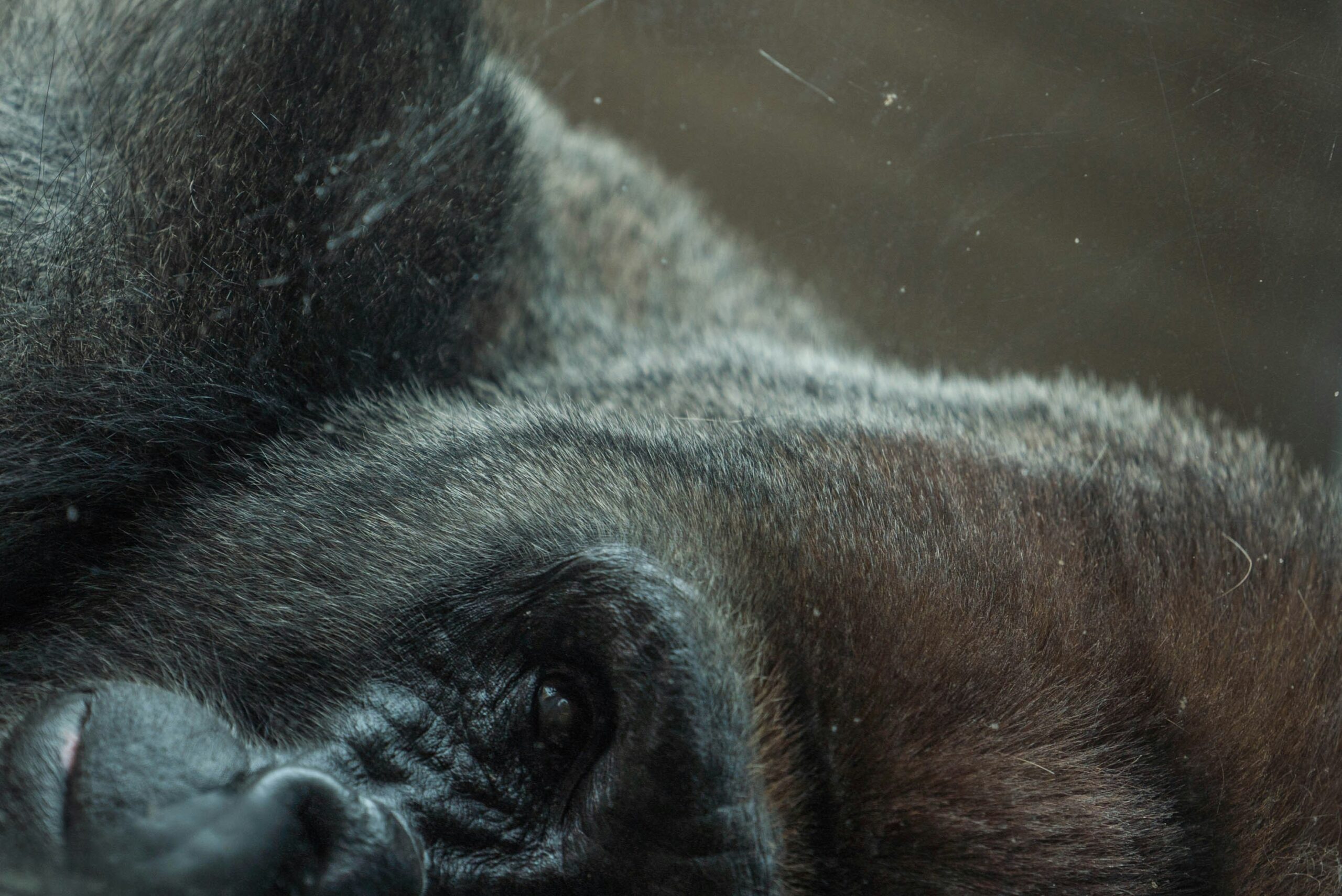
Gorilla Trekking vs Gorilla Holiday
Gorilla Trekking vs Gorilla Holiday: Exploring the Wild Side
Introduction
In the realm of adventure and wildlife enthusiasts, few experiences can match the thrill and awe-inspiring encounters of gorilla trekking and gorilla holidays. These two distinct ways of exploring the world of gorillas offer unique opportunities to witness these magnificent creatures in their natural habitat. Whether you are an intrepid traveler seeking a once-in-a-lifetime adventure or a nature lover looking for a peaceful getaway, gorilla trekking and gorilla holidays provide unforgettable experiences. In this article, we will delve into the differences between gorilla trekking and gorilla holidays, highlighting their key features, benefits, and what to expect from each experience.
Gorilla Trekking: A Thrilling Adventure
What is Gorilla Trekking?
Gorilla trekking is an exhilarating activity that involves hiking through dense forests and mountainous terrain in search of gorilla families. This activity takes place in several countries in Africa, including Uganda, Rwanda, and the Democratic Republic of Congo. Led by experienced guides, trekkers embark on a journey to locate gorilla groups and spend a limited time observing them in their natural habitat.
The Thrill of the Hunt
Gorilla trekking is often described as a thrilling adventure, as it requires physical stamina and a sense of adventure. Trekkers traverse rugged landscapes, navigate through thick vegetation, and sometimes even encounter other wildlife along the way. The anticipation of finding a gorilla family adds an element of excitement and suspense to the experience, making it a truly memorable adventure.
Up Close and Personal
One of the main highlights of gorilla trekking is the opportunity to observe gorillas up close and personal. Trekkers are allowed to spend a limited time in the presence of these gentle giants, usually around one hour. This close encounter provides a unique chance to witness their behavior, social interactions, and even capture stunning photographs. It is a truly immersive experience that allows for a deeper understanding and appreciation of these incredible creatures.
Conservation and Sustainability
Gorilla trekking plays a crucial role in the conservation and protection of gorillas and their habitats. The fees collected from trekking permits are used to fund conservation efforts, anti-poaching initiatives, and community development projects in the areas where gorillas reside. By participating in gorilla trekking, travelers contribute directly to the preservation of these endangered species and support the local communities.
Gorilla Holidays: A Tranquil Retreat
What is a Gorilla Holiday?
A gorilla holiday, on the other hand, offers a more relaxed and leisurely experience with gorillas. It typically involves staying at luxury lodges or eco-friendly resorts located near gorilla habitats. Instead of actively searching for gorilla families, visitors have the opportunity to observe them from a distance, often from the comfort of their accommodations or designated viewing platforms.
Serenity and Immersion
Gorilla holidays provide a serene and immersive experience, allowing visitors to unwind and connect with nature. The tranquil surroundings of the lodges and resorts offer a peaceful retreat, where guests can enjoy breathtaking views of the gorilla habitats while indulging in luxurious amenities. This type of experience is ideal for those seeking a more laid-back approach to gorilla encounters, where relaxation and rejuvenation take center stage.
Educational and Cultural Experiences
In addition to gorilla sightings, gorilla holidays often include educational and cultural experiences. Visitors can engage in guided nature walks, bird watching tours, or visits to local communities to learn about the rich biodiversity and cultural heritage of the region. These activities provide a deeper understanding of the interconnectedness between the gorillas, the environment, and the local communities, fostering a sense of appreciation and responsibility towards conservation.
Sustainable Tourism Practices
Gorilla holidays are often designed with a strong focus on sustainable tourism practices. Many lodges and resorts prioritize eco-friendly initiatives, such as using renewable energy sources, implementing waste management systems, and supporting local conservation projects. By choosing a gorilla holiday, travelers can contribute to the preservation of gorilla habitats while enjoying a luxurious and environmentally conscious experience.
FAQ: Frequently Asked Questions
Q: How physically demanding is gorilla trekking?
A: Gorilla trekking can be physically demanding, as it involves hiking through challenging terrains. It is advisable to be in good physical condition and consult with a healthcare professional before embarking on a trekking adventure.
Q: Are gorilla trekking permits expensive?
A: Gorilla trekking permits can vary in price depending on the country and season. They are generally considered a significant investment, but the fees contribute directly to gorilla conservation efforts.
Q: Can children participate in gorilla trekking?
A: The minimum age for gorilla trekking varies from country to country. In Rwanda and Uganda, children below the ageof 15 are not allowed to participate in gorilla trekking. However, there are alternative activities available for families with younger children, such as nature walks and cultural experiences.
Q: How can I ensure the safety of the gorillas during my visit?
A: It is essential to follow the guidelines and instructions provided by the guides during gorilla trekking or gorilla holidays. These guidelines are in place to protect the gorillas and ensure their well-being. It is crucial to maintain a safe distance, avoid direct eye contact, and refrain from touching the gorillas.
Q: Which country is the best for gorilla trekking or gorilla holidays?
A: Each country offers a unique experience when it comes to gorilla trekking or gorilla holidays. Rwanda is known for its well-organized and accessible gorilla trekking experiences, while Uganda offers a more diverse range of activities and accommodations. The Democratic Republic of Congo provides a more off-the-beaten-path experience, with fewer tourists and a raw wilderness feel.
Conclusion
Whether you choose gorilla trekking or a gorilla holiday, both options offer incredible opportunities to connect with these majestic creatures and contribute to their conservation. Gorilla trekking provides an adventurous and immersive experience, allowing you to witness gorillas up close in their natural habitat. On the other hand, gorilla holidays offer a more relaxed and luxurious retreat, where you can observe gorillas from a distance while enjoying the comforts of eco-friendly accommodations. Whichever option you choose, the encounter with gorillas will leave you with lasting memories and a deeper appreciation for the importance of wildlife conservation.
So, embark on your journey to the wild side and let the magic of gorillas captivate your heart and soul.
Remember to book your gorilla trekking permits or gorilla holiday well in advance to secure your spot and contribute to the conservation efforts. Happy exploring!