
Visit Rwanda
Visit Rwanda
Exploring the Enchanting Beauty of Rwanda: A Journey to Remember
Introduction
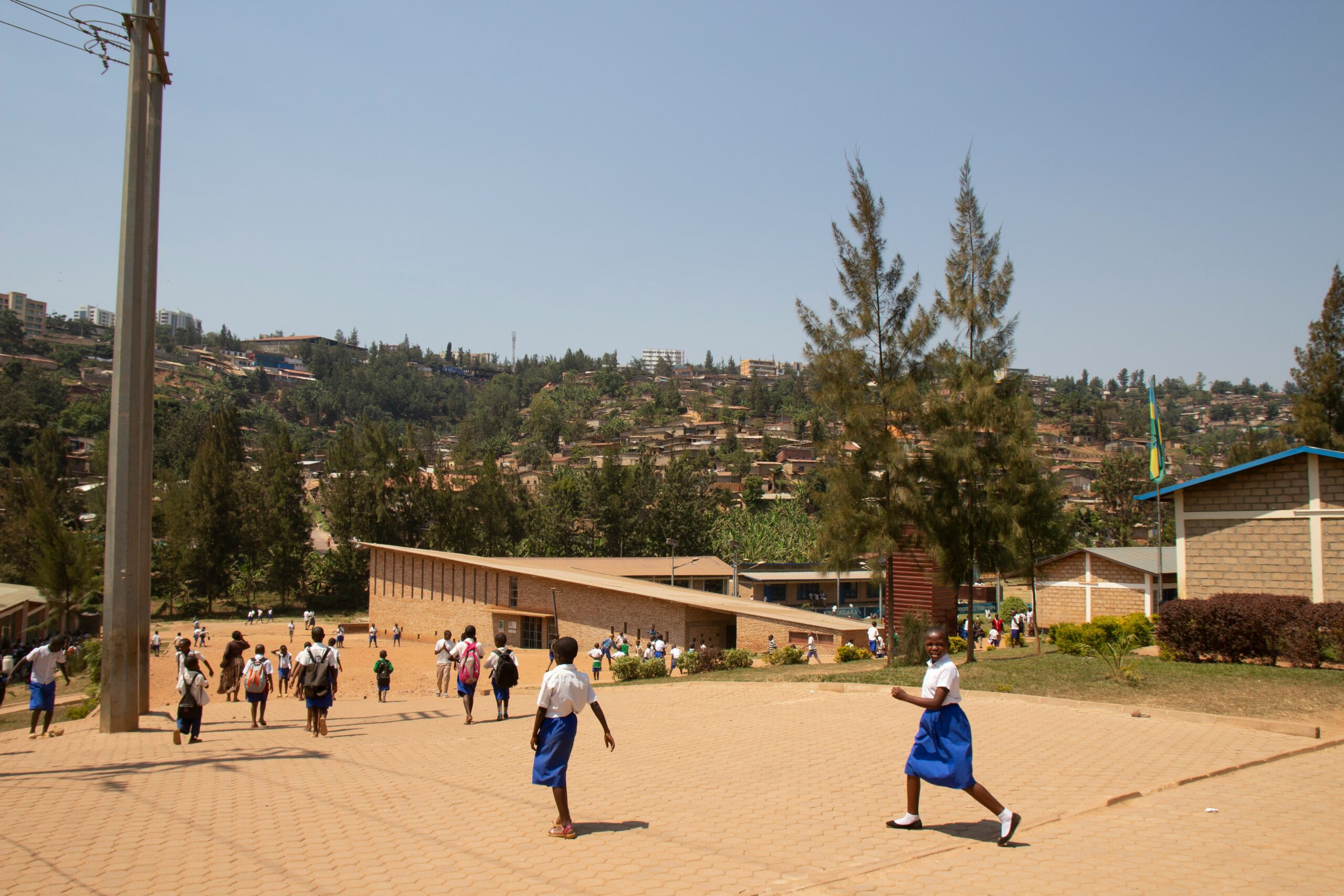
Rwanda, a landlocked country in East Africa, is a hidden gem that offers a unique and captivating travel experience. Known as the “Land of a Thousand Hills,” Rwanda is renowned for its stunning landscapes, vibrant culture, and remarkable wildlife. In recent years, this African nation has emerged as a must-visit destination for travelers seeking adventure, cultural immersion, and natural beauty. In this comprehensive guide, we will delve into the enchanting allure of Rwanda, exploring its rich history, breathtaking attractions, and the incredible experiences that await you. So, fasten your seatbelts and get ready for an unforgettable journey through the heart of Rwanda.
1. History and Culture of Rwanda
Rwanda has a fascinating history that dates back centuries. The country is home to the Banyarwanda people, who have a rich cultural heritage and a strong sense of community. The history of Rwanda is marked by both triumphs and tragedies, with the most notable being the 1994 genocide that claimed the lives of hundreds of thousands of people. However, Rwanda has shown incredible resilience and has made significant progress in healing and rebuilding since then.
The culture of Rwanda is vibrant and diverse, with various ethnic groups contributing to the country’s cultural tapestry. The Banyarwanda people are known for their traditional dances, music, and crafts. The Instore dance, a traditional Rwandan dance performed by men, is a captivating display of agility and strength. The country is also famous for its beautiful handicrafts, such as baskets and pottery, which showcase the creativity and skill of Rwandan artisans.
2. Natural Wonders and Wildlife
Rwanda is blessed with an abundance of natural beauty, making it a paradise for nature lovers. The country is dominated by rolling hills, lush forests, and picturesque lakes, creating a stunning backdrop for exploration. One of the most iconic natural wonders of Rwanda is the Volcanoes National Park, home to the majestic mountain gorillas. Trekking through the dense forests to encounter these gentle giants is an experience that will leave you in awe.
In addition to gorillas, Rwanda is also home to other incredible wildlife, including golden monkeys, chimpanzees, and a variety of bird species. Akagera National Park, located in the eastern part of the country, offers a unique safari experience where you can spot elephants, lions, giraffes, and more. Nyungwe Forest National Park, on the other hand, is a haven for primate enthusiasts, with its population of chimpanzees and colobus monkeys.
3. Adventure and Outdoor Activities
For adrenaline junkies and outdoor enthusiasts, Rwanda has plenty to offer. The country’s diverse landscapes provide the perfect playground for adventure activities. If you’re up for a challenge, consider hiking to the summit of Mount Bisoke, one of the volcanoes in the Virunga Mountains. The hike rewards you with breathtaking views of the surrounding scenery and the chance to stand on the edge of a crater lake.
If water sports are more your style, Lake Kivu is the place to be. This expansive lake offers opportunities for kayaking, paddle boarding, and swimming. You can also take a boat ride to explore the picturesque islands scattered across the lake. For those seeking a more tranquil experience, a visit to the beautiful Lake Muhazi is a must. Surrounded by lush greenery, this serene lake is perfect for a relaxing day of fishing or picnicking.
4. Cultural Experiences and Festivals
Immersing yourself in the vibrant culture of Rwanda is an essential part of any visit to the country. One of the best ways to do this is by visiting the traditional villages and interacting with the local communities. The Iby’Iwacu Cultural Village, located near Volcanoes National Park, offers a glimpse into the daily lives of the Rwandan people. Here, you can learn about traditional farming practices, participate in traditional dances, and even try your hand at traditional crafts.
Rwanda is also known for its colorful festivals, which celebrate various aspects of the country’s culture. The most famous festival is the Kwita Izina, an annual event where baby gorillas are named. This unique ceremony brings together locals and visitors alike to celebrate the conservation efforts and the importance of protecting these endangered animals. Other festivals, such as the Umuganura Festival and the FESPAD (Pan-African Dance Festival), showcase the diversity and vibrancy of Rwandan culture through music, dance, and art.
5. Delicious Rwandan Cuisine
No trip to Rwanda is complete without indulging in the delectable flavors of Rwandan cuisine. The country’s culinary scene is a delightful fusion of traditional African dishes and international influences. One of the most iconic dishes is called “Ugali,” a staple made from cornmeal that is often served with a variety of stews and sauces. Another popular dish is “Isombe,” a delicious combination of cassava leaves, eggplant, and spinach.
For meat lovers, “Brochettes” are a must-try. These skewered meat kebabs, usually made with beef or goat, are marinated in a flavorful blend of spices and grilled to perfection. Rwandan cuisine also features an array of fresh fruits, such as bananas, pineapples, and passion fruits, which are often enjoyed as snacks or used in refreshing juices.
6. Sustainable Tourism in Rwanda
Rwanda is a pioneer in sustainable tourism practices, placing a strong emphasis on conservation and community development. The country is committed to preserving its natural resources and promoting responsible tourism. One of the most significant conservation success stories in Rwanda is the protection of mountain gorillas. Through strict conservation measures and sustainable tourism practices, the population of these endangered creatures has been steadily increasing.
Rwanda’s commitment to sustainability extends beyond wildlife conservation. The country has implemented various initiatives to support local communities and empower them through tourism. Many lodges and tour operators in Rwanda are owned and operated by local communities, ensuring that the benefits of tourism are shared among the people. Additionally, the revenue generated from tourism is reinvested in education, healthcare, and infrastructure development, contributing to the overall well-being of the Rwandan people.
7. Practical Information for Travelers
Before embarking on your journey to Rwanda, it’s essential to be prepared and informed. Here are some practical tips to help you make the most of your trip:
Visa Requirements: Most visitors to Rwanda require a visa, which can be obtained online or upon arrival at the airport. It’s advisable to check the latest visa regulations before traveling.
Health and Safety: It’s recommended to consult with a healthcare professional regarding necessary vaccinations and medications before traveling to Rwanda. It’s also important to take precautions to ensure your safety, such as avoiding isolated areas at night and following the guidance of local authorities.
Currency: The official currency of Rwanda is the Rwandan Franc (RWF). It’s advisable to carry some cash in local currency for small expenses, as credit cards may not be widely accepted in remote areas.
Language: The official languages of Rwanda are Kinyarwanda, French, and English. English is widely spoken in tourist areas and hotels.
Transportation: Rwanda has a well-developed transportation system, with options ranging from buses and taxis to car rentals. It’s recommended to hire a local driver or guide who is familiar with the roads and can provide valuable insights during your journey.
8. Frequently Asked Questions (FAQ)
Q1: What is the best time to visit Rwanda?
A1: The best time to visit Rwanda is during the dry seasons, which are from June to September and from December to February. These months offer pleasant weather and better wildlife viewing opportunities.
Q2: How can I obtain a permit to trek mountain gorillas?
A2: To trek mountain gorillas in Rwanda, you need to obtain a permit from the Rwanda Development Board (RDB). It’s advisable to book your permit well in advance, as they are limited and in high demand.
Q3: Are there any cultural etiquette tips I should be aware of?
A3: Rwandan culture places a strong emphasis on respect and politeness. It’s important to greet people with a handshake, use both hands when giving or receiving something, and avoid public displays of affection.
Q4: Can I drink tap water in Rwanda?
A4: It’s recommended to drink bottled or filtered water in Rwanda to avoid any potential health issues. Bottled water is readily available in most hotels and stores.
Q5: What are some must-visit attractions in Rwanda?
A5: Some must-visit attractions in Rwanda include Volcanoes National Park, Nyungwe Forest National Park, Akagera National Park, Lake Kivu, and the vibrant capital city of Kigali.
Conclusion
Rwanda is a destination that will capture your heart and leave you with memories that will last a lifetime. From the awe-inspiring encounters with mountain gorillas to the breathtaking landscapes and vibrant culture, this East African gem has something for every traveler. Whether you’re an adventure seeker, a wildlife enthusiast, or a cultural explorer, Rwanda will exceed your expectations and offer you an experience like no other. So, pack your bags, embark on this remarkable journey, and let Rwanda’s enchanting beauty unfold before your eyes.